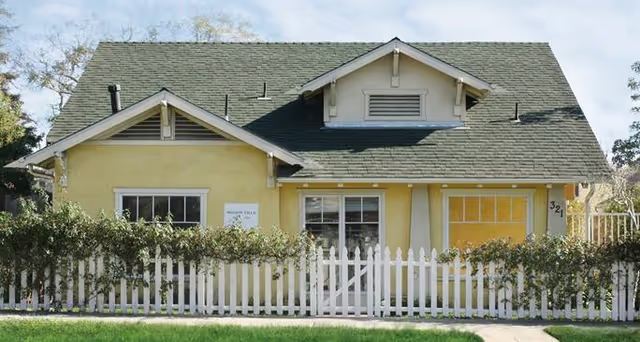
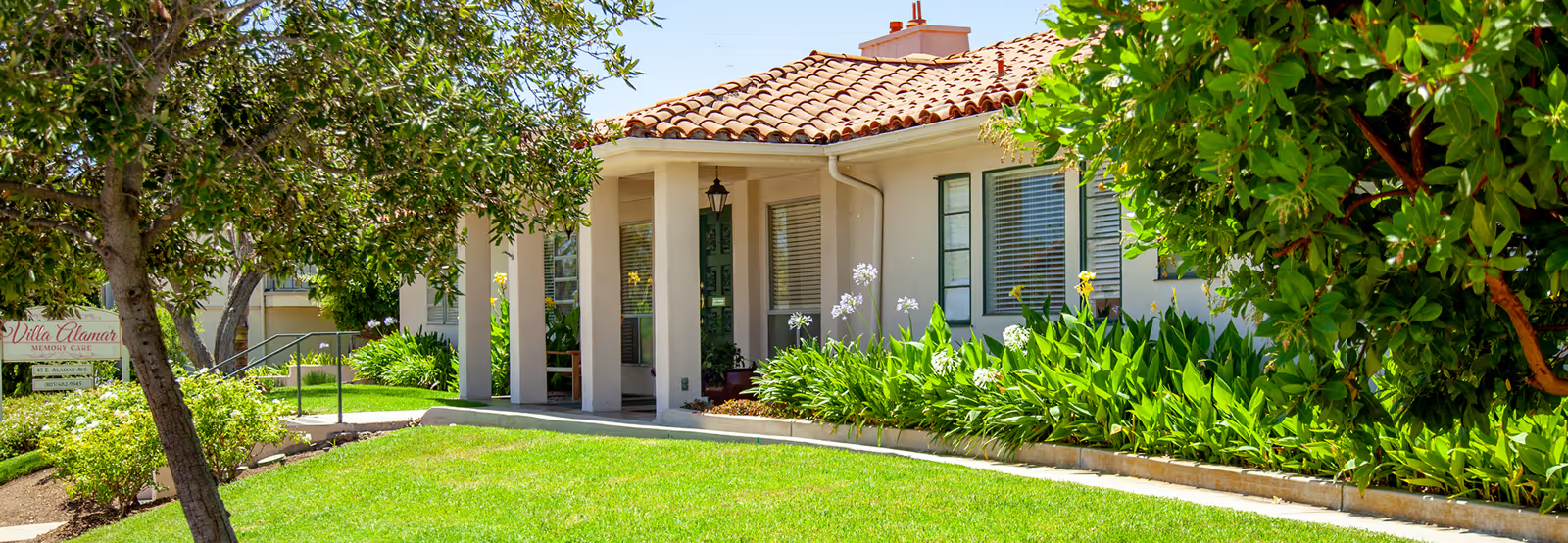
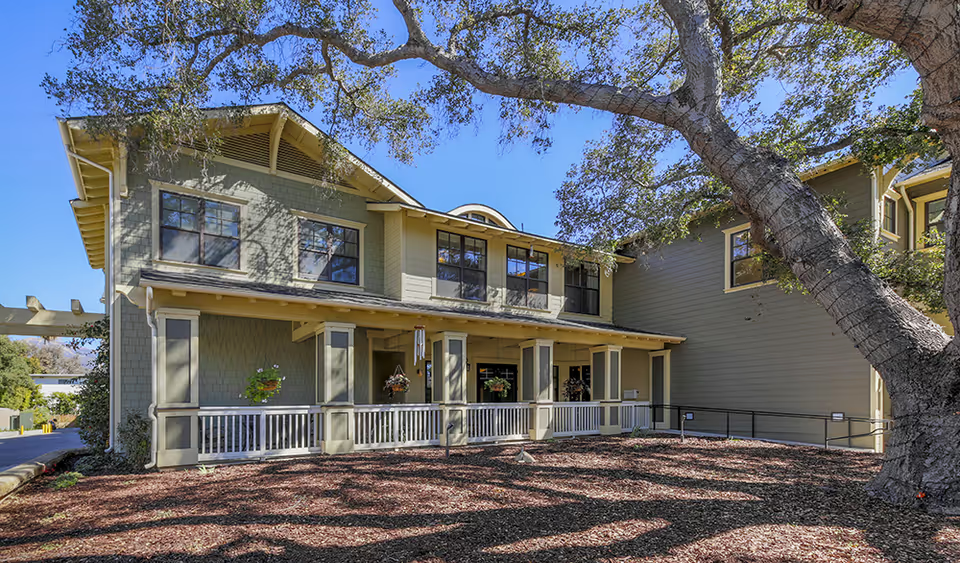
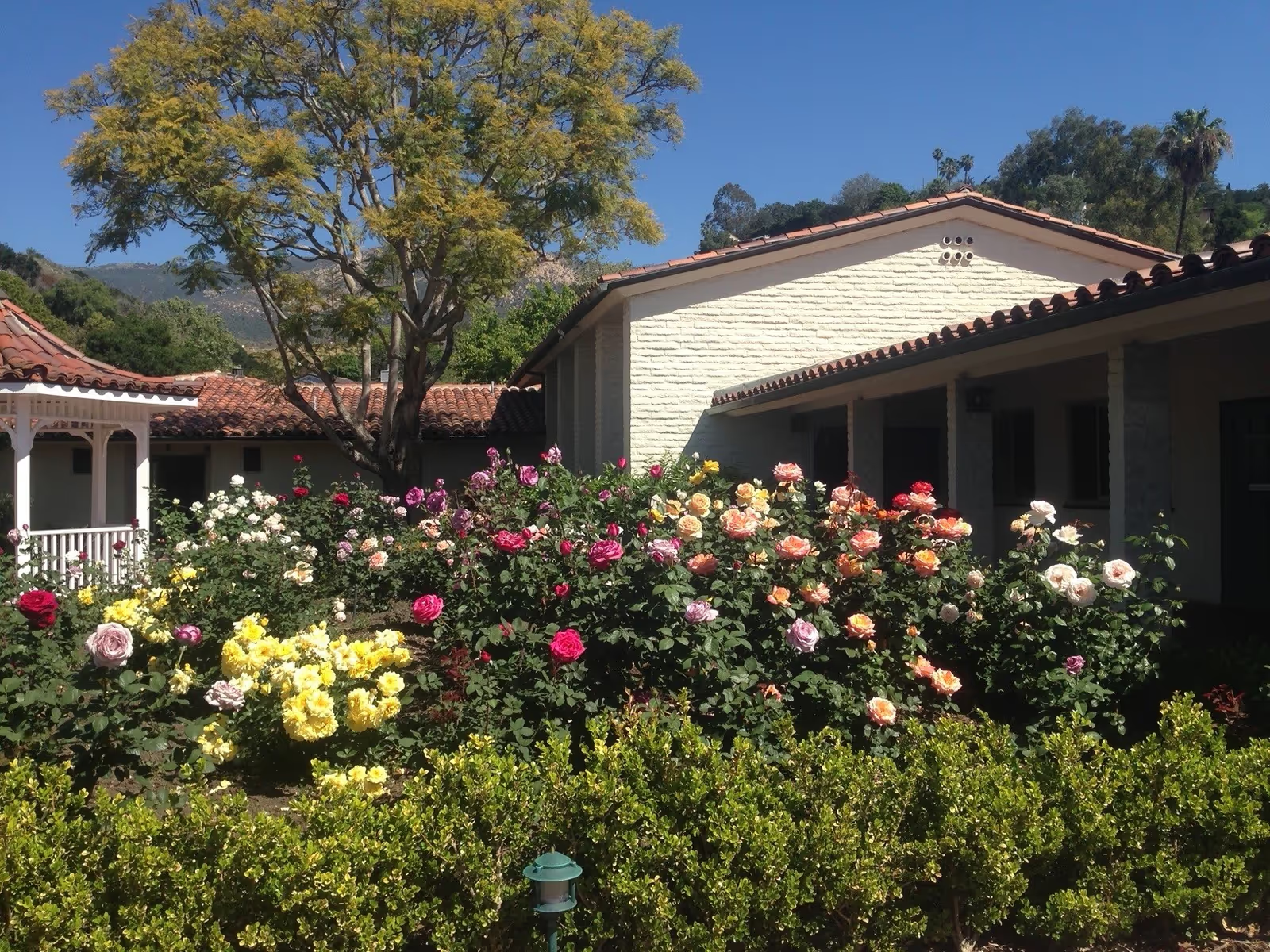
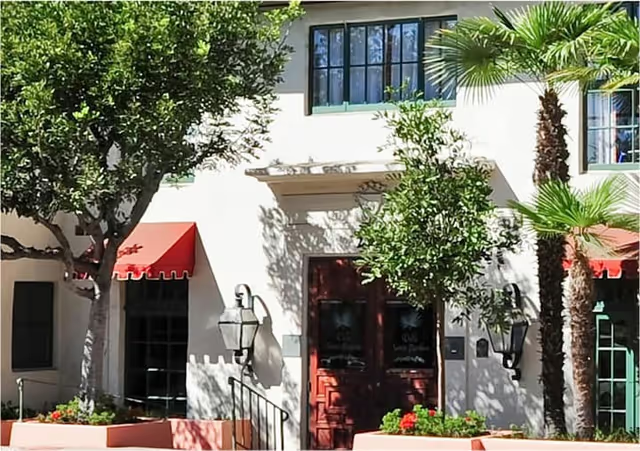
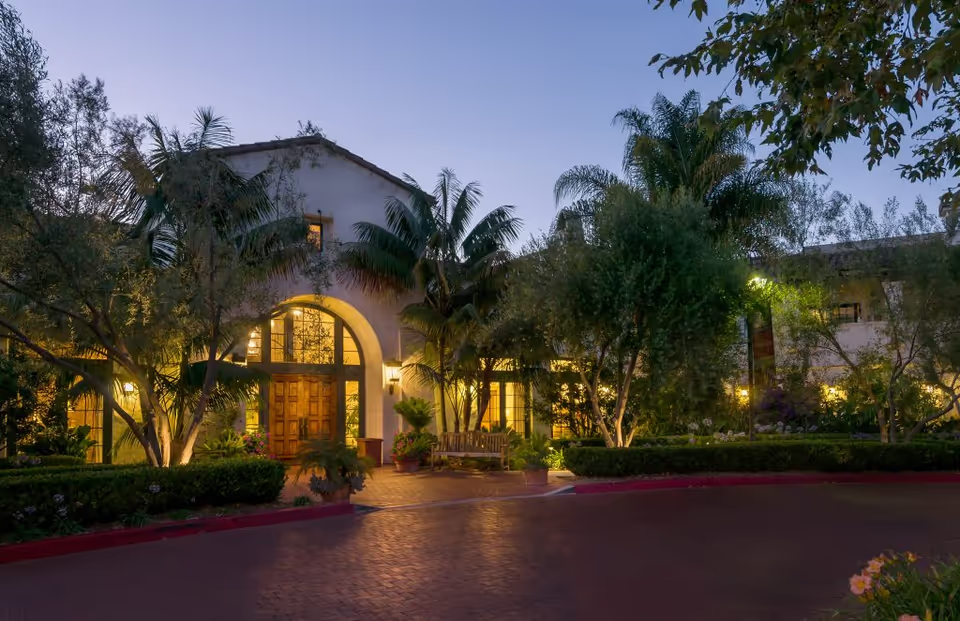
Smith Health Care Center at Covenant Living at the Samarkand elicits a mixed but specific pattern of feedback. Families and reviewers commonly describe the caregiving staff as warm, patient, and personally engaged with residents; several comments emphasize individualized relationships between staff and particular residents. The physical environment and campus received positive remarks, with some reviewers calling the facility exemplary, and dining was characterized as nutritious and generally well received. A few reviewers noted activities as engaging or "muy interesante," suggesting programs that interest residents.
Clinical care impressions are mixed. Some families praised strong medical attention and attentive staff; however, others raised concerns about the facility’s ability to recognize and respond to certain clinical issues. These concerns are best characterized as gaps in clinical assessment and diagnostic recognition rather than an absence of effort: examples cited include missed recognition of a musculoskeletal injury and misunderstandings around pain management. Those comments indicate potential variability in clinical evaluation and follow-up processes.
A recurrent operational theme involves communication and coordination. Reviewers described conflicting information from staff, inconsistent documentation, and difficulties in obtaining clear, timely updates. These patterns point to care-coordination and information-sharing weaknesses that can affect family confidence and continuity of care, particularly when clinical issues or memory-care needs are involved.
Dementia-specific services emerged as an area of concern for some families. The feedback suggests the facility may not consistently meet expectations for residents with progressive memory disorders; prospective residents and families seeking memory-care should request detailed descriptions of assessment protocols, staff training in dementia care, and the unit’s approaches to behavioral and cognitive needs.
In summary, Smith Health Care Center demonstrates several strengths: a compassionate, relationship-focused staff, well-regarded dining, and a generally well-maintained environment. At the same time, prospective residents and families should evaluate the facility’s dementia-care capabilities, clarify clinical-assessment procedures and pain-management protocols, and ask how documentation and family communication are handled to ensure consistency. Meeting with the clinical leadership and observing daily handoff or care-plan practices can help determine whether the center’s operational practices align with a family’s specific needs.