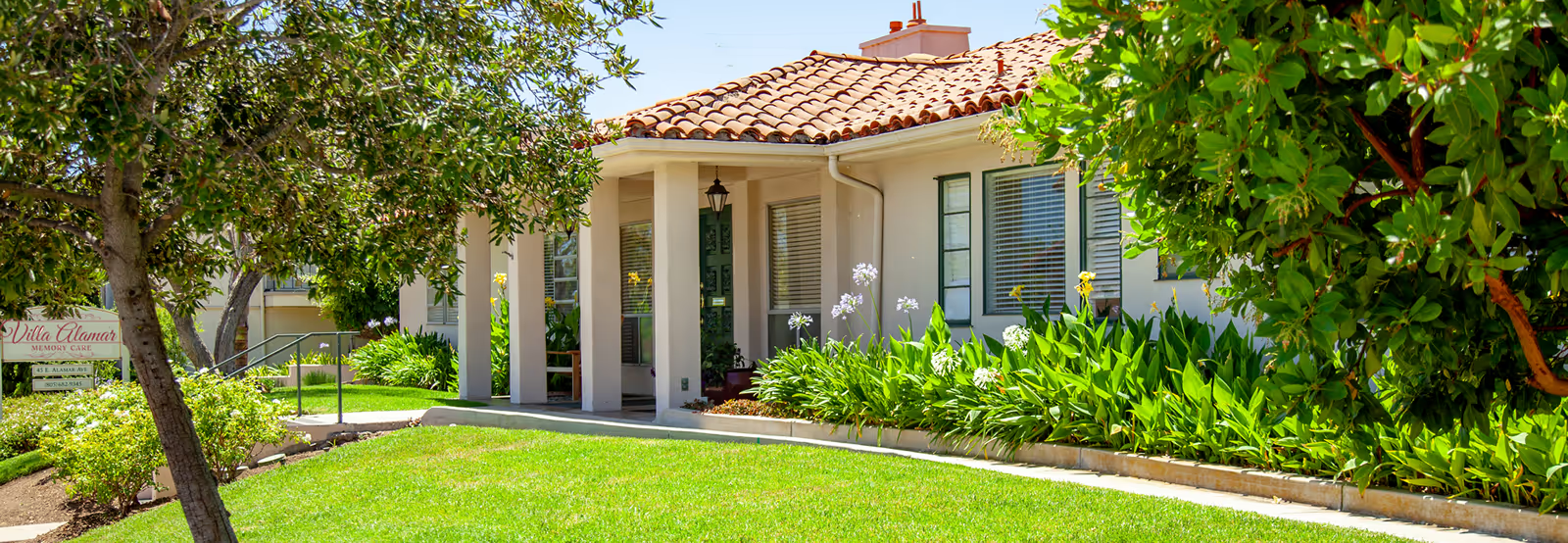
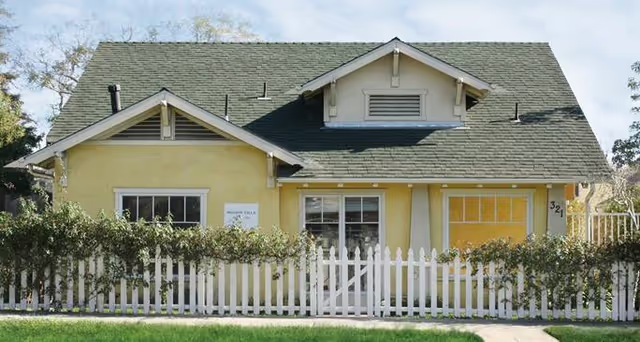
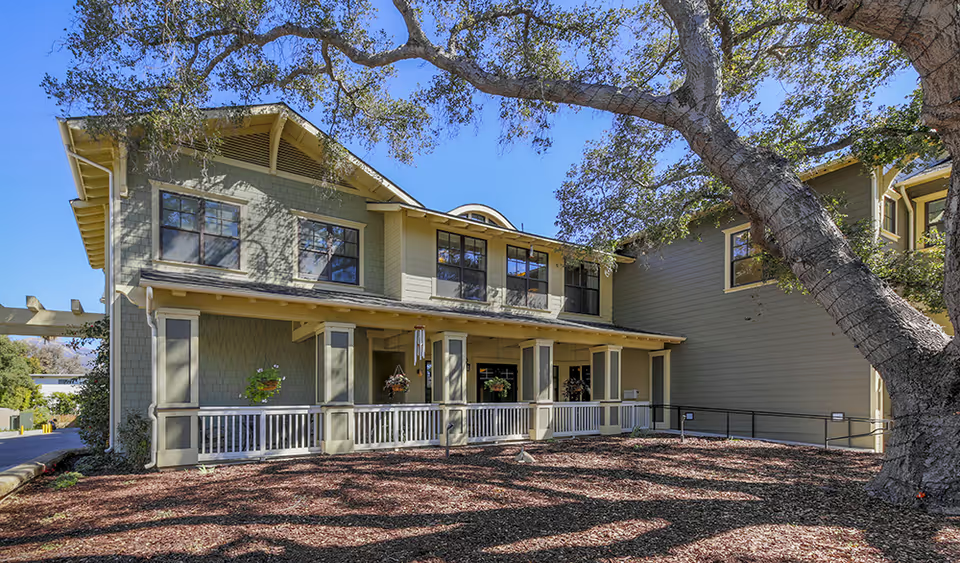
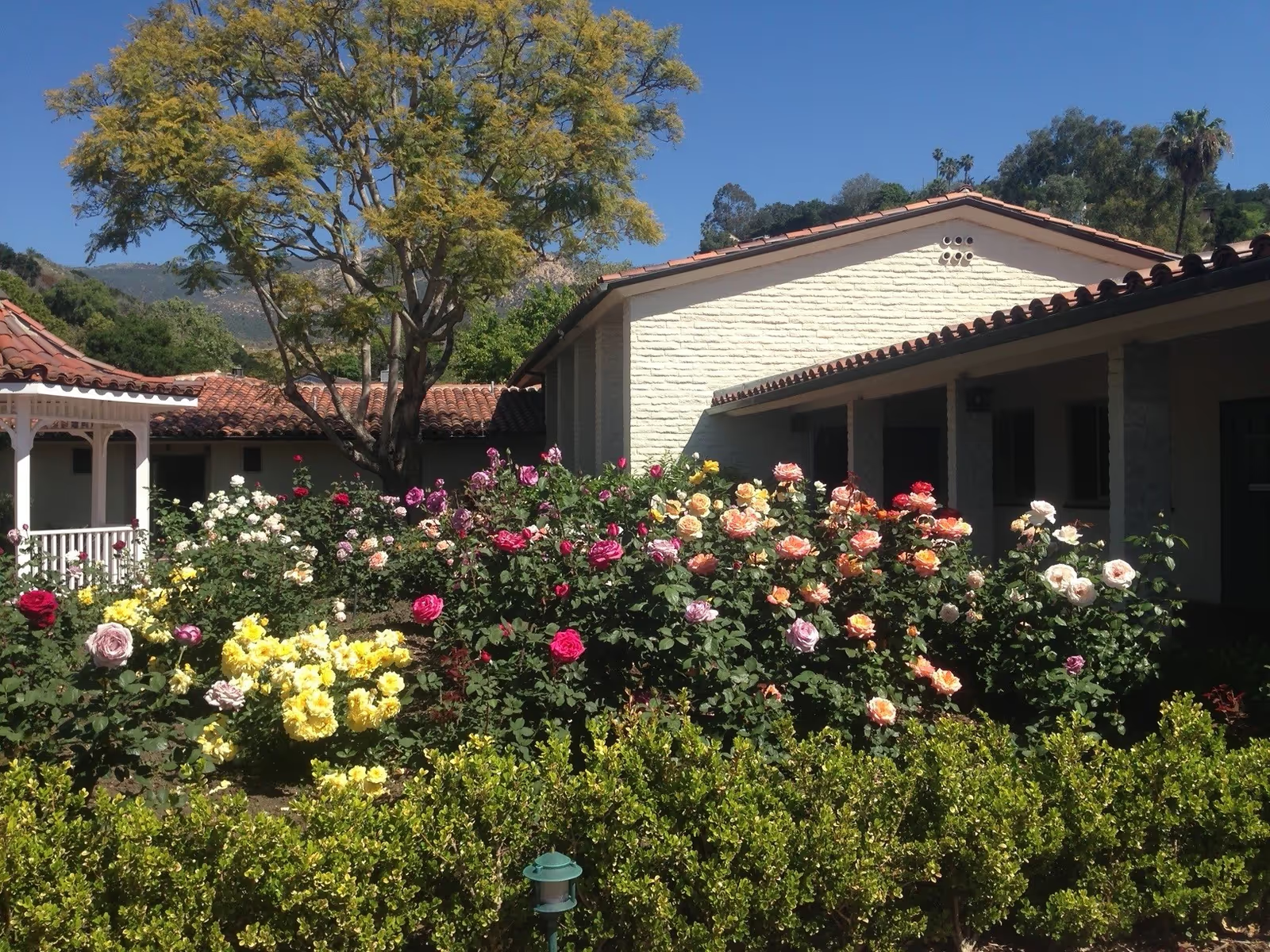
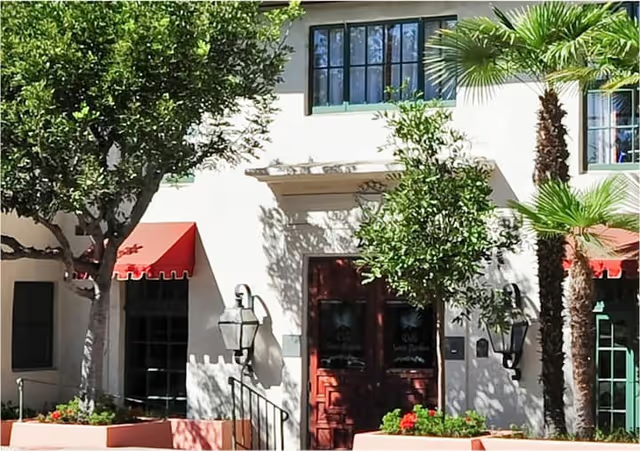
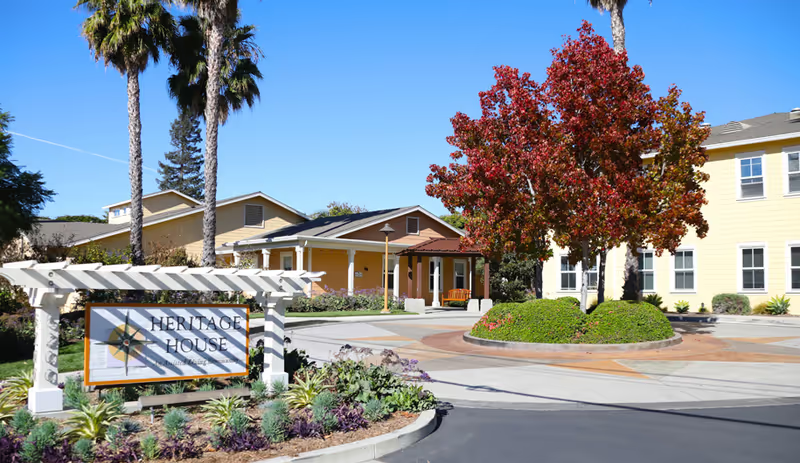
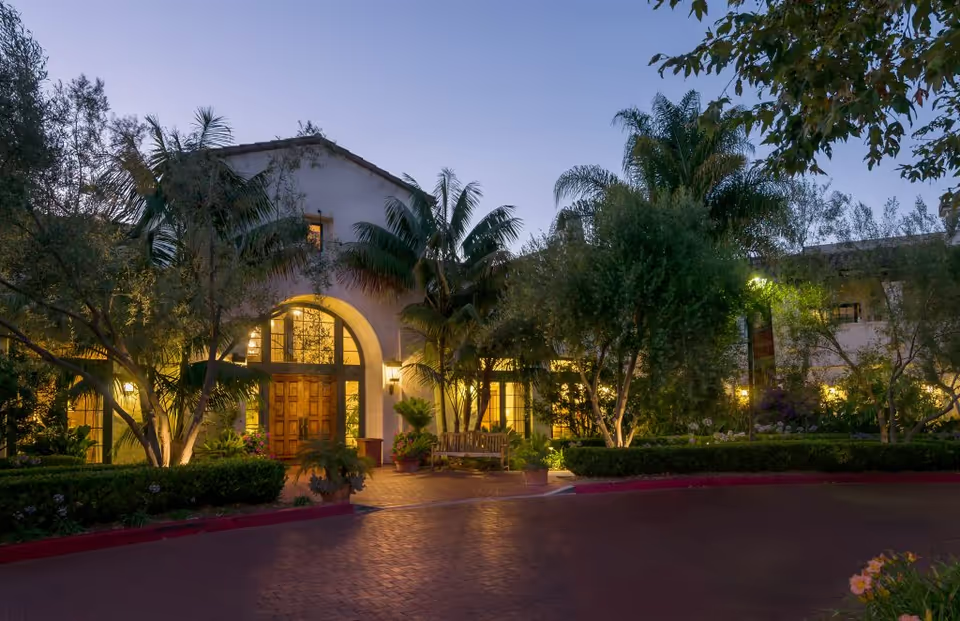
Valle Verde presents as a large, well-appointed continuing-care community with a strong emphasis on campus living, social engagement, and clinical continuity. The property’s 65-acre, garden-like setting, single-story cottages and one-level apartments create a neighborhood feel with ample outdoor walking paths, orchards, gardens, and pet-friendly facilities including a private dog park. Physical amenities are extensive: pool, fitness room, theater, library, woodshop, art studios and multiple dining venues serving varied menus and wine service. The campus layout and landscaping are repeatedly described as carefully maintained and conducive to daily outdoor activity.
Clinical services and direct care are frequently highlighted as core strengths. Valle Verde maintains onsite skilled nursing, memory care, rehabilitation therapy, and 24/7 nursing coverage, which many residents and families characterize as compassionate and competent. Therapy and nursing staff are praised for responsiveness and clinical skill, and families cited good end-of-life and pandemic-era care. At the same time, reviewers describe intermittent lapses in everyday care tasks and service completion (for example, delayed wound care or missed routine tasks), which point to inconsistent frontline execution rather than an absence of clinical resources.
Dining and programming are prominent features. The community offers several dining formats—from casual cafeteria-style service with salad bars to a Grill and bistro-style options—and the menu variety, presentation, and availability of wine at dinner are repeatedly praised. Activity programming is broad and resident-driven, including book groups, holiday events, arts, fitness classes, and off-campus excursions; resident volunteers and governance structures support program development. That said, reviewers also describe operational variability in meal quality and service continuity over time, and acoustic/noise issues in specific dining areas have been noted (mitigation efforts have been reported in some instances).
Operational and management patterns are mixed. Many accounts indicate engaged leadership, a responsive move-in process, active resident governance, and staff who go beyond expectations during crises. However, reviewers also identify persistent operational weaknesses: intermittent communication breakdowns (notably switchboard and phone access), periodic staff-conduct concerns, accessibility constraints for some mobility aids, and design or safety issues in individual kitchens. Cost structure is another consistent theme—buy-in fees and monthly charges are substantial and warrant careful financial consideration for prospective residents.
Overall, Valle Verde’s strengths lie in its robust continuum of care, attractive campus, active resident community, and wide range of amenities. Prospective residents should weigh those strengths against operational variability in frontline service responsiveness, communication systems, space and accessibility constraints for certain unit types, and the community’s cost structure. A focused visit that assesses specific floorplans for size and kitchen layout, in-person observations of dining acoustics and service flow, and targeted questions about phone/switchboard procedures and daily-care protocols will help prospective residents and families evaluate fit and expectations.