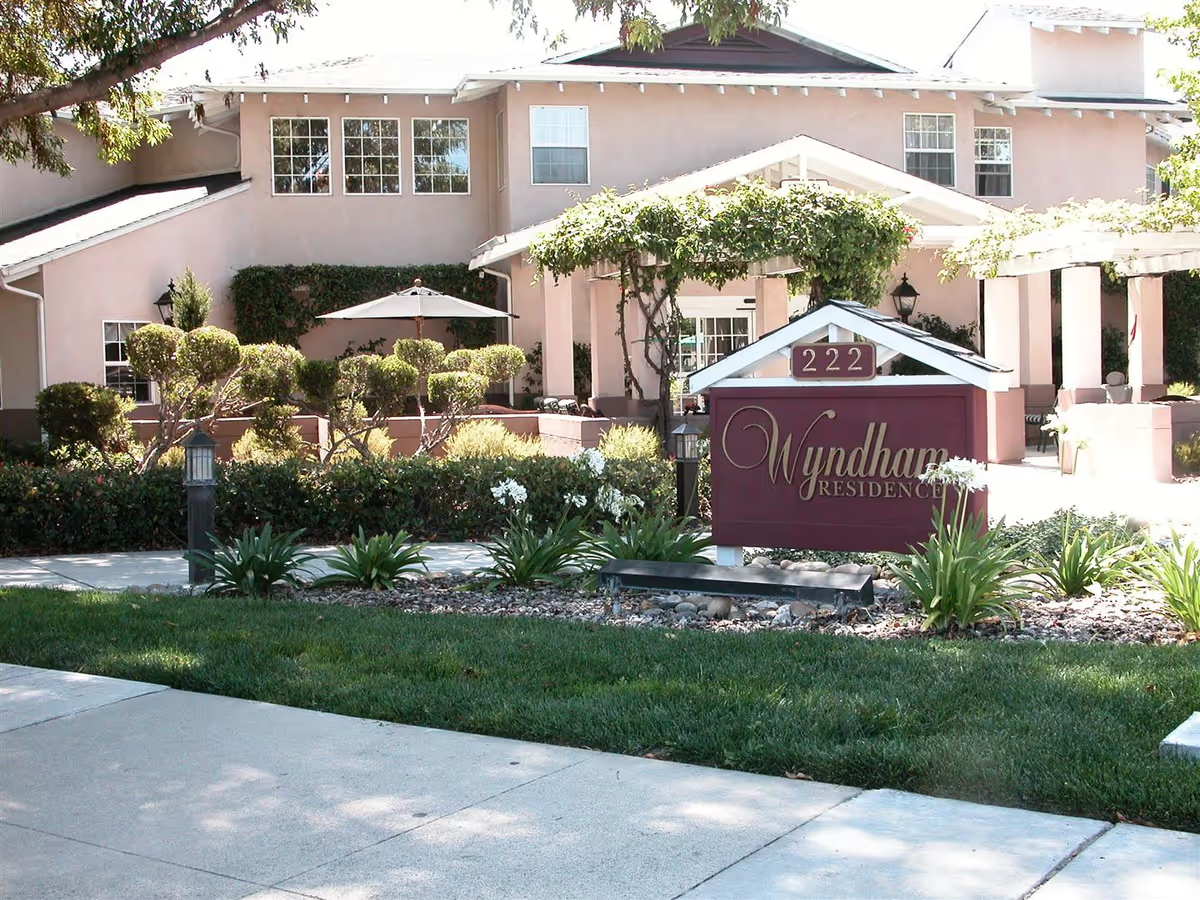
Santa Maria Post Acute presents a mixed but largely positive profile for families seeking short‑term rehabilitation or long‑term residential care. Strengths consistently mentioned include compassionate, family‑oriented staff and attentive nursing teams; many families describe clinicians who are proactive in communication and who coordinate across admissions, nursing, therapy and dietary. Rehabilitation and therapy services (physical and speech therapy) receive particular praise for restoring function and supporting mobility goals. Several accounts highlight effective social‑services involvement and an activities program that encourages engagement through meals and group events, contributing to a homelike, welcoming atmosphere.
Clinical care quality is often described as strong, with reviewers noting prompt responses to clinical issues and examples of effective emergency response. Nursing staff and specific leaders (activity and social‑services personnel) are frequently singled out for individualized attention and thoughtful family communication. The facility’s phone system and regular patient care meetings are viewed positively; families appreciate that calls are answered by a person and that callbacks and quarterly care reviews are available as structured touchpoints.
Areas for improvement emerge around operational consistency and facility logistics. Multiple comments suggest variability in day‑to‑day responsiveness and occasional gaps in oversight, particularly overnight; this pattern implies a need to review staffing levels and supervision during night shifts. Some families experienced limited direct contact options with specific staff (no individual phone/email), and several described administrative redundancy and heavy documentation demands that appear to reduce hands‑on time with residents. Renovation activity, while intended to improve the building, has also been noted as a source of disruption.
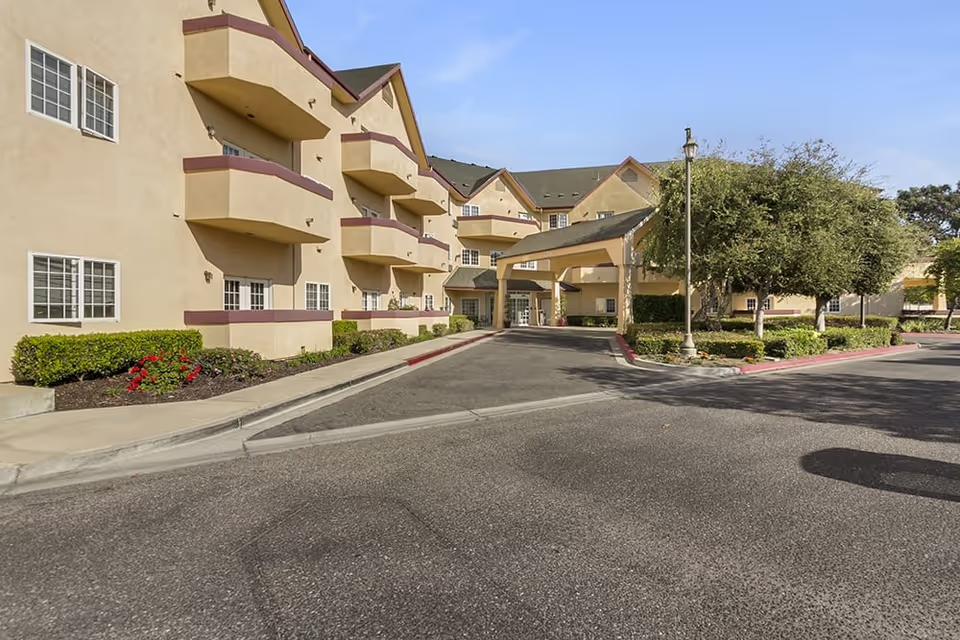
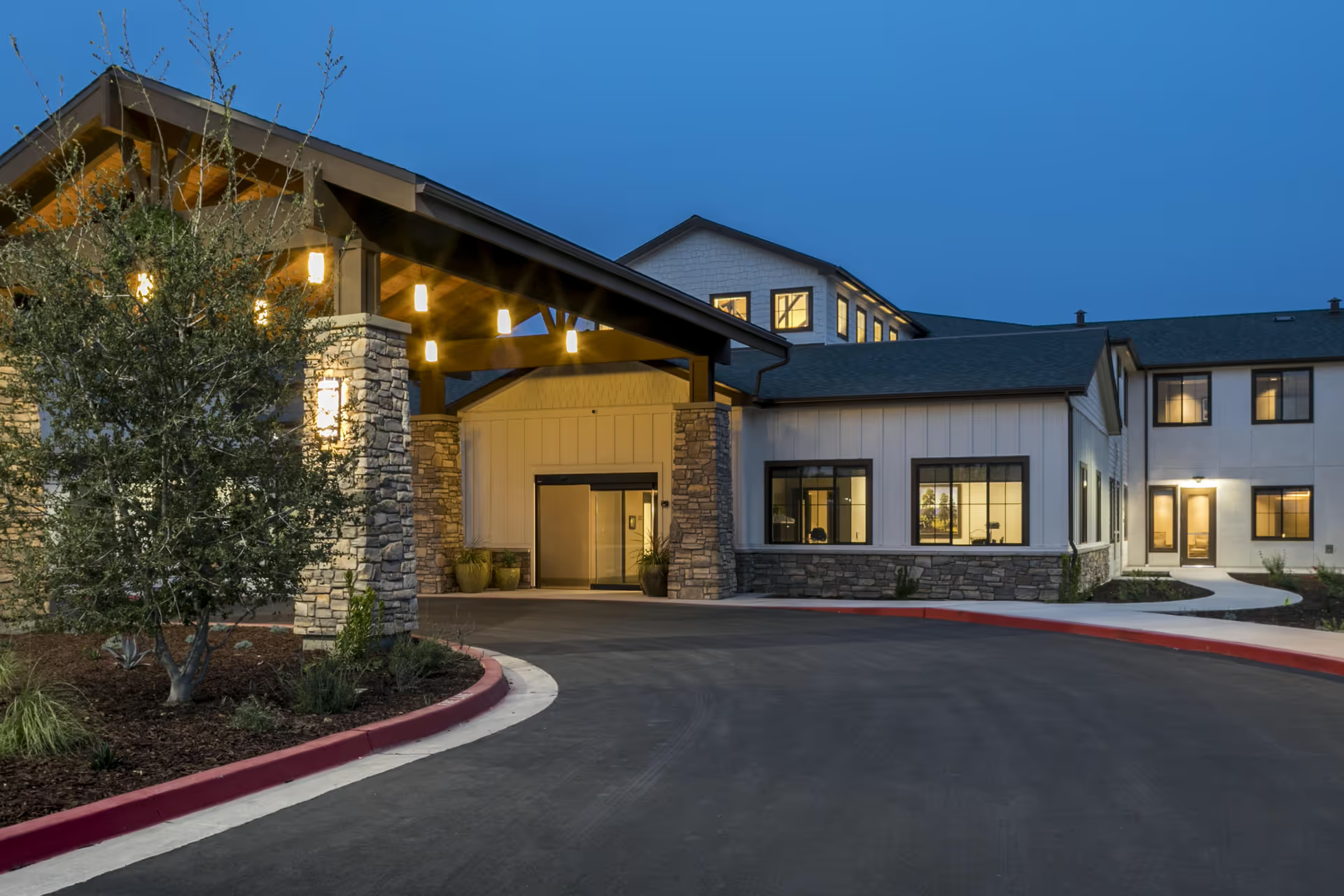
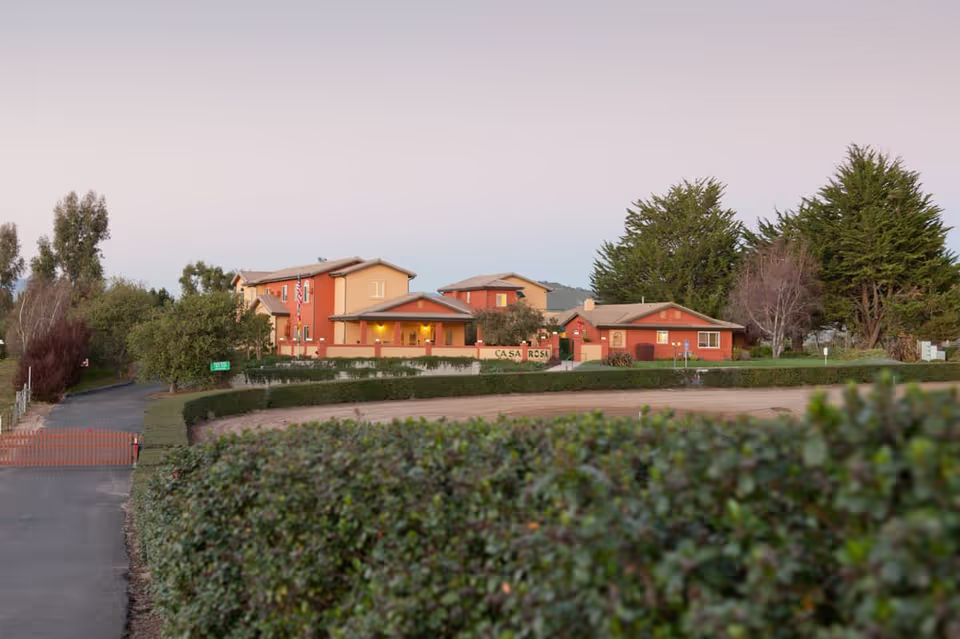
Facility and accessibility issues are mixed in the feedback. Many reviewers describe a clean, well‑maintained interior and a warm atmosphere, while others flag sanitation concerns in certain areas and specific bathroom accessibility limitations. There are also serious interpersonal concerns raised by a small number of accounts, including allegations of discriminatory remarks and safety‑related incidents; these comments suggest the facility should reinforce staff training on resident conduct, cultural sensitivity, and incident prevention and reporting.
In summary, Santa Maria Post Acute demonstrates clear strengths in rehabilitation, interdisciplinary care coordination, and creating a home‑like environment with engaged activity programming. Prospective residents and families should weigh these strengths against noted operational weaknesses—particularly variability in overnight supervision, limitations in direct staff contact, documentation practices that may reduce bedside time, and accessibility or sanitation issues in parts of the facility. Families valuing robust therapy services and a warm, community feel are likely to view this facility favorably, while those prioritizing consistently high staffing levels at all hours and more direct staff access may wish to discuss those specific concerns with management before placement.