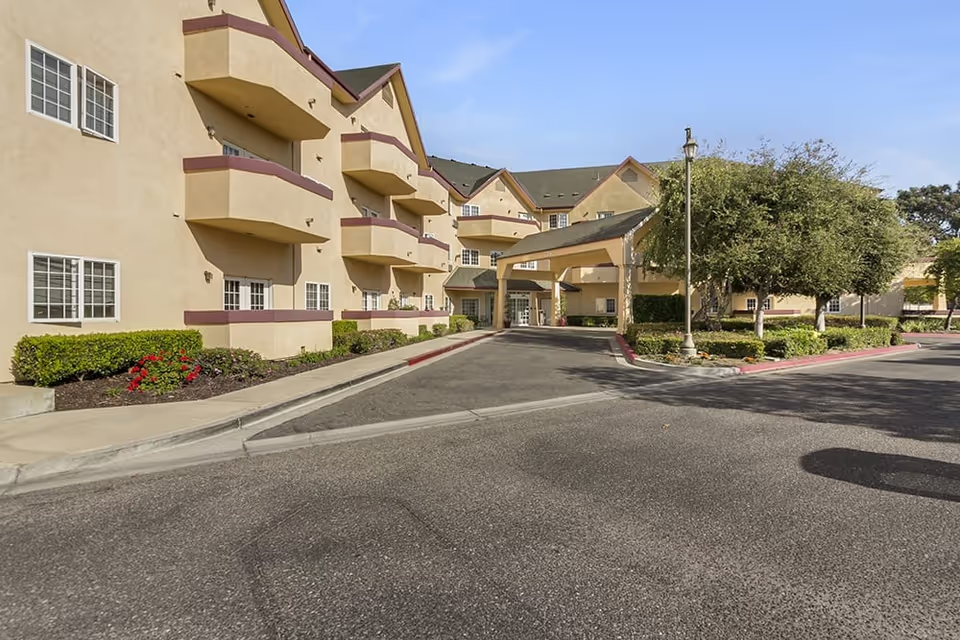
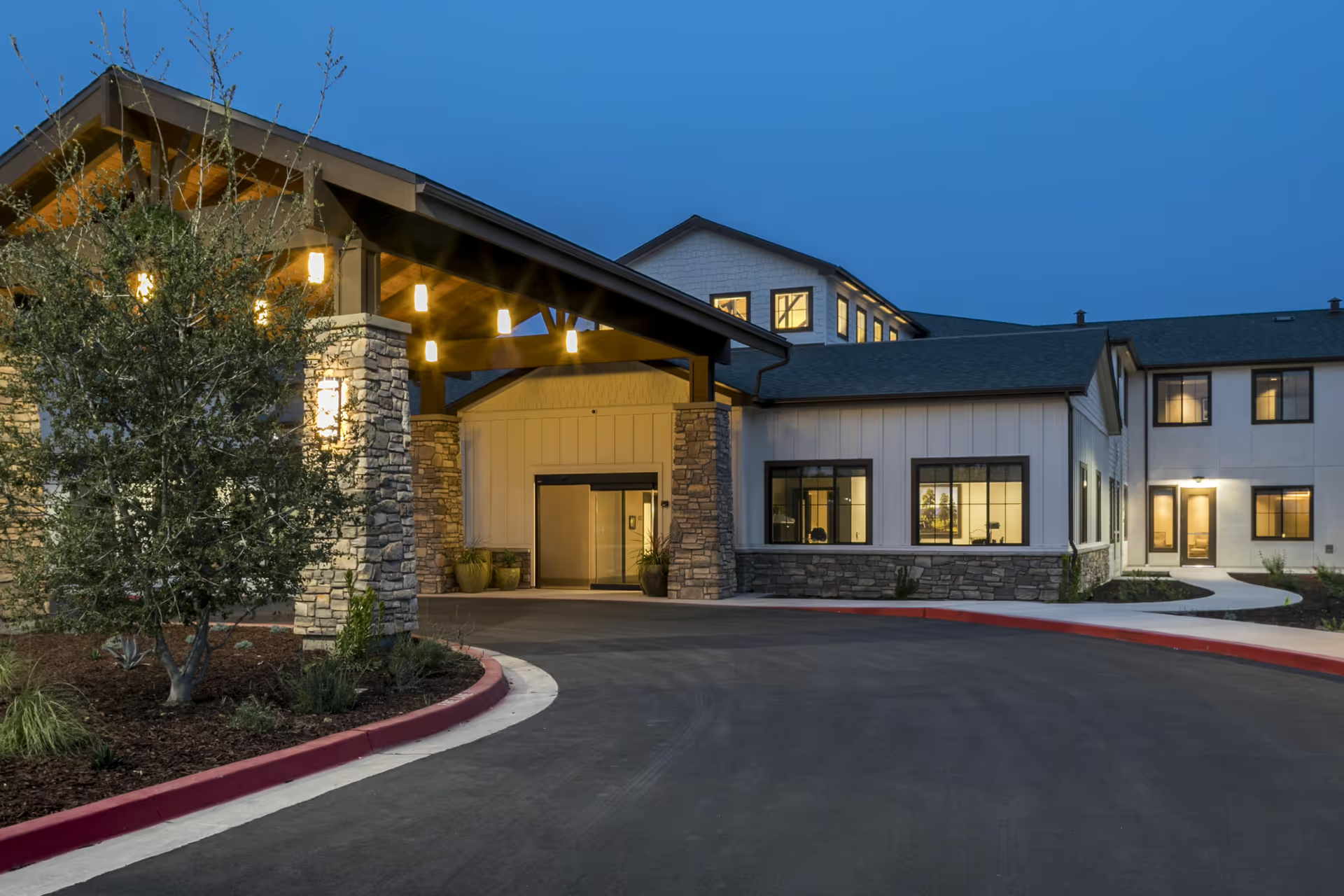
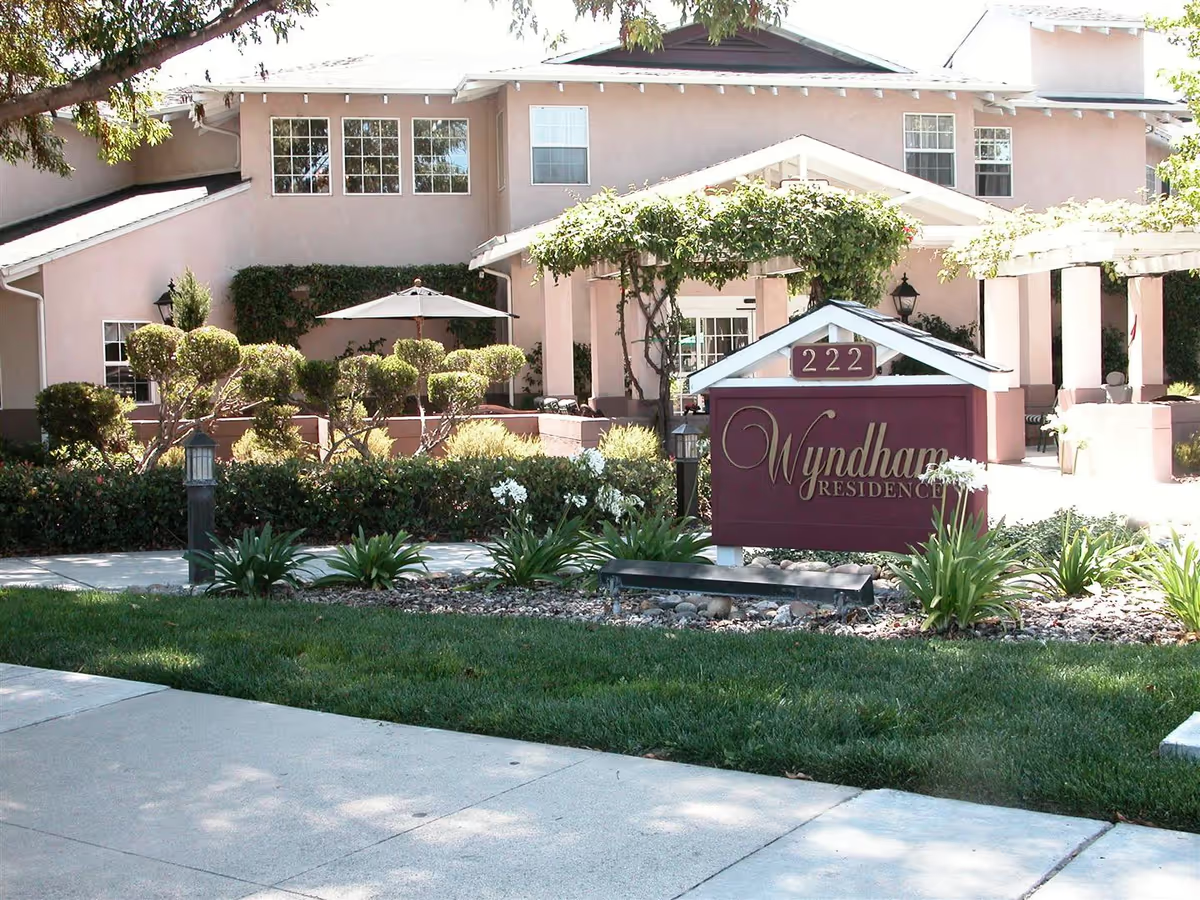
Tina's Gentle Care Homes II appears to operate as a small-scale, home-like residential provider: two separate houses, each with about six residents, in a newer neighborhood. Review language emphasizes well-kept, attractive residences and clean, open common spaces. The setting and household size suggest an emphasis on a residential rather than institutional model of care, which supports close social interaction among residents and a quieter environment.
Care quality and clinical scope are consistent with a non-clinical residential approach. Review details note that injections are not administered on-site, indicating limited on-site medical interventions. For prospective residents who require routine clinical procedures or higher-level medical oversight, this model may not meet those needs; conversely, it may suit people seeking supportive, non-medical assisted living in a domestic setting. Staff-related remarks focus on personable leadership — the director is described as very sweet — and comfortable, respectful resident-to-resident interactions, which suggests a positive interpersonal environment.
There is limited specific information about dining and structured activities in the available summaries. The small-household format and comments about comfortable interactions imply opportunities for informal socialization and peer engagement; however, prospective families should ask for details on meal service, menu planning, therapeutic programming, and an activities calendar to confirm fit. Similarly, documentation on staffing levels, medication administration protocols, and clinical oversight was not detailed and should be requested during a tour.
Management and operational patterns described include small capacity and current full occupancy, which affects immediate availability. Pricing is noted to vary, with a baseline in the mid-two-thousands; families should verify current rates and what services are included. Overall, Tina's Gentle Care Homes II may be appropriate for individuals seeking a clean, home-like environment with close interpersonal connections and limited clinical needs. Those requiring regular injections, significant medical services, or expansive program offerings should evaluate clinical capabilities and alternative providers. Key follow-up questions for visits include clinical services offered, staffing ratios, dining and activities schedules, waitlist procedures, and a clear breakdown of costs and inclusions.