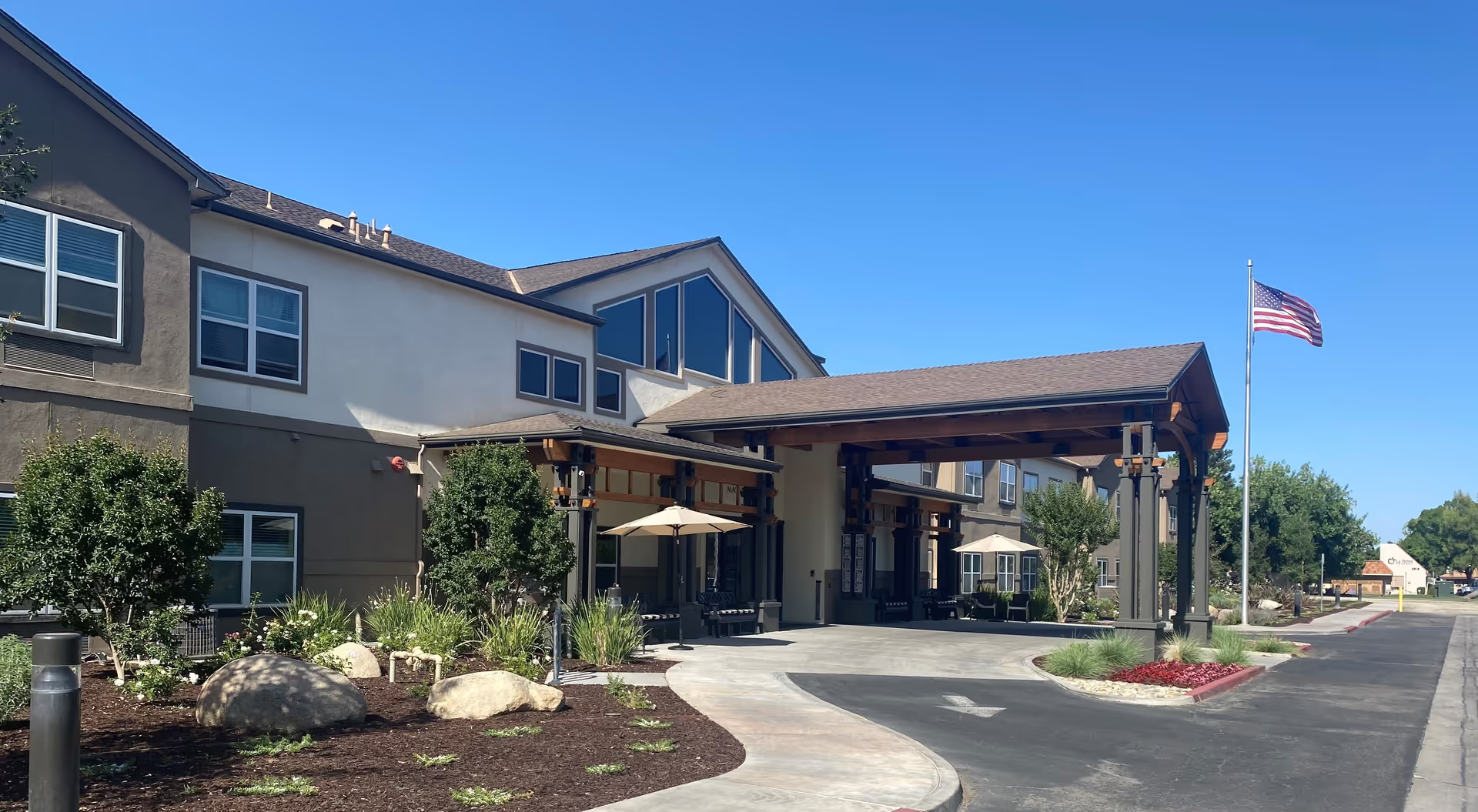
The reviews for Golden LivingCenter - Shafter present a mixed picture. Many families highlight compassionate, skilled direct-care clinicians — nurses, CNAs, and rehabilitative therapists receive frequent praise for attentive, considerate care and effective therapy. Several reviewers indicated improvements under newer management, including a cleaner environment and staff members who were responsive and helpful. At the same time, multiple serious operational concerns emerge across reviews that prospective families should weigh.
Care and staff: Direct-care teams are often described as caring and effective; rehabilitation and habilitation staff in particular are cited for good outcomes. However, there are repeated accounts of inconsistent responsiveness from certain shifts, especially nights, and instances described as delays in attending to residents. There are also concerns about medication-management practices used to control behaviors rather than nonpharmacologic interventions. These patterns suggest variability in shift-to-shift performance and in clinical practice standards.
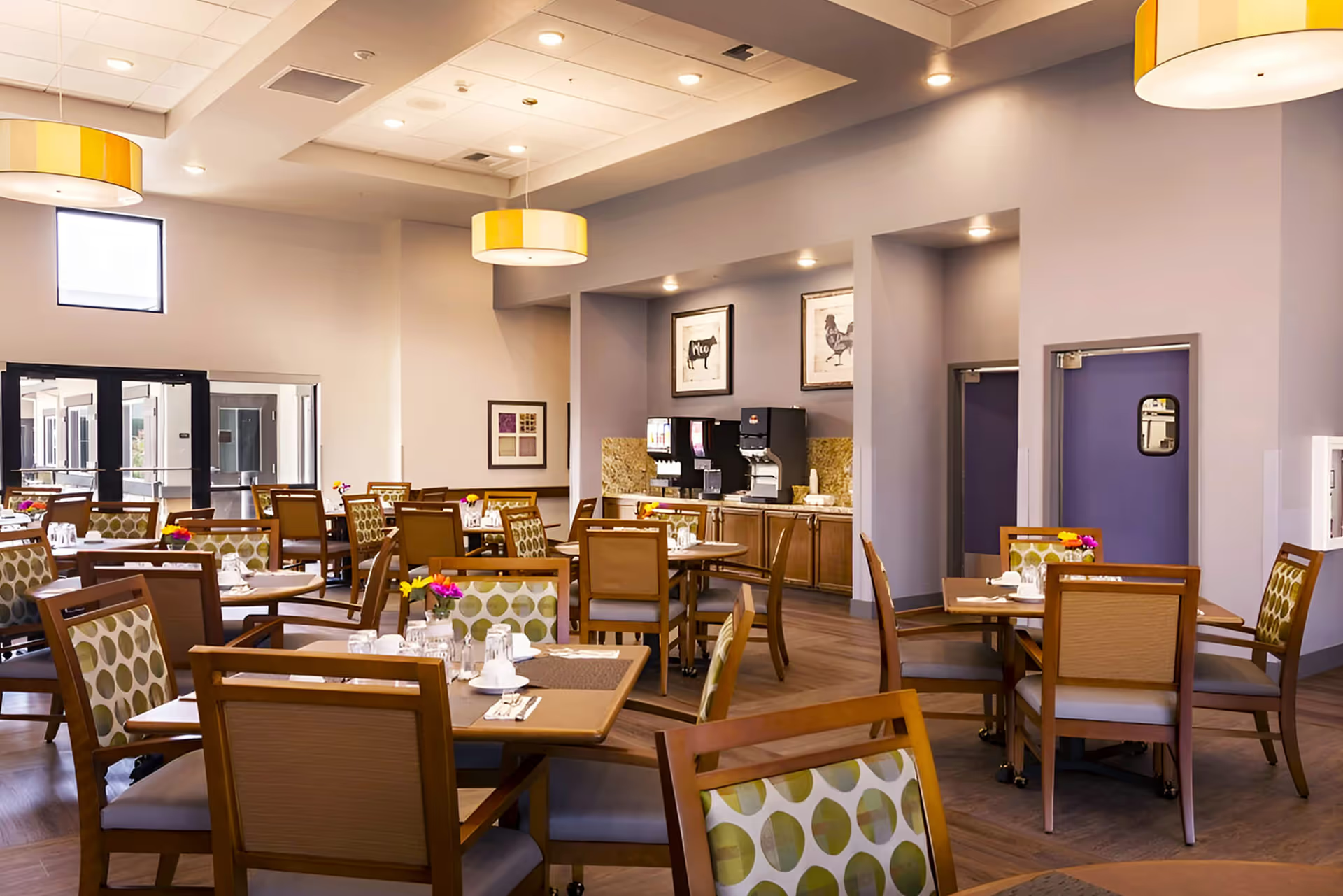
Dining and activities: Food quality is described inconsistently — some families report generally good meals while others cite sparse portions and unappealing menu items. Activity programming exists and is noted positively by some families, but dementia-specific engagement appears limited or inadequate for residents who would benefit from structured cognitive and sensory activities. This indicates a gap between general programming and targeted dementia care offerings.
Facilities and safety: Several reviews point to sanitation and odor concerns in particular areas, along with specific contamination and pest-control worries related to laundry and linens. Infrastructure issues are also noted: an older building with HVAC and air-conditioning deficiencies, rooms and common areas needing cosmetic maintenance, and cafeteria furnishings in need of replacement. Safety and transfer practices raise concern as well; reviewers referenced the facility’s proximity to a railroad and described lapses in transfer coordination and discharge notification that could affect resident safety.
Management and communication: Communication and administrative responsiveness are consistent themes. Families describe poor phone responsiveness, delayed or absent callbacks, and inadequate notification about hospital transfers or other clinical changes. There are also reports alleging theft by staff and statements or behaviors by leadership that raise concerns about priorities and transparency. These items point to systemic weaknesses in leadership oversight, incident follow-up, and family engagement processes.
Notable patterns and considerations: The overall pattern is one of strong individual caregivers working within a facility that shows uneven operational performance. Positive experiences frequently tie to specific staff members or recent management changes, while negative experiences cluster around administrative communication, cleanliness in some areas, and safety/transfer coordination. Serious allegations such as staff theft and questionable medication practices have been raised; these constitute high-priority issues for verification through regulatory records or direct inquiry with facility leadership.
Recommendations for families: Visit during multiple shifts (including evenings/nights), ask about dementia-specific programming, request written protocols for medication management and transfers, document communication attempts, and inquire about recent corrective actions taken by management. If serious concerns are suspected, consider contacting state licensing or ombudsman resources to review incident histories and verify actions taken by the facility.