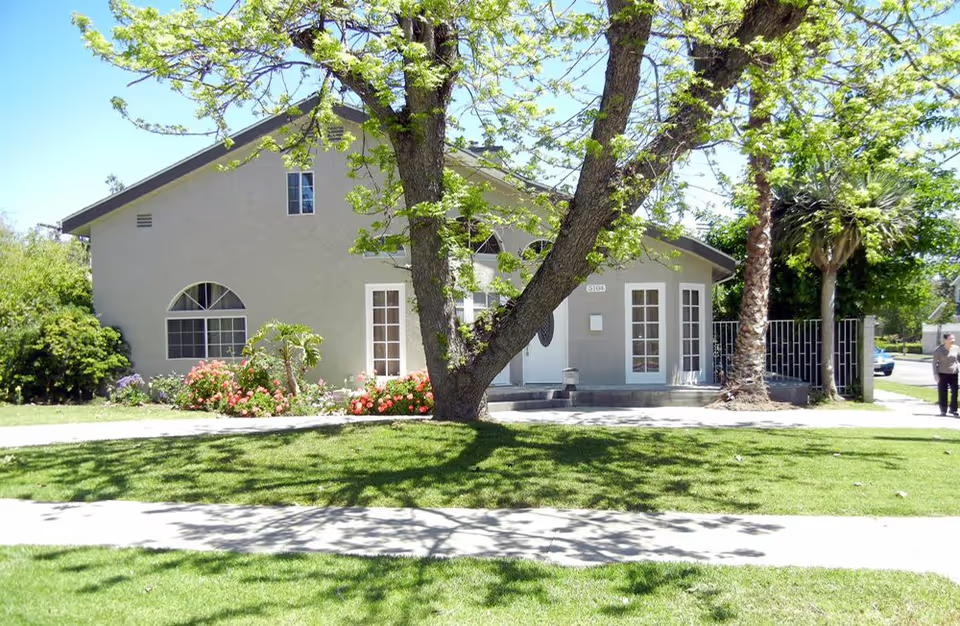
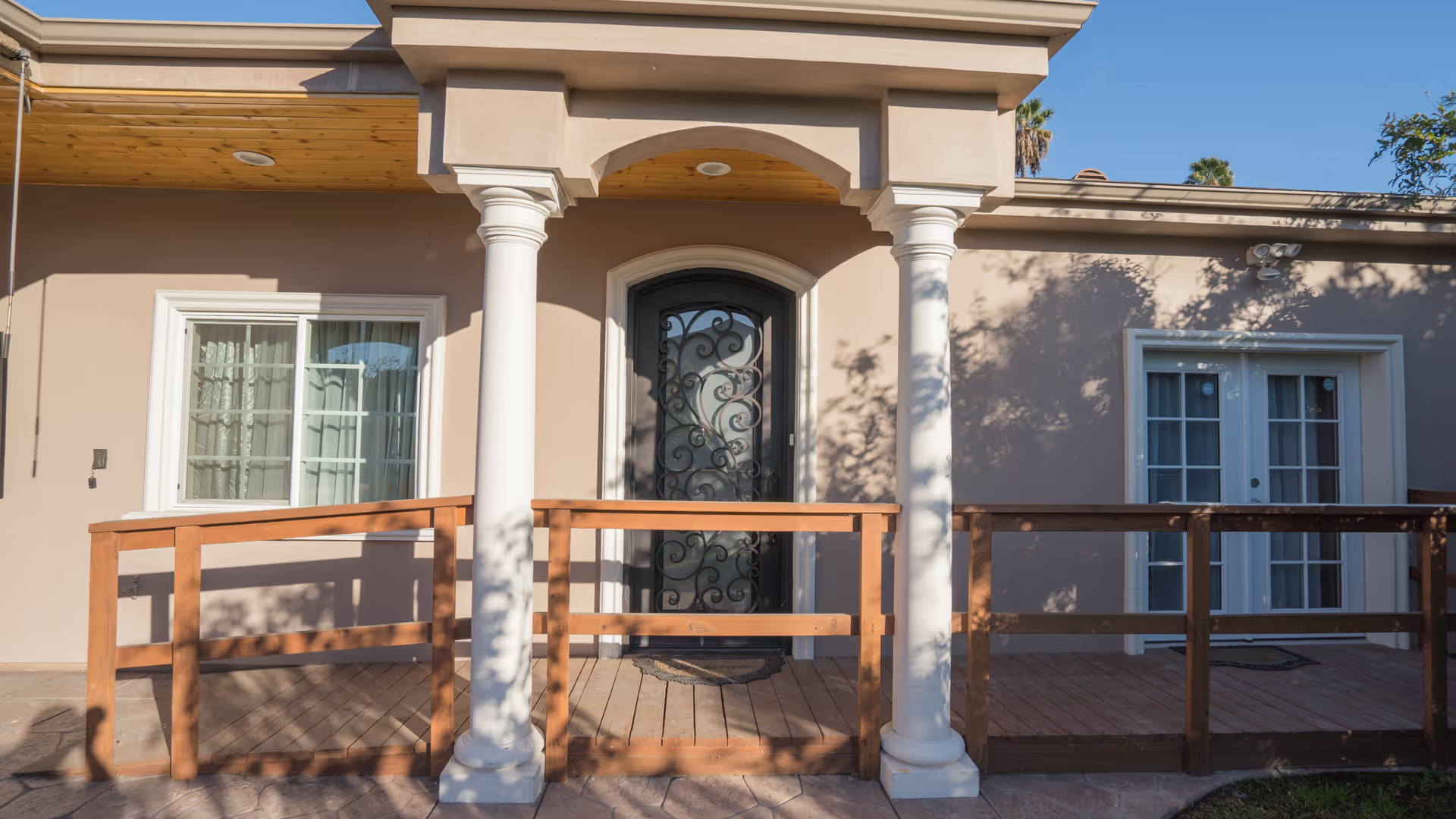
Reviews describe a facility with a pronounced divide between strong rehabilitation and activity services and inconsistent nursing and room-level care. Many families praise the therapy teams (PT/OT) and specific therapists and nurses for measurable mobility gains, effective wound care, and a compassionate approach; the facility’s activity program and some amenities such as upgraded showers, visiting patios, and pet-therapy initiatives are also commonly cited as positive contributors to resident quality of life. Public spaces and some clinical areas are described as clean and well-presented, and several accounts note an accessible administration and engaged therapy leadership.
At the same time, a significant set of concerns recurs across accounts. There is notable variability in day-to-day nursing and aide performance: reports range from attentive, kind caregivers to staff who are slow to respond or appear insufficiently trained for complex clinical needs. Staffing shortages and workload pressures are described as contributing factors to delayed assistance, inconsistent hygiene and room cleanliness at the bedside, and irregular assistance with activities of daily living. Several narratives raise specific clinical-process concerns including inconsistent physician rounds, gaps in clinical monitoring and medication oversight, and dietary management issues that can increase aspiration risk for vulnerable residents.
Operational weaknesses are also highlighted. Communication with families and the facility’s complaint-resolution practices are frequently described as unsatisfactory; some reviewers cite difficulty obtaining clear explanations after adverse events. Transfer and mobility procedures have been questioned, with accounts indicating incidents during transfers and inconsistent use of safe-transfer protocols. Security and emergency-preparedness are raised as issues by multiple sources, and language barriers among staff create occasional communication challenges. Additional practical concerns include inconsistent handling of resident belongings and potential infection-control vulnerabilities related to room-sharing and testing practices.
Taken together, the pattern suggests a facility that offers strong rehabilitative programming and meaningful activities but presents inconsistent performance in core nursing, safety, and operational oversight. Prospective residents and families would likely benefit from direct inquiries prior to admission: ask about current staffing ratios (day and night), specific clinical protocols for transfer safety and aspiration prevention, physician rounding frequency, infection-control and roommate-testing policies, language-capability support, and the facility’s process for handling family concerns and clinical incidents. Observing mealtime service, visiting common areas, and meeting key therapy and nursing staff can help assess whether the facility’s strengths meet an individual resident’s clinical and personal needs.