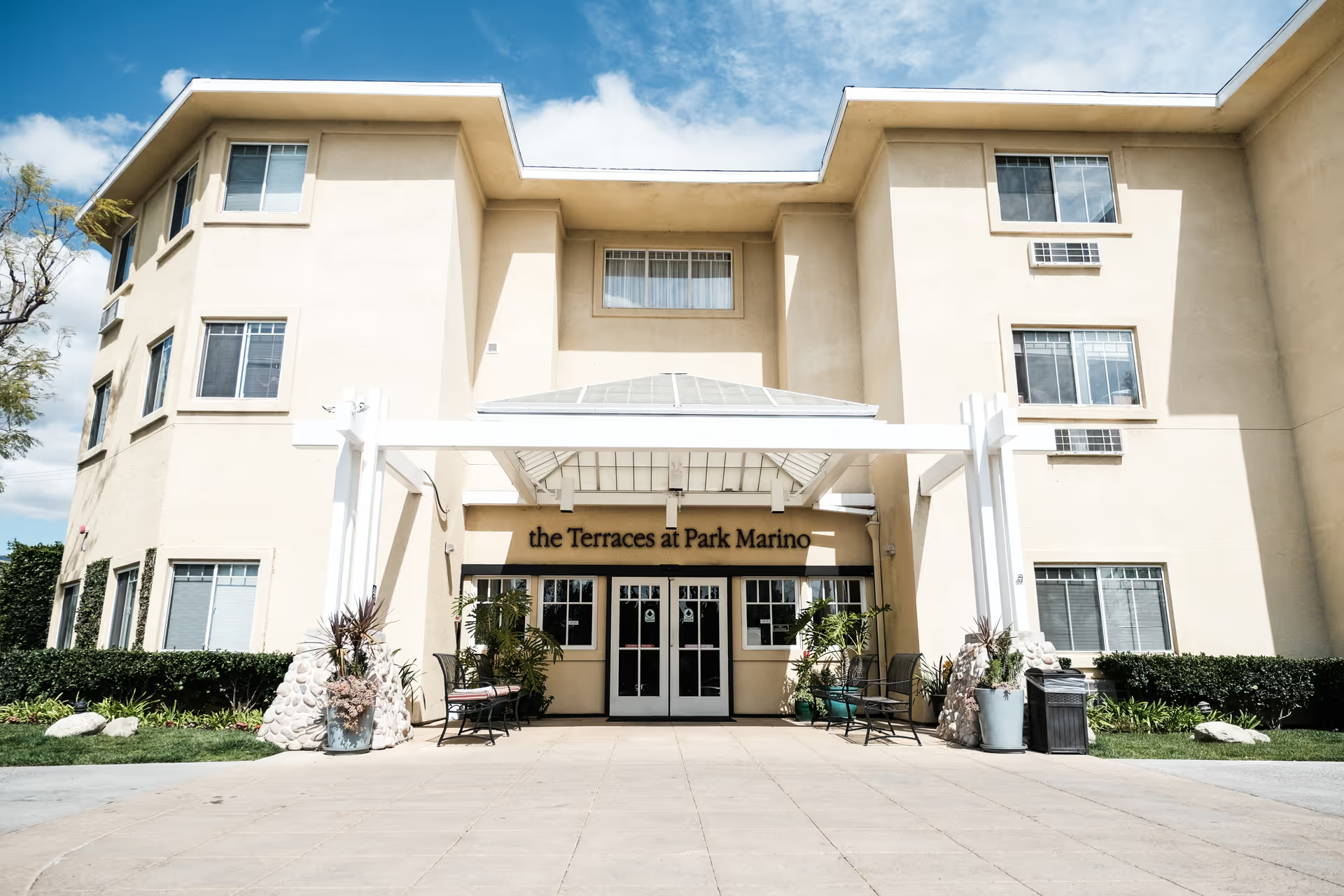
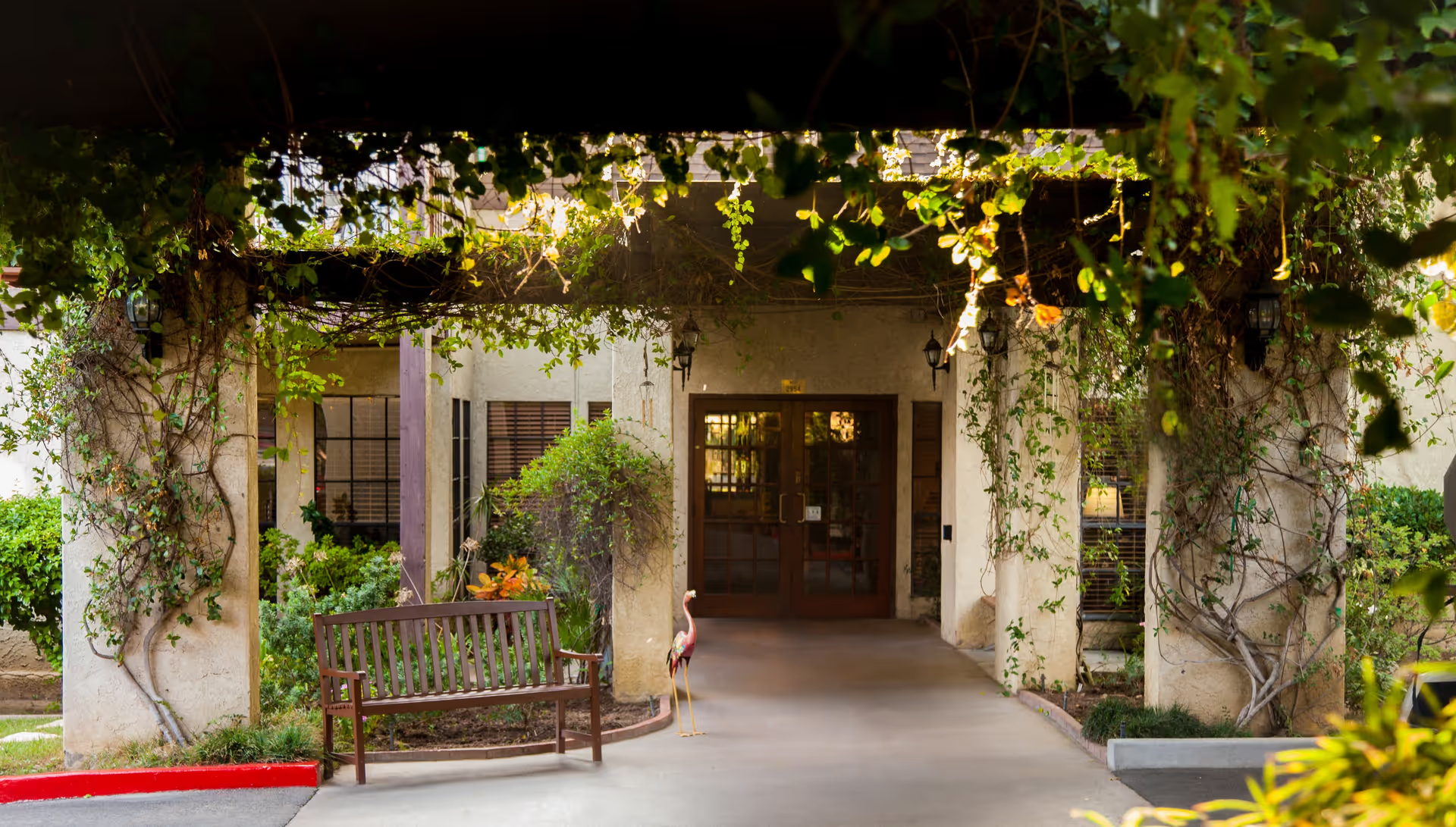
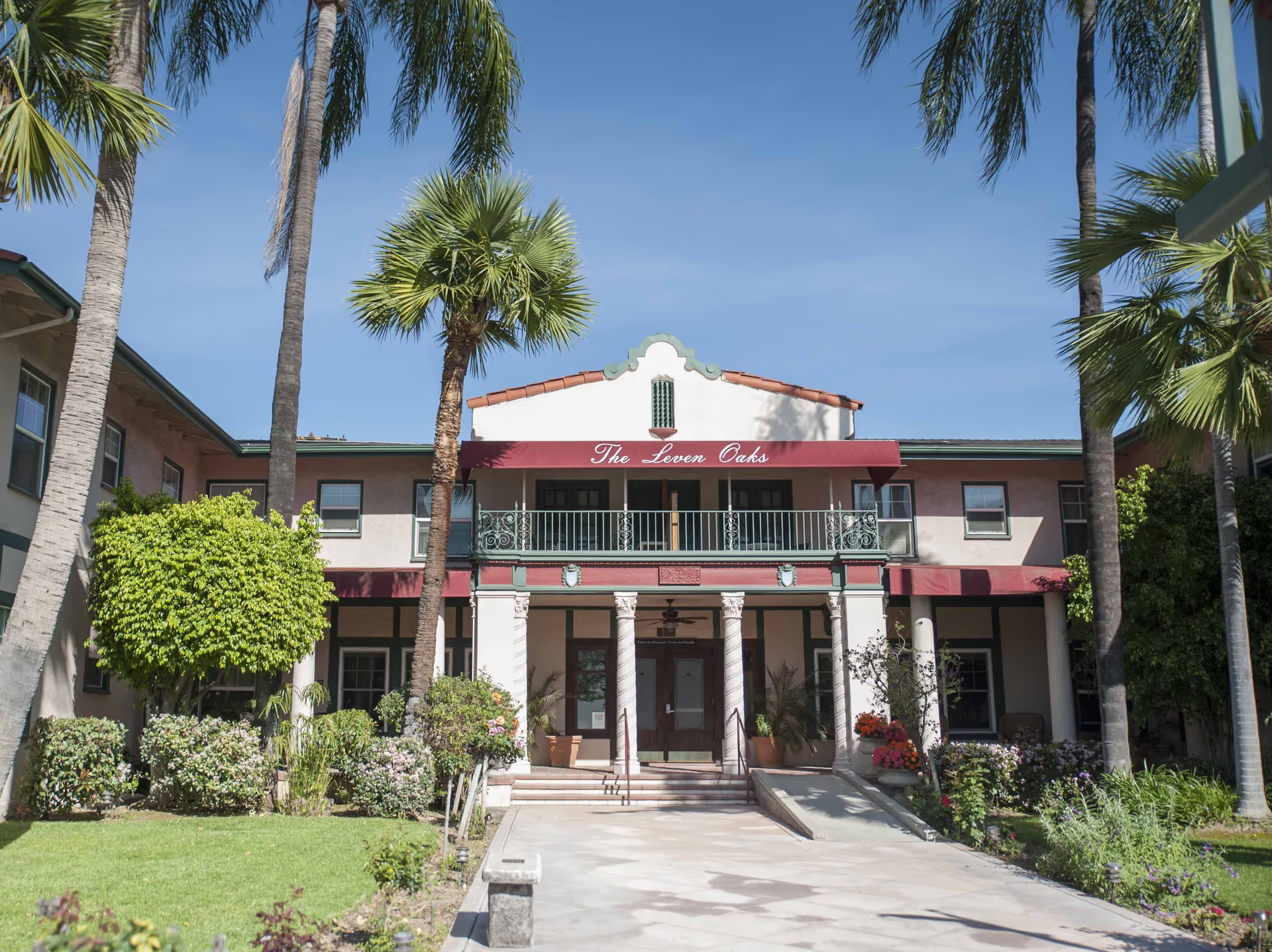
The Kensington Sierra Madre is consistently described as an upscale, well-appointed senior living community with a strong emphasis on memory care and life enrichment. Reviewers praise the campus aesthetics, landscaping and interior design, and many highlight specific amenities such as a movie theater, salon, on-site physical and occupational therapy, multiple dining venues, patios with views, and a calendar of live music, outings and holiday events. For families seeking dementia-focused care, the community's adoption of person-centered approaches (including Teepa Snow’s Positive Approach to Care) and a structured memory-care model are frequently cited as important strengths.
Staff quality is the most frequently lauded element. Caregivers, nurses and life-enrichment teams are described as warm, attentive and skilled; many reviews single out individual employees for exemplary care and communication. Families report that frontline staff know residents personally, support meaningful engagement, and respond promptly in routine and emergency situations. The facility is also credited with a positive workplace culture that supports staff retention and continuity, which repeatedly appears to benefit resident experience.
Dining and activities receive strong positive comments: restaurant-style meals, varied menus, well-presented entrees and desserts, and robust social programming are repeatedly noted. Life-enrichment offerings include daily programming, musical performances, field trips to museums and gardens, seasonal events and family-focused celebrations. Residents and families report improved quality of life when residents participate in these programs.
Despite broad praise, reviewers also identify operational weaknesses. The most common concerns involve clinical communication and continuity: families described inconsistent documentation, delayed diagnostic follow-up, missed or delayed execution of wound-care and physician orders, and variable responsiveness from the nurses’ station. Several comments indicate lapses in medication processes and at least one reviewer made an allegation of inappropriate medication use—an isolated but serious claim that reviewers and prospective families may wish to verify with the provider and regulatory records. Shift-to-shift handoff issues and occasional mistakes in medication delivery or identification were also referenced, suggesting opportunities to strengthen clinical workflows and handoff protocols.
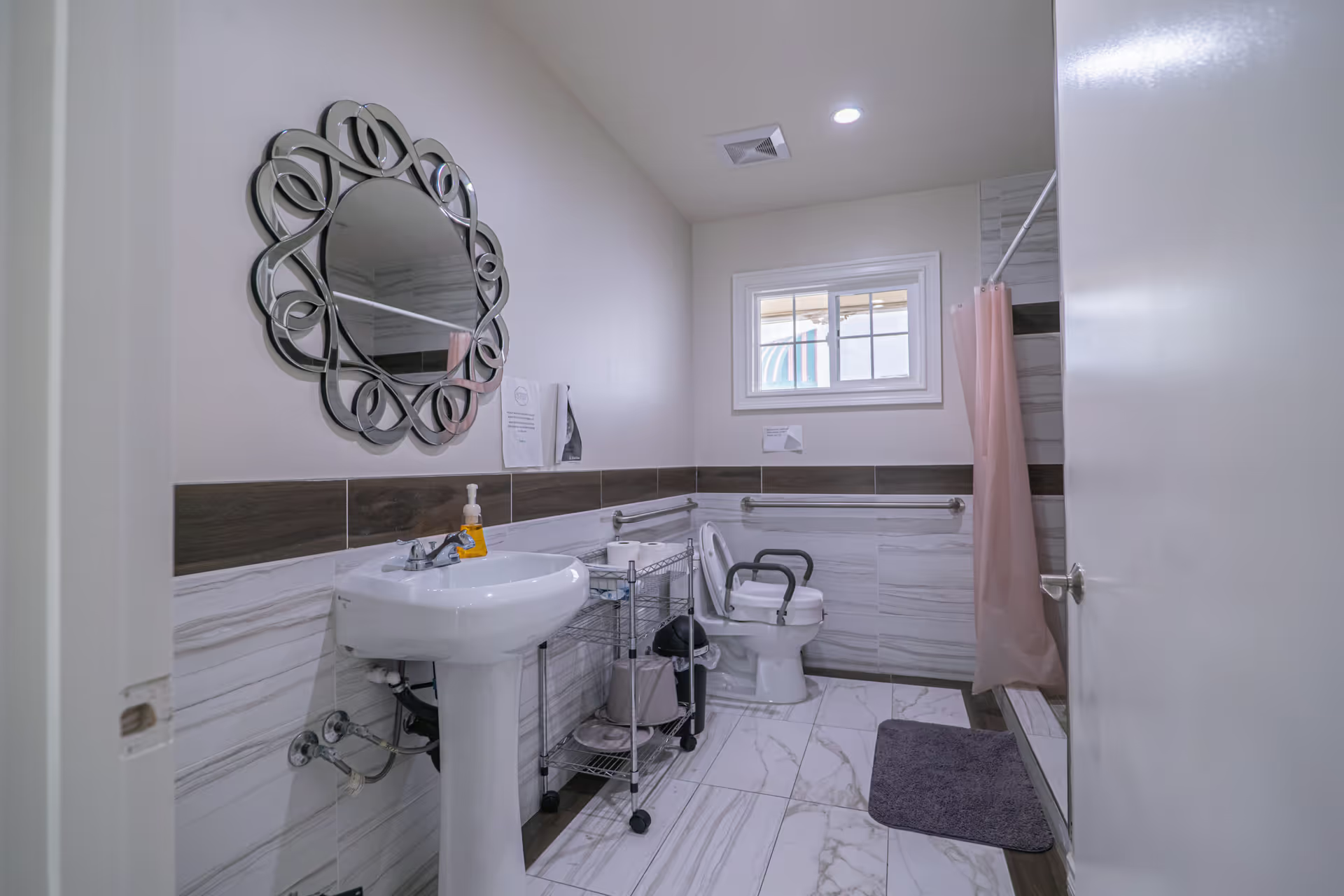
Other pragmatic considerations include room size and cost. Some private units are described as compact with limited storage, and a recurring theme is that the community is positioned at a premium price point; a portion of reviewers questioned whether cost always matches perceived value. A few operational critiques include pest-control and sanitation-process concerns, limited in-house personal-care capacity in certain situations (leading families to hire external caregivers), and occasional managerial or communication inflexibility—for example around visitation or transportation options during extraordinary events.
Bottom line: The Kensington Sierra Madre is frequently recommended for families seeking attractive surroundings, active programming and dementia-capable, compassionate caregiving. Prospective residents and families should weigh the strong memory-care programming, amenities and staff quality against reported operational inconsistencies—particularly in clinical communication, medication management and room sizing—and should proactively ask the community for specifics on documentation practices, medication controls, staffing ratios, pest-control protocols, and billing/fee structures during tours and contract discussions.