Royal Oaks Home Care is generally described as a well-run, clean community with a strong emphasis on resident care and social programming. Reviewers highlight consistently high sanitation standards and an environment where residents appear to socialize comfortably. The facility accepts hospice benefits and allows pets, which adds flexibility for families with end-of-life needs or companion animals. Several reviewers characterized the overall care as good and the services as a reasonable value for what is provided.
Staff and management receive favorable mention. Caregivers are described as attentive, respectful, and helpful, and the administrator is noted as competent and effective. Admissions and tour staff are described as informative and helpful during orientation visits. That said, a portion of reviewers indicated gaps in communication—examples centered on inconsistent information exchange between staff and families. This suggests that while frontline caregiving is strong, communication protocols and family updates may be an area for operational improvement.
Dining and activities are strengths of the community. The menu is described as appealing with a decent variety of healthy options, and residents participate in small-group activities that reviewers find enjoyable. Activity programming is characterized as engaging and appropriate for the community size, contributing to a pleasant day-to-day atmosphere for residents who are able to participate.
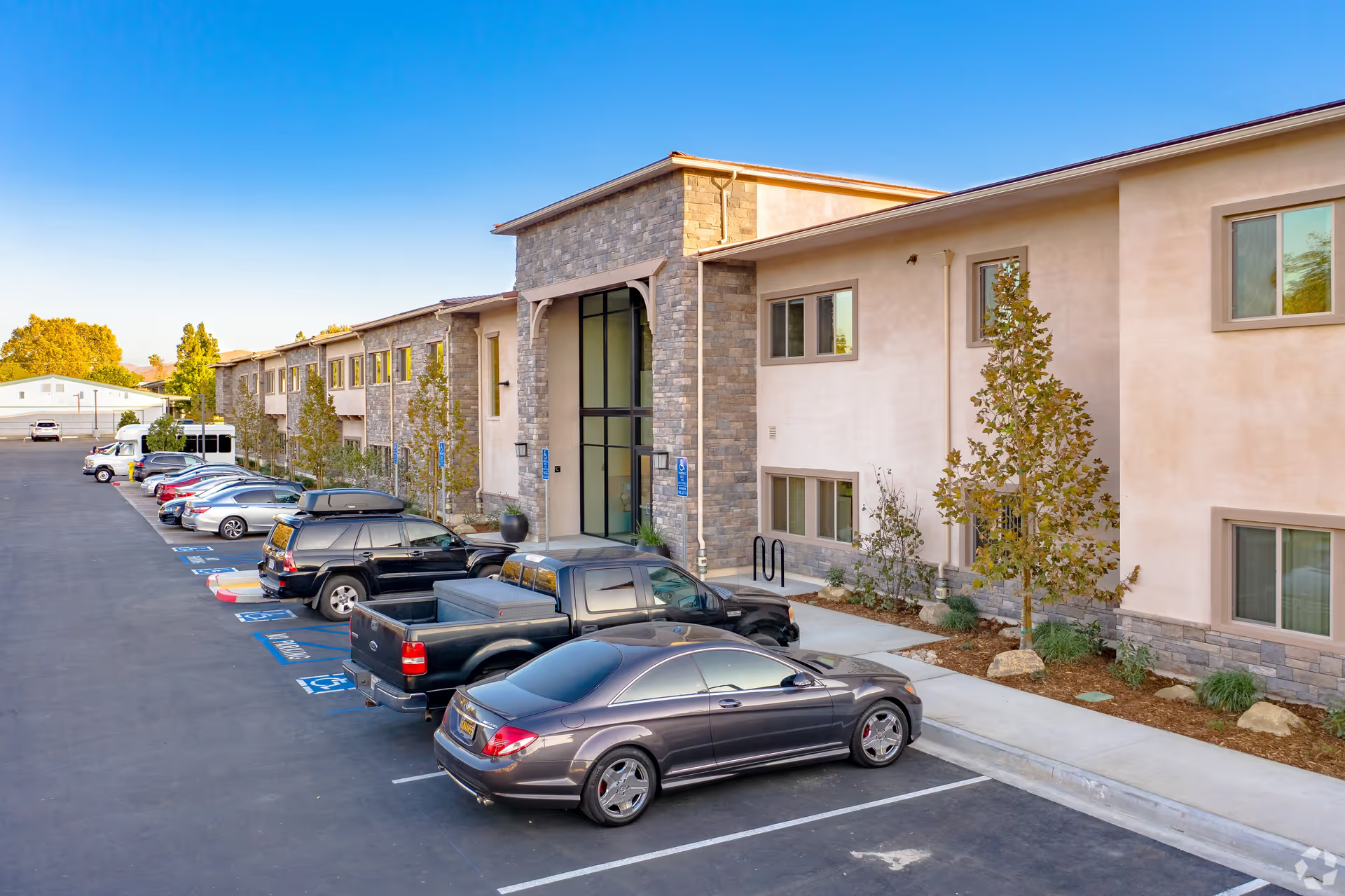
The physical environment presents a mixed picture. Cleanliness is frequently praised, but the interior finishes and furnishings are described as dated and in need of refresh or new paint. The location on a busy street is another recurring concern: traffic noise and limited parking create access and convenience challenges for visitors. These site-level factors may affect families who prioritize easy visitor access or a more contemporary interior environment.
In summary, Royal Oaks Home Care appears to offer solid hands-on care, a friendly social environment, and effective leadership, with notable strengths in cleanliness, dining, and activities. Prospective families should weigh these strengths against operational drawbacks such as higher pricing versus nearby alternatives, aging decor, and logistical challenges related to parking and street traffic. A recommended next step for interested families is an in-person tour focused on staff communication practices, parking/access logistics, and a direct look at room finishes and common areas to confirm fit and expectations.