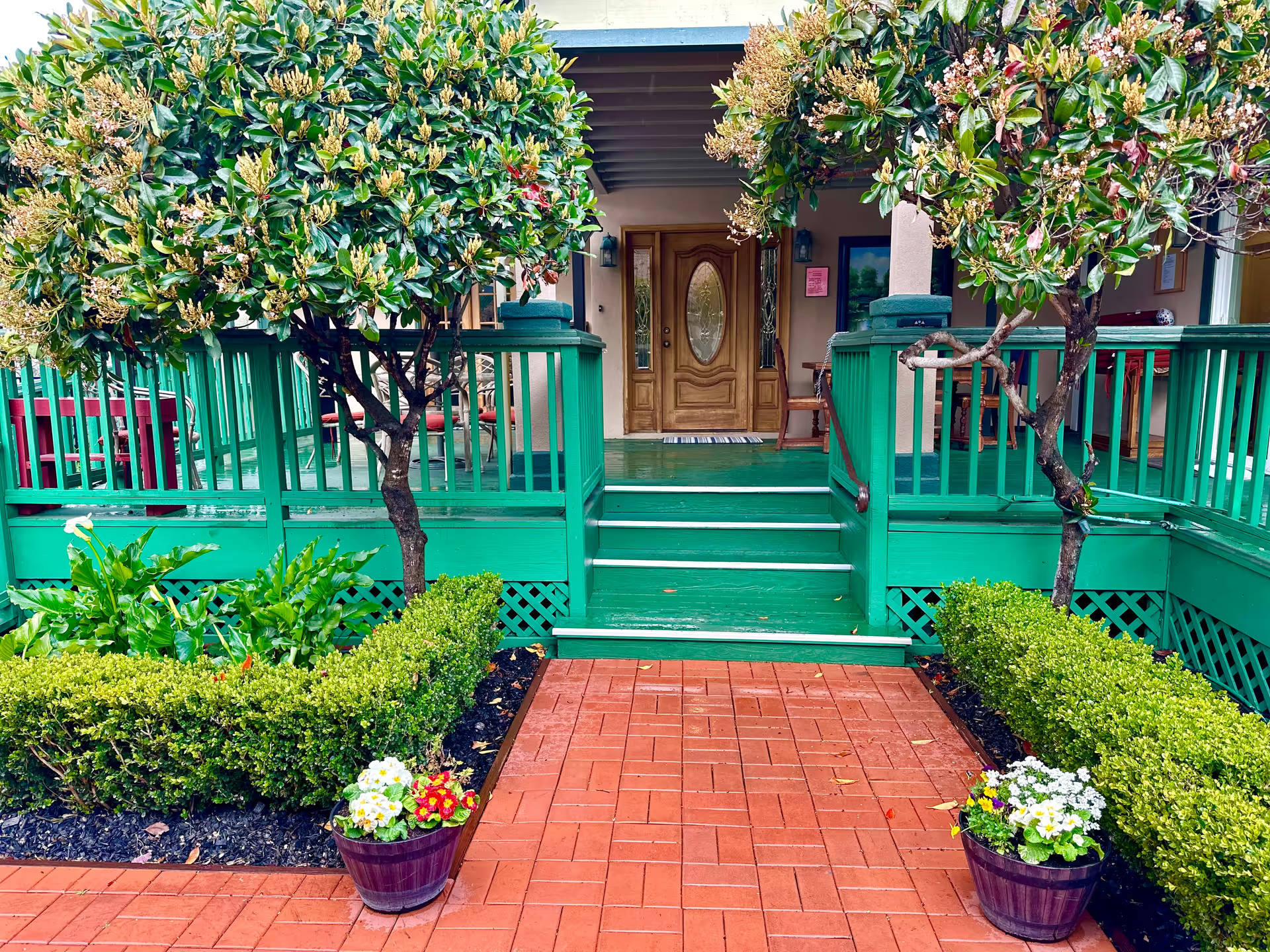
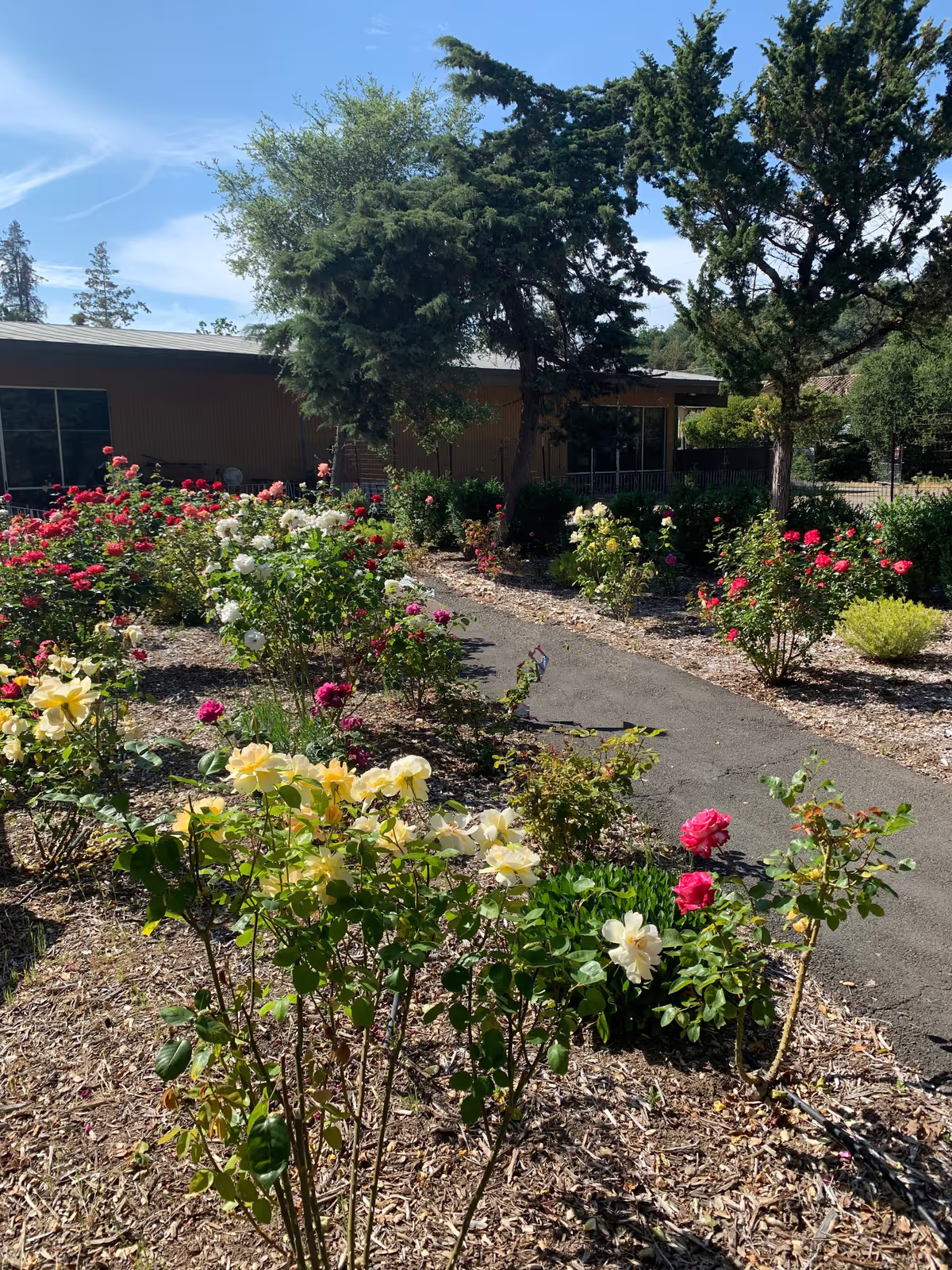
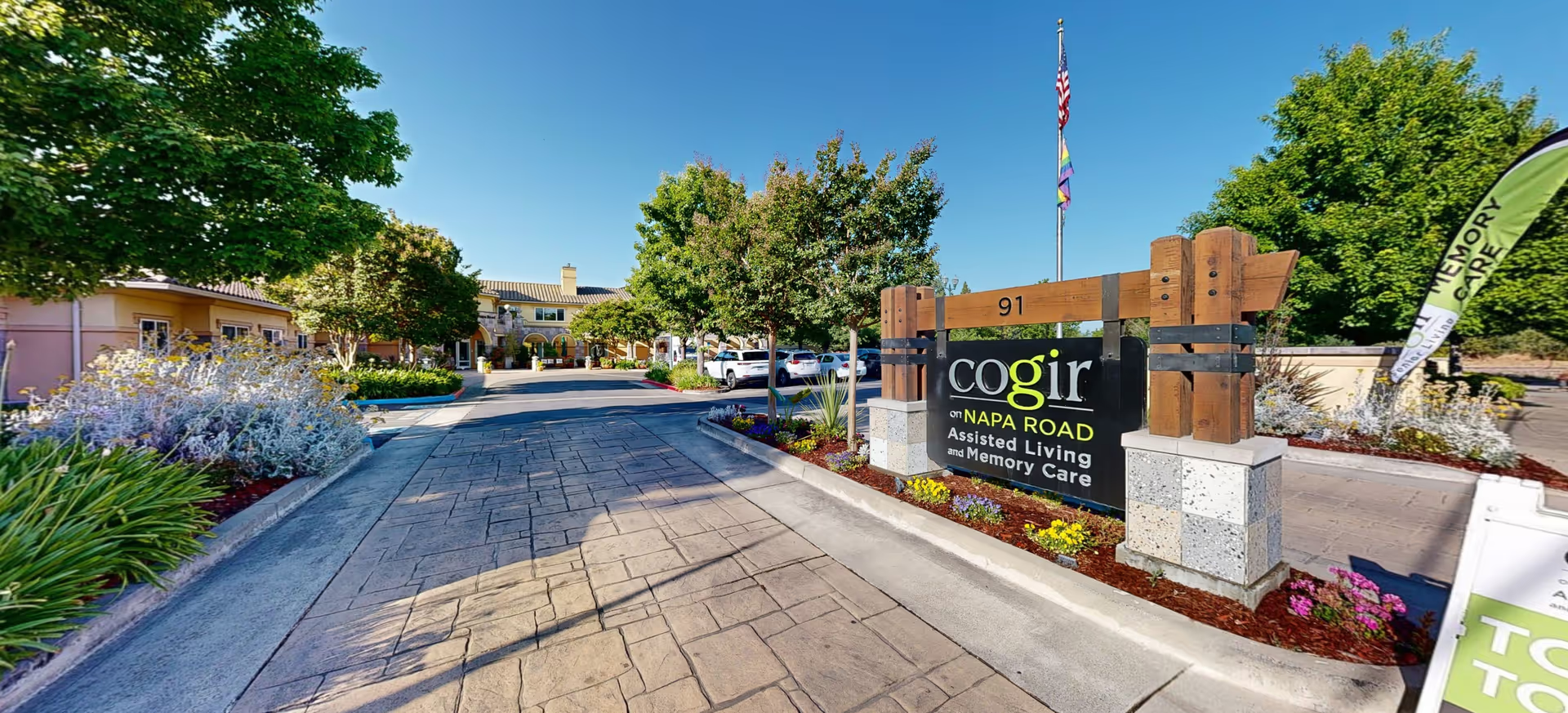
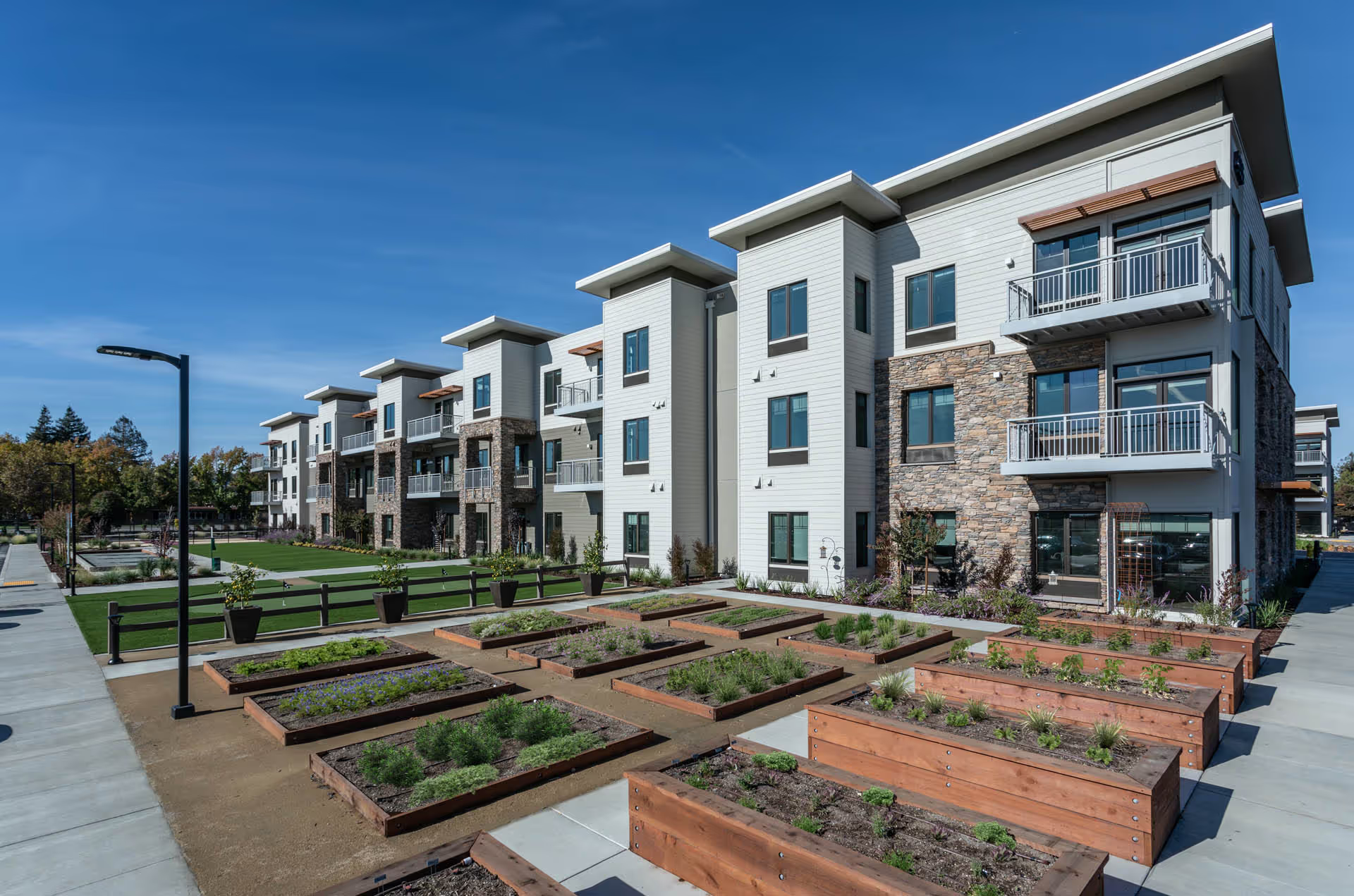
Overall impression Cogir of Sonoma appears to be a well-appointed independent-living community with a strong emphasis on social programming, hospitality-style dining, and maintenance of attractive indoor and outdoor spaces. Reviewers consistently emphasize a clean, bright environment, a range of modern apartment floor plans, ample natural light and private outdoor space, and a variety of on-site amenities such as a library, exercise room, pools, and gardens. The location near downtown Sonoma and the availability of on-site transportation are frequently cited as practical advantages.
Staff and care quality Staff interactions are a clear strength in many accounts: employees are described as friendly, accommodating, and accessible around the clock, with quick responses from maintenance and a number of long-tenured team members. Families and residents commonly describe caring, attentive day-to-day support and strong pandemic-safety practices. At the same time, there are recurring concerns about clinical-level sufficiency and placement practices: some families perceive variability in the level of care available and have questioned the facility’s memory-care placement criteria (including automatic placement based on diagnosis). Prospective residents should ask specific questions about clinical staffing, escalation procedures, and how care levels are determined.
Dining and food service Dining is a polarizing area. Many reviewers praise the head chef, extensive menus, generous portions, and four-star restaurant–style dining. Others describe inconsistent food quality, staffing shortages in the kitchen, and limited dining-room supervision or bussing support; these operational gaps have at times affected meal service continuity. Policy-related concerns—such as meal-credit rules for absences and comparatively high guest-meal charges—also appear across comments. Visitors should clarify current kitchen staffing, contingency plans for service interruptions, and the facility’s policy on guest meals and meal credits.
Activities and social life Programming and social opportunities are prominent positives. The community offers daily activities, frequent entertainment, hobby-based classes (art, quilting, jewelry repair), exercise and wellness options, bridge, trivia, outings (casinos, bus trips), and special events (BBQs, car shows). Transportation to appointments and shopping is available, enhancing residents’ ability to remain engaged off campus. Some items note temporary vacancies in activity leadership; asking about current activity staffing and the calendar of regular events is advisable.
Facilities and maintenance Physical facilities are generally described as updated, attractive, and well maintained, with modern finishes in many apartments (granite countertops, vinyl plank flooring), walk-in closets, and private patios. Housekeeping and linen services are part of the offering. A minority of comments reference older or tired areas (stained furnishings, dated carpeting) and localized maintenance issues (uneven garden pavement). Overall, maintenance responsiveness is cited positively, but prospective residents should inspect specific units and exterior pathways to confirm condition.
Management and operational patterns Several reviewers raise concerns about management stability and communication. Noted patterns include leadership turnover, limited resident-orientation programming, a lack of regular town-hall meetings or resident-committee reporting, and occasional lapses in administrative follow-through (for example, delays related to deposits or refunds). There are also comments about cost increases and a desire for greater transparency on pricing and policy changes. While many residents praise individual staff and department leaders, others describe tension affecting staff morale; asking about leadership tenure, resident-engagement structures, and escalation channels will help clarify current practice.
Bottom line and suggestions for prospective residents Cogir of Sonoma offers a robust independent-living environment with strong social programming, attractive amenities, and a generally clean and welcoming campus. The primary areas for due diligence are dining-service reliability and kitchen staffing, clarity on care-level and memory-care placement policies, management stability and communication practices, and contract/fee terms. Prospective residents and families should tour multiple apartment types, meet the dining and activities teams, review current menus and staffing plans, request written policies on meal credits and guest charges, and ask for details about how clinical needs are assessed and escalated. These targeted inquiries will help align expectations with the facility’s operational realities.