Overall impression: Reviews describe a facility with a strong emphasis on warm, individualized caregiving and family-style communication. Many families highlight attentive, patient staff who create a comforting atmosphere and call residents by name. The presence of the owner/administrator on-site and proactive family updates (including regular FaceTime calls) are repeatedly cited as strengths that provide reassurance to relatives. Continuous nursing coverage is also noted as a practical clinical asset.
Care and staff: Care is frequently characterized as loving and devoted; caregivers are described as attentive to personal needs and responsive to families. This positive pattern supports long-term resident stays and overall family confidence. However, several reviewers express concerns about staffing consistency and training gaps, particularly for residents with dementia. Prospective families should inquire about staff turnover, dementia-specific training, and protocols for clinical oversight to understand how consistent care and specialized needs are maintained.
Dining: Comments about dining are mixed. Some families praise fresh, mostly organic options and the facility’s willingness to accommodate cultural preferences (for example, Filipino dishes) and diabetic needs. Conversely, other accounts point to inconsistent meal quality, reliance on reheated/prepared items, and problems with meal temperature and presentation. It would be prudent to review current menus, sample meals where possible, and ask about kitchen routines and accommodations for special diets.
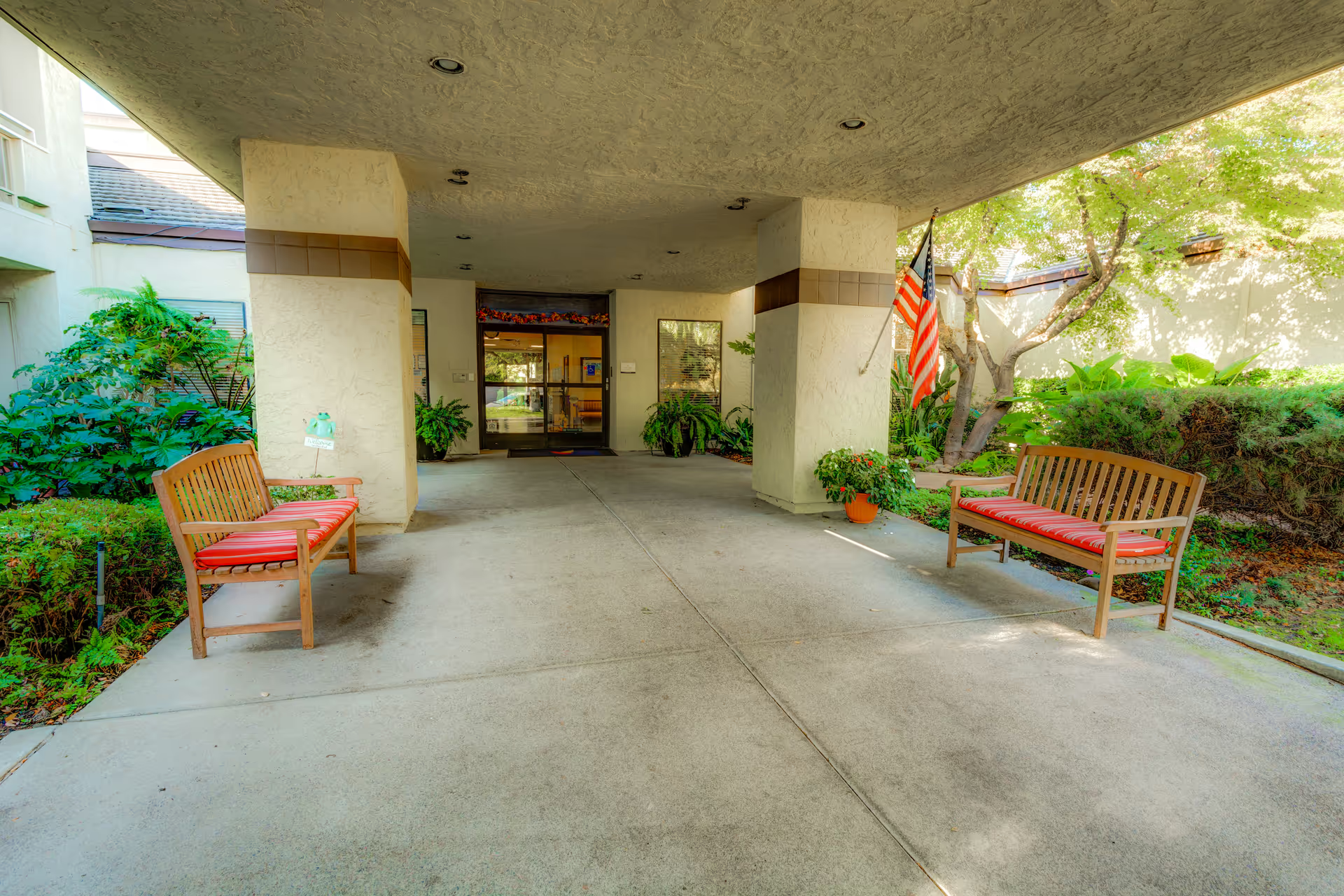
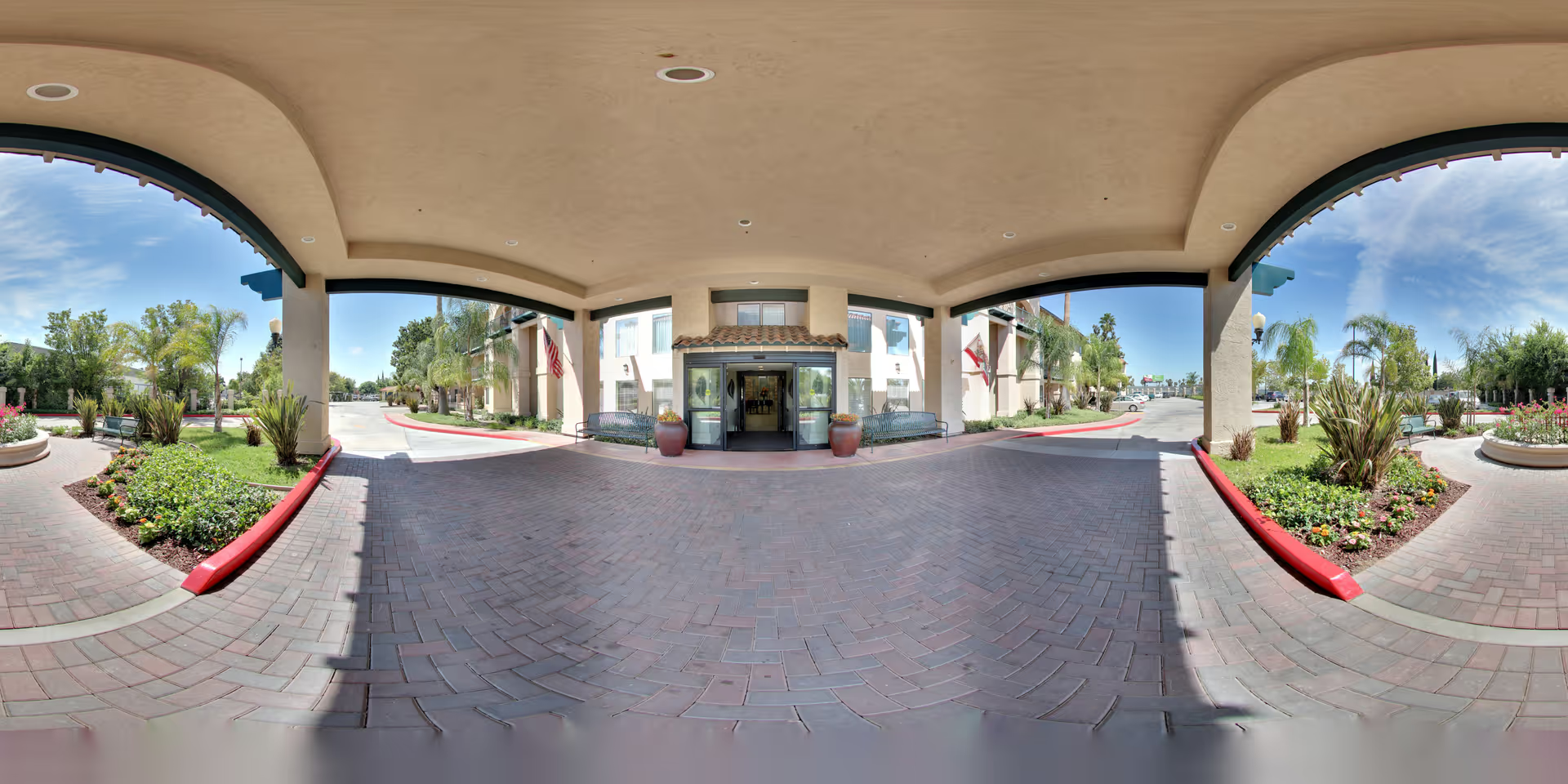
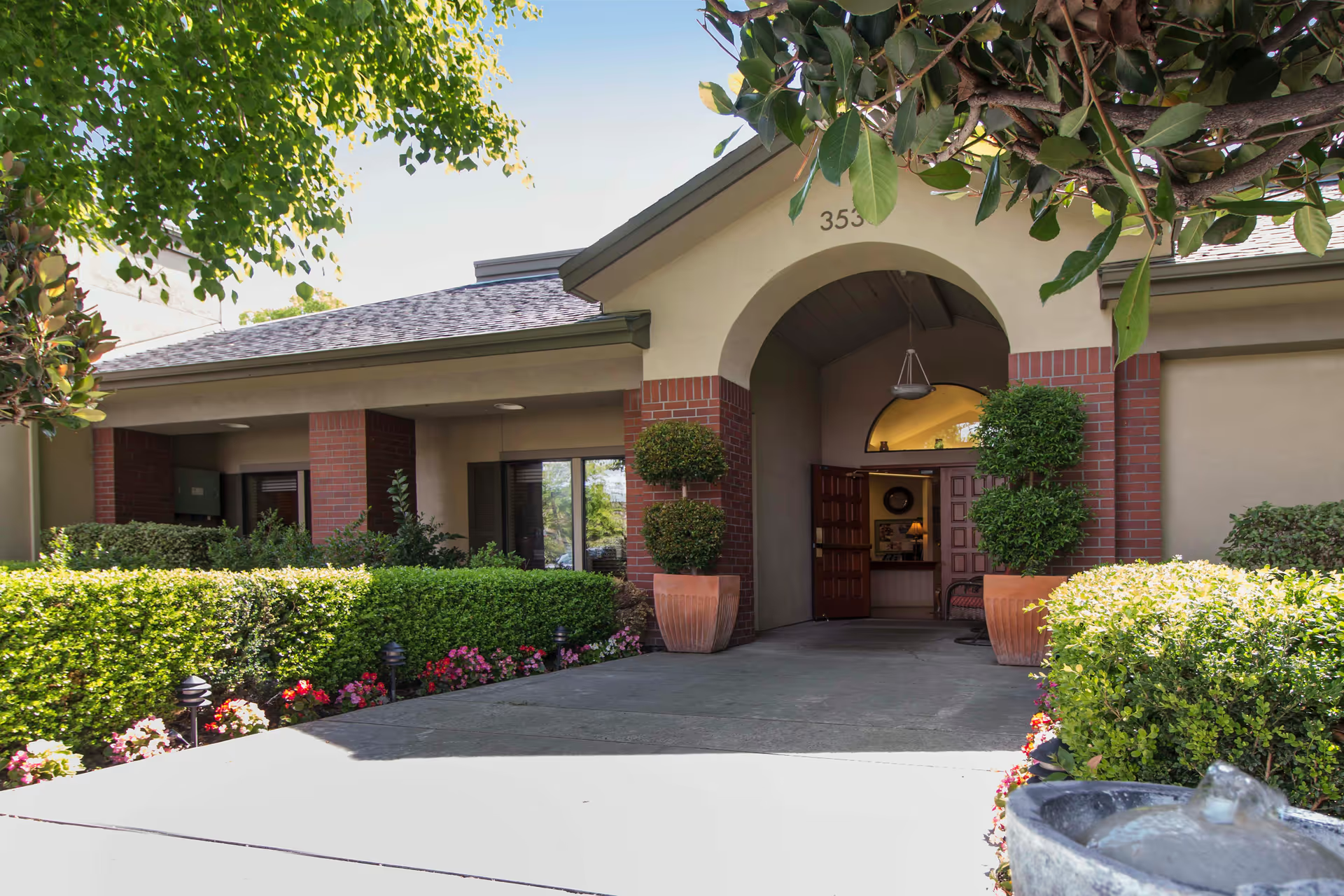
Activities, safety, and facilities: The community is described as cozy, safe, and gated, with regular activities that support resident engagement. Physical spaces are often called clean and home-like, which contributes to the family-like atmosphere. At the same time, some reviewers note sanitation concerns in shared areas and that some units have limited room size. Families should tour the specific unit under consideration to assess space and cleanliness standards firsthand.
Management and communication: Management presence and open communication are clear strengths when the owner/administrator is active and reachable; several families say this contributes to confidence in placement decisions. That said, a contrasting pattern in some reviews describes administrative unavailability or limited responsiveness. Important points to clarify during a visit include who will be the point of contact, typical response windows for family inquiries, and escalation procedures for clinical or operational issues.
Notable patterns and guidance: The dominant positive theme is compassionate, personalized caregiving paired with active family communication. The main operational weaknesses to probe further are inconsistencies in meal service, occasional sanitation issues, gaps in dementia-specific training, medication-management practices, and variable administrative responsiveness. Prospective residents and families should schedule an in-person visit, request current menus and medication-management policies, ask about dementia-care competencies, verify staffing patterns and turnover, and observe a meal service to form a balanced assessment.