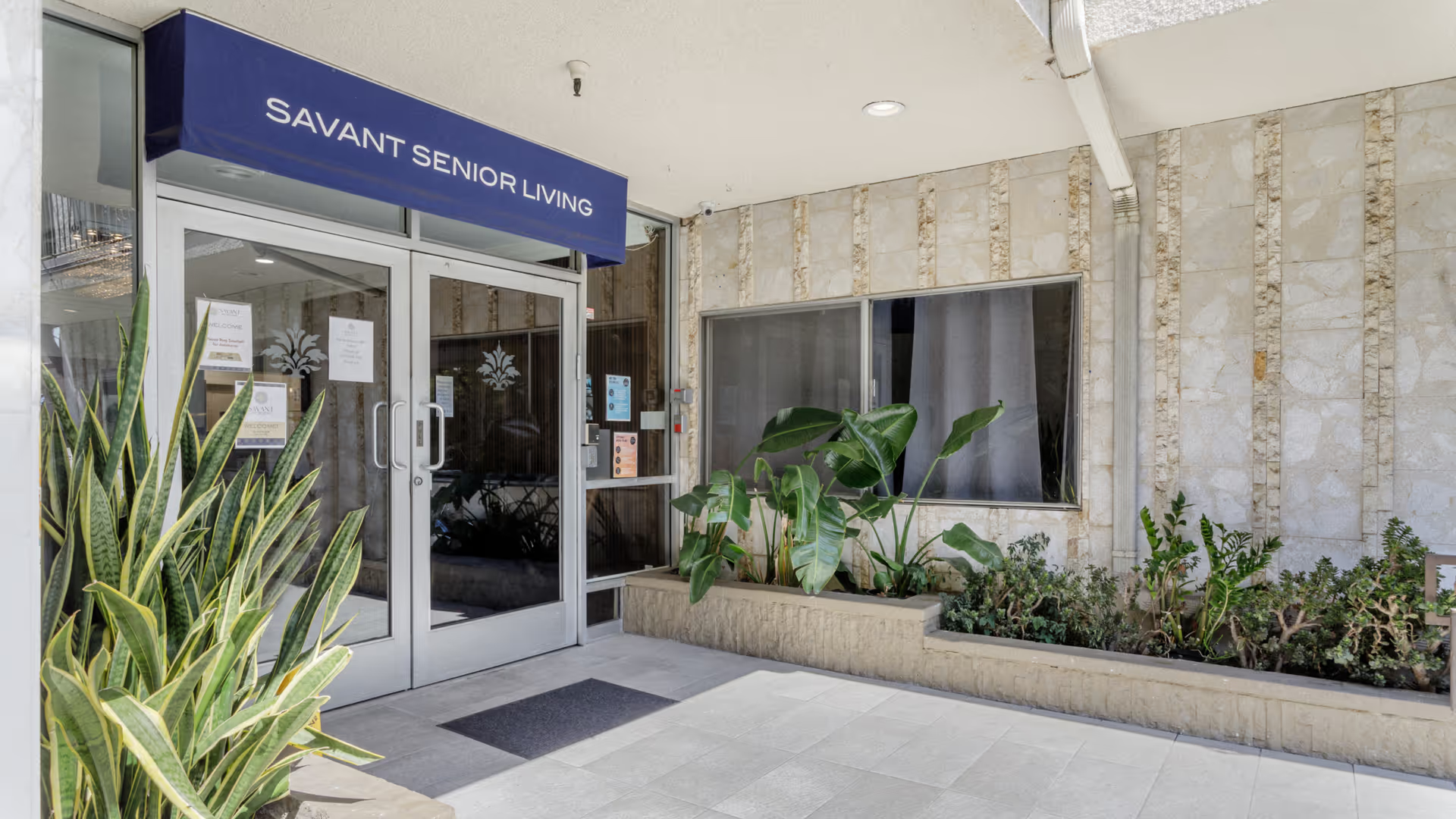
Overall impression: Reviews present a mixed but consistent pattern: the facility offers several tangible strengths — notably spacious private rooms, courtyard/patio access, a small-community atmosphere, and a medication system that families find dependable — alongside operational and programmatic shortcomings that affect families’ satisfaction depending on care needs.
Care quality and clinical supports: Families praised particular staff and leaders for being knowledgeable, accommodating, and caring; one administrator and the chief of staff received strong commendations for personalized attention. However, recurring operational gaps are evident: there is no consistent intake or individualized care-planning process described, caregivers are frequently characterized as overworked, and staff training for dementia and memory-care needs appears limited. These factors make the setting better suited to highly independent residents or those with early-stage cognitive impairment than to residents requiring structured memory care or higher-assistance personal care.
Staff and management: Leadership impressions vary. Some reviewers highlight responsive, flexible ownership and an accommodating administration; others describe brusque communication from particular managers. Staffing pressures were a common theme — staff turnover or limited staffing levels contribute to delayed attention for some personal-care needs and reduced time for activities. Families found staff courteous on tours and in routine interactions, but consistency of service and responsiveness can fluctuate.
Dining and programs: Meal quality is inconsistent — several reviewers praised the food at times while others found the dining experience uneven. Dining-room crowding at peak times and variable meal service continuity were reported. Activity programming also shows variability: the presence of an engaged activity director can produce good programming and positive impressions on tours, but there are accounts of activities being run by untrained front-desk staff or having limited variety. Overall, social and programming options appear constrained by the small census and limited activity staffing.
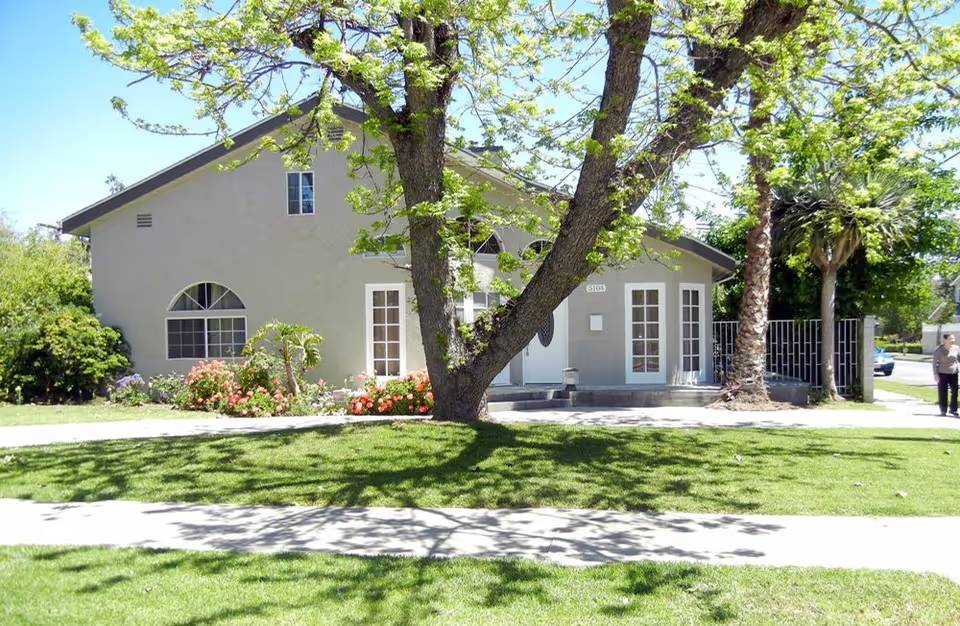
Facilities and amenities: Physical accommodations are a clear asset for many families: rooms are described as large, some with courtyard or patio views, and accessible bathing features are present. The location is convenient with parking and proximity to dining and services. At the same time, reviewers note uneven maintenance — some areas and units are very clean while others show dated interiors or cleanliness issues, including odor concerns. Climate control can be uneven when thermostats are shared across multiple rooms.
Costs and value: The facility offers reasonable entry-level pricing, which can represent good value for residents needing minimal assistance. However, families should anticipate cumulative add‑on charges for assistance with dressing, incontinence care, and similar tasks, which materially raise the monthly cost. For those requiring higher levels of assistance or memory-care training, the facility’s operational model and staffing pattern may not meet expectations.
Who this may suit: The community appears to work best for independent or early‑stage residents who want spacious private rooms, a small-community setting, and attentive administrative staff. Prospective residents with advancing dementia, complex personal-care needs, or a desire for extensive, varied programming should carefully evaluate care-planning processes, staff training, and staffing levels before choosing this facility.
Recommendation for families touring: Ask specifically about the intake and individualized care-planning process, dementia-care training for direct caregivers, staffing ratios at different times of day, which staff run activities and their qualifications, how incontinence and dressing assistance is billed, and how housekeeping and odor-control are managed. Visiting during a meal and an activity period will help assess dining consistency and program variety.