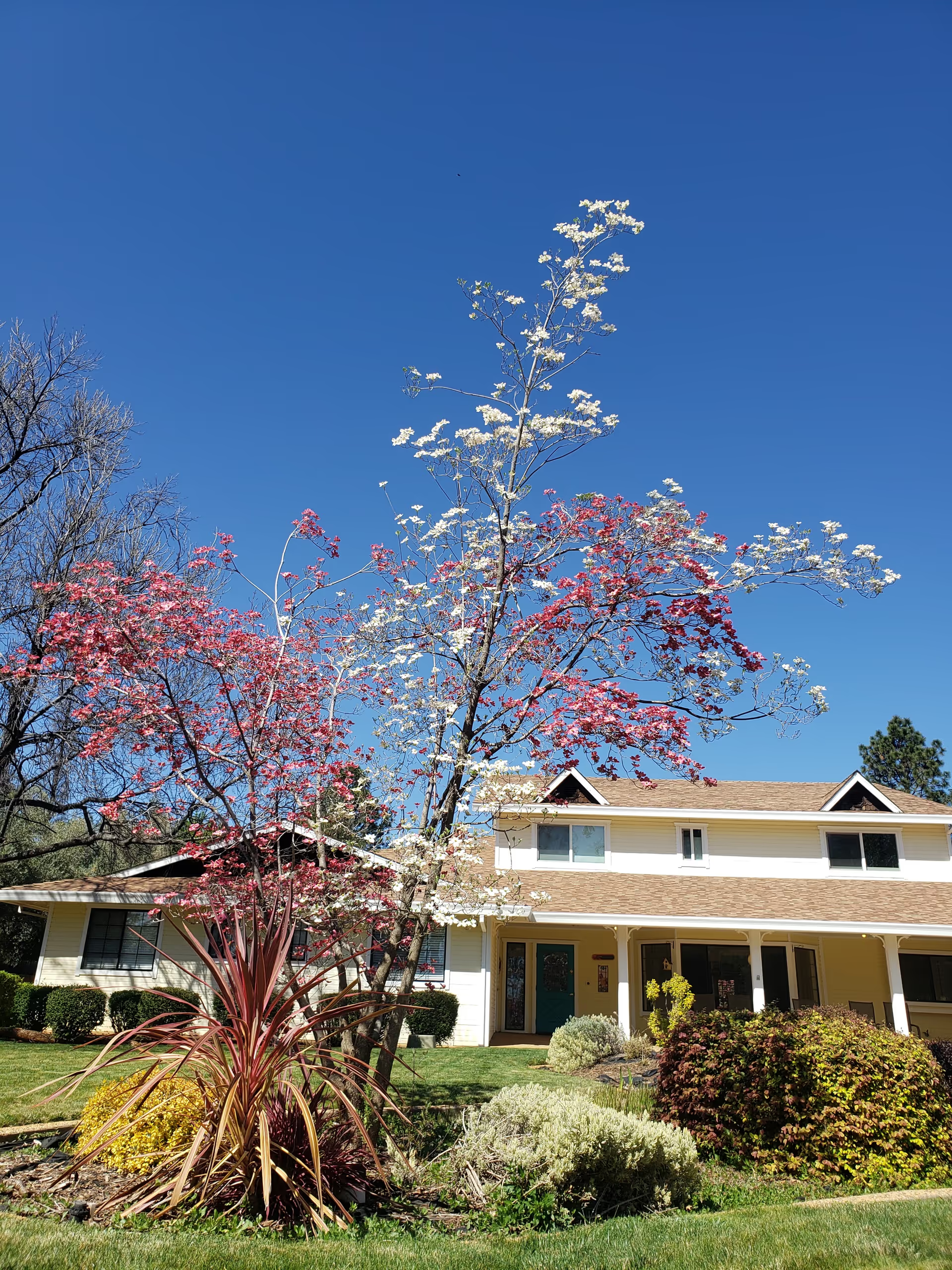
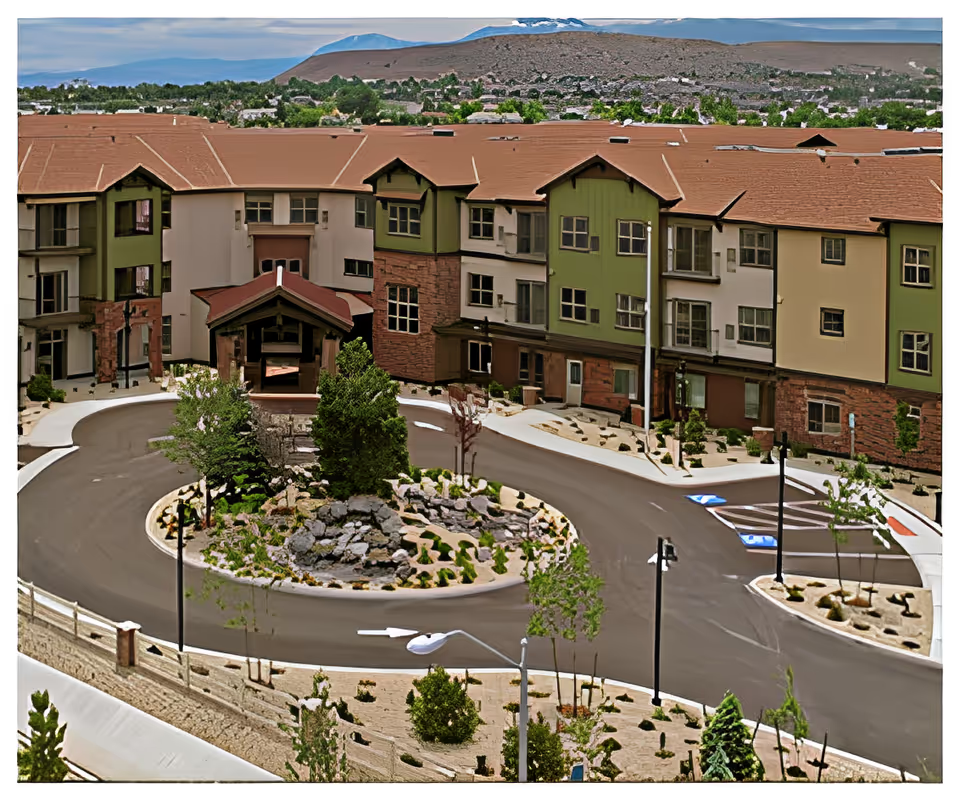
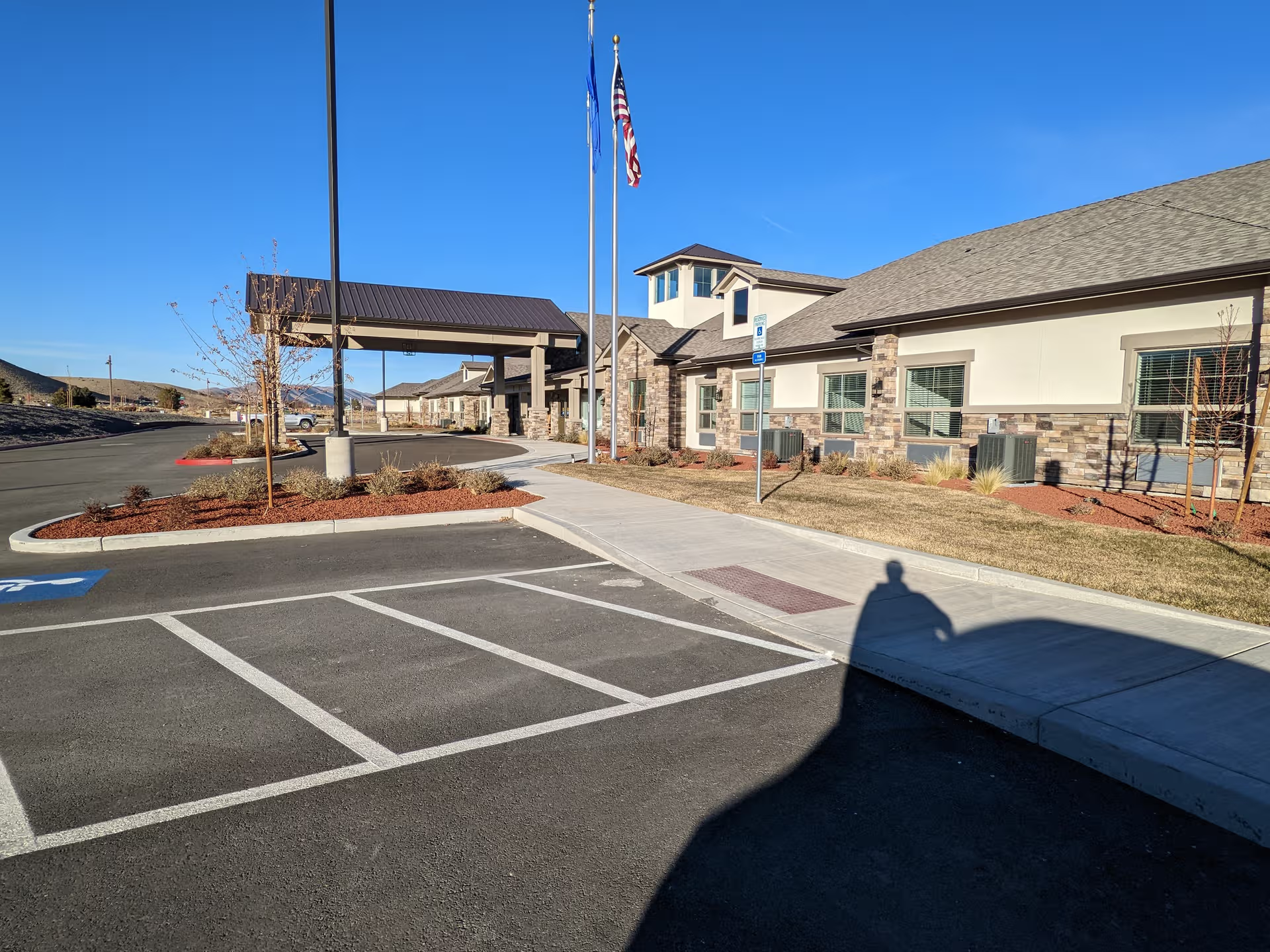
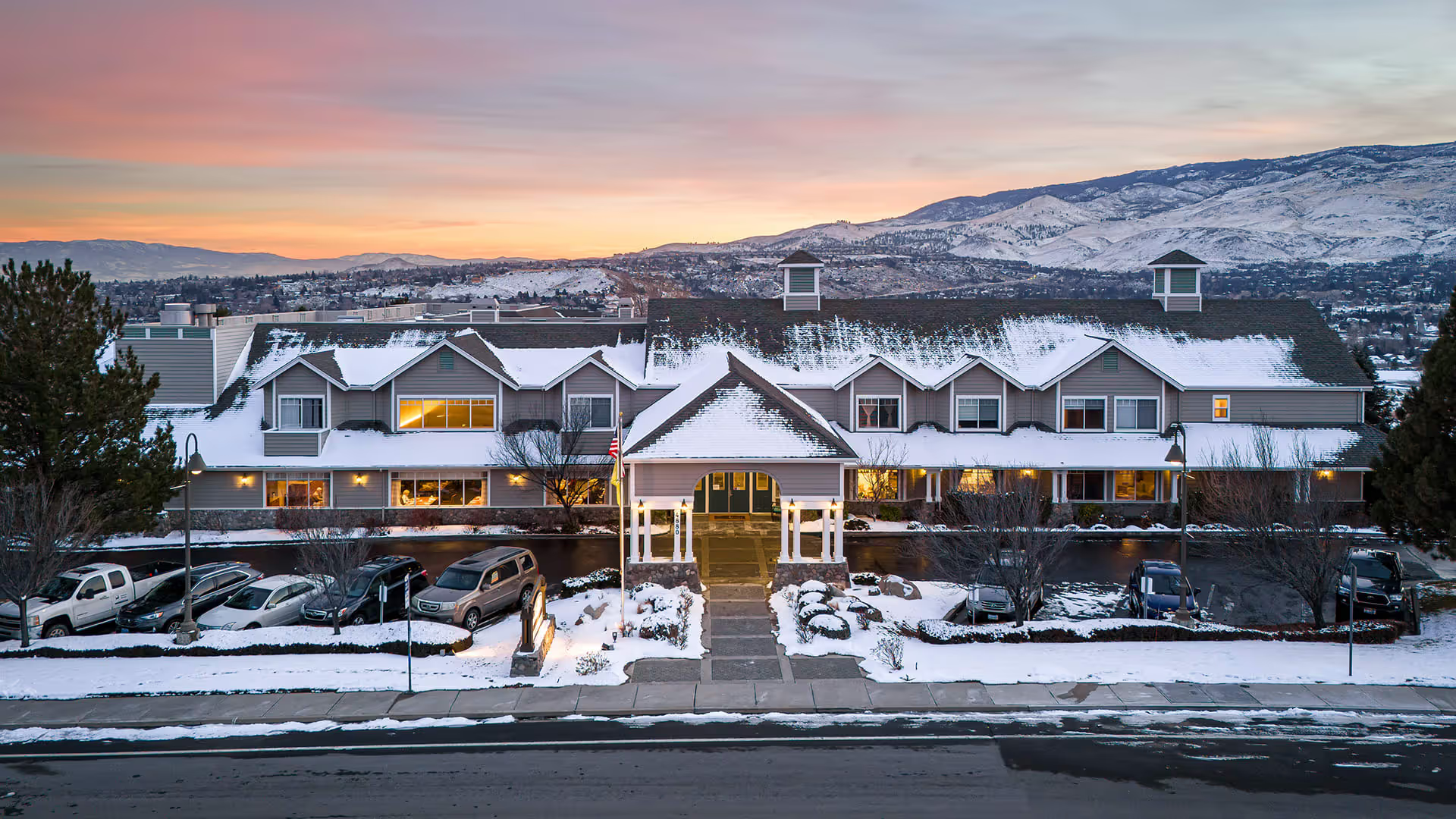
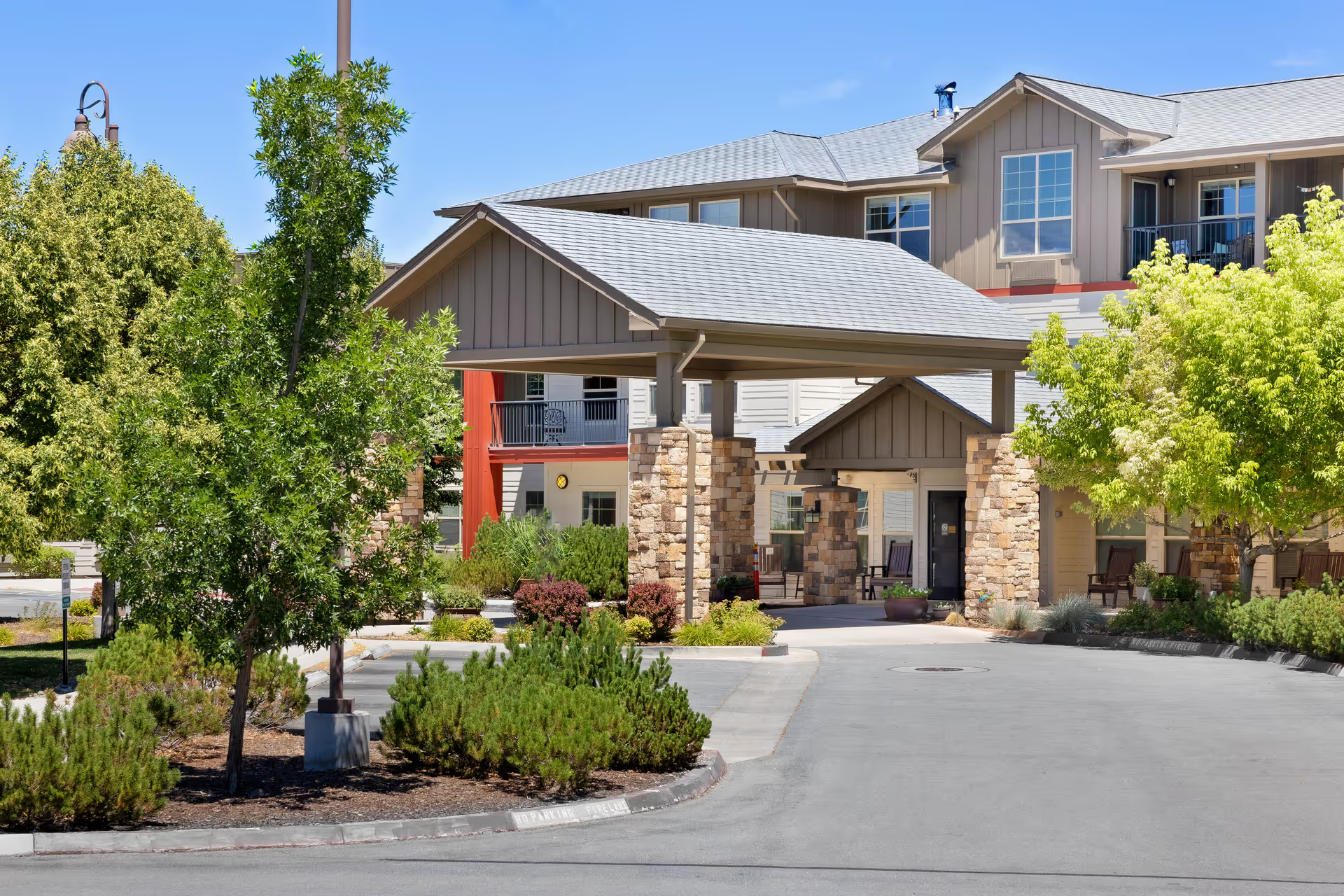
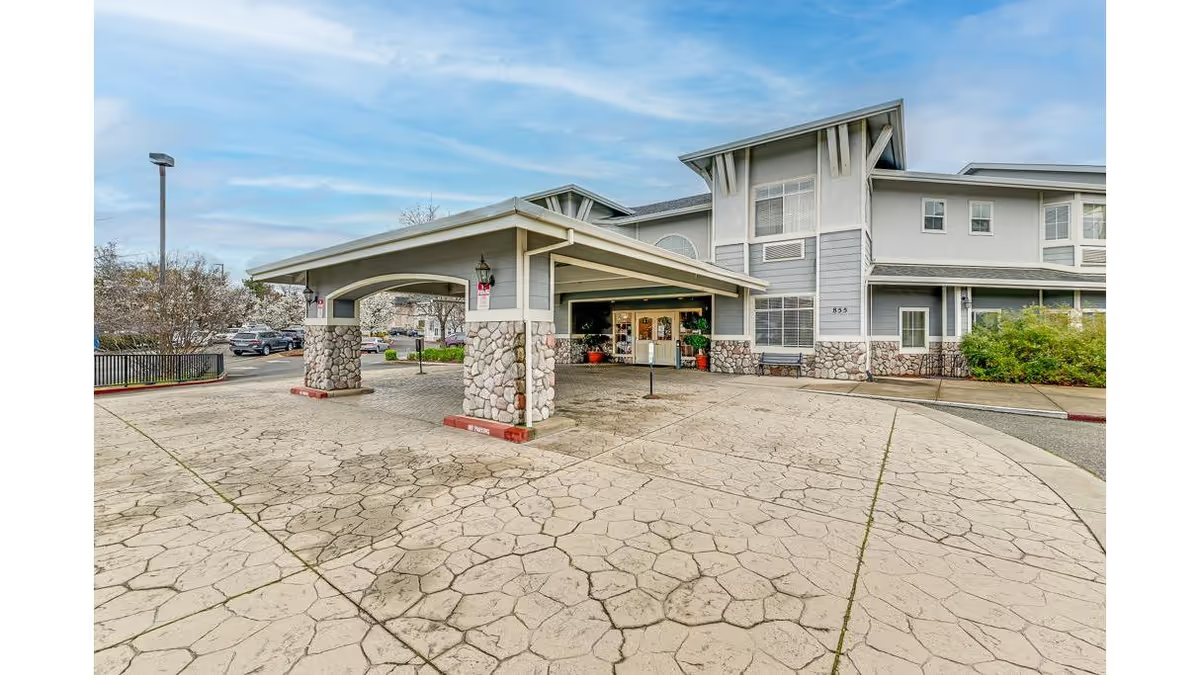
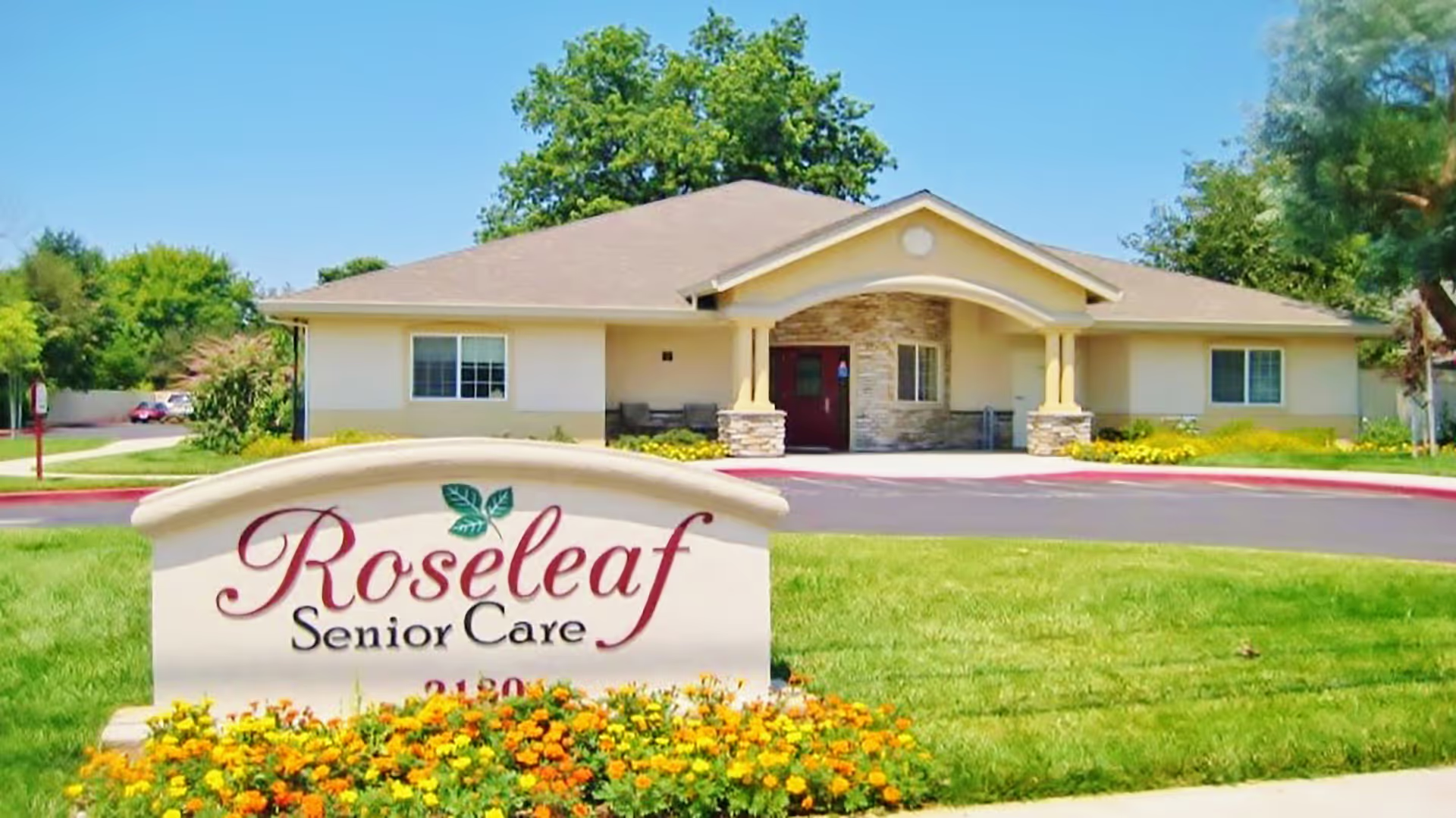
Eagle Lake Village presents a mixed profile. Many families describe a clean, well-kept facility with a comfortable, homelike atmosphere, spacious private rooms, and pleasant common areas including an inviting dining room and lobby. The community offers a variety of floor plans and on-site conveniences such as an in-house salon, laundry and housekeeping services, and organized local outings. Activity programming appears robust, with art, music, movie nights and other daily activities noted as positive contributors to resident engagement.
Care quality observations are heterogeneous. Several accounts praise compassionate, attentive caregiving—particularly in the memory-care unit—where staff presence and individualized attention are cited as strengths. At the same time, there are recurring operational concerns about staffing consistency and clinical coverage. Reviewers express that minimum staffing levels on some shifts, turnover, and limited availability of on-site medical professionals have contributed to lapses in timely care. There are also specific, serious claims regarding clinical outcomes and infection monitoring that families should investigate further; these allegations underscore the need to verify clinical oversight and emergency-response protocols.
Staff behavior and training are described in contrasting terms. Many families find front-line employees to be professional, friendly, and accommodating, and some note service improvements under recent ownership changes. However, others report inconsistent follow-through on care plans, delayed assistance, and variable staff training levels. These patterns suggest operational gaps in staff education, handoff procedures, and supervision that can affect day-to-day reliability of care.
Dining and activities are generally viewed positively. Food quality and the ambiance of the dining spaces receive favorable comments, and the activity schedule — including outings for mobile residents — is a clear asset for social and cognitive engagement. Facility maintenance is also consistently noted as adequate: the building is not brand-new but is described as clean, well-maintained, and comfortable, with appropriate privacy for residents.
Management and communication emerge as recurring themes. Families report mixed experiences with administrative responsiveness: some describe helpful, communicative leadership and improvements under new owners, while others cite poor communication, delayed family notification after incidents, and a perceived emphasis on cost control that affects staffing. Operational weaknesses cluster around inconsistent laundry and personal-care delivery, care-plan adherence, and timely family notification when clinical issues arise.
For prospective residents and family members, recommended due diligence includes: verifying typical staffing ratios by shift, asking about on-call clinical resources and oversight for wounds/infections and acute events, reviewing staff training and turnover data, clarifying how the facility documents and follows individualized care plans, and confirming communication protocols for family notification. An in-person visit during multiple times of day (including evening or night shifts) can help assess staffing consistency and responsiveness in practice.