Overall impression: Reviews describe a facility with meaningful strengths in hands-on caregiving and rehabilitation services alongside clear operational variability. Many families praised individual nurses, licensed staff, and CNAs for compassionate, patient-centered interactions and for achieving positive rehabilitation outcomes. At the same time, a number of accounts indicate persistent system-level problems that affect safety, continuity of care, and family confidence.
Care quality and clinical issues: Clinical performance appears inconsistent. Positive outcomes include successful, complex rehab episodes, timely medication administration, and attentive wound/medical oversight in many cases. Conversely, reviewers described delayed responses to call lights and clinical changes, extended waits for emergency evaluation, medication-administration lapses, and concerns about pressure-injury prevention. These patterns suggest gaps in regular monitoring, timely clinical escalation, and robust medication-safety processes.
Staff and responsiveness: Staff behavior and competence are portrayed as highly variable. Numerous reviews single out nurses and aides as compassionate, diligent, and effective—particularly during specific shifts or with named staff members—while other accounts describe understaffed day shifts, slow call responses, inconsistent follow-through, and concerns about the tone of staff communication. This combination indicates that resident experience is often dependent on staffing levels and individual staff assignments, and that family presence or advocacy can materially influence care responsiveness.
Dining and nutrition: The facility offers dietary accommodations and has staff who are praised for meal service and kitchen responsiveness. Several reviewers noted good meals and accommodating menu adjustments. However, there are also accounts of inconsistent food quality and dietary oversight (for example, carbohydrate management for residents with elevated blood sugar), suggesting the need for clearer nutritional-planning and monitoring protocols for medically complex residents.
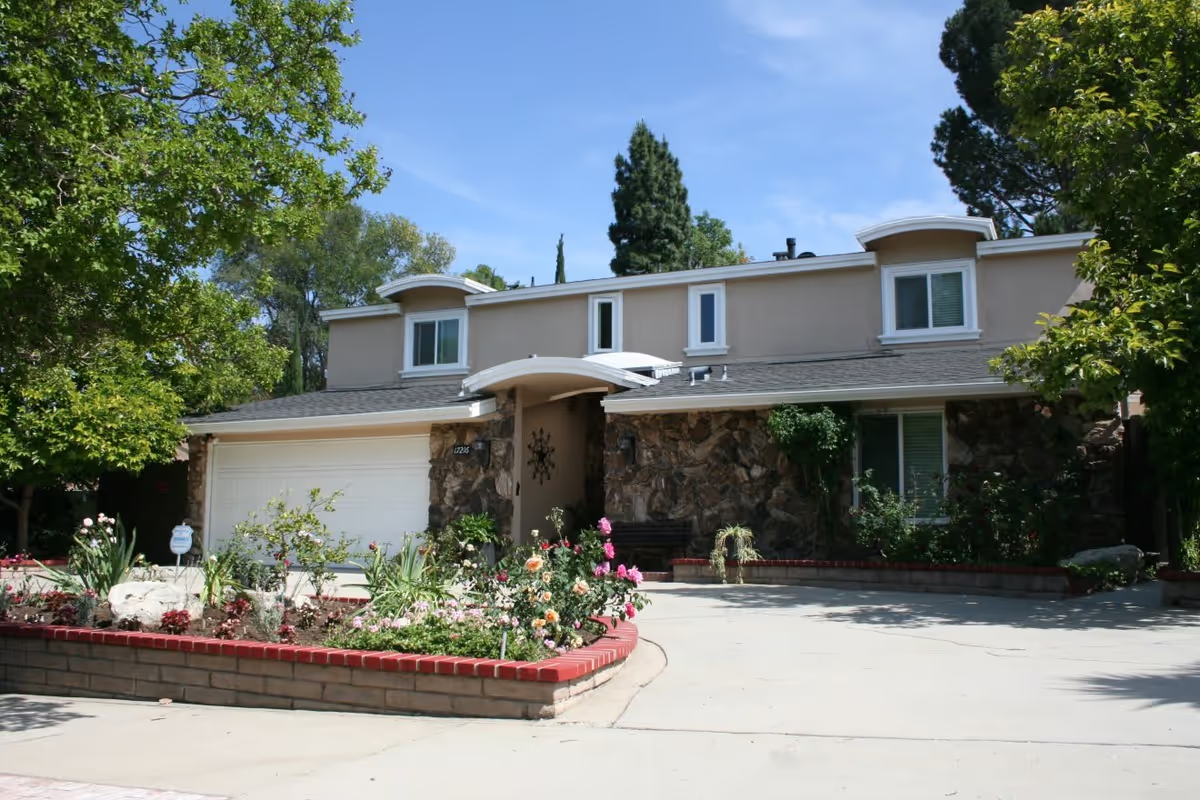
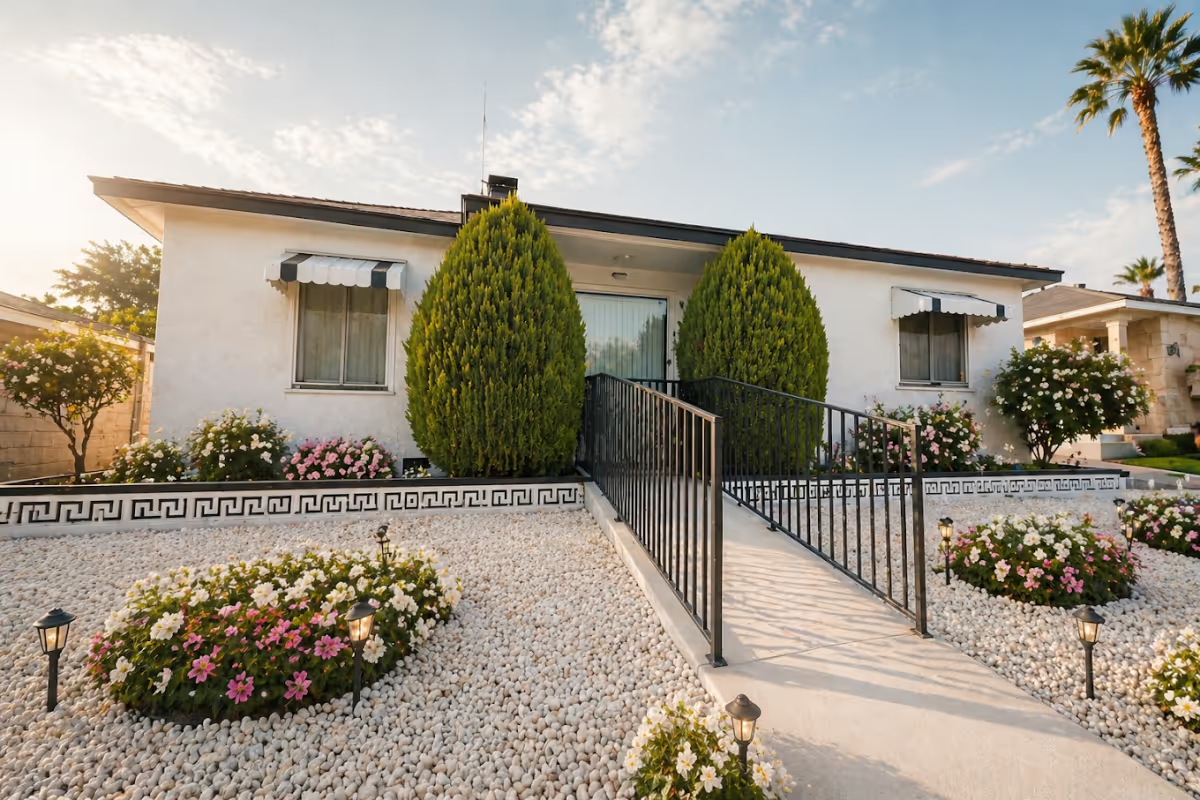
Activities and environment: Many families described the environment as clean, bright, and welcoming, with engaging activities, pleasant outdoor/lawn spaces, and options for private rooms with views. Activity staff and social services were frequently called out as compassionate and helpful, and the facility permits service animals. These elements support residents’ social and emotional needs when staffing and care routines are functioning well.
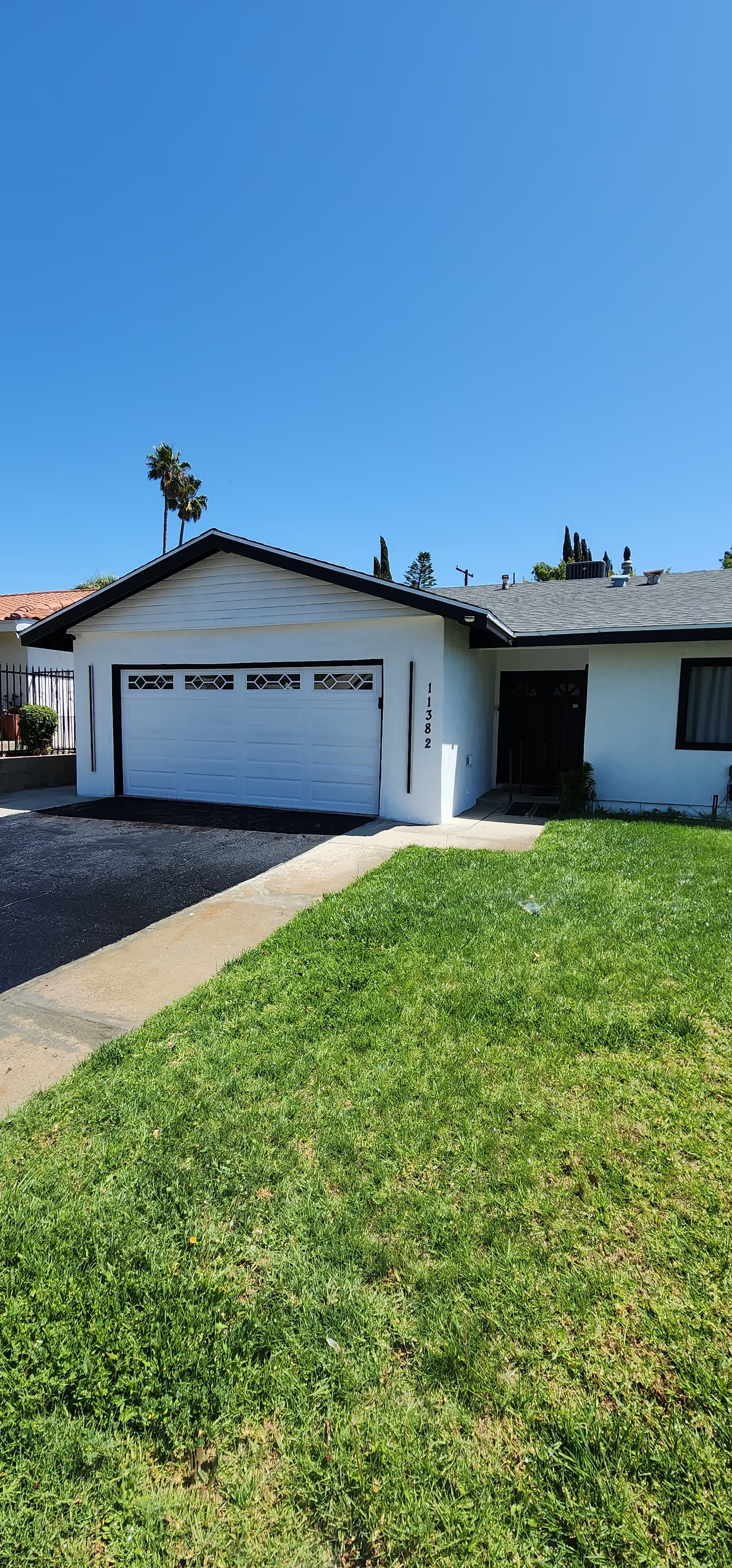
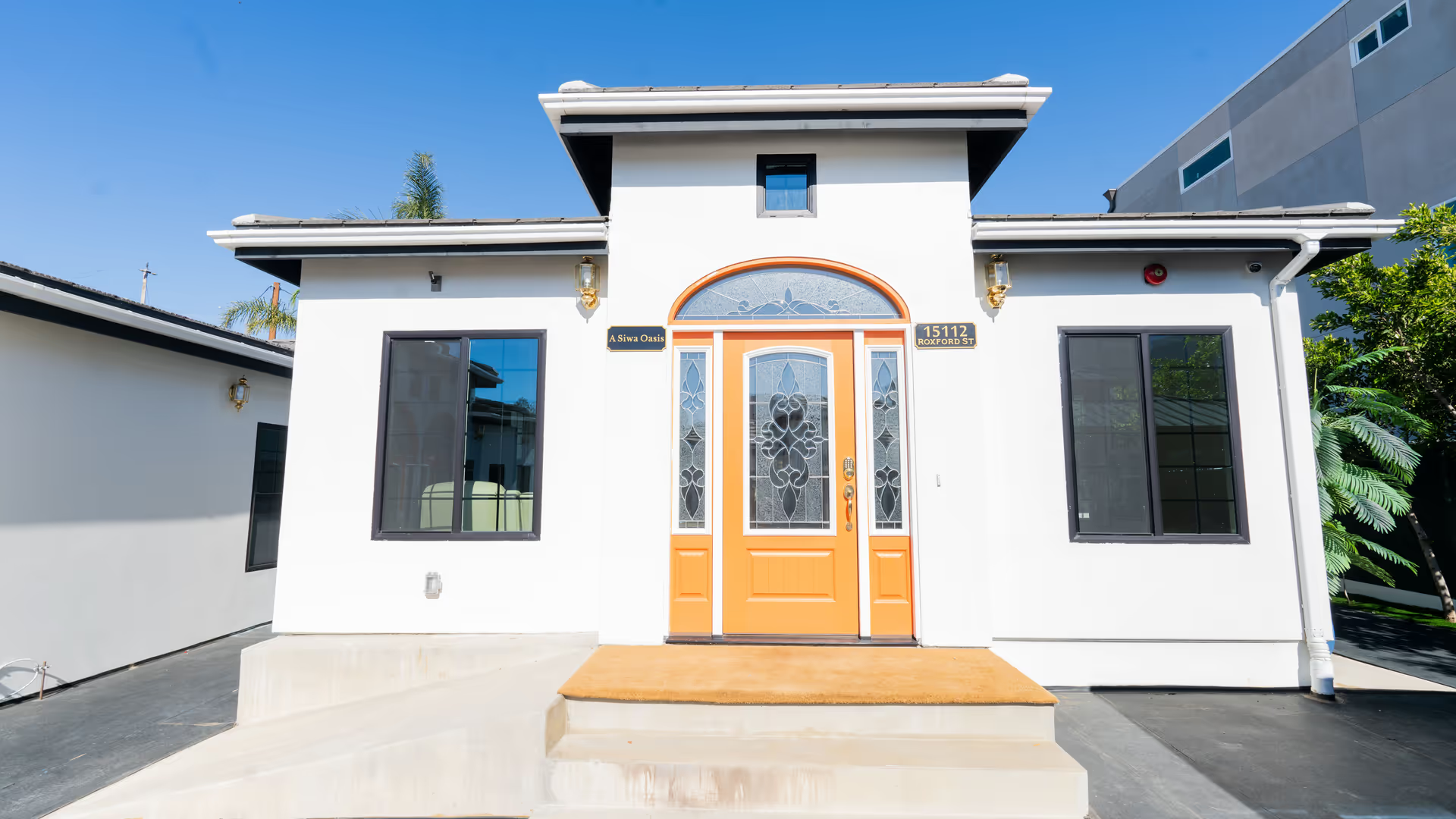
Facilities and operations: The physical plant is generally described as clean and airy, though some reviewers noted aging infrastructure and maintenance shortfalls. Layout and unit organization were cited as a concern for some families because the facility does not strongly segregate short-term rehabilitation, dementia care, and long-term residents, which can affect roommate dynamics and care appropriateness. Parking and certain maintenance responsiveness were also mentioned as areas for improvement.
Management and notable patterns: Administrative experiences are mixed. Several families praised administrative responsiveness and planning during admissions, while others described long phone hold times, difficulty with discharge or placement processes, and inconsistent follow-through from leadership. There are also serious allegations in some accounts about missing personal belongings and cash; these assertions indicate a need for stronger inventory controls and secure property-accountability procedures.
What to watch for: Reviews point to clear variability by shift and staff assignment. Prospective families should confirm current staffing ratios, ask about medication-safety and wound-care protocols, review procedures for tracking personal possessions, and clarify emergency-response expectations. Regular family presence or an assigned advocate appears to improve oversight of day-to-day care. Overall, the facility demonstrates substantive strengths—particularly in rehabilitation and with many individual caregivers—alongside operational weaknesses that warrant careful review and ongoing monitoring by families and discharge planners.