Mountain View Convalescent Hospital presents a mixed picture in reviewer accounts: the facility receives frequent praise for its clinical rehabilitation capabilities, certain compassionate caregivers, and an environment that many residents and families describe as clean and comfortable. Strengths commonly cited include active physical and occupational therapy programs, on-site dental services, dietary flexibility for special needs, engaging social activities, and a convenient location near a major medical center that supports dialysis commutes. Reviewers also value Medicaid acceptance and connections to affordable housing programs.
Care quality is uneven. Numerous reviewers commended skilled therapists and specific nurses and aides who provided attentive, timely care that enabled successful rehabilitations and discharges. Simultaneously, there are recurrent concerns about inconsistent clinical oversight: delays in routine assessments or lab follow-up, variability in medication timing, and instances where care response was slow. These patterns suggest that clinical performance may depend heavily on staffing on a given shift or the involvement of particular supervisors or clinicians.
Staffing and conduct show a dichotomy. Many families emphasize kind, compassionate staff members, effective case managers, and dedicated night-shift caregivers who bring peace of mind. At the same time reviewers describe understaffing, staff appearing distracted or rushed, inconsistent professionalism, and supervision gaps in certain units. These operational pressures appear to contribute to missed or delayed responses to call systems, unanswered family phone calls and voicemails, and inconsistent communication about clinical progress and discharge planning.
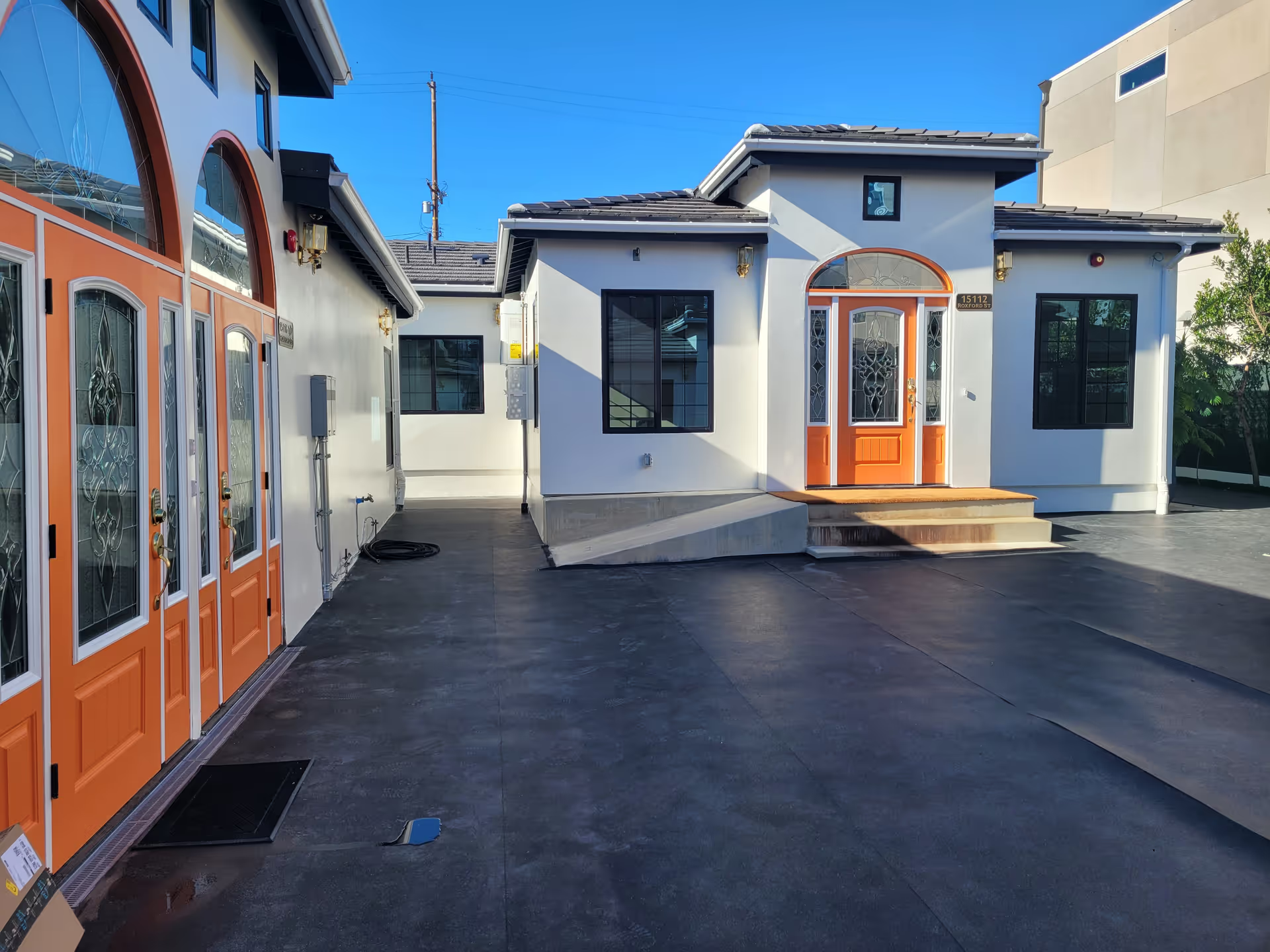
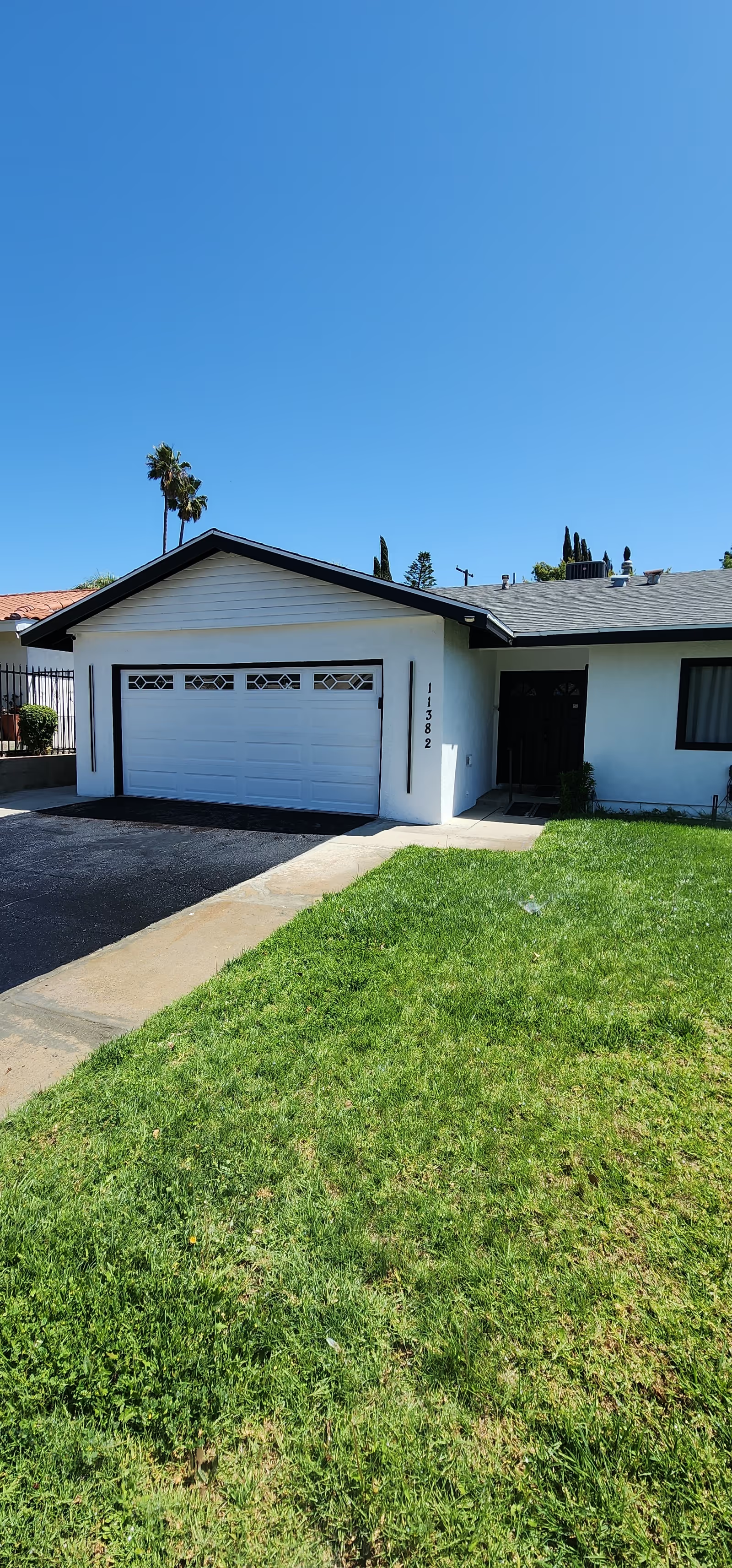
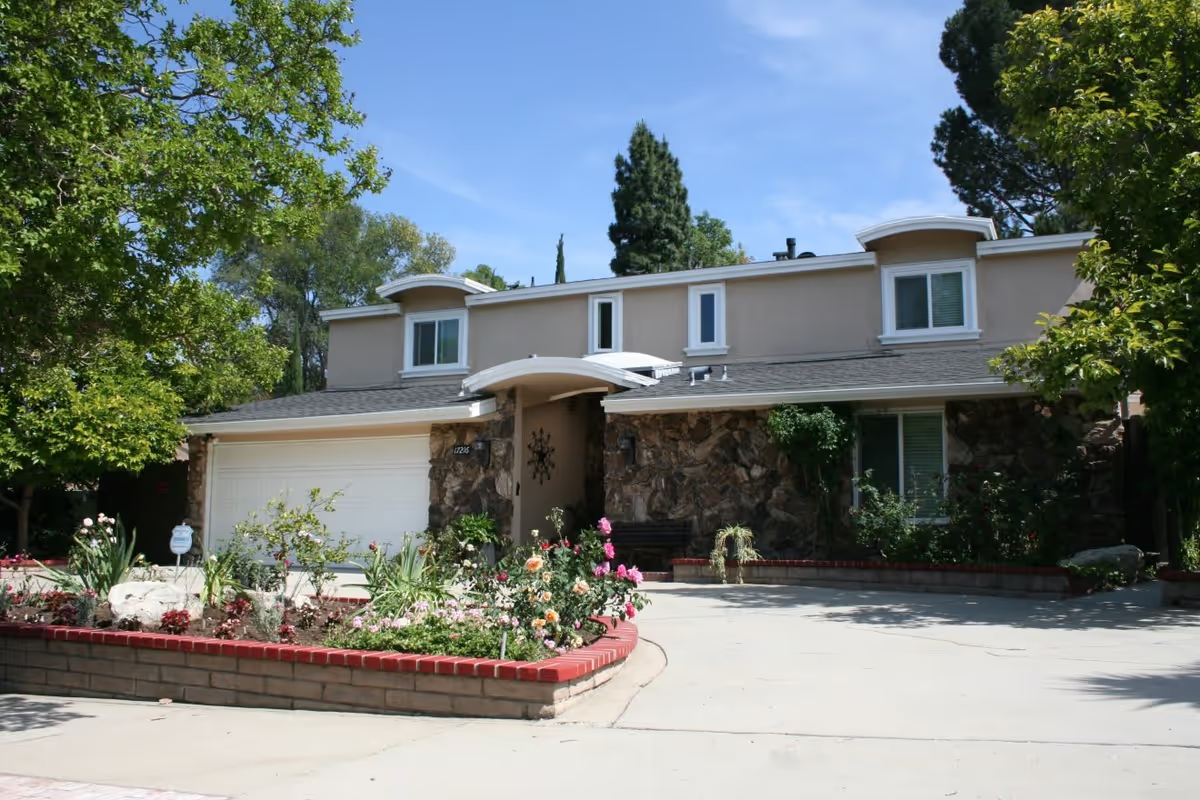
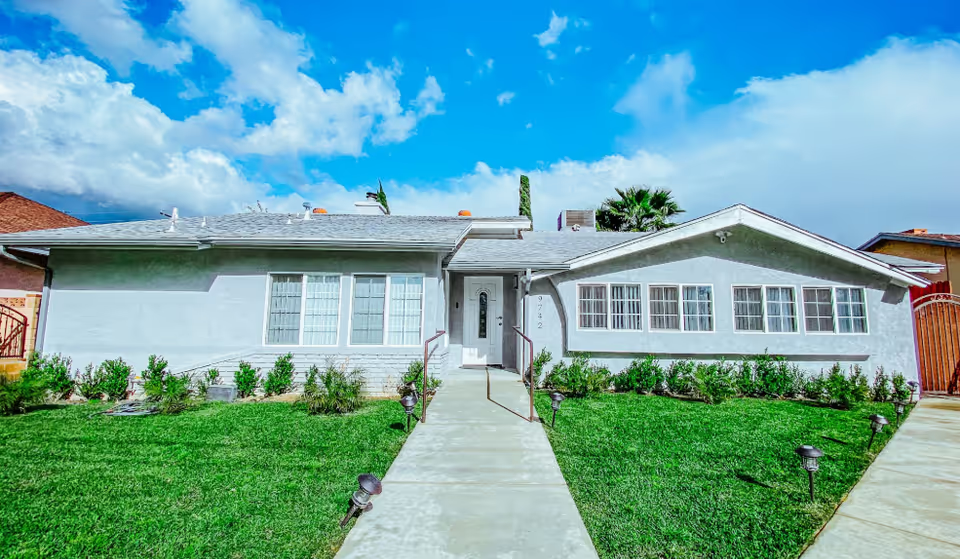
Dining, activities, and facilities are generally viewed positively with notable strengths: the facility is described as clean, comfortable, and socially active, with a range of daily activities and communal spaces that residents enjoy. The kitchen is credited with accommodating dietary restrictions and providing vegetarian substitutions, though some reviewers note variability in food quality and meal consistency.
Management and accountability are mixed. Positive references include helpful admissions and sub‑acute leaders who guided families through discharge and medication instructions. However, recurring themes include poor interdepartmental communication, unreturned emails and calls, and inconsistent case-management messages. There is at least one reviewer claim invoking a licensing concern and several allegations about missing personal items; such serious claims warrant direct inquiry during any evaluation and follow-up with administration for documentation.
For prospective residents and families: the facility demonstrates clear strengths in rehabilitation services, engaged therapy staff, and a community-oriented environment, but it also exhibits operational weaknesses tied to staffing variability, communication systems, and consistency of routine care tasks. When touring or evaluating placement, consider asking for current staffing ratios, examples of how call-response times are measured and addressed, protocols for medication administration and privacy/room-entry, procedures for documenting and resolving missing items, and how case managers coordinate interdisciplinary updates. These targeted questions can help determine whether the facility’s strengths align with an individual’s care priorities and risk profile.