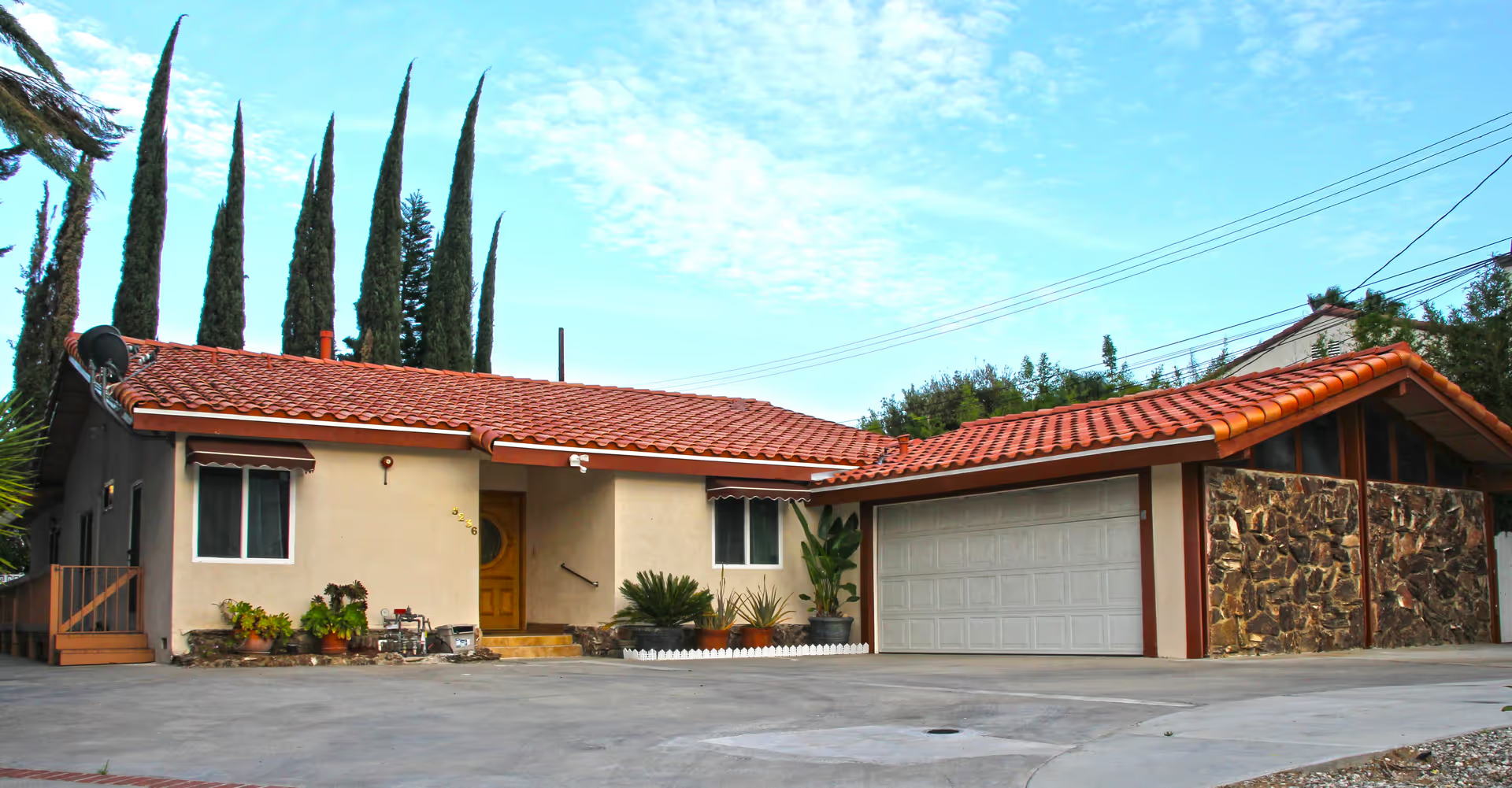
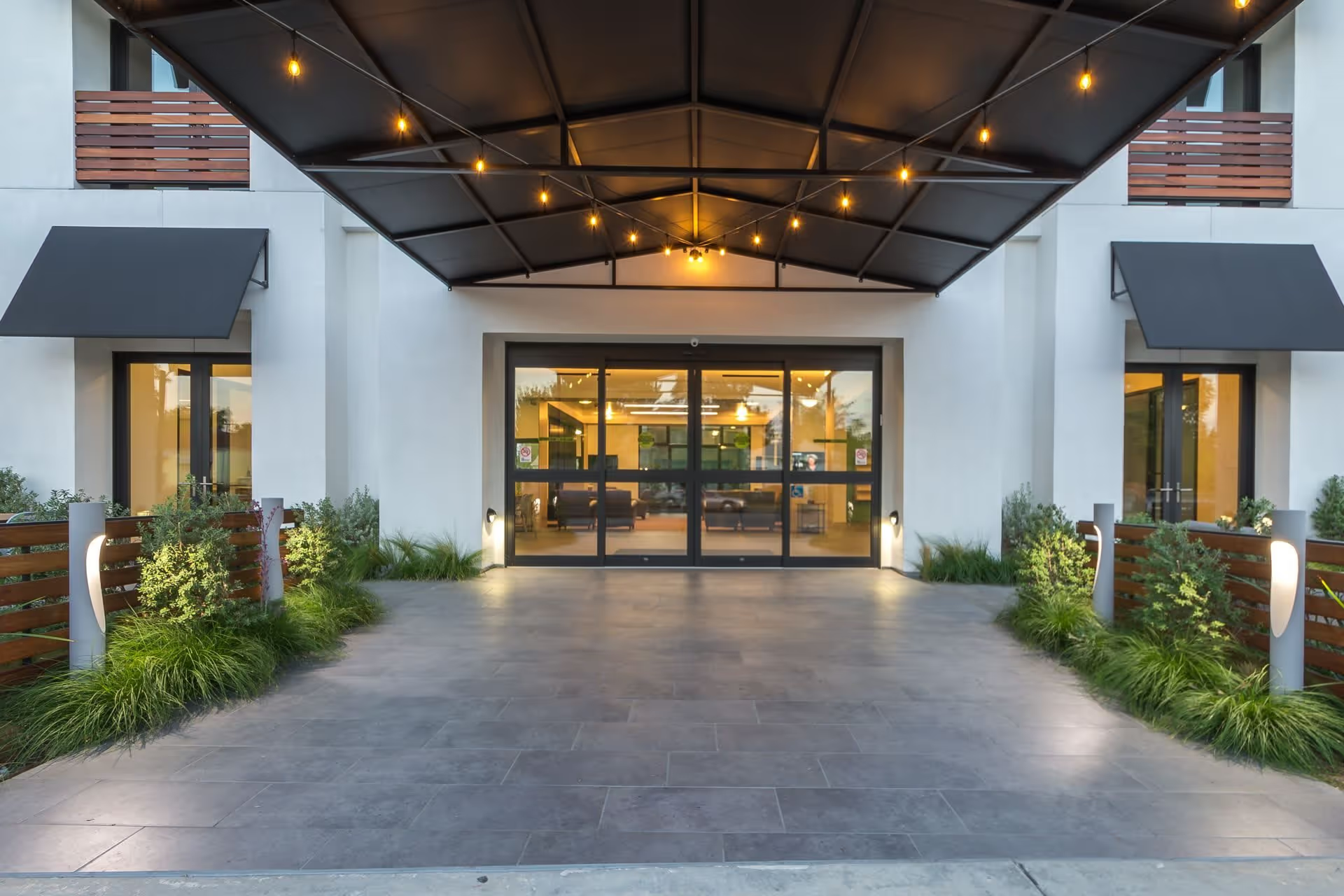
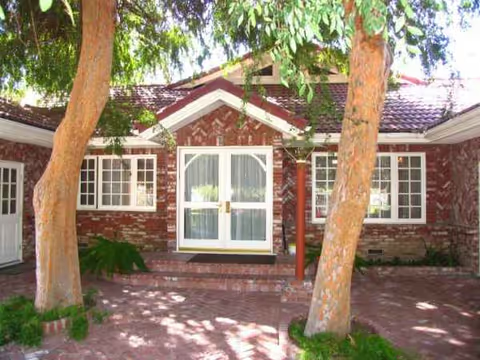
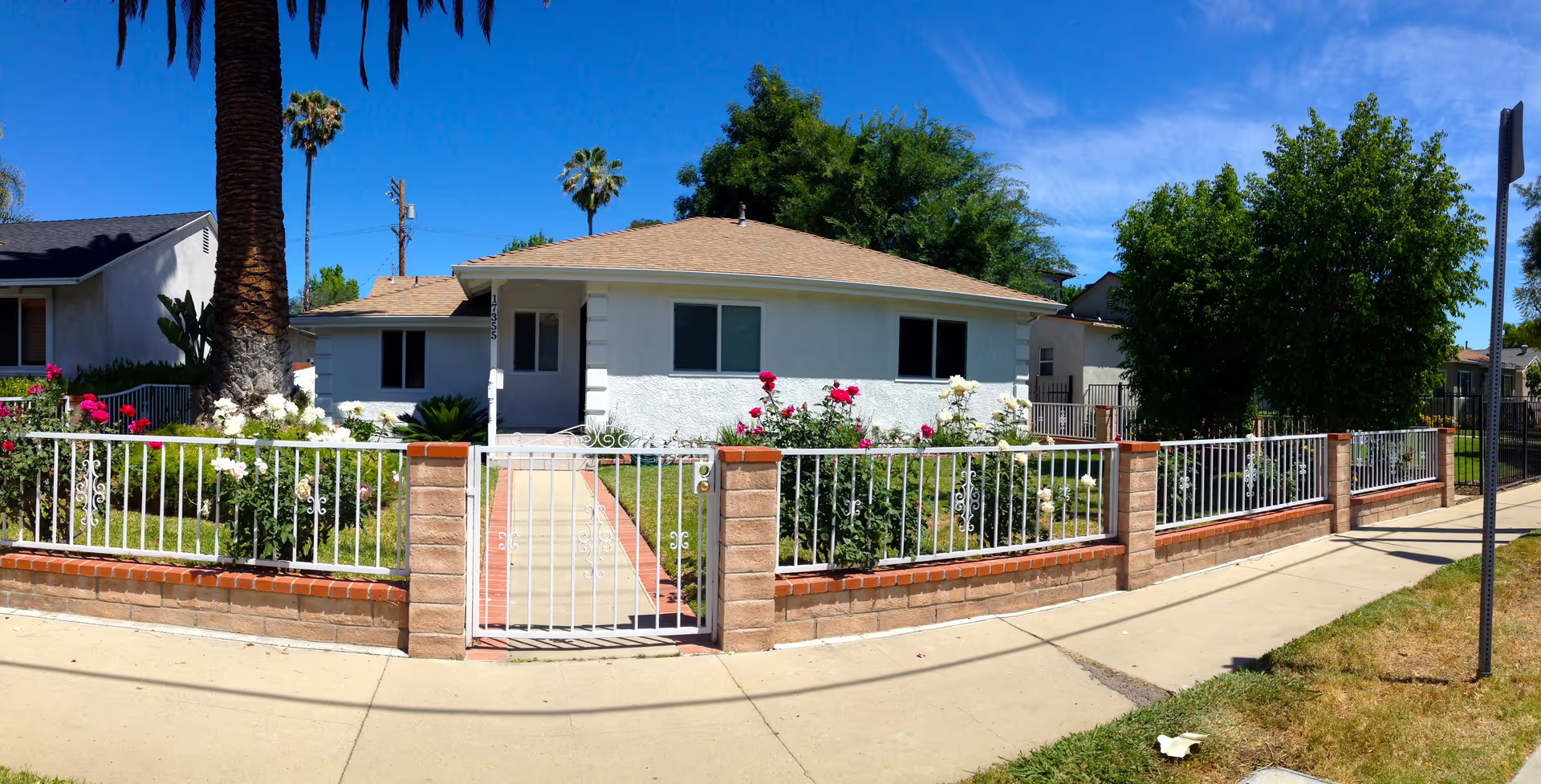
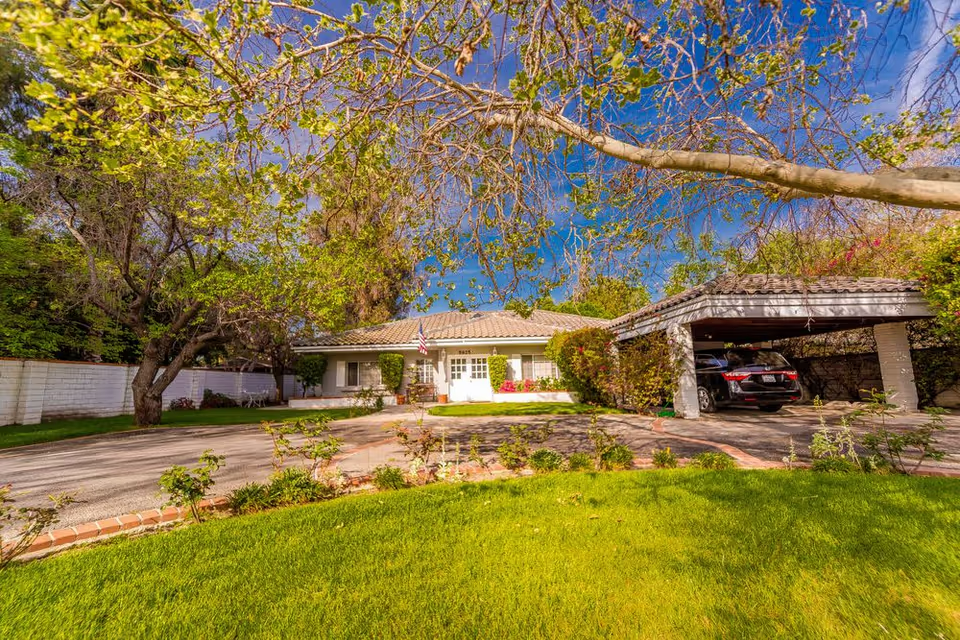
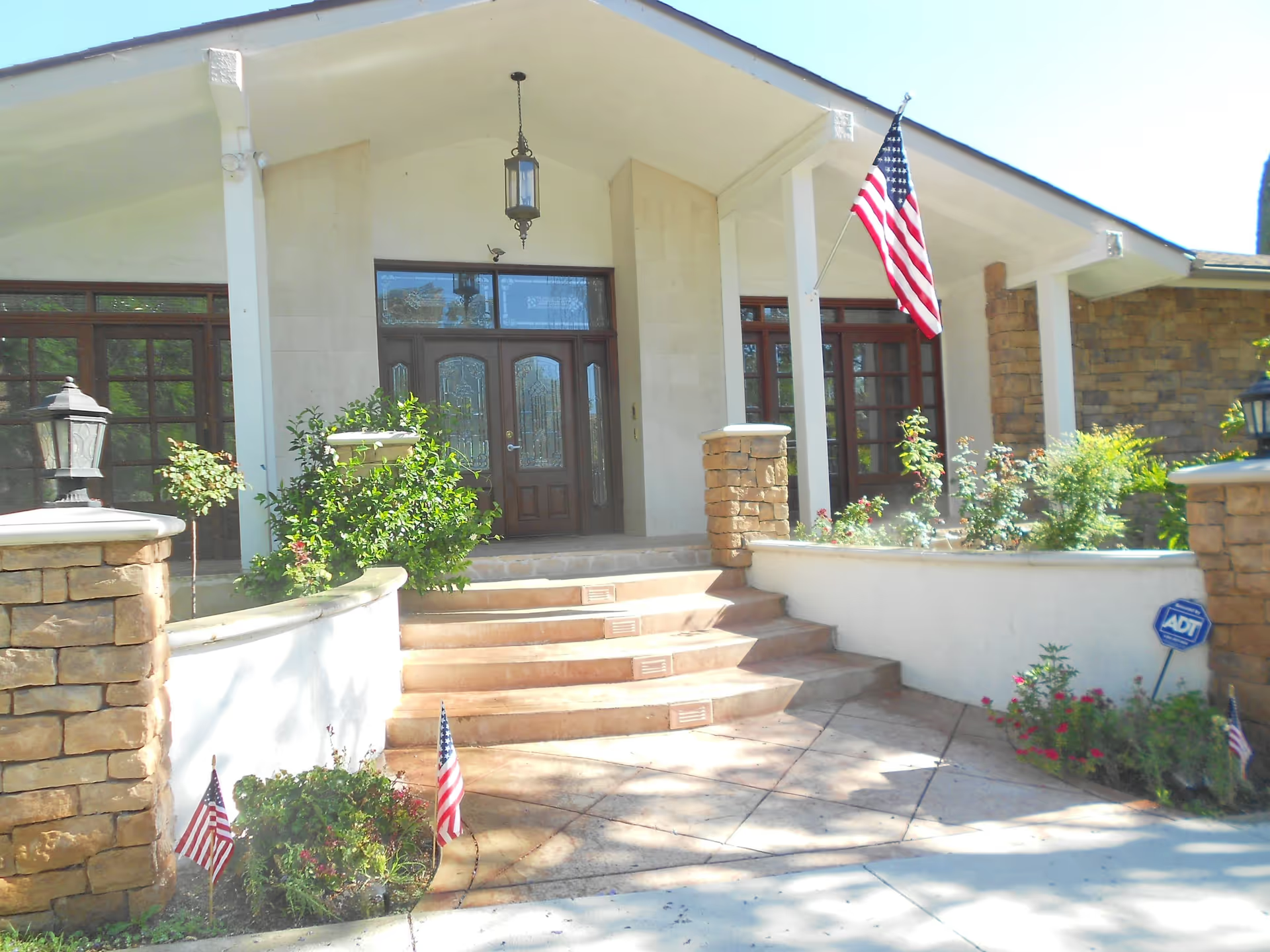
Atria Tarzana is consistently characterized as an upscale, well-maintained assisted living community with a strong emphasis on hospitality and resident engagement. Reviewers highlight a resort-like atmosphere: spacious, modern apartments, hotel-style common areas, valet and concierge services, and on-site amenities such as a gym and salon. Cleanliness and facility presentation are frequent positives, and the location near medical services is seen as convenient for families seeking easy access to care.
Care quality and staff performance are the most commonly cited strengths. Staff are described as compassionate, attentive, and personable; families emphasize proactive communication, hands-on management, and 24/7 availability for clinical concerns. There are multiple notes about individualized gestures (learning residents' names quickly, thoughtful check-ins, and crisis support), which contribute to a sense of safety and peace of mind. Several comments reference the community’s pandemic preparedness, including PPE use and limited visitation policies that were framed as protective measures.
Dining and food services receive largely positive assessments. The dining program is described as restaurant-style with a talented chef, plentiful choices, dessert with meals, and the ability to customize orders. At the same time, reviews indicate occasional variability in meal-service speed and, in a few instances, perceived inconsistency in food quality or service tempo. One comment referenced high-calorie menu items contributing to weight gain; families should evaluate dietary needs and menu options during a tour.
Social programming and activities are a clear asset. The community offers a broad calendar—exercise classes, lectures, religious services, games, musical and theatre discussions, and on-site outings—which many residents find engaging and beneficial for social connection. That said, there are a number of comments noting that offsite outings and external activities can be limited, and some residents would prefer more invitations or outreach for quieter participants. A specific accessibility gap was mentioned for hearing-impaired residents during group programs, which suggests reviewing program accommodations if auditory support is needed.
Operational caveats reflect cost and occasional service variability. The community is frequently described as expensive; many reviewers nonetheless judged the price to be justified by the level of service. Operational weaknesses raised across reviews include intermittent staffing shortages or turnover that can affect continuity, occasional lapses in follow-through on resident requests, parking and valet congestion, and underused outdoor spaces (no pool or limited garden programming in some accounts). Prospective residents should balance the premium price against these practical considerations.
In sum, Atria Tarzana projects a high-end, hospitality-oriented model of assisted living with strong staff engagement, robust programming, and well-appointed facilities. It is likely to appeal to families seeking an active social environment, attentive caregiving, and extensive on-site amenities. Prospective residents and families should confirm current staffing ratios, observe meal-service flow during meals, inquire about auditory and accessibility supports, and assess tolerance for higher monthly costs when deciding whether the community fits their priorities.