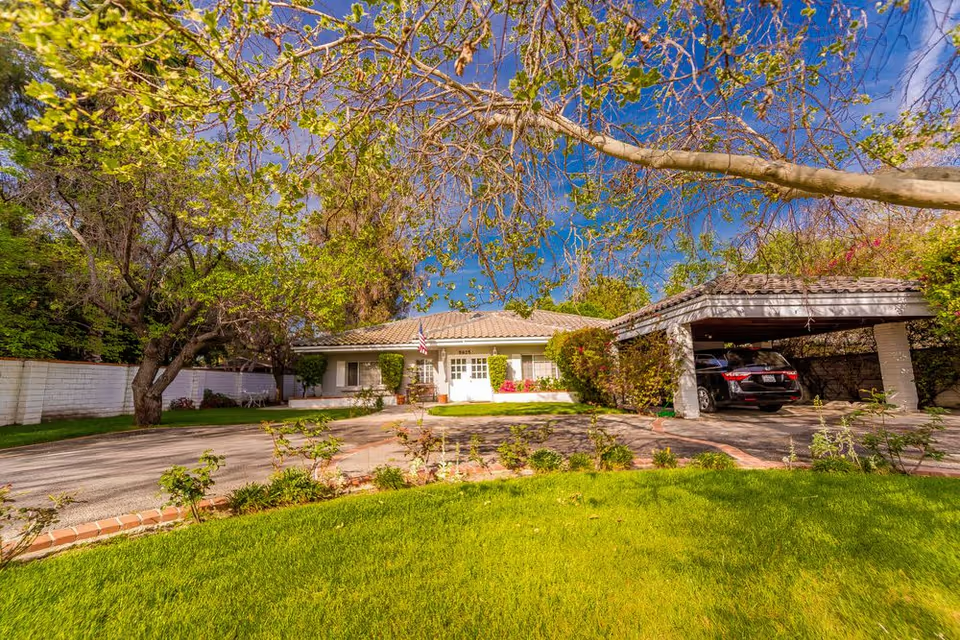
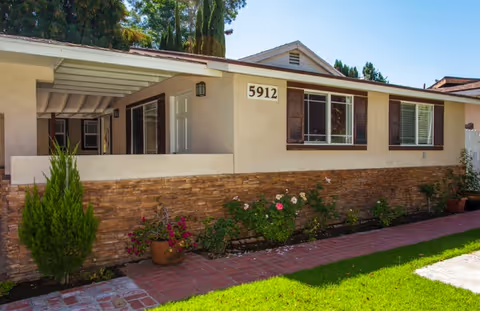
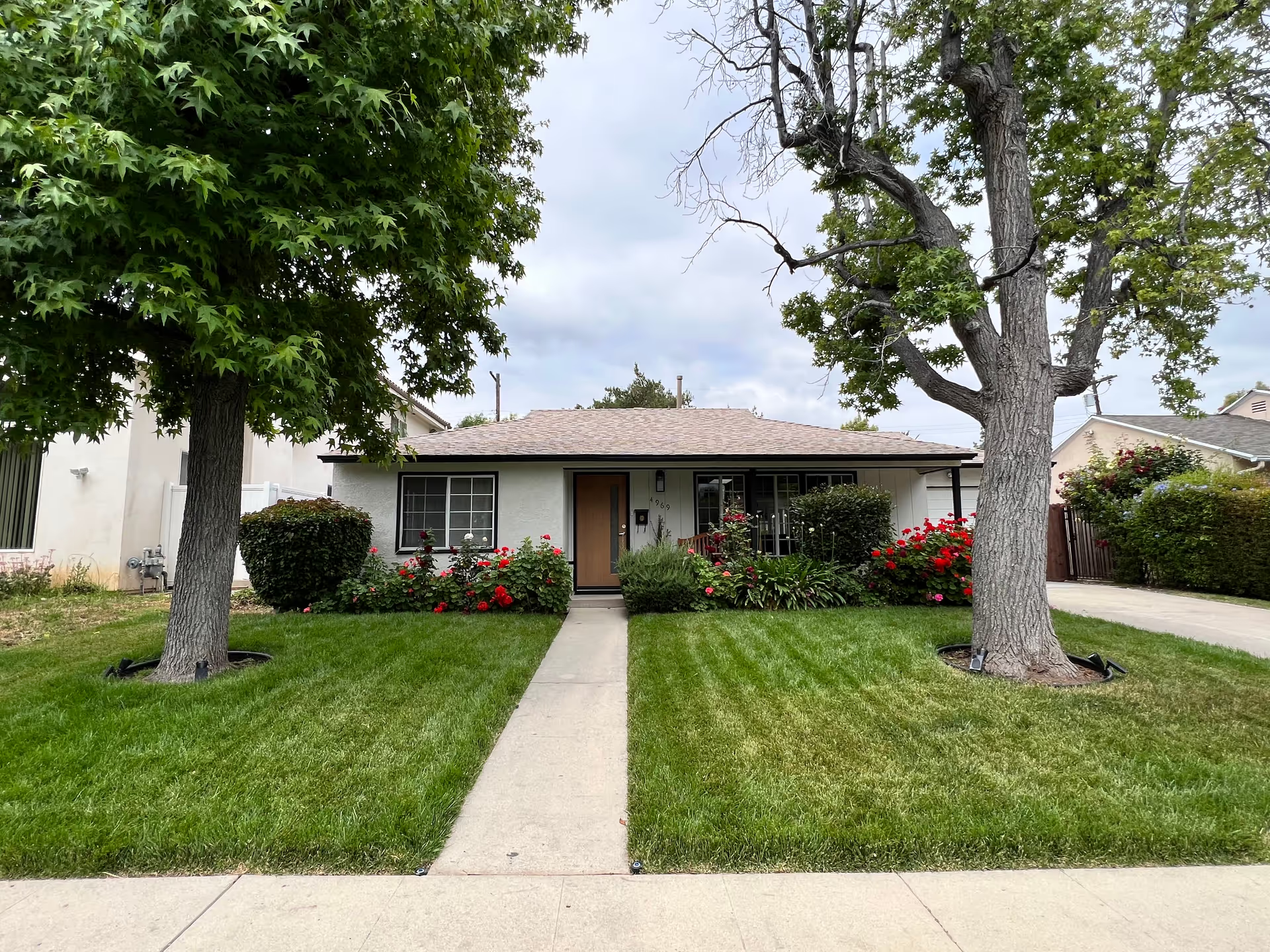
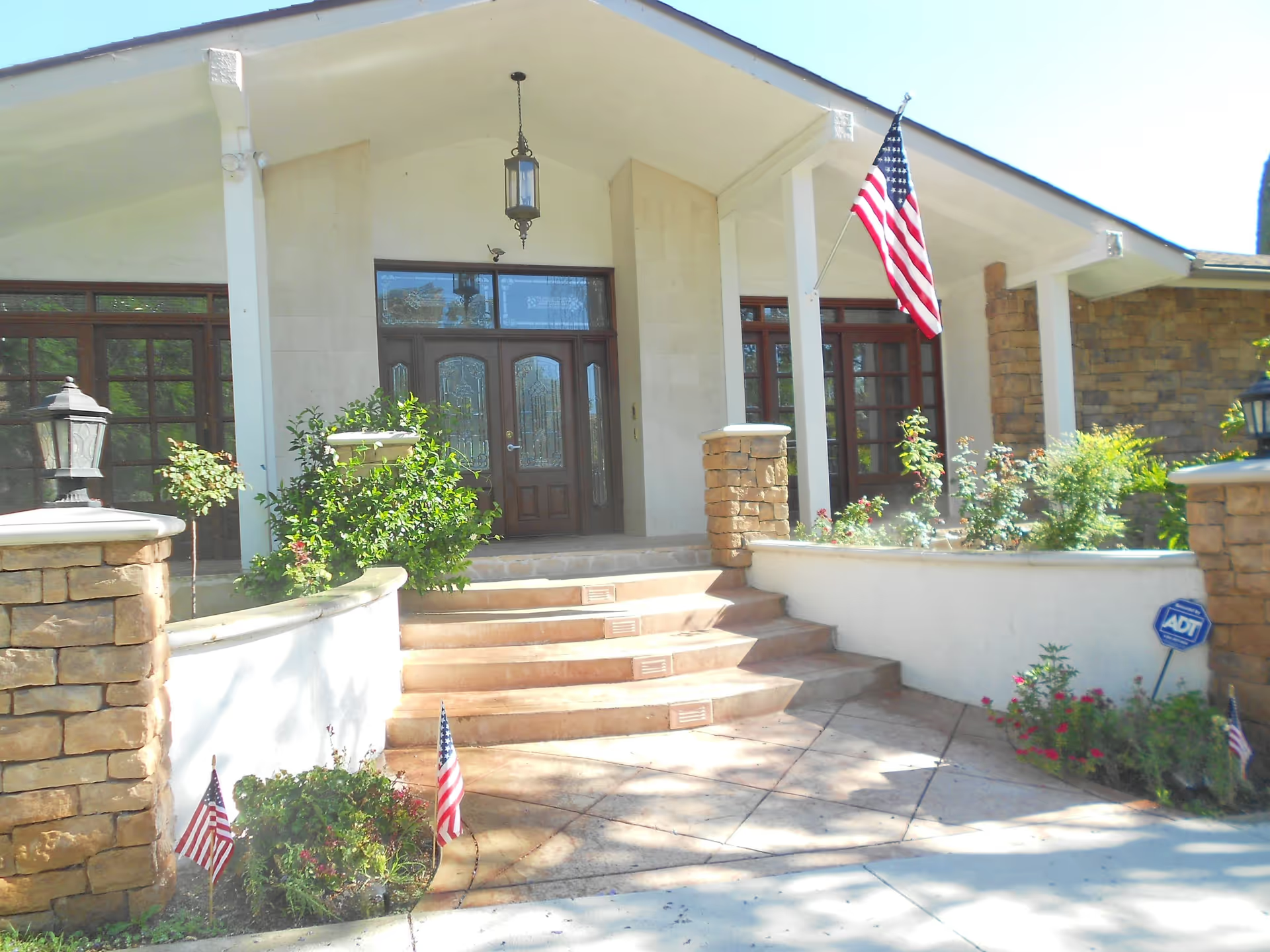
Brookdale Gardens of Tarzana generates strongly mixed but specific feedback. Many families and residents praise the facility for its warm, resident-centered culture: staff are frequently described as caring, patient, and attentive, and several reviewers specifically noted personalized move-in support and a welcoming transition. The community projects a small, home-like atmosphere with long-tenured employees and staff members who form meaningful relationships with residents. Cleanliness and upkeep are commonly cited strengths, with bright dining and common areas, attractive gardens, and multiple indoor amenities such as a theater, salon, library, game rooms, and vaulted social spaces.
Dining is a consistent selling point for many families. The community emphasizes chef-driven, restaurant-style service with a varied menu, salad bar, and all-day dining options; reviewers often mention positive interactions with kitchen staff and special meals prepared to resident preferences. At the same time, a subset of families described inconsistencies in dining execution or menu repetition, so prospective residents should sample meals and discuss dietary accommodations during a tour.
Activities programming is robust and diverse: daily movies, exercise classes, games, clubs, walking groups, outings, live entertainment, and civic or church visits are frequently noted. Activity participation appears high and social opportunities are a strong aspect of resident life. That said, some families reported turnover or changes among activity staff and limitations in transportation (van availability and driver staffing), which have reduced outing frequency for some residents.
Care and clinical operations receive mixed commentary. Many reviewers commend caregiving staff for compassion and individualized attention, prompt problem-solving by leadership, and proactive medication management in some cases. However, other accounts raise concerns about responsiveness during clinical incidents, medication-administration consistency, and variable caregiver professionalism. These observations suggest operational variability across shifts; families should request information about staffing ratios, clinical protocols, incident-response procedures, and access to on-site clinicians.
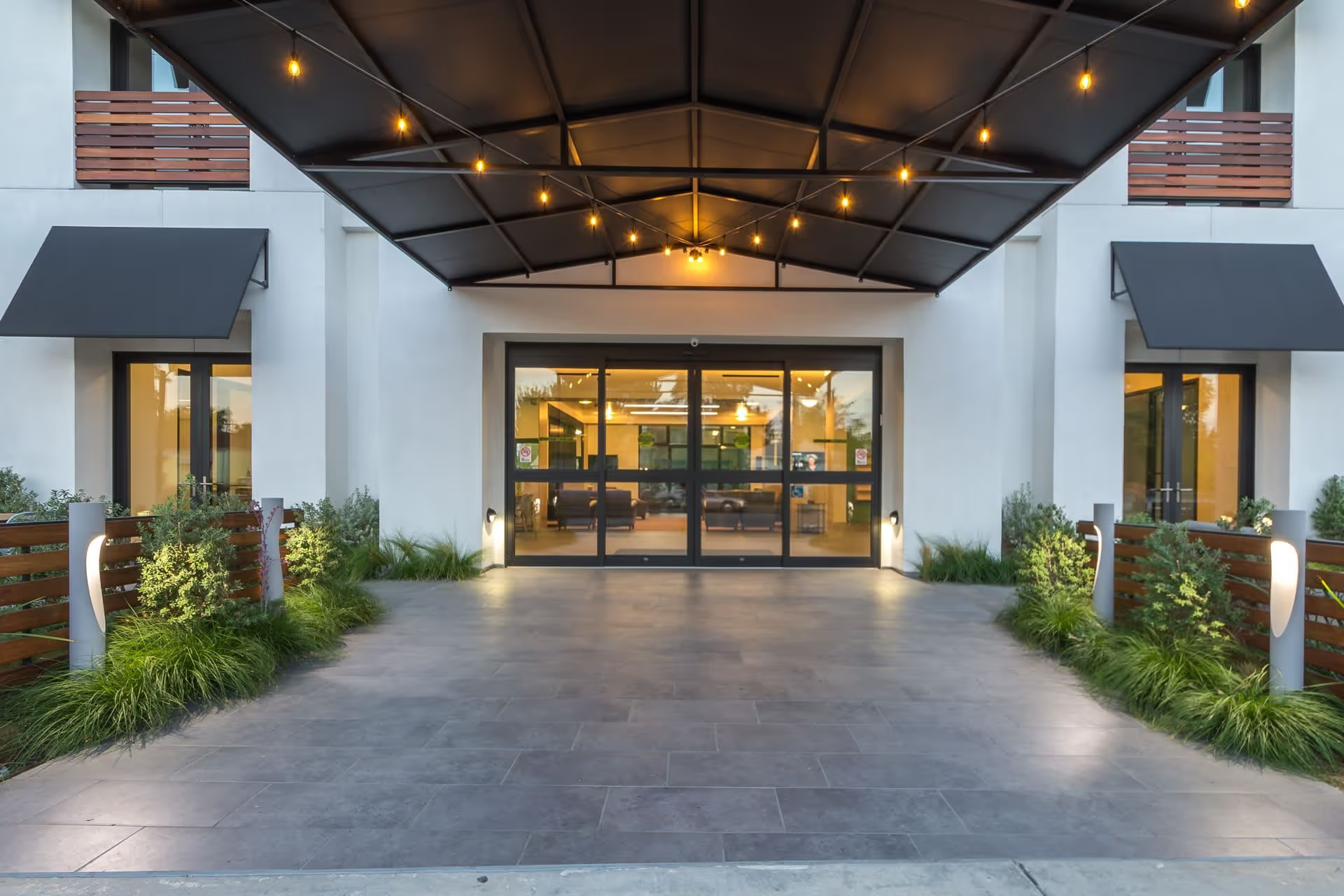
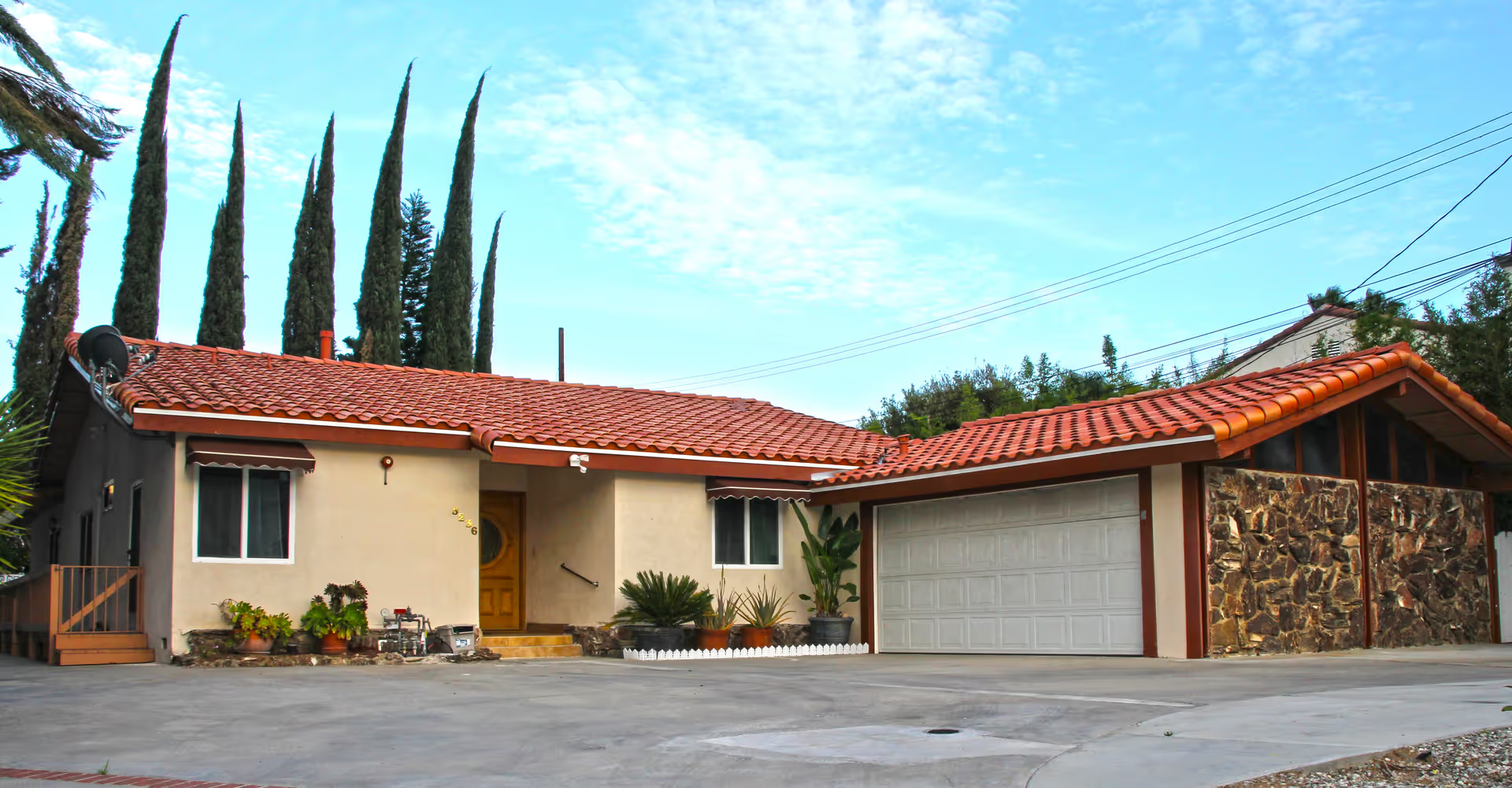
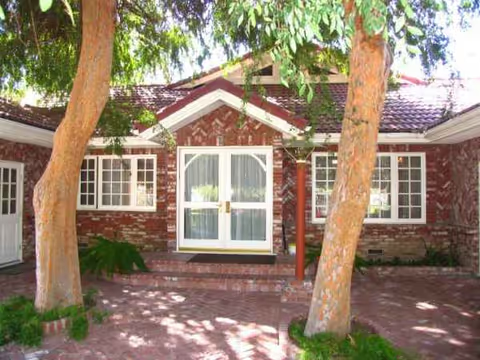
The physical plant is generally described as clean, well-maintained, and bright, though reviewers note an older building footprint in parts of the community. Apartment sizes vary widely: some units are spacious and updated, while others are small studio-style layouts without separate bedrooms. Outdoor grounds and resident-accessible outdoor dining are limited in certain areas, and reviewers cited accessibility constraints such as tight balconies, bathroom clearance, and entry ramps in portions of the property. Memory-care services are either restricted or not available for some residents, making the community less suitable for families seeking an integrated memory-care option.
Management and administrative practices show a split in perception. Several families commend recent leadership for organized operations, clearer communication, and improvements in dining and activities. Conversely, other reviewers raised concerns about complaint resolution, front-desk professionalism, unclear admissions paperwork, billing practices, and cost escalation over time. A few reviews described serious safety and incident-related concerns; these are individual-level claims that merit direct follow-up with the operator and review of the facility's clinical incident, staffing, and grievance documentation.
Overall, Brookdale Gardens of Tarzana offers many attributes attractive to prospective independent or assisted living residents: a strong social program, chef-led dining, comfortable communal spaces, and a staff culture that is compassionate in many instances. Prospective residents and families should balance these strengths against operational variability identified in staffing, clinical response, accessibility, transportation, memory-care availability, and administrative transparency. Recommended next steps before decision-making include touring during multiple times of day, meeting staff across shifts, sampling meals, reviewing the admissions agreement and billing policies, obtaining current staffing ratios and transportation schedules, and asking for documented protocols for medication administration and incident response.