North Park Post-Acute presents a mixed but actionable profile. Reviewers consistently highlight the facility’s clinical strengths: a visible culture around rehabilitation and recovery, strong physical/occupational/speech therapy teams, and social-work staff who assist with discharge planning and home transition. Many families describe clear communication from clinicians and social services, front-desk staff who facilitate logistics, and hands-on caregiver teams that are attentive and reassuring. These strengths are reflected in frequent reports of improved mobility, successful discharges, caregiver training (including remote coaching), and a warm, community-oriented atmosphere that families appreciate.
Care and staffing show a clear contrast between clinical excellence and operational variability. Therapy and some nursing teams are described as skilled, patient, and proactive; however, recurring concerns focus on inconsistent staffing levels, particularly on weekends, and delays in attending to call lights or routine needs. Reviewers raised issues about medication-administration practices and clinical oversight that suggest uneven adherence to protocols in some shifts. There are also accounts indicating gaps in infection-control practices and PPE use. A small number of serious safety and end-of-life concerns were reported; while these appear isolated in the dataset, they underscore the importance of asking about current clinical oversight, incident-reporting policies, and recent corrective actions when evaluating the facility.
Dining and activities receive mixed feedback. Several families praise improved meal taste and special events, and many residents enjoy the recreation program, outings, and in-house activities that contribute to social engagement. At the same time, others describe inconsistent menu adherence and variable meal quality. Prospective residents should expect an active calendar but may want to sample meals or inquire about menu rotation and accommodations for personal preferences.
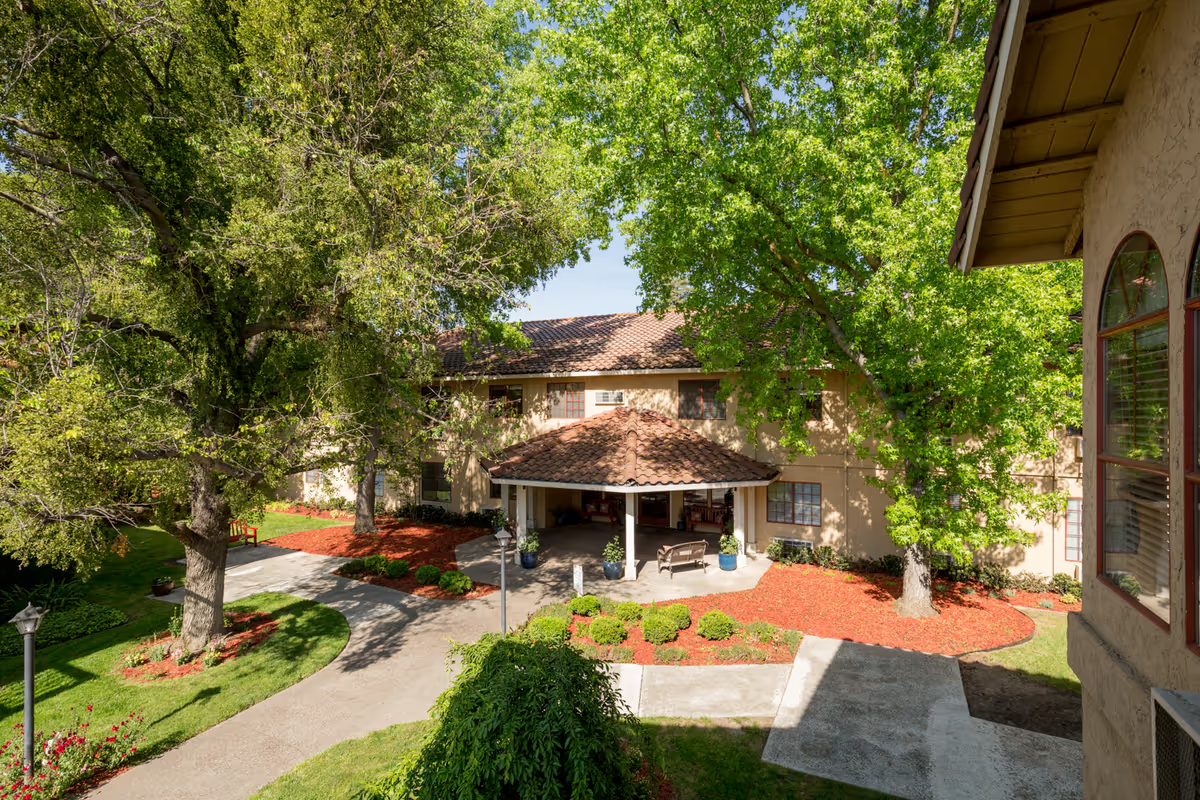
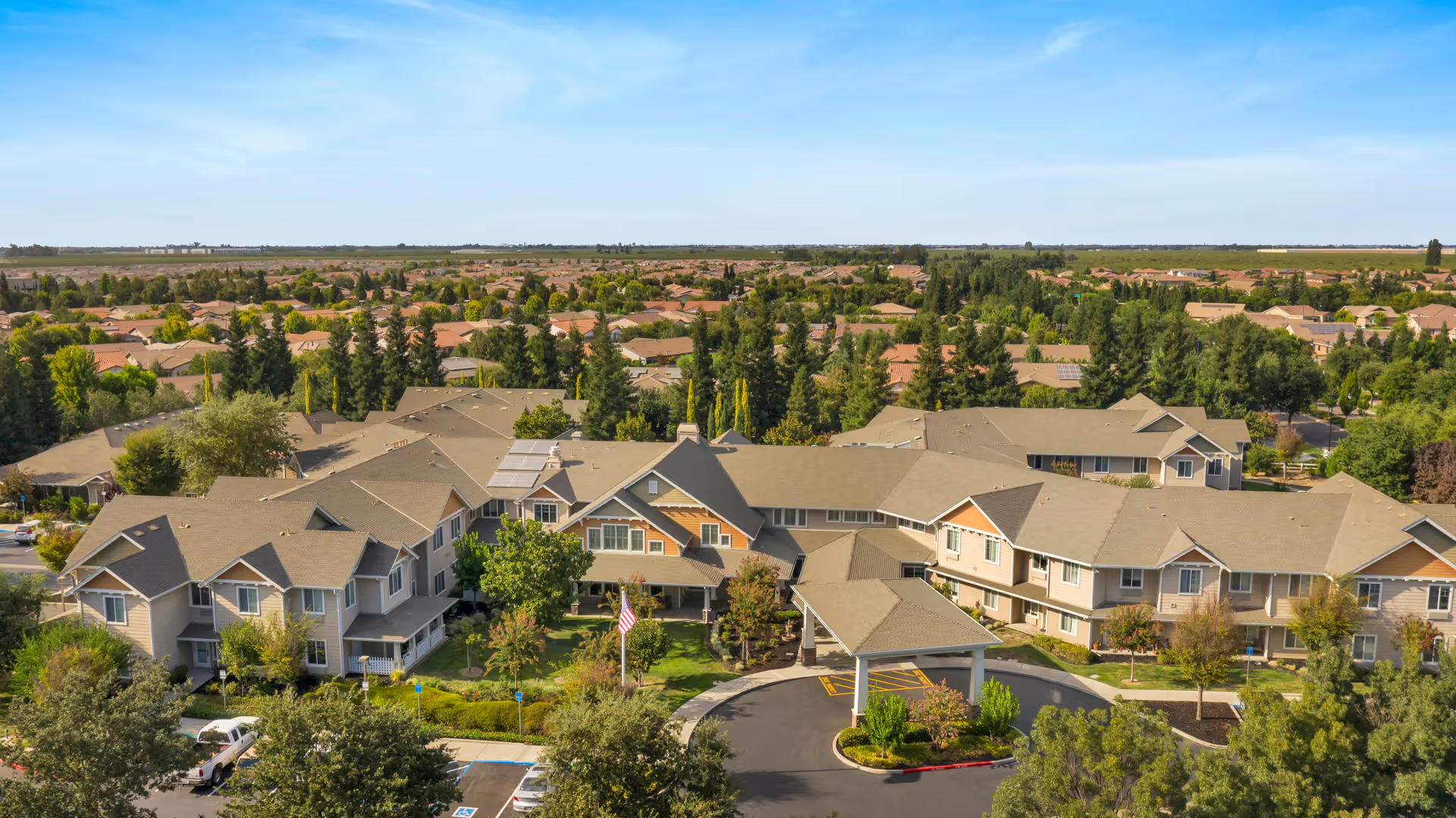
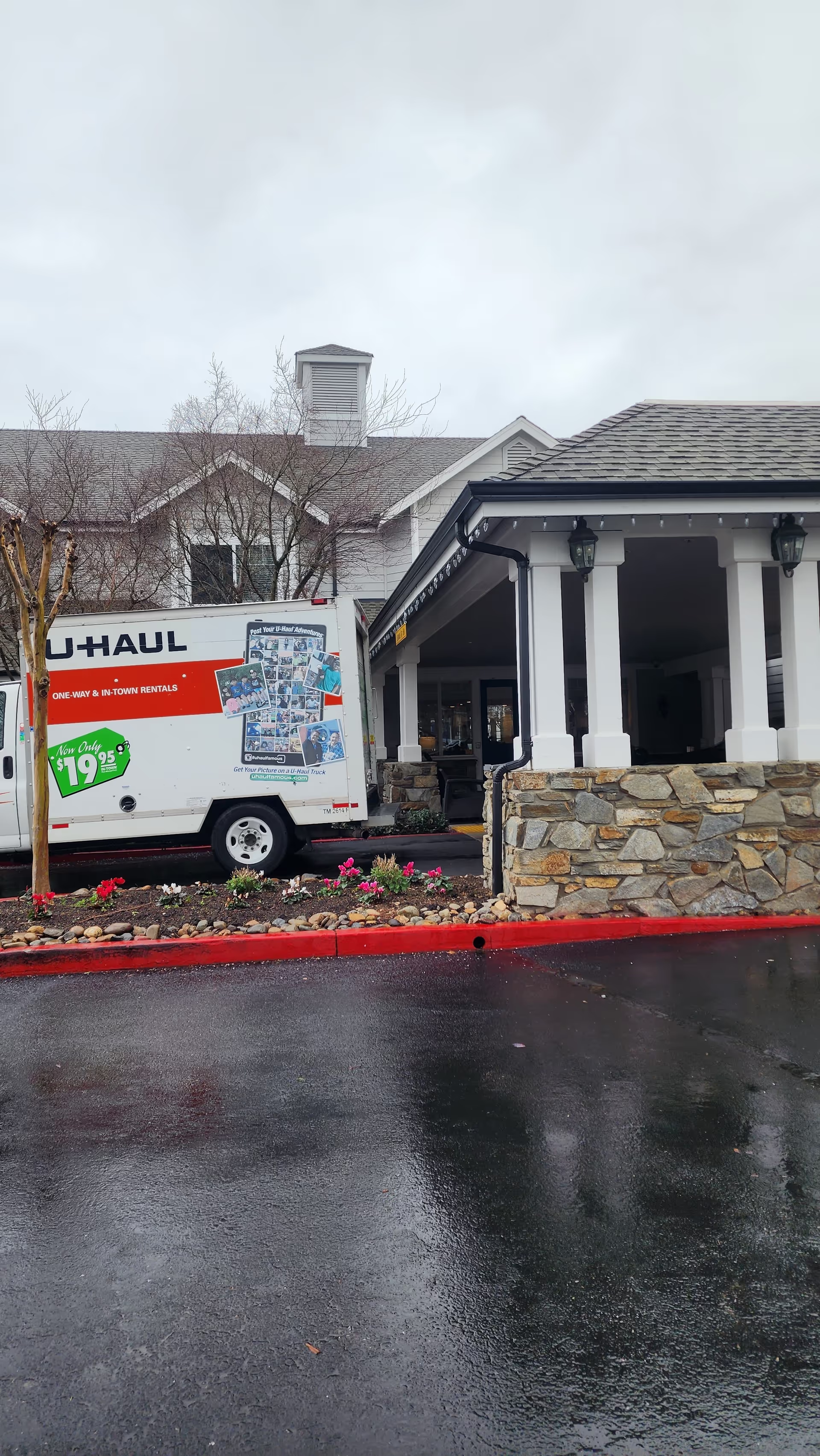
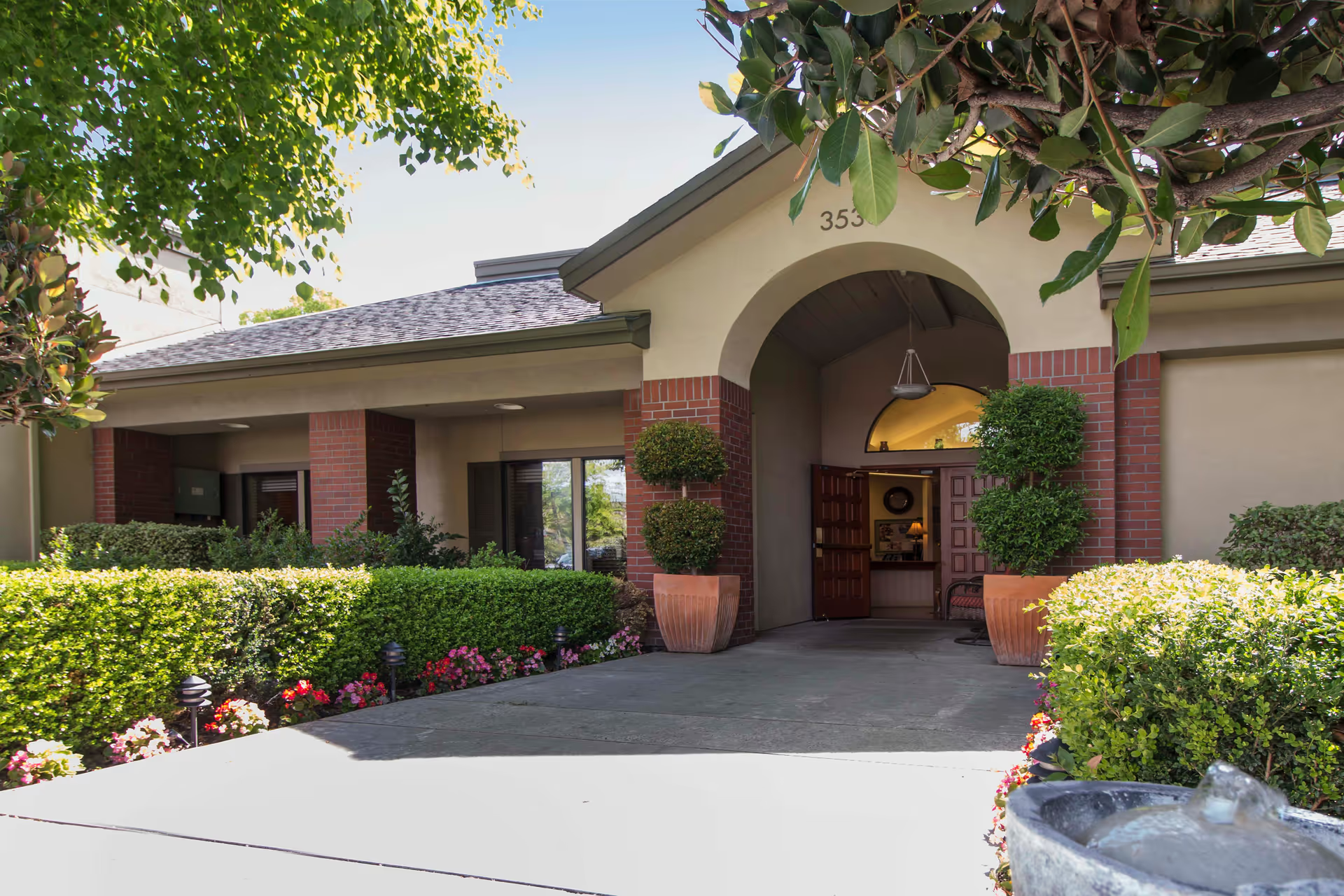
Facility condition and maintenance feedback is also mixed. Multiple commenters describe clean, bright areas and ongoing renovations that have modernized portions of the building; new management and leadership changes are credited with positive energy and improvements in some units. Conversely, other reviewers cite aging furniture, slow or uneven renovation progress, HVAC issues, and sanitation concerns in certain rooms or bathrooms. These comments suggest the physical plant condition varies by unit and that construction/refresh work is still underway in places.
Management and administration earn both praise and criticism. Several families commend recent leadership, improved communication, and operations staff who go above and beyond. Others describe inconsistent administrative responsiveness, missing personal items, and weaknesses in documentation or incident reporting. These operational gaps—coupled with the staffing variability noted above—point to organizational areas that may require continued attention and oversight.
Bottom line: North Park Post-Acute demonstrates notable strengths in rehabilitation care, engaged therapy teams, social-work coordination, and a family-oriented culture. At the same time, prospective residents and families should probe operational areas before placement: current staffing ratios (including weekend coverage), medication-administration and clinical oversight practices, infection-control protocols, recent incident-reporting outcomes, and the status/timeline of ongoing renovations. Visiting the unit, meeting the therapy and nursing leads, and asking for recent quality metrics or inspection results will help determine whether the facility’s strong clinical elements are reliably supported by consistent operational performance.