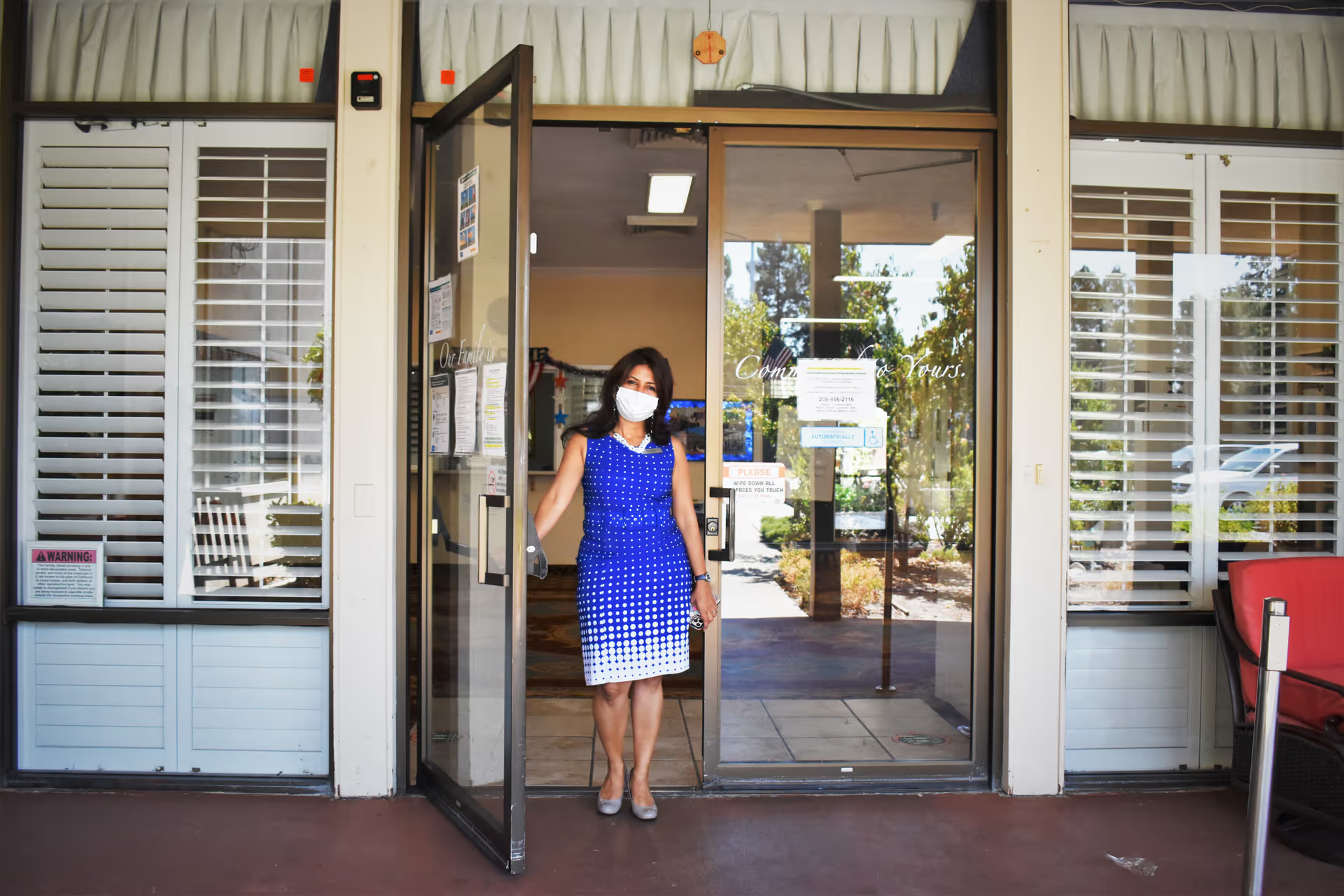
Summerfield of Stockton presents as a memory-care–focused community with a strong emphasis on personalized, resident-centered services. Across many accounts families describe compassionate caregivers who learn residents’ names and routines, long-tenured staff, and an organizational culture that prioritizes dignity and social engagement. The community’s memory-care specialization is reinforced by programs such as the Montessori-based Bridge to Rediscovery and a structured Day Break program; reviewers consistently reference staff training and approaches tailored to cognitive impairment.
Care quality and staffing trends are generally positive: reviewers commonly cite attentive nurses, hands-on one-to-one support, and continuity of care within the cottage/pod model. That design—four smaller cottages with separate dining and living areas—contributes to a home-like atmosphere and easier supervision. Leadership presence and proactive management are mentioned frequently, as are regular family communications (weekly updates, photos, Facetime/Zoom options) and coordinated transitions to hospice or palliative services when needed.
Dining and personal services receive mixed-but-leaning-positive feedback. Many families praise chef-prepared meals, menu variety, appealing presentation, and on-site salon services. Live music, holiday events, and social meals are described as meaningful parts of daily life. However, there are recurring notes about inconsistent meal temperature and variable food quality in some instances, indicating occasional gaps in meal-service execution.
The activities program is a pronounced strength. Reviewers highlight an extensive calendar with live music, exercise classes (including tai chi), bingo, bowling, arts and crafts, word games, and frequent social events such as BBQs and holiday brunches. The emphasis on social interaction and cognitive stimulation is consistent with the facility’s memory-care focus and is frequently associated with noticeable improvements in resident mood and engagement.
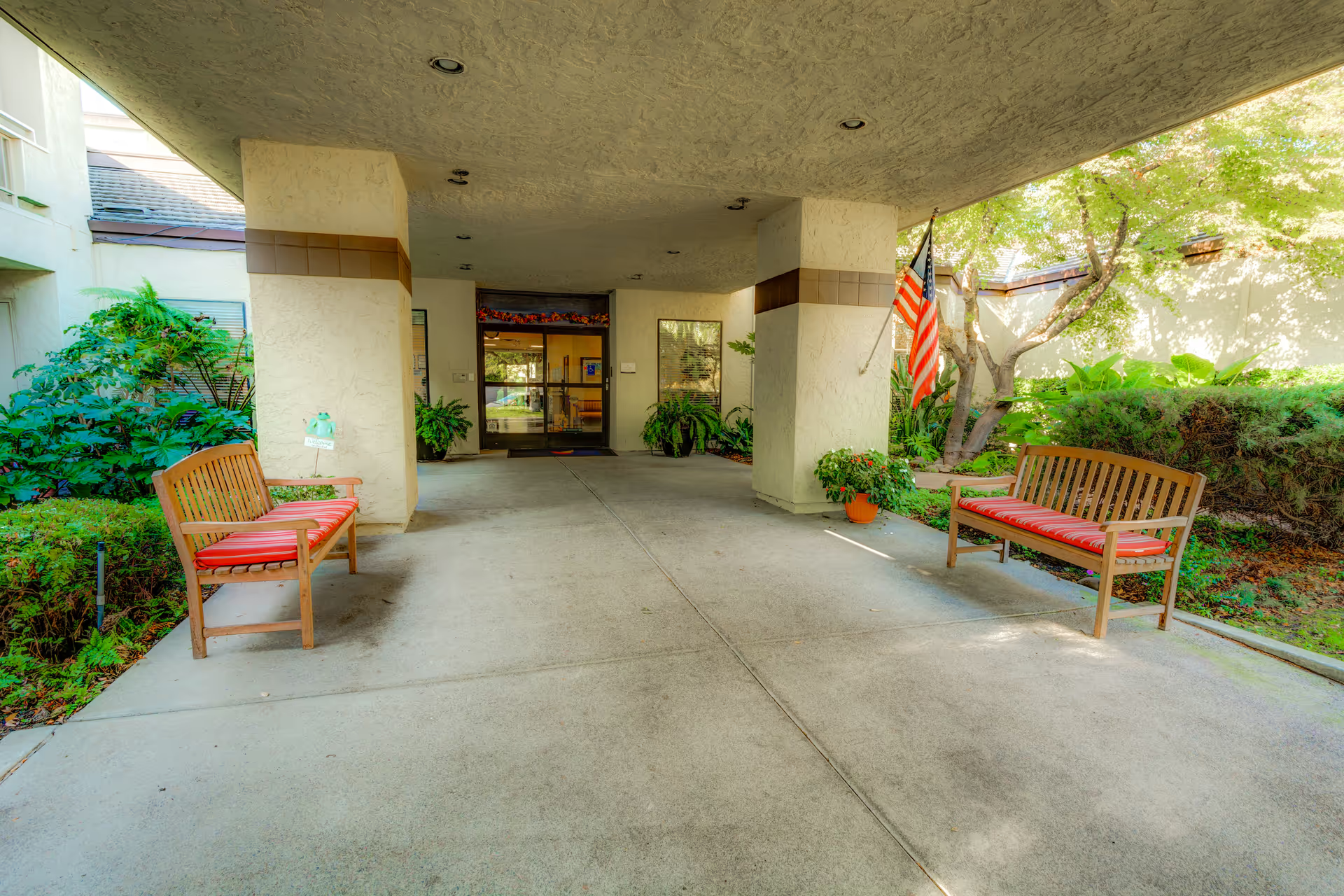
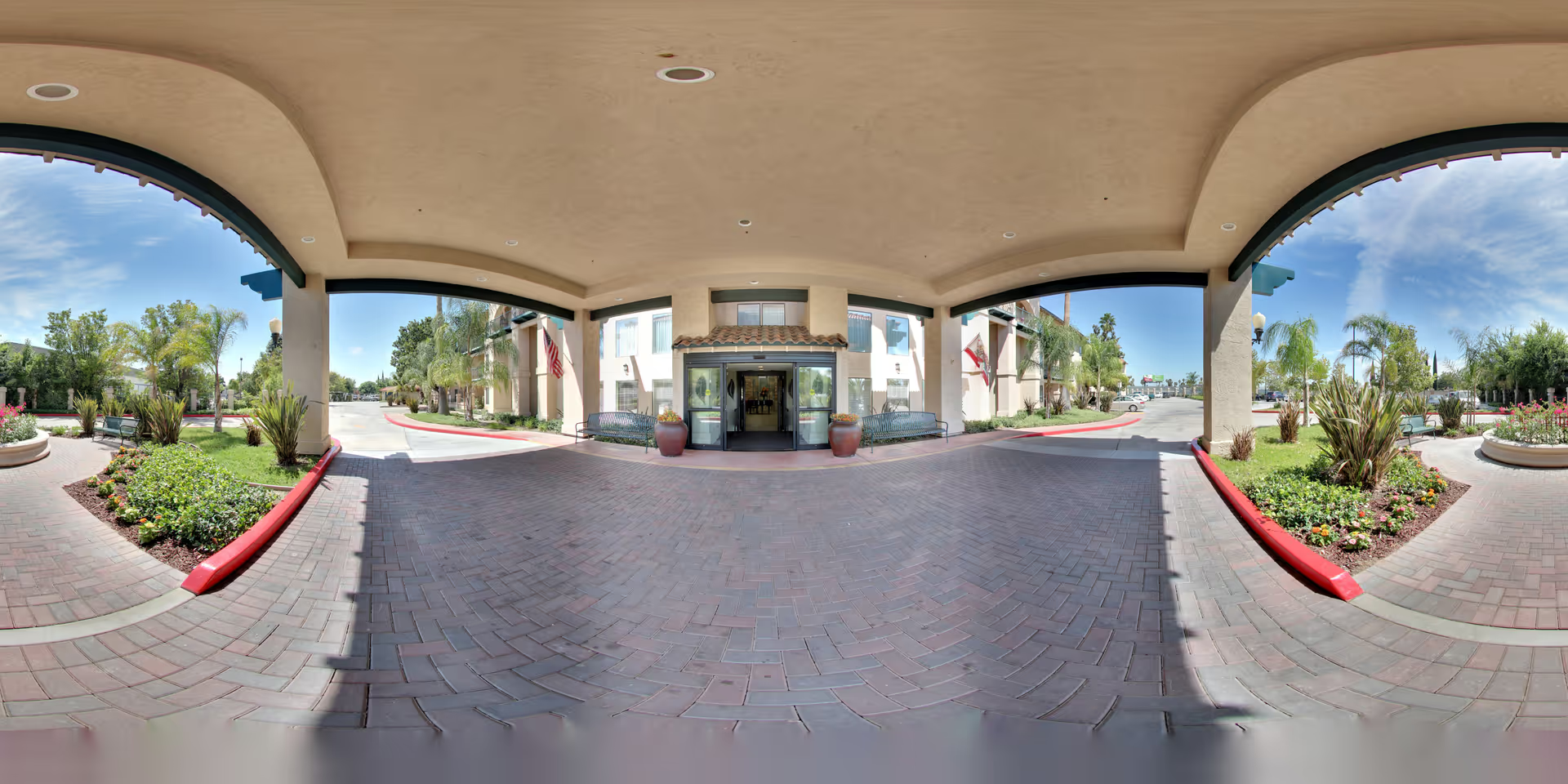
Facilities and grounds are another positive area: the property is described as well-maintained with attractive courtyards, walkable gardens, and secure outdoor spaces that support safe wandering. Private rooms and en-suite options are available and many families find rooms comfortable and appropriately furnished. That said, some reviewers described maintenance and sanitation variability in certain private rooms—examples include cabinetry or fixture disrepair and localized sanitation concerns—suggesting unevenness in upkeep across units.
Notable patterns of concern center on operational consistency. Several families reported gaps in staffing coverage (notably weekend clinical coverage), variability in administrative responsiveness (including front-desk/phone delays), and occasional disruptions when key activity staff change. There are also isolated but significant clinical concerns related to medication management and incident handling; these comments suggest the facility may require active family advocacy in some cases to ensure individualized oversight. A small number of reviewers raised serious allegations regarding property security and food handling, which merits attention during tour and contract discussions.
In summary, Summerfield of Stockton appears to offer a high-touch, memory-care–oriented environment with strong programming, engaged staff, and a homelike campus design that many families find reassuring. Prospective residents and families should weigh the documented strengths—specialized memory-care approaches, robust activities, and communicative leadership—against operational variability in staffing, maintenance, meal service, and medication oversight. During a visit, families would be well served to review staffing schedules (including weekend clinical coverage), inspect living-unit maintenance, ask about medication and clinical-incident protocols, and clarify property-security measures to ensure the community’s day-to-day operations align with their expectations.