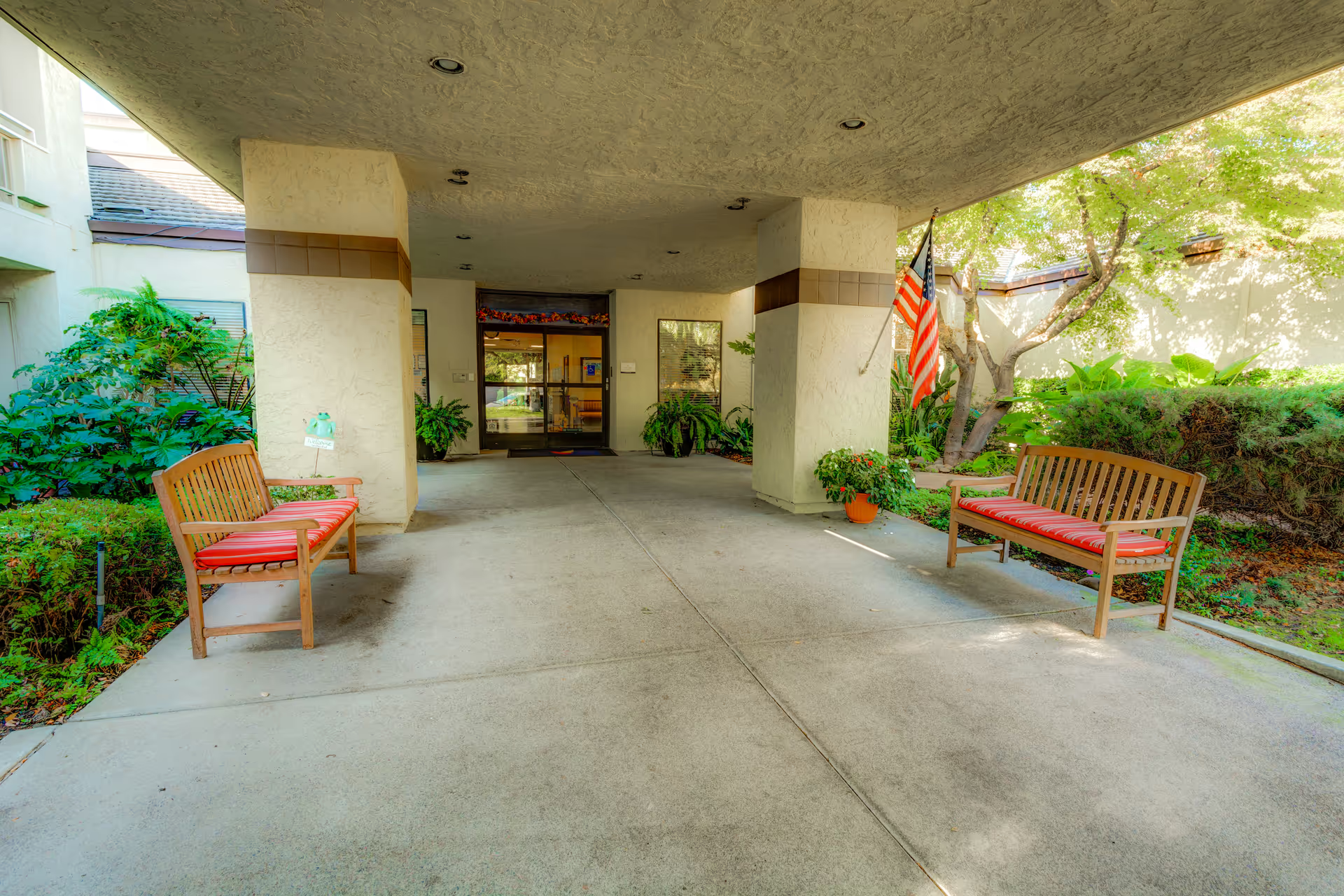
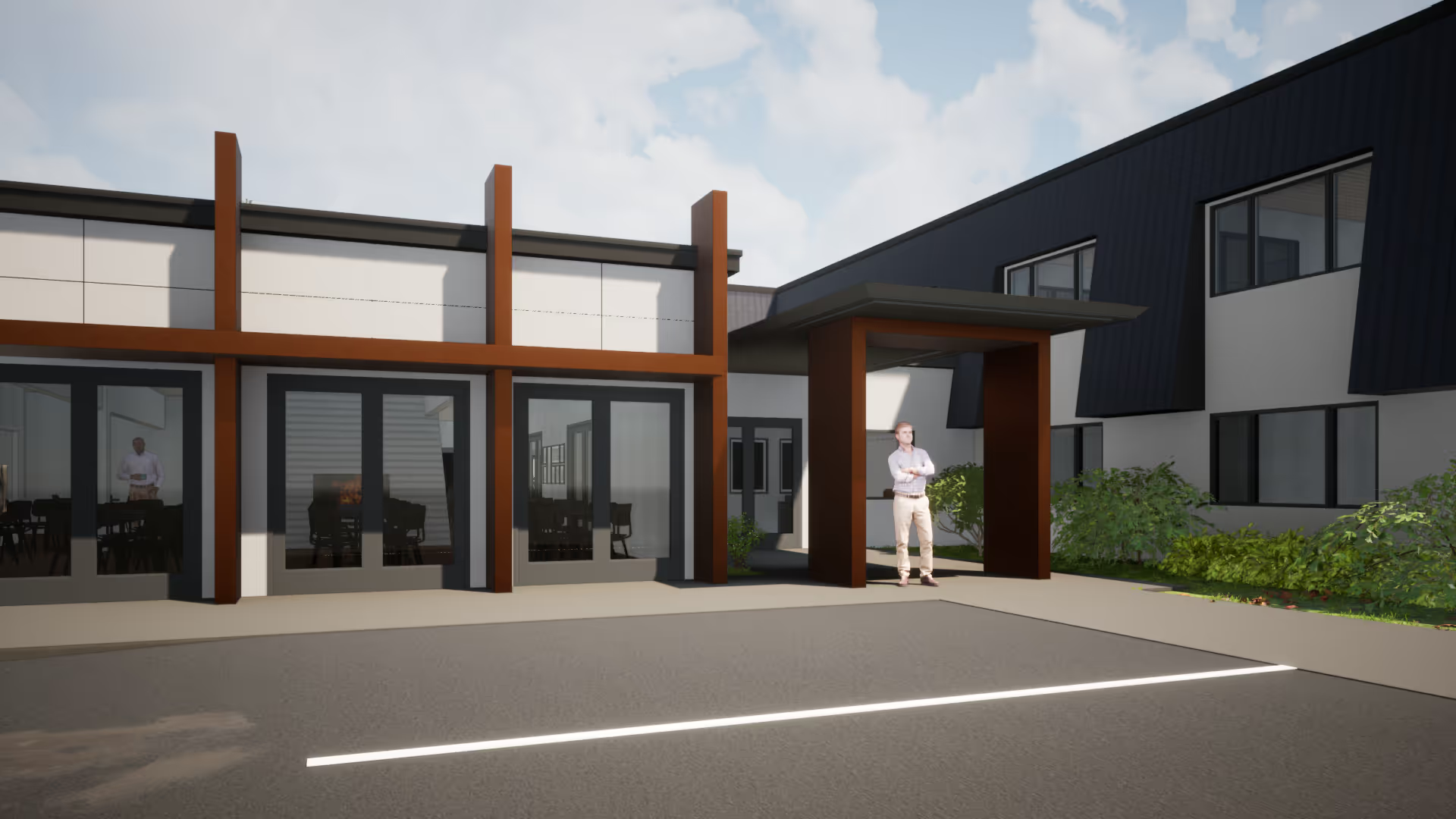
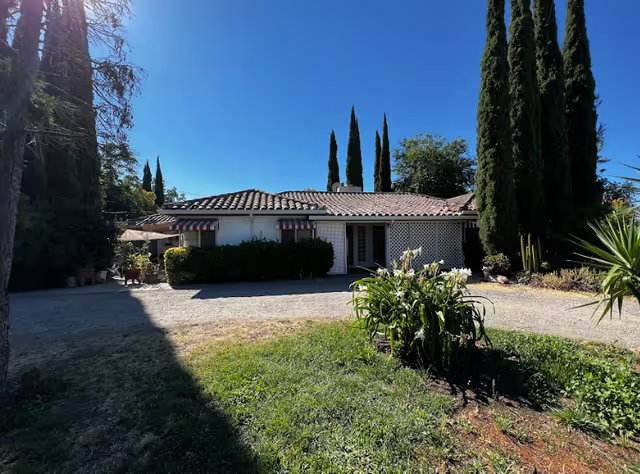
Overview: Rio Las Palmas is frequently described as an attractive, well‑appointed assisted‑living community with a strong emphasis on resident comfort and social engagement. Reviewers highlight thoughtfully updated interiors, landscaped grounds, and apartment-style floorplans (including one‑ and two‑bedroom units with balconies). Many families report that the campus atmosphere feels welcoming and homelike, with on-site amenities such as a salon, gym, movie room, library, pool room, and secure gated entry.
Care and staff: The dominant theme in reviews is positive staff behavior and clinical attentiveness. Nursing staff, med‑techs, and care teams are commonly praised for compassion, medication management, and prompt emergency response; several families specifically named individual staff and directors who provided dependable communication and hands‑on support. At the same time, there are recurring operational concerns: families note variability in caregiver friendliness and occasional delays or lapses in direct‑care continuity. A limited number of more serious, individual events cited by families raise questions about handoff and coordination practices; prospective families should ask about current staffing ratios, supervision, and protocols for clinical incidents during a tour.
Dining: Dining is a mixed picture. Many reviewers praise restaurant‑style meals, varied menus, and an enjoyable dining room experience; others characterise food quality as inconsistent, with restricted choices at times and limited meal hours. In‑room dining or room‑service options may involve additional charges, and menu availability has at times been affected by operational changes (for example, during pandemic precautions). Visitors should confirm current menu variety, meal schedules, accommodation for dietary needs, and any fees for in‑room service.
Activities and programs: The community offers a broad array of activities — exercise classes, arts and crafts, Bible study and church services, bingo, karaoke, cooking demonstrations, movie showings, regular outings, seasonal parties and specialty clubs — and transportation for field trips. These offerings support social engagement and mental stimulation. Reviewers also indicate that participation levels vary; some activities skew toward residents who are ambulatory, and a few families wished for more structured fitness/therapy options or programming adapted for limited‑mobility residents. Memory‑care programming is not available on site, which is an important consideration for those with progressive cognitive impairment.
Facilities and operations: Facility upkeep and cleanliness receive substantial praise, with regular housekeeping, well‑maintained grounds, and contemporary common areas. A minority of comments mention cleaning‑supply odors in certain spaces or isolated maintenance follow‑through issues. There are also repeated concerns about the surrounding neighborhood environment — proximity to railroad tracks and transient populations — which some families feel affects perceived safety outside the gated campus. Prospective residents should inspect perimeter security and ask about accompaniment policies for off‑campus trips.
Management and notable patterns: Leadership and on‑site management are often singled out positively for proactive communication, move‑in coordination, and family outreach; several administrators and directors are named for exemplary responsiveness. Conversely, there are a few isolated but significant administrative concerns, including billing/contract communication and responsiveness to email/voicemail. These issues appear limited in frequency but meaningful to affected families; it is advisable to review contract terms and escalation procedures before committing.
Bottom line: For seniors seeking a socially active, well‑maintained assisted‑living environment with compassionate clinical staff and abundant amenities, Rio Las Palmas presents many strengths. Key tradeoffs to evaluate in person are current dining practices and menu consistency, the absence of an on‑site memory‑care unit, staff communication practices during off hours, and the campus perimeter security relative to the surrounding neighborhood. Asking targeted questions about staffing levels, incident protocols, activity accessibility for mobility‑limited residents, and billing policies will help families determine whether the community aligns with their clinical and lifestyle needs.