Overall impression: Review feedback is generally positive about daily caregiving, facility maintenance, and communication, but indicates a clear scope limitation: this facility is perceived as best suited for ambulatory, communicative residents with mild or short-term care needs rather than for high-acuity or non-communicative patients.
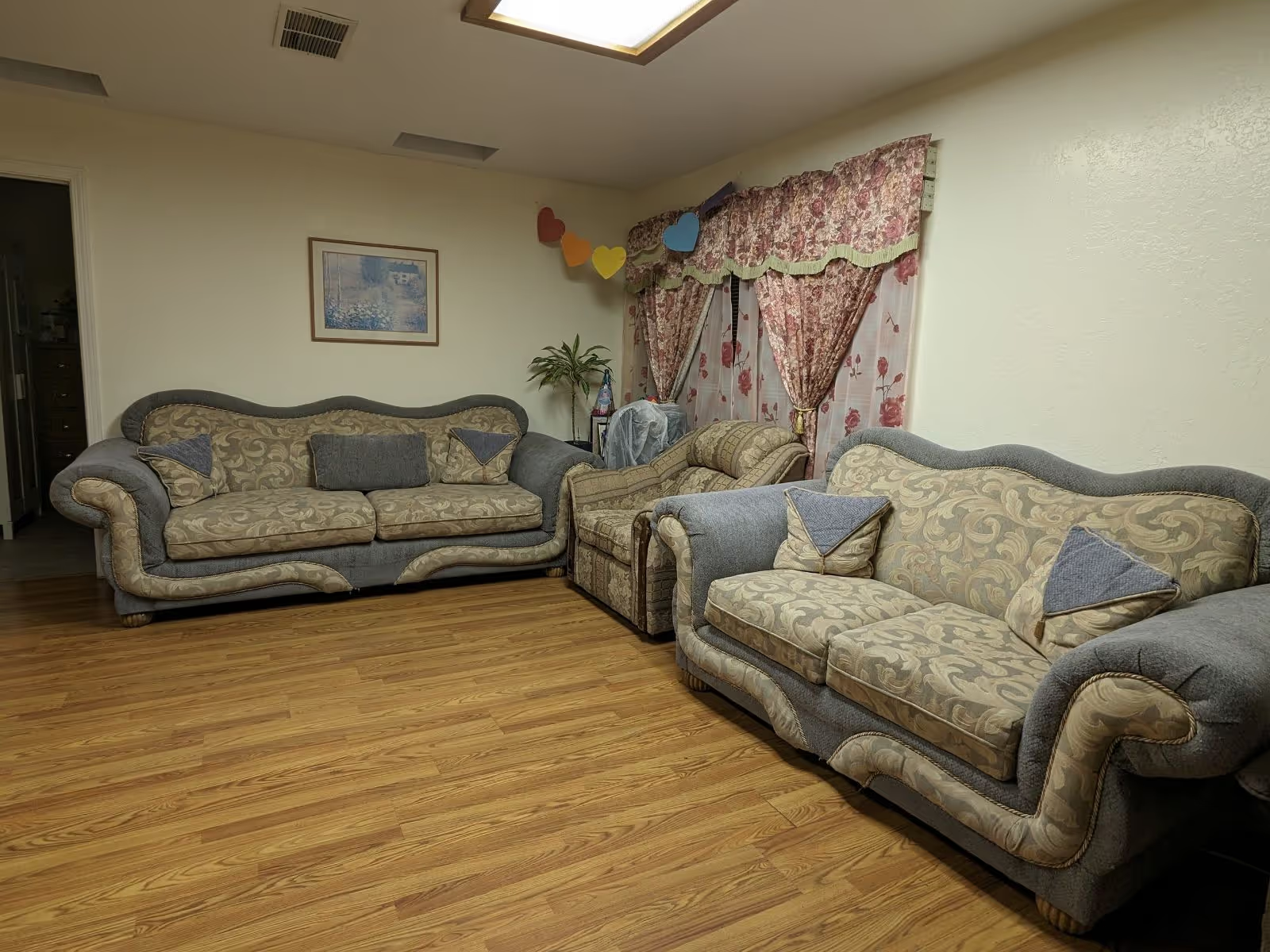
Care and staff: Reviewers consistently described staff as attentive, knowledgeable, and responsive. Families highlighted that caregivers listened to concerns and maintained regular communication, which contributed to observable improvements in resident mood and comfort. There is a pattern of staff engagement with families and a willingness to provide individualized items (for example, arranging comfortable seating) that supports resident well-being.
Dining and activities: Dining receives favorable remarks; meals were described as good, with attention to texture considerations where appropriate. Review commentary focused primarily on meal quality rather than on a broad program of activities; there is limited information about structured recreational programming in the available summaries, so prospective families should inquire directly about activity schedules and engagement options.
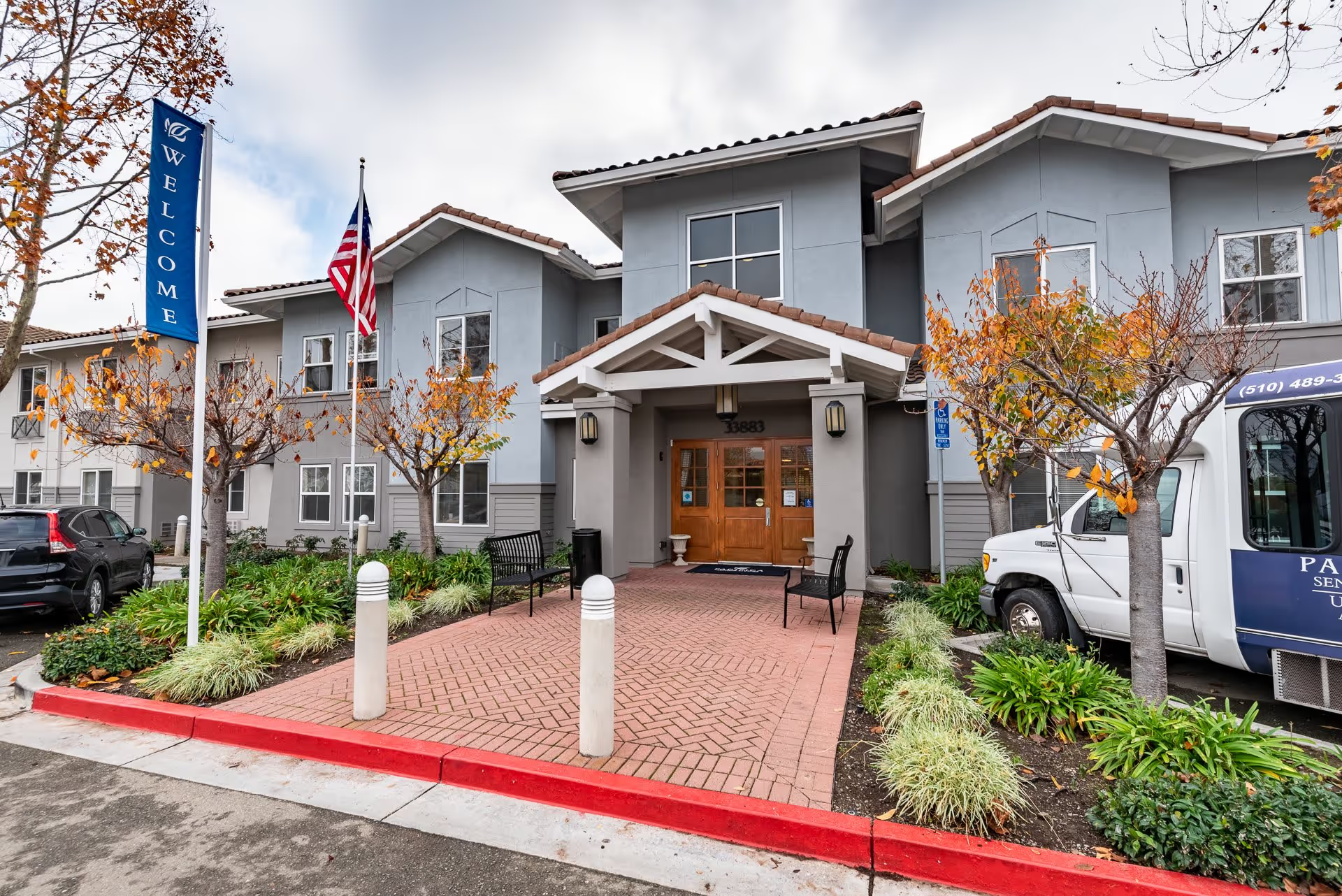
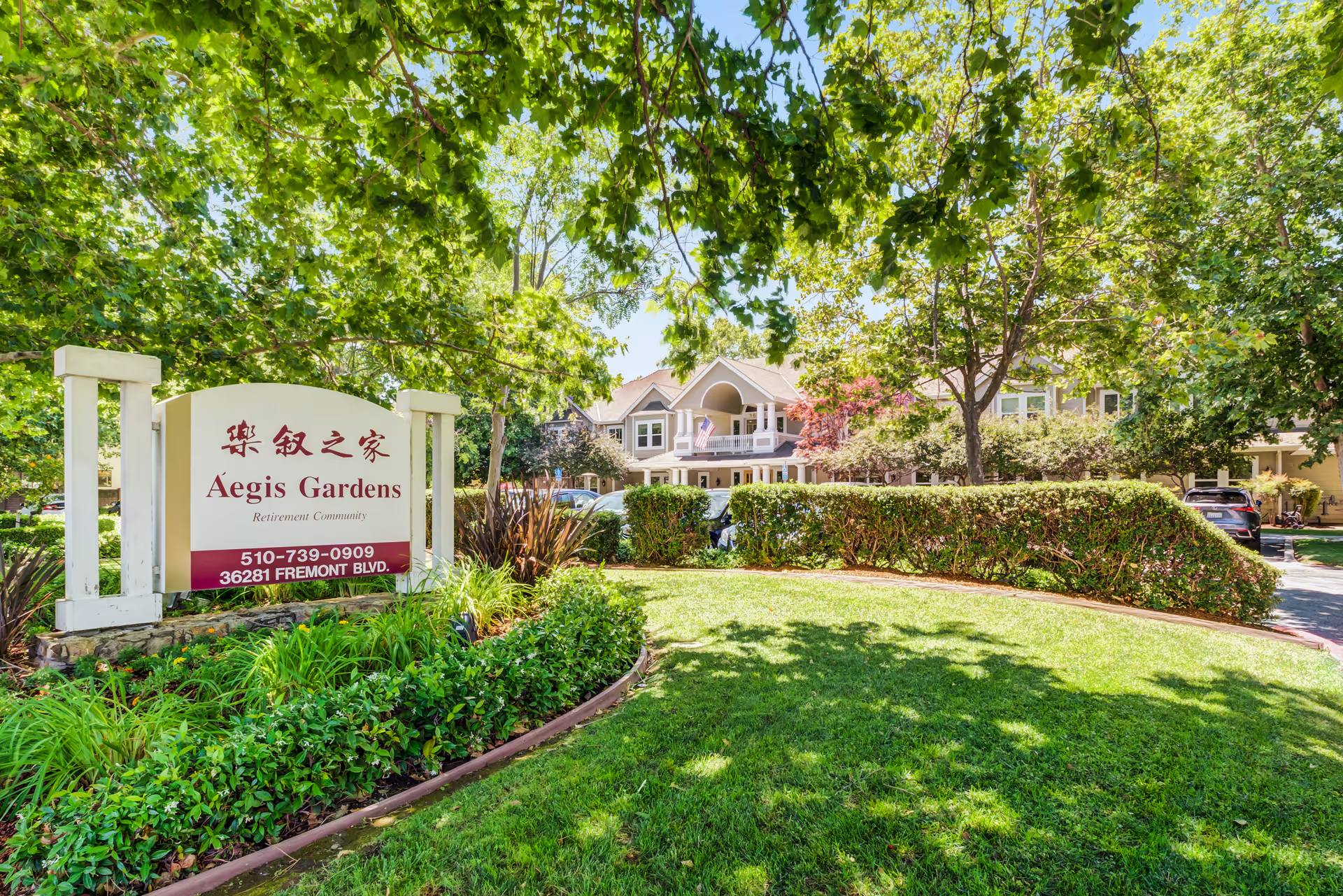
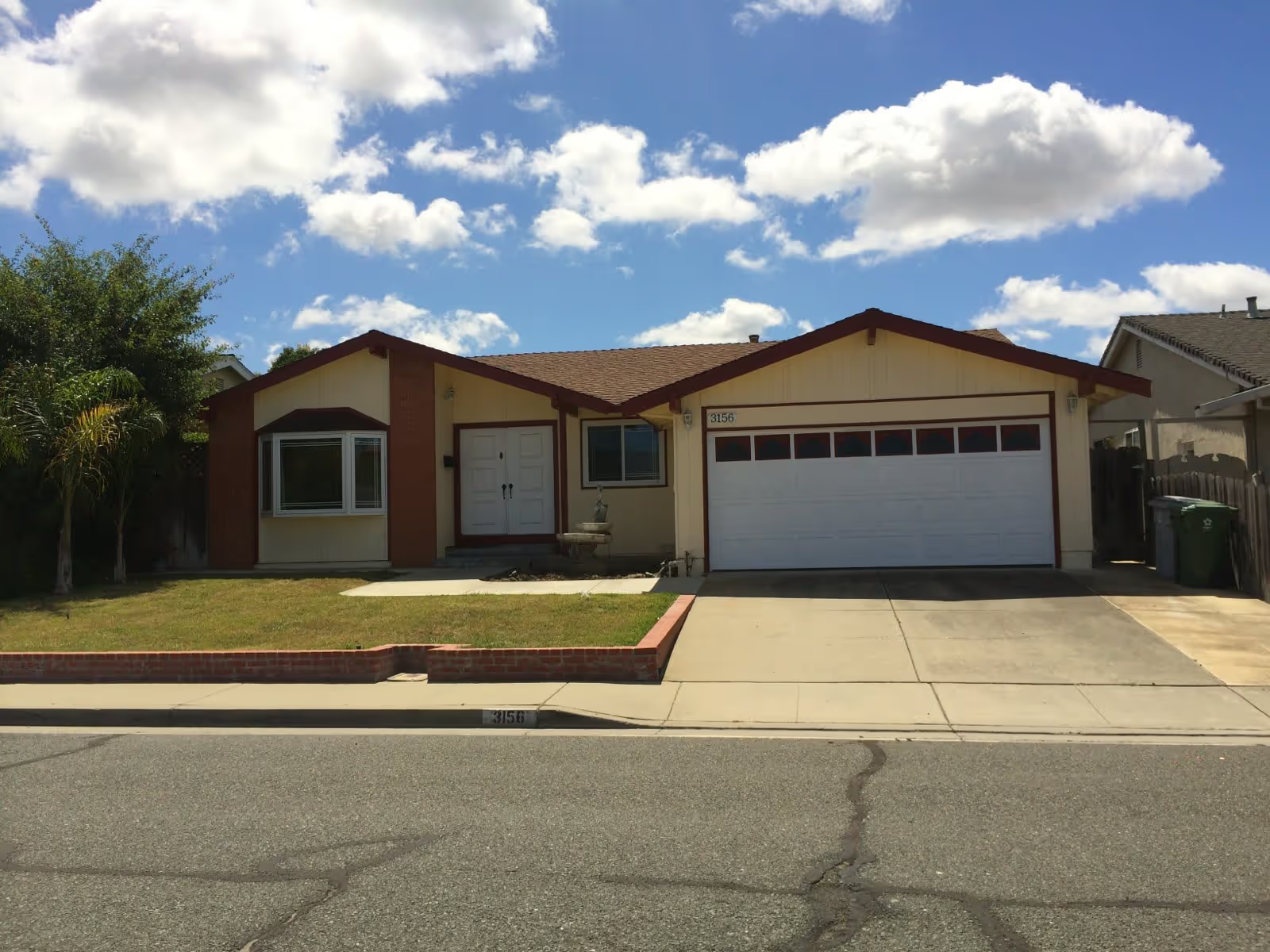
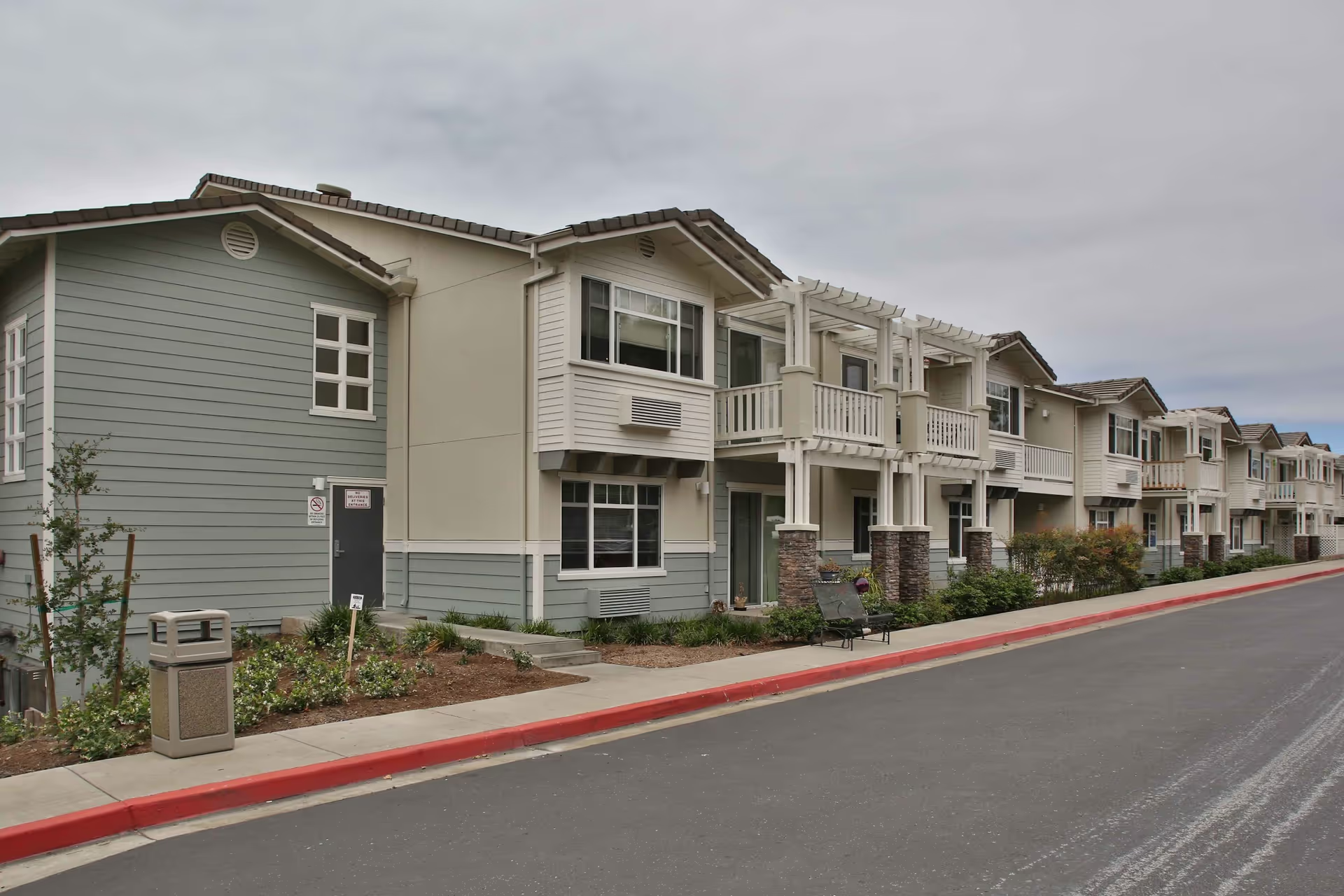
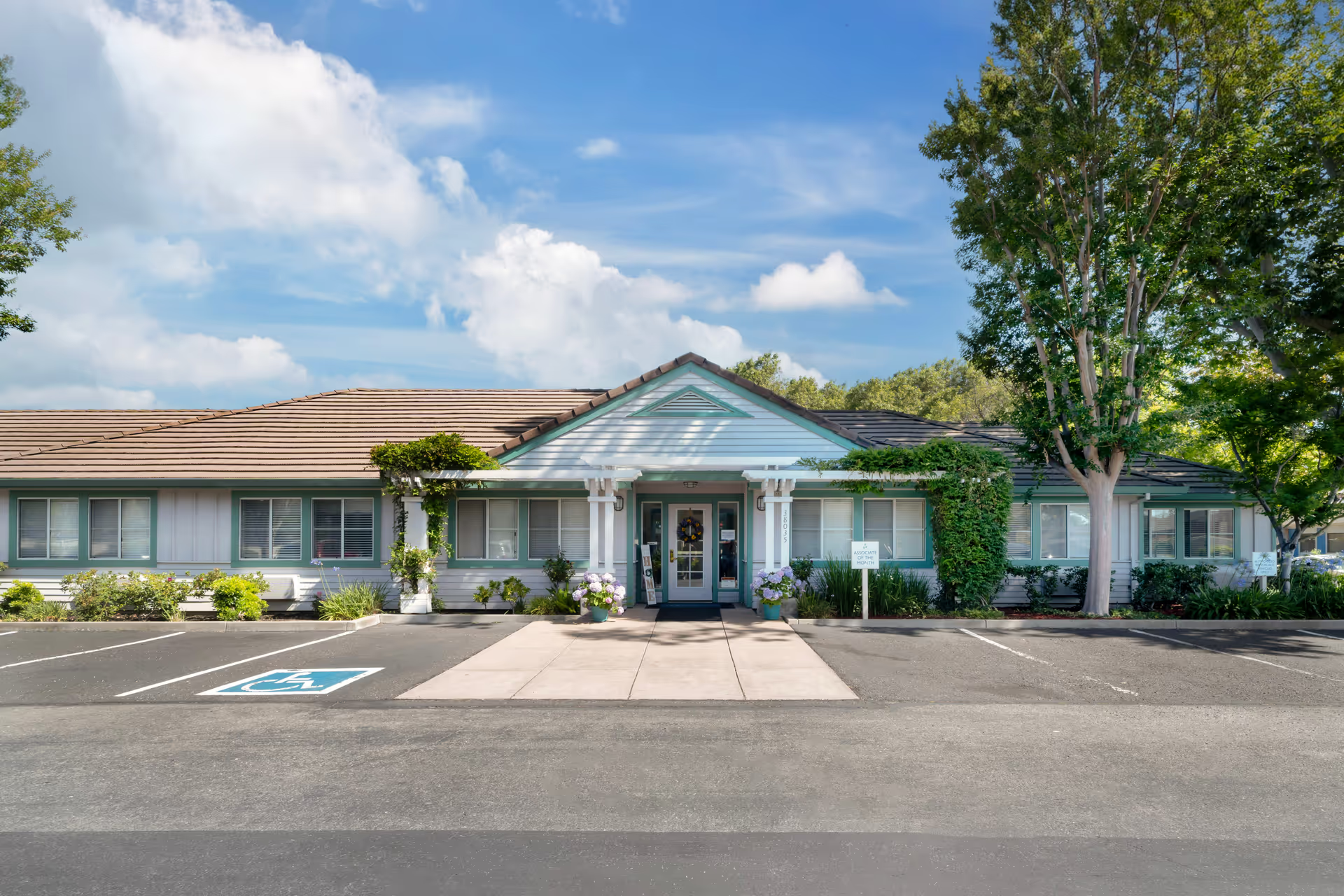
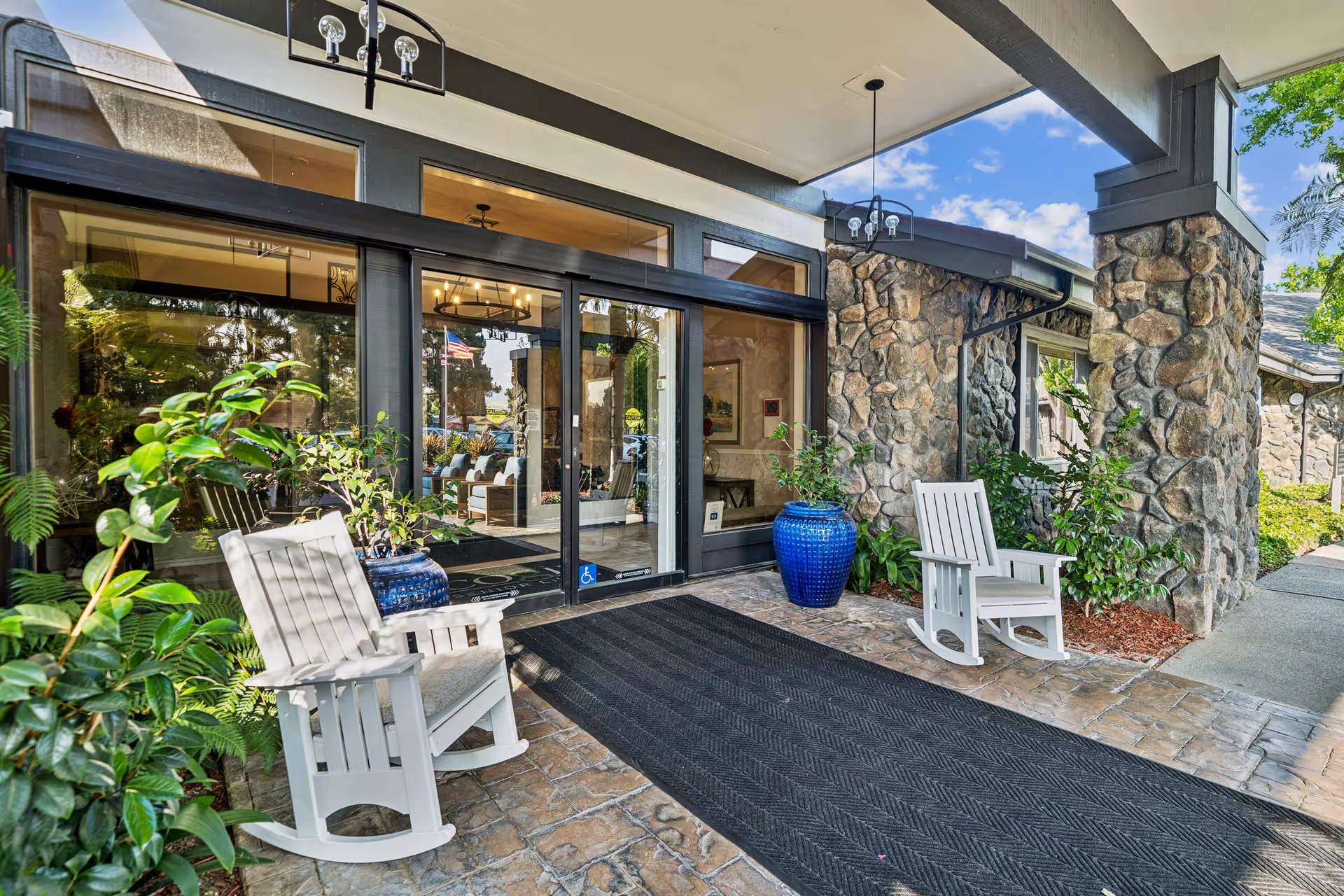
Facilities and environment: The facility is described as clean and comfortable. Reviewers pointed to well-maintained common areas and resident spaces, and noted that individual comfort needs were accommodated. Cleanliness and upkeep appear to be strengths in everyday operations.
Management and clinical scope: Communication from management and staff is viewed positively, and families expressed satisfaction with value for money. At the same time, reviewers pointed to an operational limitation: the facility appears to be designed for lower-acuity, short-term stays and expects residents to be able to communicate and participate to some degree. Families looking for on-site preventive health services (for example, seasonal vaccination clinics) indicated a desire for expanded wellness offerings. Prospective residents who are bedridden, nonverbal, have advanced cognitive impairment, or require complex clinical oversight should evaluate higher-acuity skilled-nursing options.
Notable patterns and recommendations: Strengths center on interpersonal care, cleanliness, meal quality, and family communication. The primary pattern of concern is scope-of-care: the facility functions best for residents with minor setbacks or recuperative needs rather than long-term, high-acuity care. Visiting families should verify clinical capabilities, medication and wound-care protocols if relevant, and ask about on-site wellness services and activity programming to ensure alignment with the prospective resident's needs.