Overall sentiment in the provided reviews is clearly positive and centered on the facility's role as a recovery-focused, supportive environment. Multiple comments describe the place as a "home away from home," emphasizing a comforting, family-like atmosphere that supports residents through recovery. The reviews repeatedly mention active recovery programming—specifically NA/AA meetings—and highlight opportunities for residents to give back to peers, suggesting a strong peer-support culture and an emphasis on mutual aid.
Care quality and treatment engagement: While the reviews do not provide clinical detail, they do indicate that residents are participating in treatment and that participation appears to be effective for at least some individuals. One reviewer notes that a resident "seems happy" and that they have the "best look on her face in a long time," which suggests meaningful positive effects on mood and engagement. These observations point toward an environment that encourages and facilitates participation in recovery activities, though they are anecdotal rather than systematic assessments of clinical care quality.
Staff and operations: The summaries do not directly comment on staff competency, responsiveness, or interactions beyond the sense of a supportive community. Because staff behavior and caregiving quality are not explicitly mentioned, no firm conclusions can be drawn from these reviews about staffing levels, training, or the day-to-day operational competence of caregivers. The positive interpersonal tone implies staff and community dynamics are at least adequate to foster a home-like recovery atmosphere, but this is an inference rather than a stated fact.
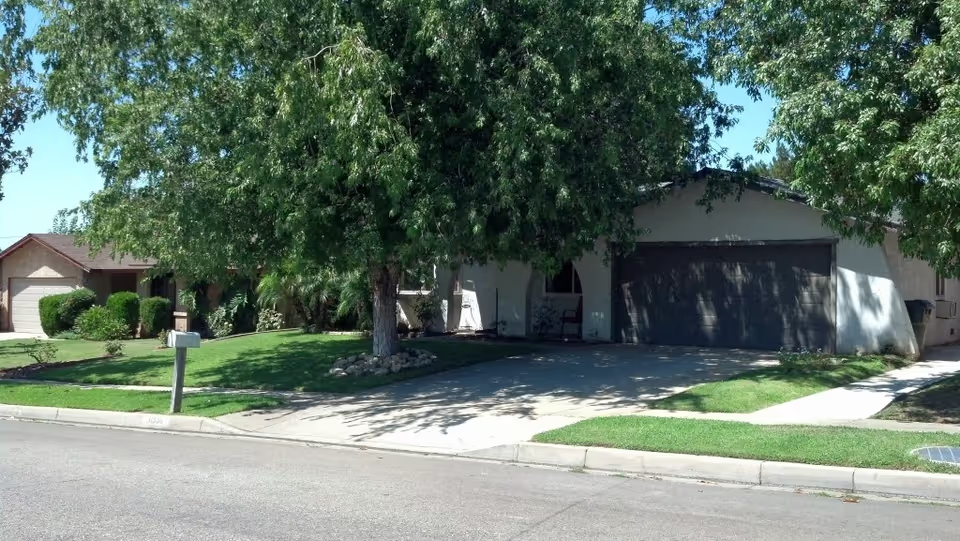
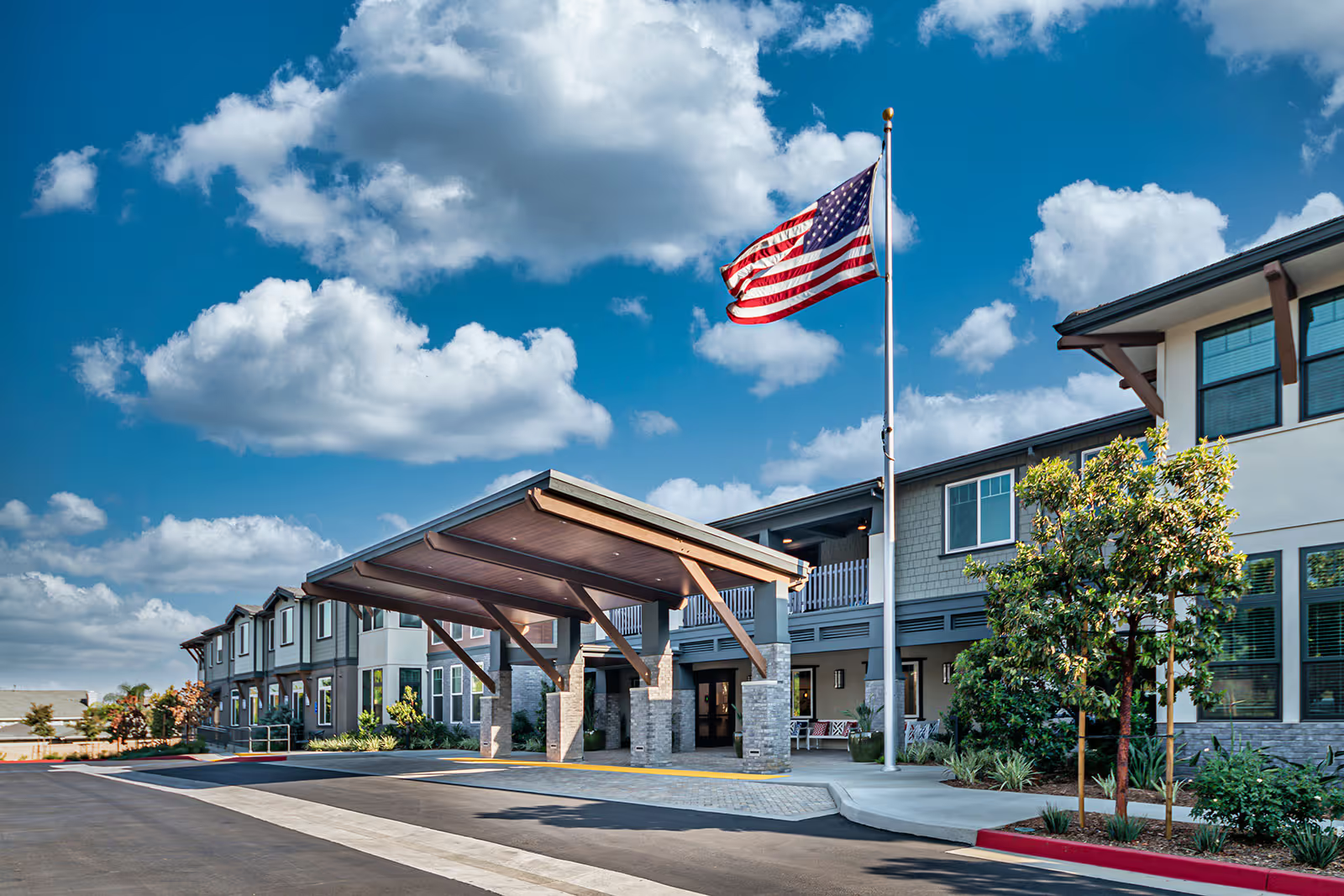
Facilities, dining, and amenities: There is no specific information about the physical building, cleanliness, dining quality, room accommodations, or recreational facilities in the provided reviews. The absence of commentary in these areas is notable; reviewers focus almost exclusively on recovery programming and the emotional state of residents. For a well-rounded assessment, additional data or reviews addressing facilities and services (meals, housekeeping, safety features) would be needed.
Management and branding: A concrete factual item in the summaries is that the site has undergone a name change: it was previously called Heritage Gardens and is now referred to as Inland Valley Recovery Services (IVRS). Renaming can reflect rebranding, ownership change, or a shift in mission; reviewers did not elaborate on the reason. This change could cause confusion for prospective residents and families searching under the old name and may warrant verification of continuity in licensing, leadership, and services when making placement decisions.
Notable patterns and recommendations: The dominant themes are peer support, active recovery programming (NA/AA), and observable resident wellbeing improvements. The main concern arising from these reviews is not about poor care but rather the limited scope of information—important operational and clinical dimensions (staffing, medical oversight, amenities, dining) are not addressed. Prospective residents or family members should follow up to confirm licensing, staffing levels, clinical services, and current ownership/management details (given the renaming to IVRS). They should also ask for specifics about daily schedules, types of therapy offered, medication management (if applicable), and opportunities for family involvement to fill gaps left by the available reviews.
Conclusion: Based solely on the provided summaries, the facility (now called Inland Valley Recovery Services) appears to offer a warm, recovery-oriented environment with active peer support and AA/NA meetings that have had visible, positive effects on at least one resident's mood and engagement. However, because reviews do not address many operational and clinical aspects, interested parties should obtain more comprehensive information before making placement decisions. Verification of the name change and clarity about governance, licensing, and full service offerings is recommended to ensure continuity of care and to resolve any potential confusion from the rebranding.