Reviews of Villa Mesa Care Center present a strongly divided picture: several families describe compassionate, helpful staff and a generally pleasant environment, while others raise substantive operational and safety concerns. Positive comments emphasize caring nursing and caregiving interactions, a friendly front desk, proactive case-management assistance, clean common areas, and convenient virtual visitation. For prospective residents and families, these strengths indicate that the facility can and does deliver attentive service and an accommodating atmosphere at times.
However, a recurring cluster of concerns relates to core elements of clinical care and safety. Multiple reviews describe inconsistent medication administration, delayed responses to call lights and resident needs, and insufficient frequency of repositioning or other pressure-injury prevention measures. There are also reports suggesting variability in physician involvement and oversight, and accounts that therapy and rehabilitation services are sometimes limited or insufficiently intensive. Together, these items point to gaps in clinical processes and oversight that could affect health outcomes for higher-acuity residents.
Staffing and communication emerge as central operational issues. Many comments cite understaffing or inconsistent staffing levels that correlate with delayed attention and uneven care quality. Family communication and administrative follow-up are frequently described as inadequate — examples include unreturned calls, missing transfer paperwork, and confusion about management decisions. Some reviewers also describe unprofessional or brusque interactions at reception or from specific staff members, leading to concerns about conduct and responsiveness.
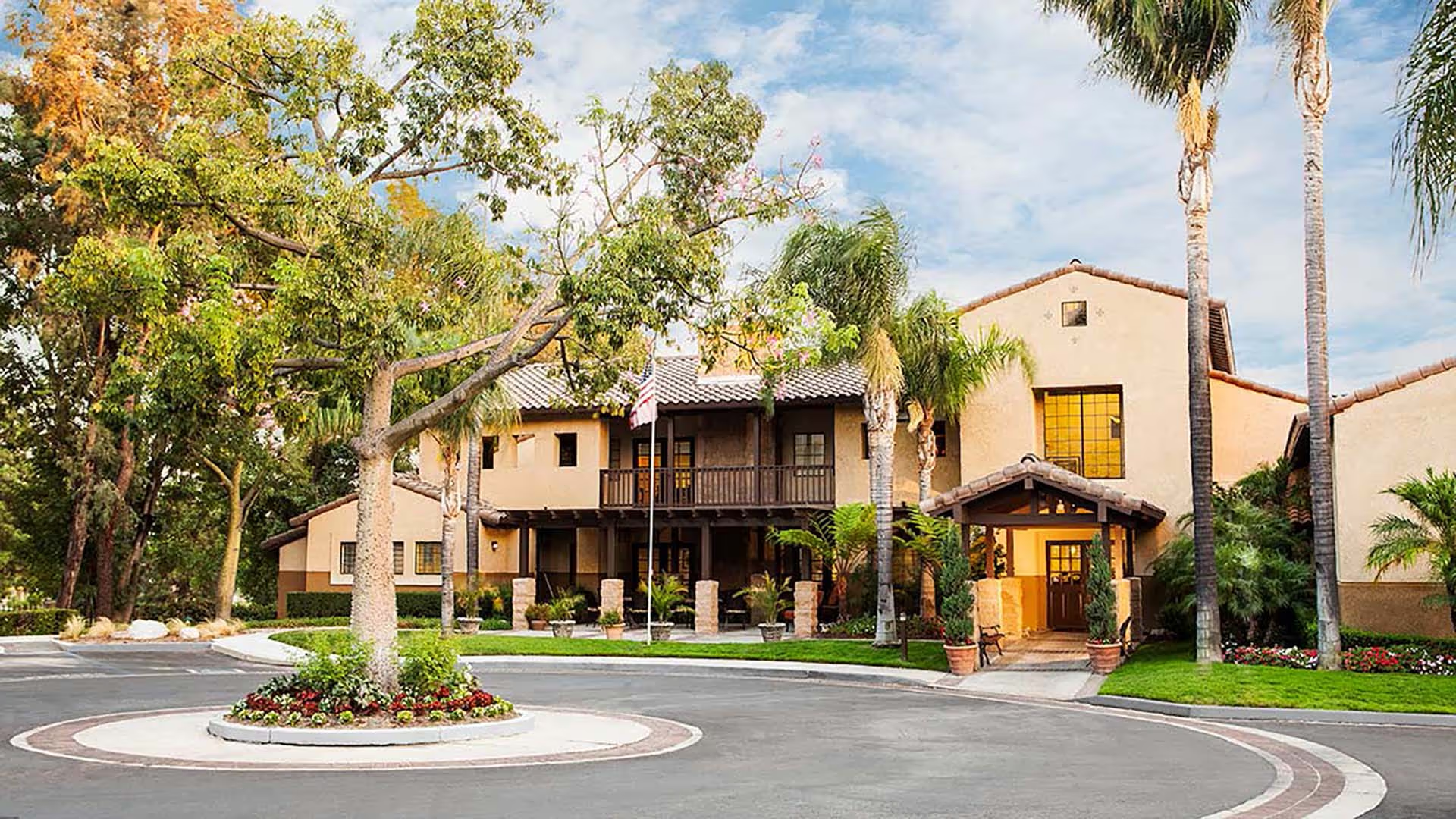
Facilities and amenities draw mixed feedback. Several families describe clean, well-maintained common areas and a pleasant atmosphere, while others note cramped or overcrowded rooms, delayed maintenance (including access to in-room amenities and temperature controls), and night-time noise that can disturb residents. Dining quality is similarly inconsistent: while some reviewers praise the food and service, others describe disappointing or unreliable meal experiences. Rehabilitation and activity offerings are reported as variable, with some residents receiving helpful therapy and others noting minimal therapeutic engagement.
Management and systemic patterns warrant attention. Reviews indicate administrative priorities that appear influenced by payer/insurance issues for some families, inconsistent handling of personal belongings and documentation, and a perception of limited follow-through on complaints. A number of accounts call for regulatory scrutiny or further investigation; these reflect serious family concerns about safety and accountability. At the same time, many families singled out individual staff members and caseworkers as going above and beyond, which suggests that variability in performance may be tied to staffing levels, training, and shift-to-shift differences rather than an absolute absence of capability.
Bottom line: Villa Mesa shows strengths in staff compassion, front-desk service, and virtual-visitation accessibility, but the facility also exhibits pattern-level weaknesses in staffing consistency, clinical oversight, medication processes, family communication, and certain facility-management practices. Families considering placement should ask targeted questions about current staffing ratios, medication and pressure-injury prevention protocols, physician oversight, therapy schedules, room occupancy and privacy, and the facility’s complaint-resolution and documentation procedures. A direct site visit and discussions with current family contacts may help clarify how consistently the facility is delivering on the positive elements described by some families and whether the operational concerns have been addressed.