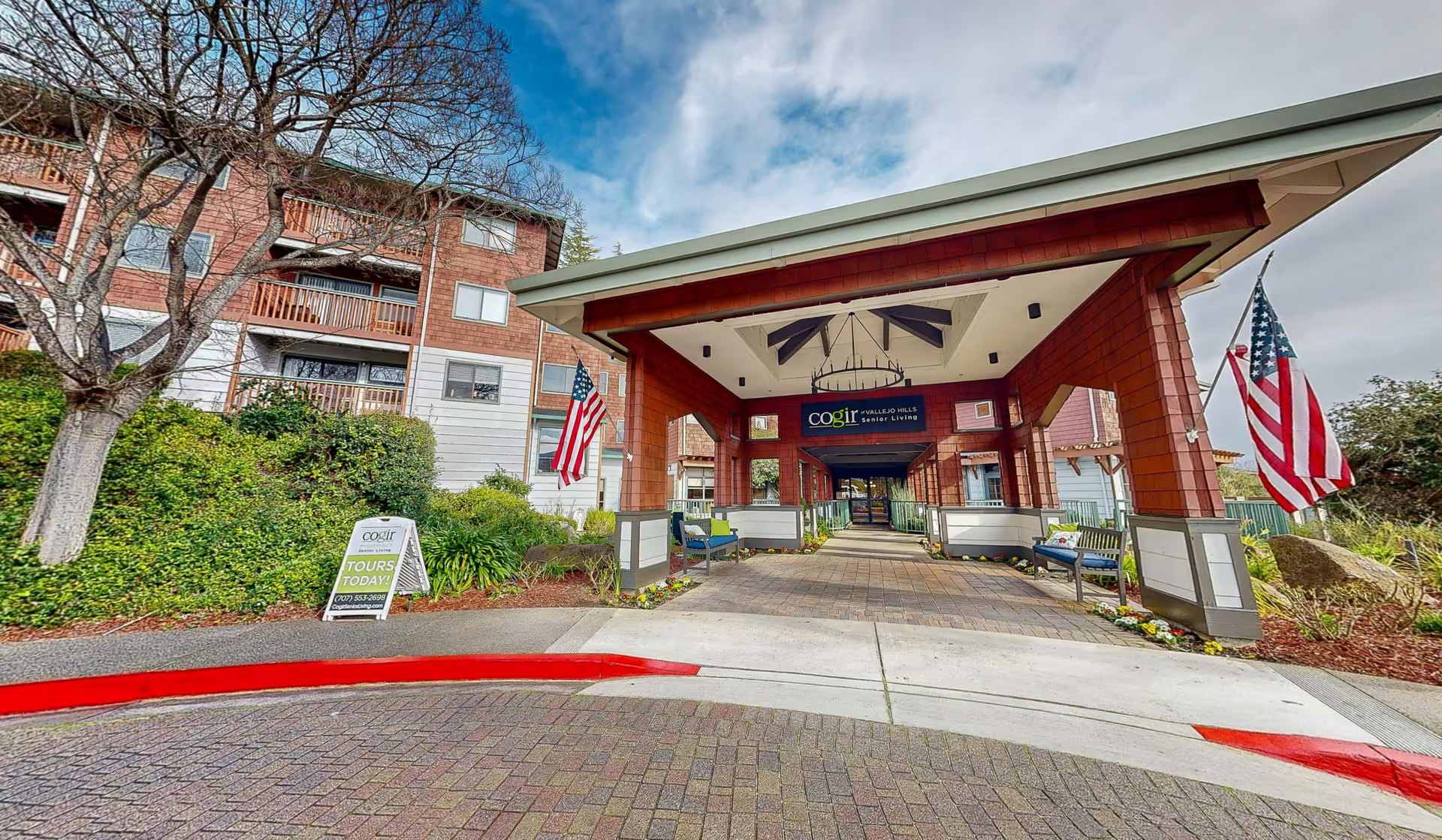
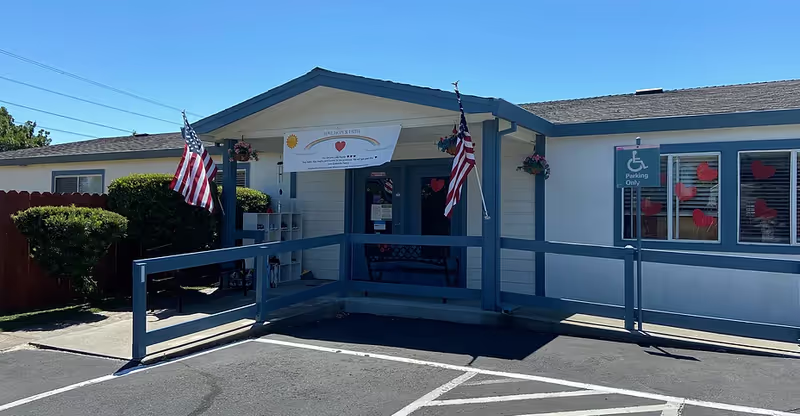
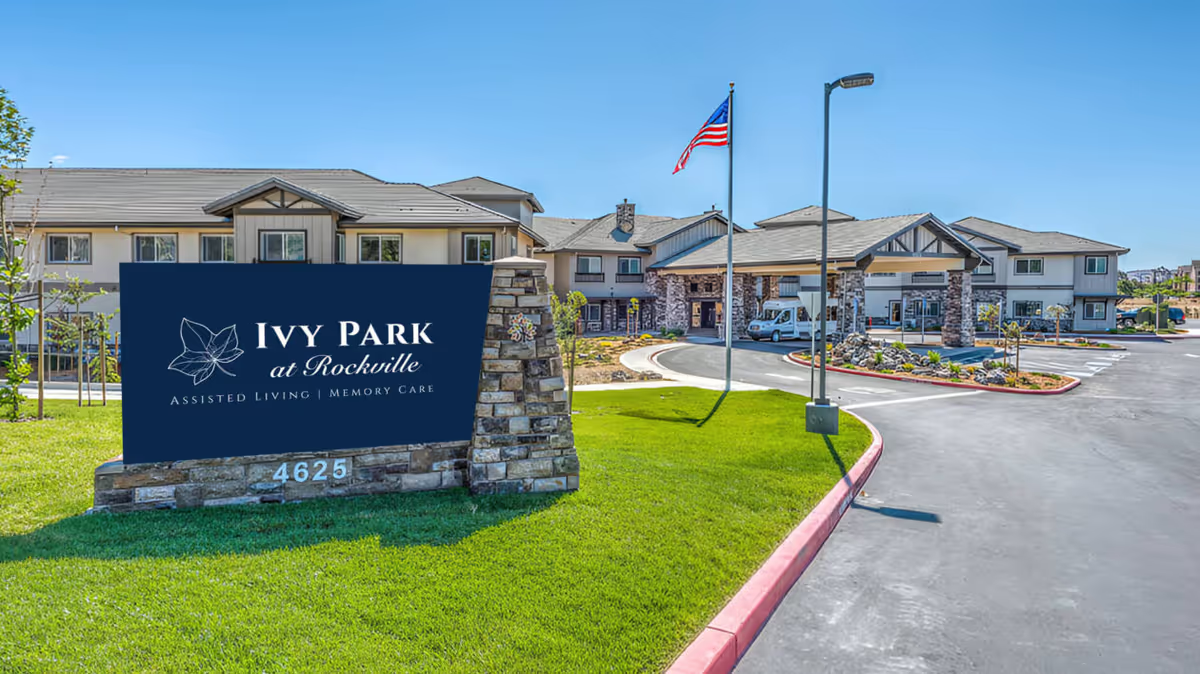
Cogir of North Bay presents as a small, community-style assisted living with a mix of notable strengths and recurring operational concerns. Positives frequently highlighted include recently upgraded interior finishes, well-kept grounds and a landscaped courtyard, visible reception, and apartment options with kitchens, walk-in showers, and adequate room sizes. Many families and residents described an engaged Executive Director and coordinators who maintain active communication, and recurring praise centers on compassionate, attentive staff and a welcoming, homey atmosphere.
Dining and daily life are central to the resident experience. The facility offers meals cooked on site, restaurant-style dining with multiple choices, an all-day dining option, and three meals plus snacks. There is an active activities program with bingo, exercise, music, outings, transportation to appointments, and frequent social events and seasonal celebrations. Residents and families often cited housekeeping, laundry, transportation, and program variety as valued services that support independence and social engagement.
However, reviews indicate variability in service consistency. Staffing is a recurrent operational concern: reviewers described high turnover, episodes of understaffing during peak needs, and uneven staff training. These staffing patterns have been associated with inconsistent professionalism and responsiveness, occasional delays in personal-care tasks including incontinence-care, and at least one transfer-related incident that prompted clinical evaluation. Clinical coverage is another area to investigate; several comments indicate limited on-site nursing coverage and occasional reliance on outside nursing services.
Food quality and meal service continuity were mixed. While some reviewers praised the dining and head chef, others reported degraded meal quality, long waits, and interruptions to meal service during staffing or kitchen transitions. Ancillary operational issues include an older billing system combined with a la carte fees that some families found confusing, and administrative lapses such as delayed refunds, unexpected billing actions, and concerns about price increases. Frequent ownership and management transitions were also noted and appear to have contributed to transitional service disruptions, staff turnover, and variability in resident experience.
Cleanliness and safety show polarized impressions: common areas and the overall facility are often described as clean and well maintained, yet a subset of reviewers raised sanitation and odor concerns in some private units and cited parking limitations and constrained outdoor access due to site location. There were isolated comments about smoking-area safety and accessibility issues for residents with higher physical needs.
Overall pattern: many residents and families report positive, community-oriented experiences supported by dedicated staff, robust activities, and on-site dining. At the same time, there is a consistent signal of operational inconsistency—especially around staffing stability, dining continuity, billing transparency, and clinical coverage—that has led to widely divergent experiences. Prospective residents and families should tour the community, ask specific questions about current staffing ratios and retention, on-site nursing hours, recent ownership changes, meal-service continuity plans, billing practices, and how the facility addresses sanitation and transfer-safety training. Verifying recent inspections or asking for examples of how identified issues were resolved may clarify whether operational concerns have been addressed since earlier reports.