Experiences at Westgate Gardens vary substantially. Many residents and families describe kind, welcoming staff and positive short-term rehabilitation or long-term care experiences. They praise CNAs and nurses for attentive, individualized support, and several residents say therapy helped them regain strength or prepare to return home. Other accounts describe delays in assistance, uneven staff conduct, or concerns about whether care plans were followed consistently. One family alleged serious failures in fall prevention and follow-up after a relative sustained facial and neck injuries. Other families raised concerns about substantial weight loss, changes in mobility, skin integrity, or management of ongoing health conditions. These accounts point to the importance of asking how the facility monitors changes in condition, responds to safety concerns, and keeps families informed.
Staff members in reception, social services, nursing, and rehabilitation receive frequent praise. Families highlight friendly greetings, staff who know residents by name, and social-services assistance with transitions and discharge planning. Therapy is a particular strength in many accounts, though a few families reported limited progress or dissatisfaction with how therapy was delivered. Experiences with CNA supervision and responsiveness are less consistent: some families describe prompt, compassionate help, while others report long waits, missed requests, or concerns about staff attention. Communication and discharge coordination are also praised by some and criticized by others.
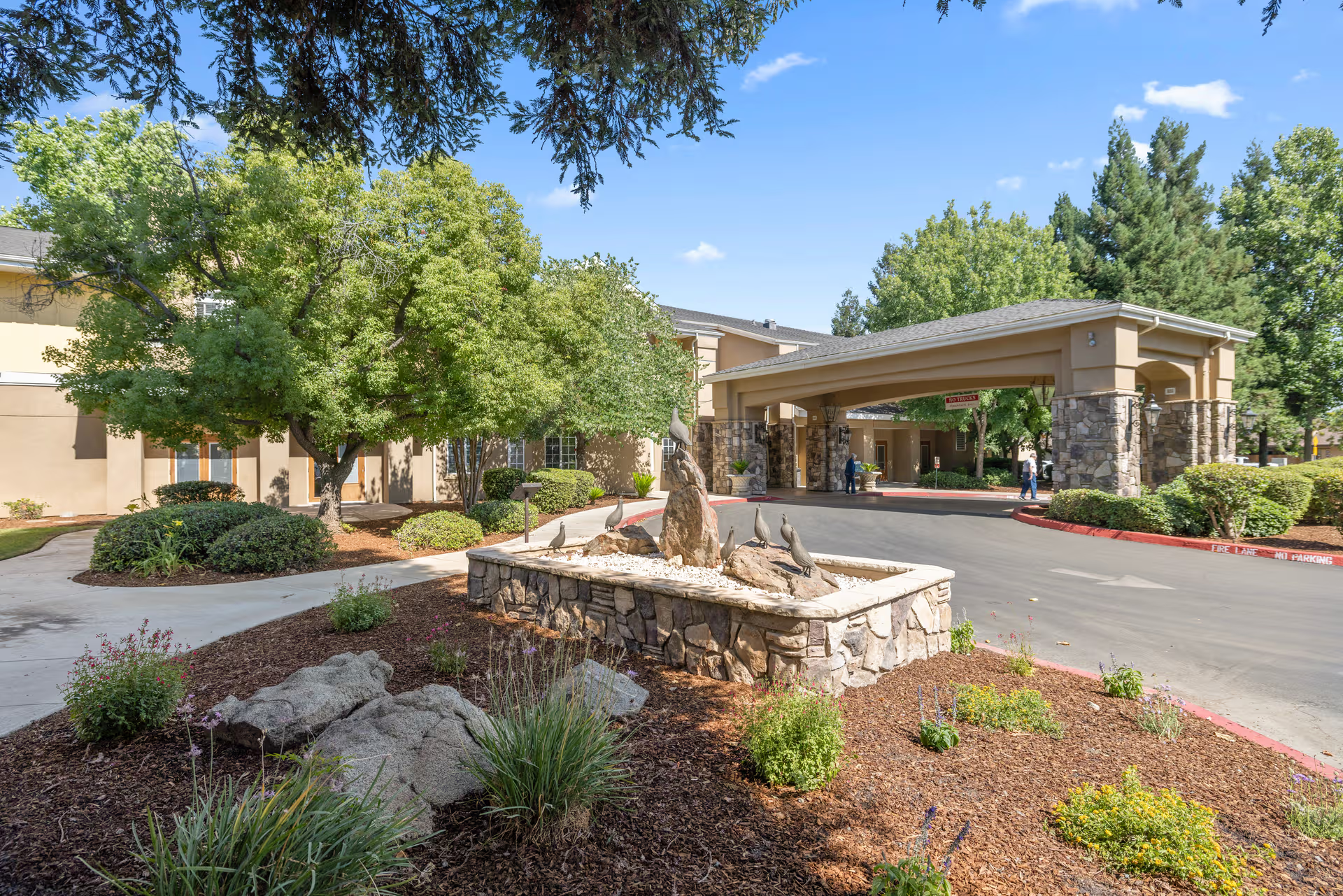
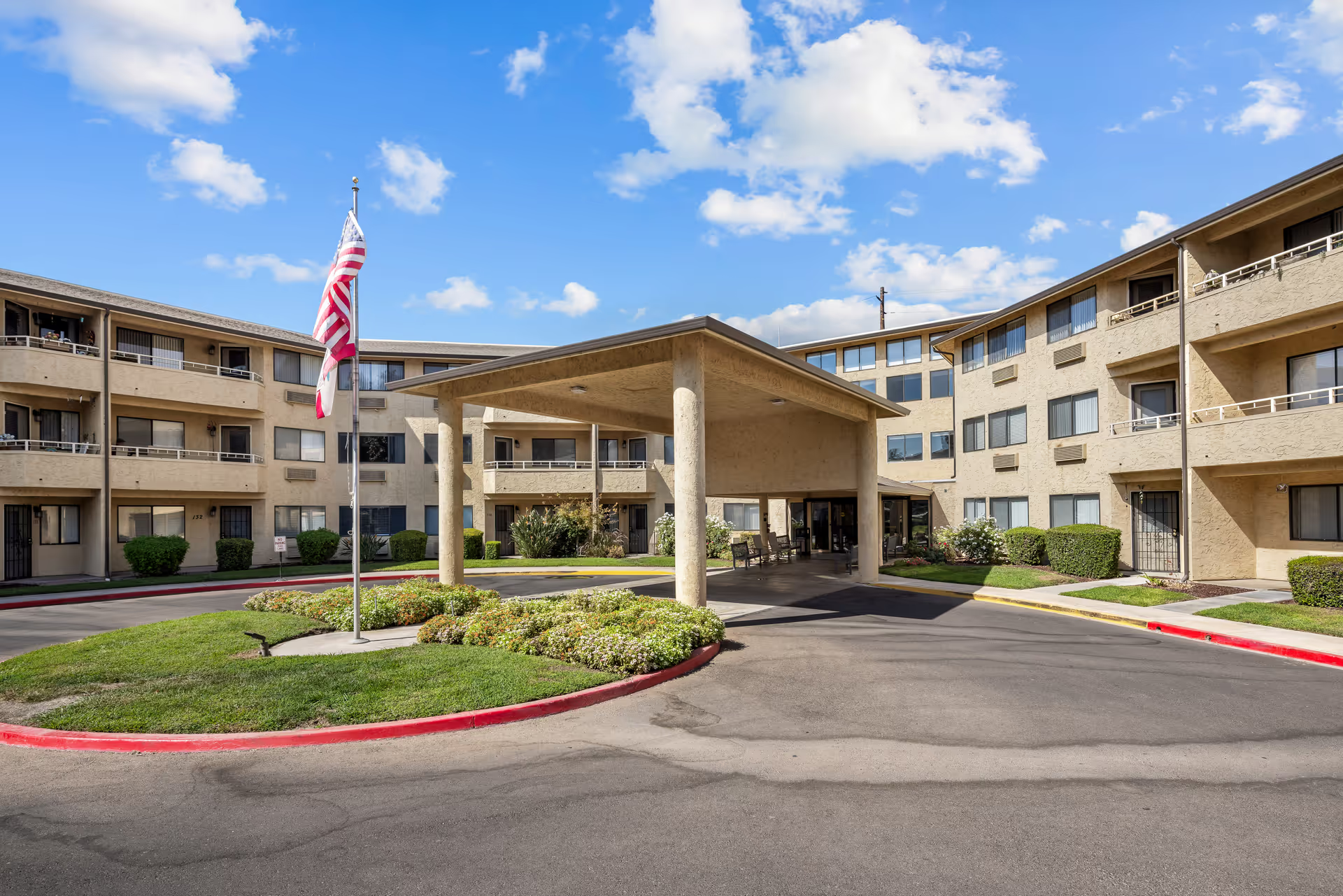
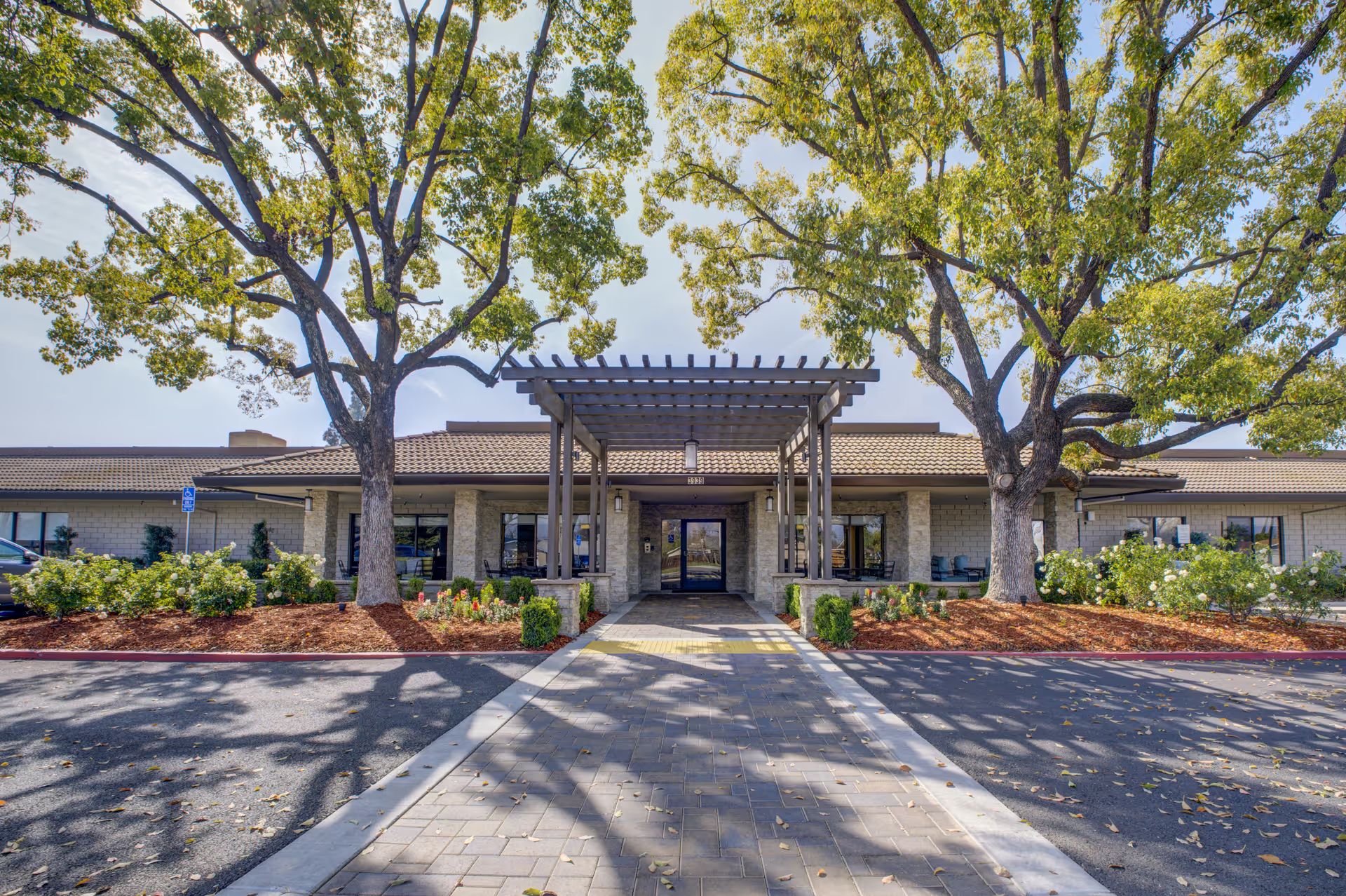
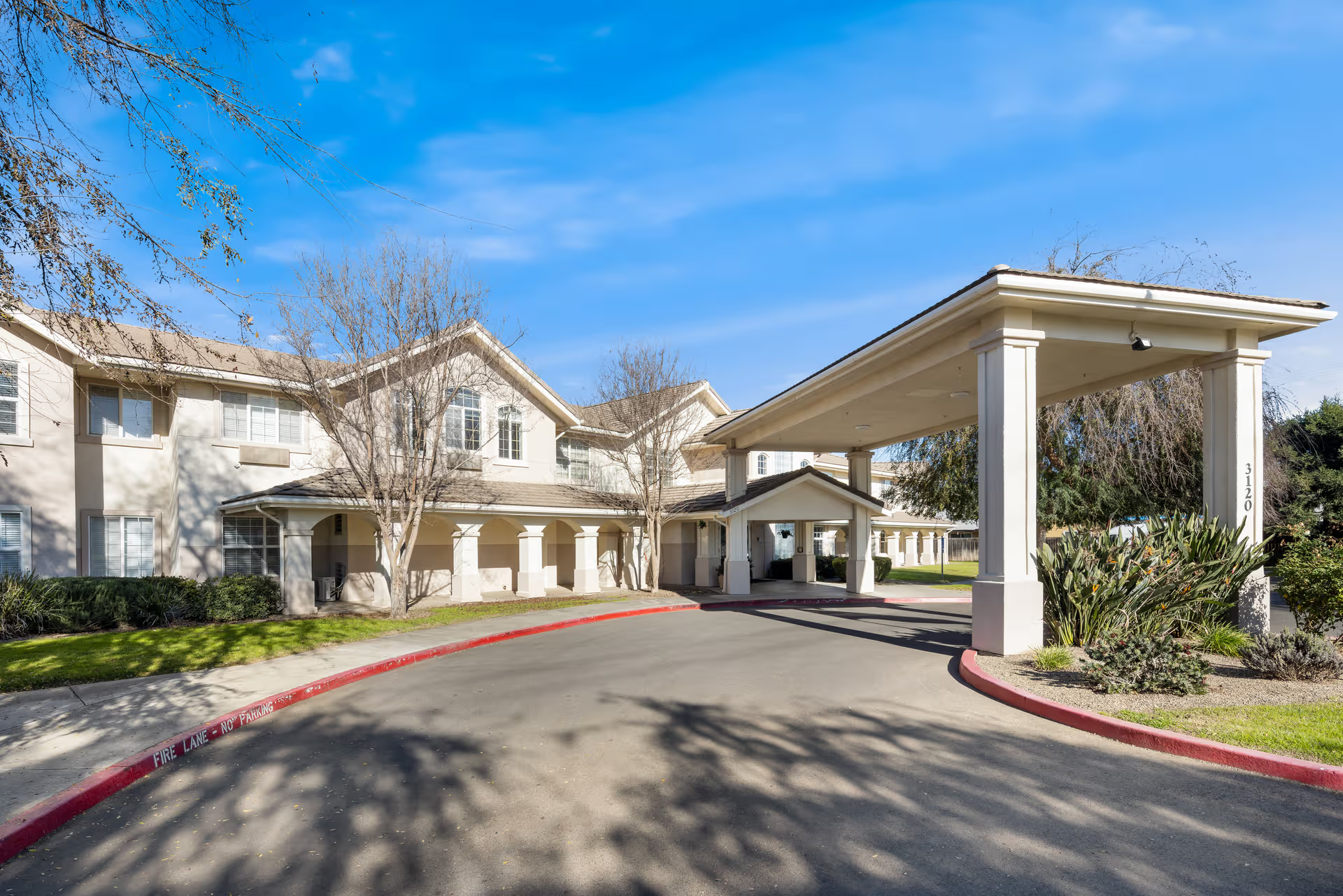
Dining feedback is mixed. Positive comments mention meal options, snacks, and improved food quality, while critical comments describe meals that were cold, tough, overcooked, or lacking variety. A few accounts also raise concerns about meal intake and monitoring of residents’ nutritional needs. The building is often described as clean, spacious, welcoming, and recently refreshed, with inviting reception and common areas. Activities—including games, religious services, movies, gardening, seasonal events, and family gatherings—are noted as contributing to resident engagement. Isolated comments mention nighttime noise, limited parking during busy visiting periods, and room or bathing-area comfort concerns.
The review set includes perspectives from residents, families, visitors, employees, students, and community partners, and spans both brief rehabilitation stays and long-term residence. Many comments are strongly positive, but the more detailed critical accounts describe operational concerns that prospective families may wish to discuss directly. A tour and specific questions about staffing coverage, call-light response, fall-risk safeguards, clinical monitoring, meal accommodations, skin care, and family communication may help clarify whether the facility’s practices meet an individual resident’s needs.