Reviews of Woodlake Loving Care present a mixed but consistent picture: many families praise the facility for its caring, personable staff and home-like environment, while others raise operational concerns that could affect clinical safety and continuity of care. Positive comments emphasize cleanliness, furnished private rooms, affordability, helpful communication from front-line staff, and an active social environment with music and activities. Several families described friendly, knowledgeable caregivers and a welcoming, family‑style atmosphere.
On care quality and staffing, the primary tension in the reviews is between reports of compassionate day-to-day caregiving and recurring concerns about staffing levels and training. Multiple accounts indicate strong, attentive care from individual staff members; however, other accounts point to inadequate staffing coverage—especially on night shifts—and insufficient training and compensation that may contribute to turnover and skill gaps. These operational factors are associated in some narratives with clinical events such as falls and skin‑tear injuries, and with family concerns about how quickly clinical issues are escalated to physicians or handled overnight.
Dining and activities are another area of divergence. Several reviewers noted timely meals and enjoyable activities (including music programs) that support a home-like routine. Conversely, other reviewers described inconsistencies in meal quality and questioned the nutritional content of some offerings. The facility’s use of mail-order pharmacy services and affordable pricing were highlighted as financial positives by families seeking cost-effective options.
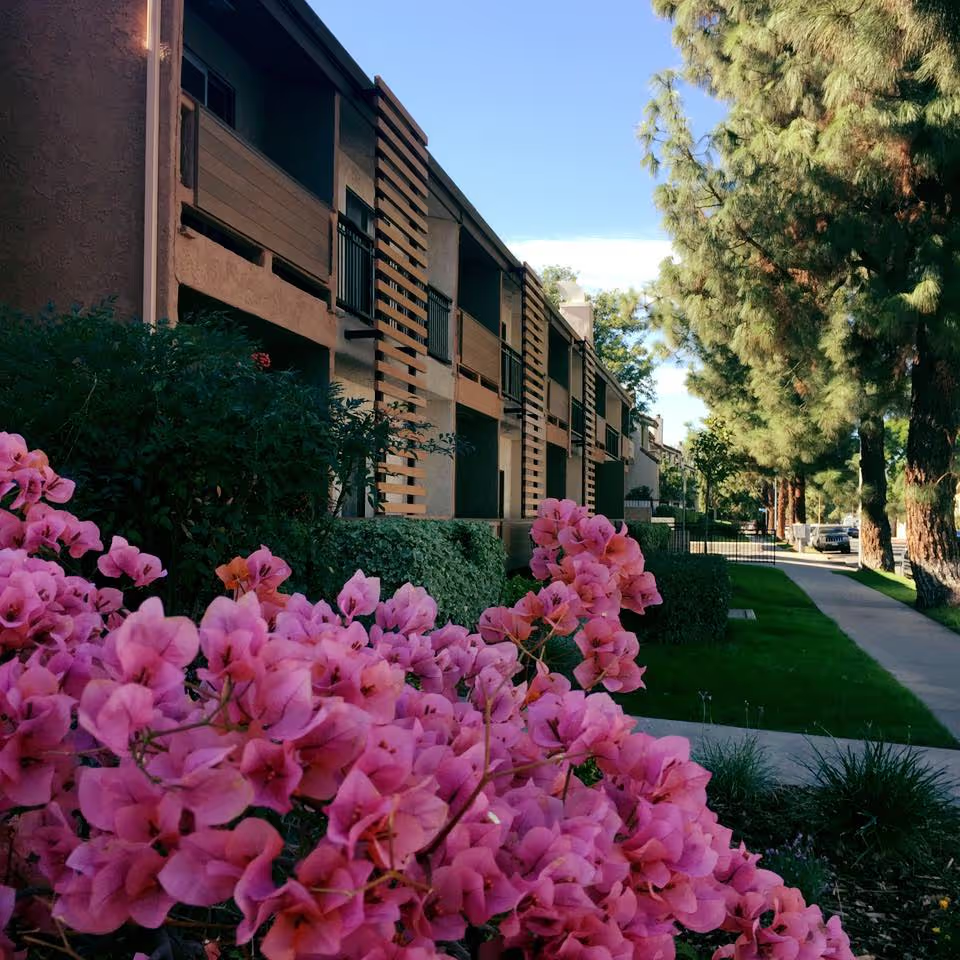
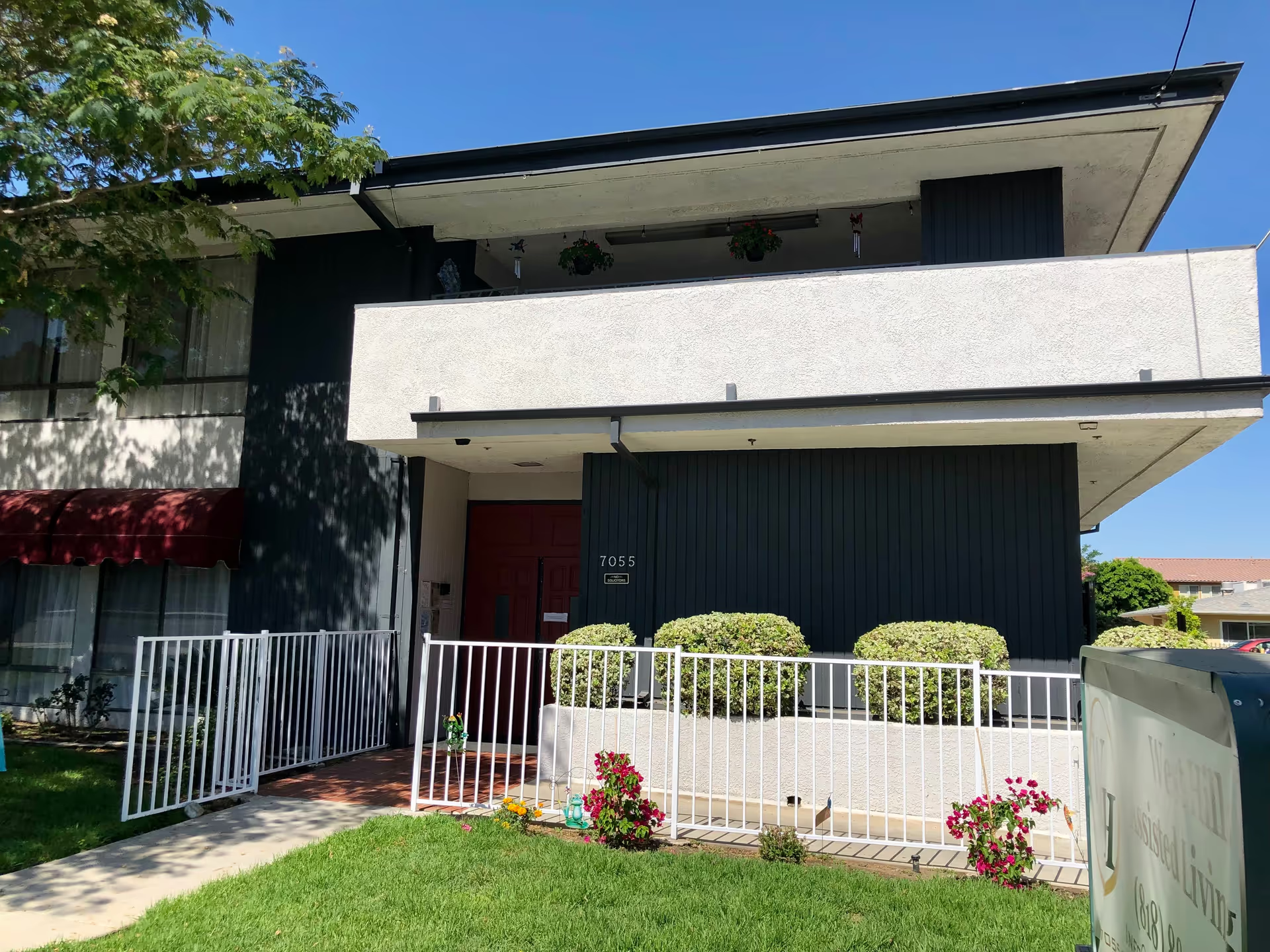
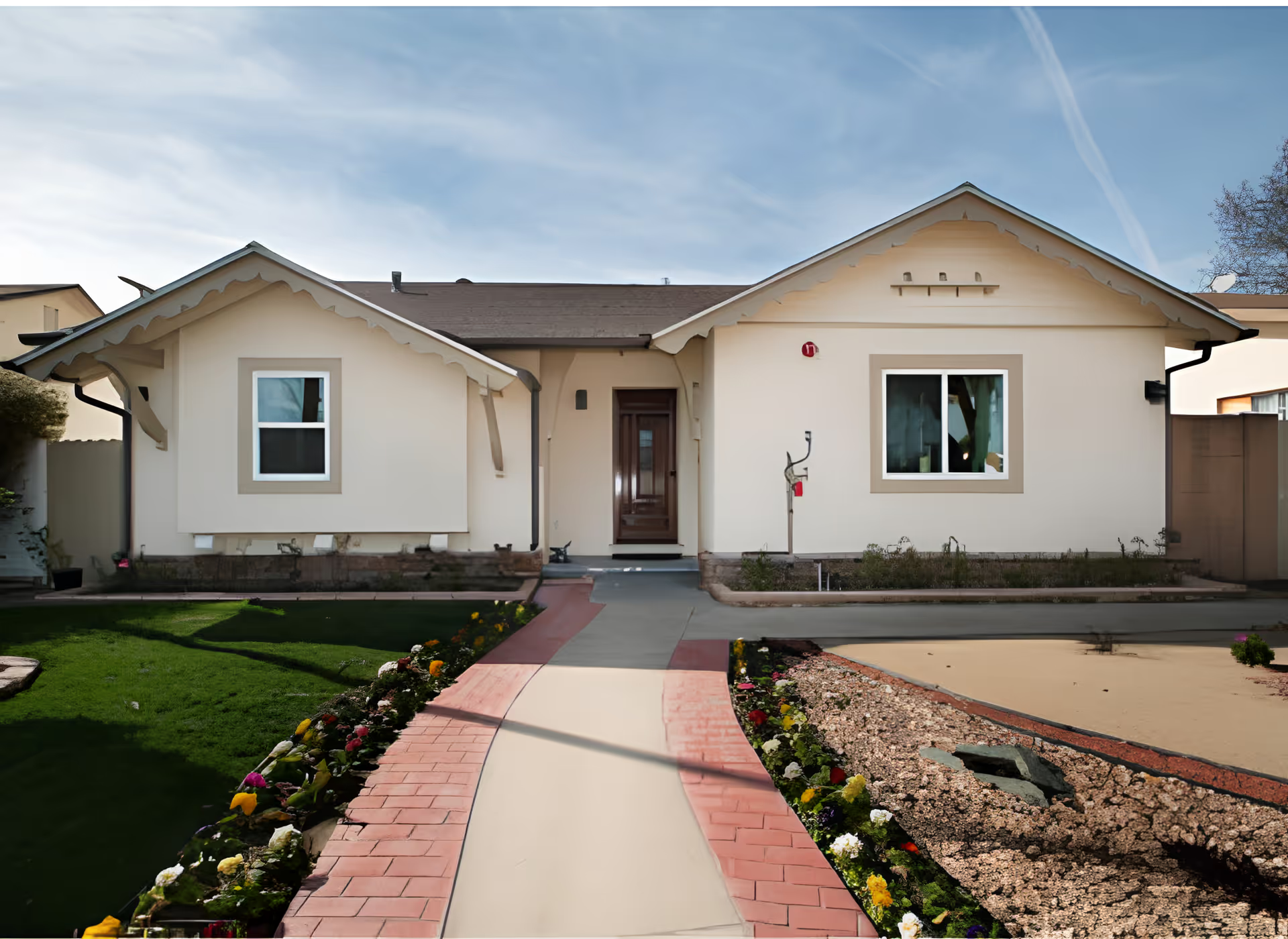
Facility maintenance and atmosphere are generally described favorably: the interior is clean and tidy, rooms are furnished and private, and the overall vibe is described as welcoming. Management and administrative practices drew more mixed commentary. Some families described proactive, helpful managers; others perceived an organizational emphasis on cost control and raised concerns about timely communication with physicians and responsiveness to serious clinical issues. A small number of reviews referenced hospital transfers and concerns following a resident’s death, prompting families to highlight gaps in clinical escalation and family notification processes.
Taken together, the pattern suggests Woodlake Loving Care offers many strengths valued by families—compassionate caregivers, a clean, home-like setting, affordability, and active programming—but also shows operational weaknesses that prospective residents and their families should evaluate. When considering this facility, it would be prudent to ask specific, concrete questions about nighttime staffing levels and ratios, staff training and turnover, fall‑prevention and wound‑care protocols, how clinical issues are escalated to physicians, and sample menus or nutrition policies. These focused inquiries can help clarify whether the facility’s daily strengths are supported by consistent clinical and managerial processes that align with a prospective resident’s needs.