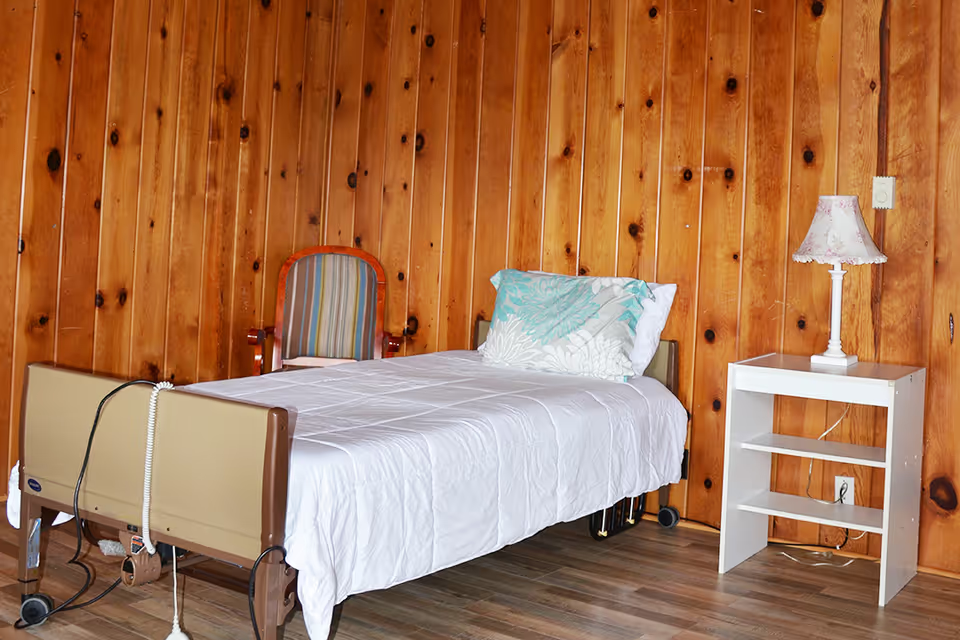
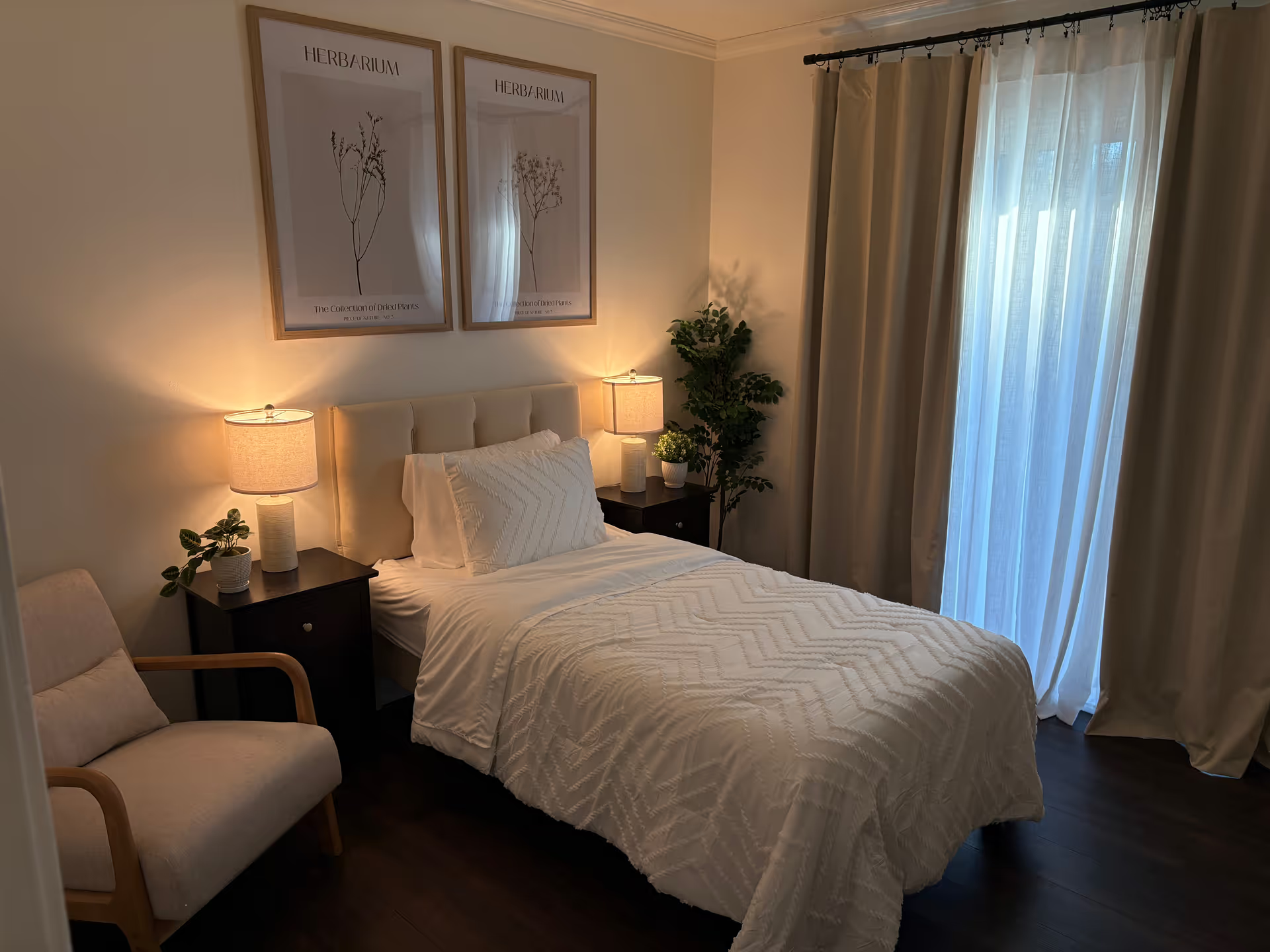
The reviews present a mixed but instructive picture of Sherwood Oaks Post Acute. Many families and visitors praise the physical environment: the building is frequently described as renovated, bright, and clean, with attractive private and semi-private rooms that receive natural light. Admissions and front-desk staff are often singled out for professionalism and helpfulness, and certain individual caregivers, nurse aides, and therapists receive repeated positive recognition. Rehabilitation services—physical and occupational therapy—and case management are commonly cited as strengths when those teams are engaged and consistent.
Care quality feedback is variable. Positive accounts emphasize compassionate nursing, attentive CNAs, effective therapy, and instances in which staff went above and beyond to support recovery. However, contrasting accounts raise operational concerns that affect clinical safety and daily comfort. The primary clinical issues described are inconsistent responsiveness to call buttons, delays or omissions in medication administration, and variability in hygiene and incontinence-related care. There are also multiple reports indicating transfer- and handling-safety lapses, which together suggest the facility’s operational consistency can fluctuate across shifts.
Dining and activities offer a similar contrast. Several reviewers commend homemade-style meals and special dining events, while others describe problems with meal delivery timing, cold trays, or missed meals. Activity programming has highlights—seasonal events, engaged activity staff, and named employees who follow through—but some families report activities that do not align with intake information or appear poorly organized for certain residents, particularly those with cognitive impairment.
Facility operations and management emerge as a recurring theme. Positive commentary highlights helpful admissions staff, responsive administrators, and effective front-desk personnel. At the same time, reviewers describe uneven leadership responsiveness, telephone and communication gaps, and parking/visitor logistics issues. Staffing variability—especially on nights and weekends—is mentioned frequently and is linked to many of the other operational concerns (delayed responses, inconsistent therapy follow-through, and variability in hygiene practices). There are also serious individual claims, including allegations of staff misconduct and theft; these are significant and warrant direct inquiry by prospective residents and families.
Taken together, the pattern suggests Sherwood Oaks offers strong physical amenities and pockets of very good clinical and rehabilitative care, supported by several committed staff members. However, the facility appears to struggle with operational consistency: staffing levels, medication processes, response times, and management follow-through are areas of concern. Prospective residents and families should consider on-site meetings with leadership, ask specific questions about weekend and night staffing, medication administration protocols, transfer-safety procedures, and visitor/communication policies, and request documentation of incident-response and resolution practices before making placement decisions.