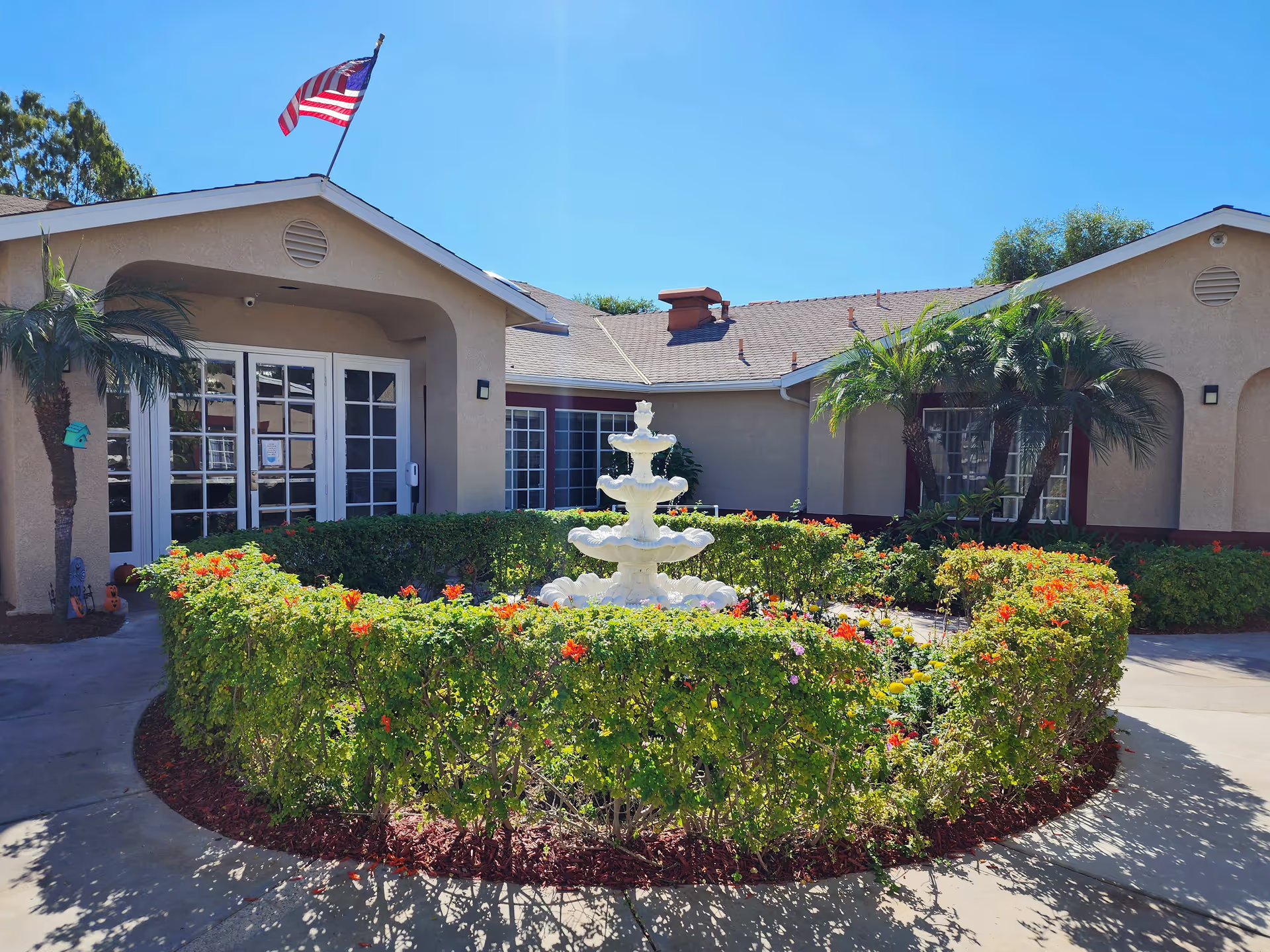
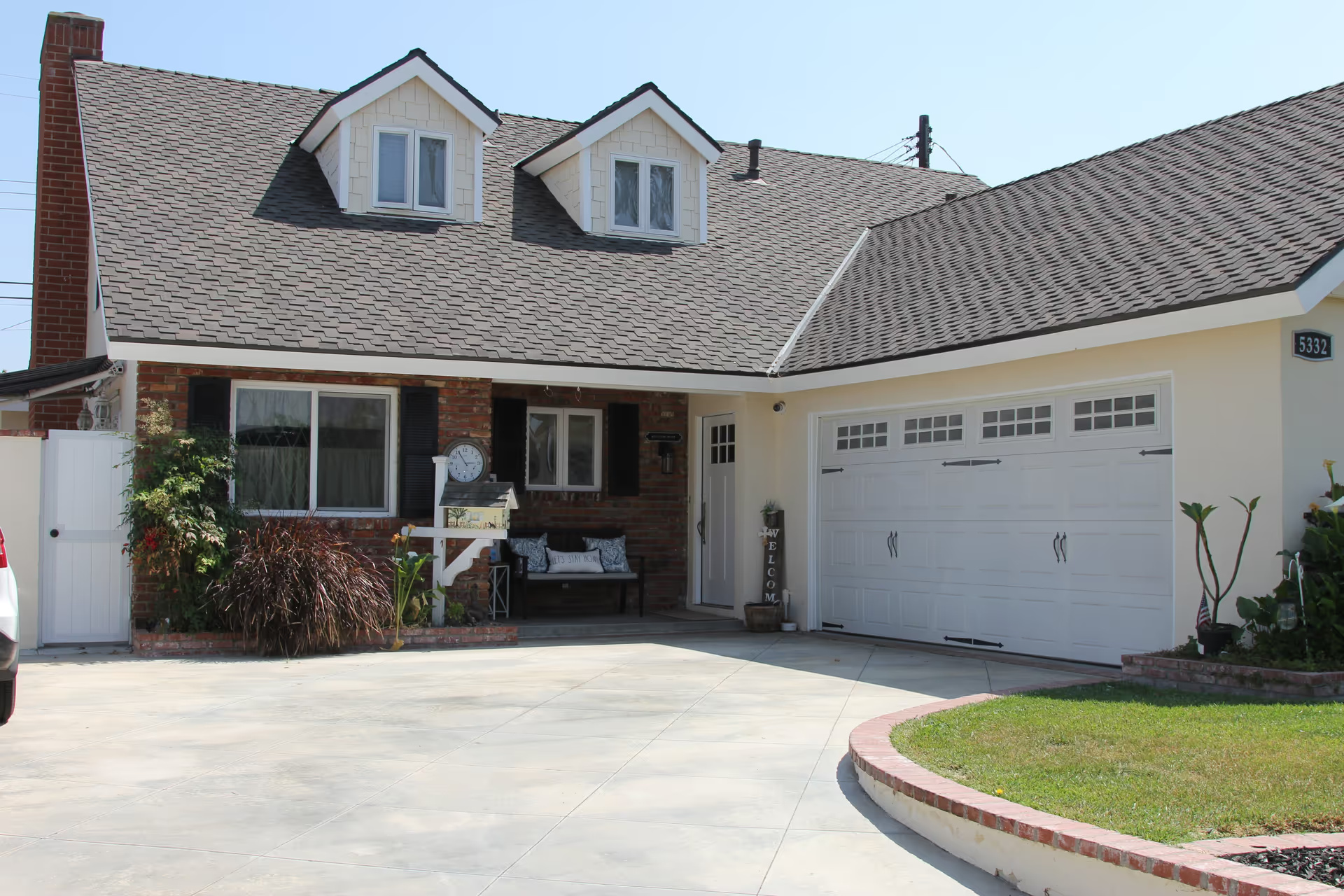
Overall impression Extended Care Hospital of Westminster is consistently described as a small, family‑oriented skilled nursing and rehab setting with a strong emphasis on bedside caregiving and therapy. Many families praise the nursing staff, CNAs, and therapy teams for attentive, compassionate care, measurable rehab progress, and routine clinical monitoring. The facility is frequently described as clean and well maintained, with an active activities program and chef‑prepared meals that many residents enjoy.
Care quality and clinical services Clinical strengths include focused rehabilitation services, regular therapy sessions, and hands‑on nursing that families credit with strength and weight gains for some residents. Several accounts highlight dementia‑aware approaches and staff who personalize interactions. At the same time, reviews suggest variability in how promptly staff attend to individual needs (for example, mobilization timing and hydration oversight) and raise concerns about medication management consistency. Prospective families should clarify clinical protocols, medication‑review processes, and therapy schedules during admissions discussions.
Staff and management The facility benefits from a core of long‑tenured, engaged staff and accessible leadership; many families note proactive phone updates and helpful social‑services support. However, there are recurring notes about inconsistent staff behavior and variability across shifts. Some reviewers cited serious individual incidents involving documentation and privacy practices; a small number of families raised allegations of privacy breaches and unauthorized charting or social‑media posts. Additionally, reviewers noted weaknesses in billing transparency and how rates are presented. These patterns point to the importance of reviewing privacy policies, documentation controls, and billing/rate disclosures with management before admission.
Dining and activities Dining is a widely cited strength: residents receive three meals a day, snacks, and family‑style dining opportunities, and several reviewers complimented the chef and food variety. That said, there are requests for more flexible substitution options to meet special diets and mixed comments about texture modification quality (pureed meals). The activities department receives positive mention for resident engagement and personalized projects displayed in rooms, supporting social and emotional well‑being.
Facilities and operations Most reviewers describe the interior as clean with regular housekeeping, a non‑clinical atmosphere, and close hospital proximity. A minority of comments point to occasional sanitation or odor concerns and an aging physical plant in places; housekeeping follow‑through appears inconsistent at times. Operationally, the main recurring weaknesses are shift‑to‑shift communication gaps and uneven follow‑up, which can affect family confidence and continuity of care.
Notable patterns and guidance for families The dominant pattern is high‑touch, family‑focused caregiving with strong rehab services and generally good housekeeping and dining. Counterbalancing that are operational inconsistencies—particularly in staff conduct across shifts, handoffs, medication administration practices, documentation/privacy controls, and billing transparency. Prospective residents and families would benefit from direct conversations with leadership about staffing ratios and handoff procedures, written explanations of medication‑review practices, copies of privacy policies and documentation controls, and clear, itemized billing/rate disclosures. Doing so will help align expectations and identify whether the facility’s strengths match the family’s clinical and administrative priorities.