Overview: Bayshire Yorba Linda elicits a strongly mixed but characteristic profile: many families praise the staff, rehabilitation services, and the physical environment, while a set of operational weaknesses — largely centered on staffing, communication, dining consistency, and maintenance — recur across accounts. The facility offers a continuum of care (assisted living, memory care, skilled nursing, and hospice services) and is noted for supportive interdisciplinary rehabilitation teams and on-site skilled-nursing capabilities. These clinical and therapeutic strengths contribute to positive outcomes for residents undergoing recovery and to peace of mind for some families.
Care and clinical operations: Clinical quality is described positively in many instances, particularly around rehab, skilled-nursing expertise, and hospice availability. Reviewers highlight engaged CNAs and nurses who provide compassionate daily care and redirection for residents with dementia. At the same time, multiple accounts point to operational inconsistencies: staffing levels (notably on weekends) are a recurrent concern, and families describe delays in responding to call lights and alarms. There are also recurring concerns about medication administration controls and about inconsistent incontinence-care and bathing schedules. These issues suggest variability in day-to-day care processes rather than a uniformly applied standard of practice.
Staff and communication: Staff are frequently characterized as friendly, warm, and helpful; longstanding memory-care staff and individual caregivers receive strong praise for resident engagement. However, reviewers also describe instances of dismissive or unprofessional communication, slow follow-up after incidents, and uneven responsiveness from upper management. Communication gaps extend beyond family updates to care coordination: some families experienced difficulty obtaining medical records from prior providers and noted incomplete transfer of clinical information during transitions. Ownership changes and billing disputes have contributed to uncertainty and strained family–management interactions.
Dining and activities: Dining has strengths and weaknesses. The facility offers plentiful portions, an all-day menu, and a variety of options — features families appreciate — and many reviewers enjoyed the food and dining servers. Conversely, recurring comments cite inconsistent food quality (cold meals, occasional poor texture or blandness), early meal times, and freshness issues with certain items like salads and bread. Activities programming is generally a positive point, with music, exercise classes, games, and social offerings noted; memory-care residents are often included. Still, there are reports that activity accessibility is uneven for mobility-restricted residents, and some residents find participation limited depending on physical ability.
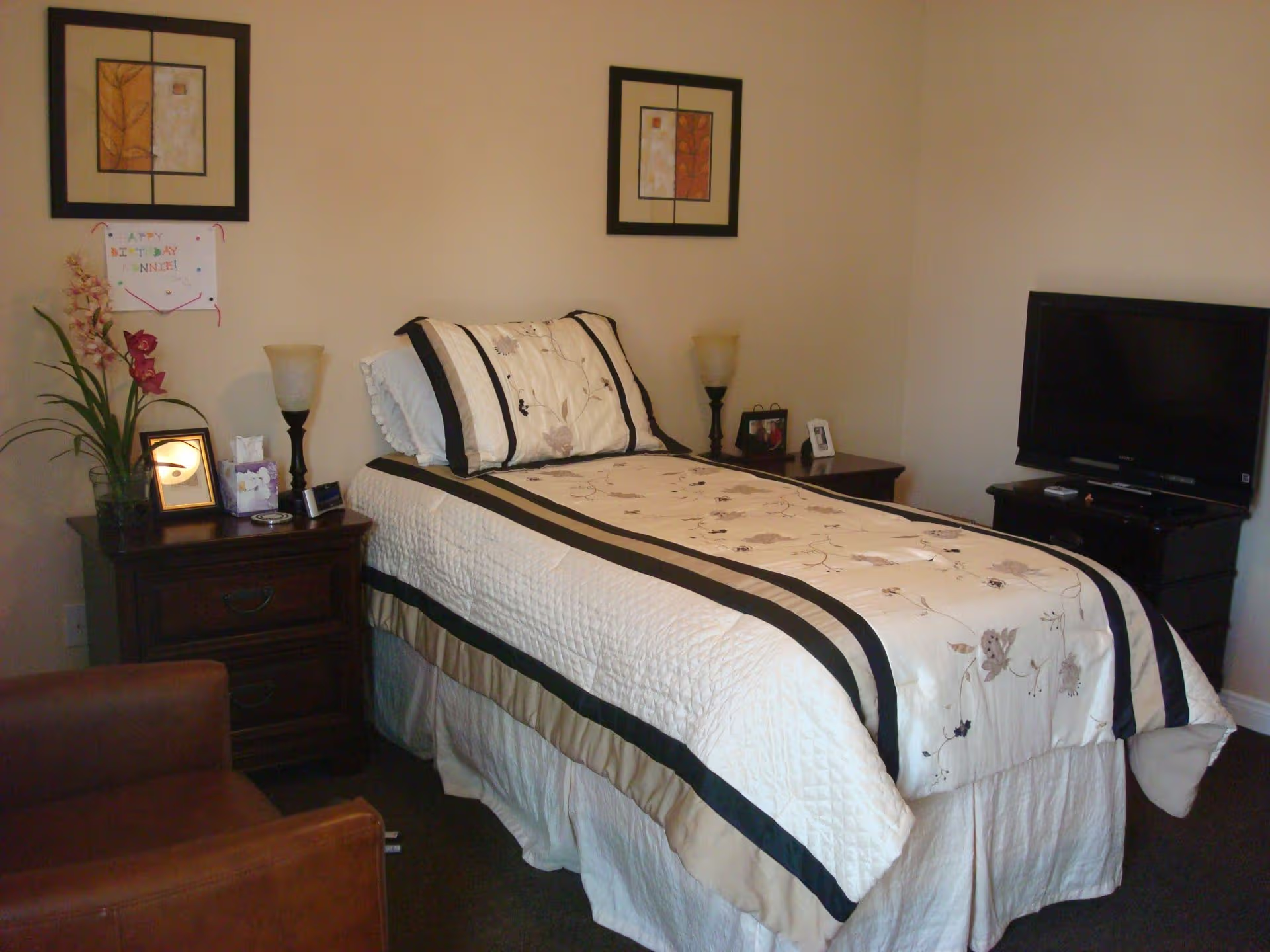
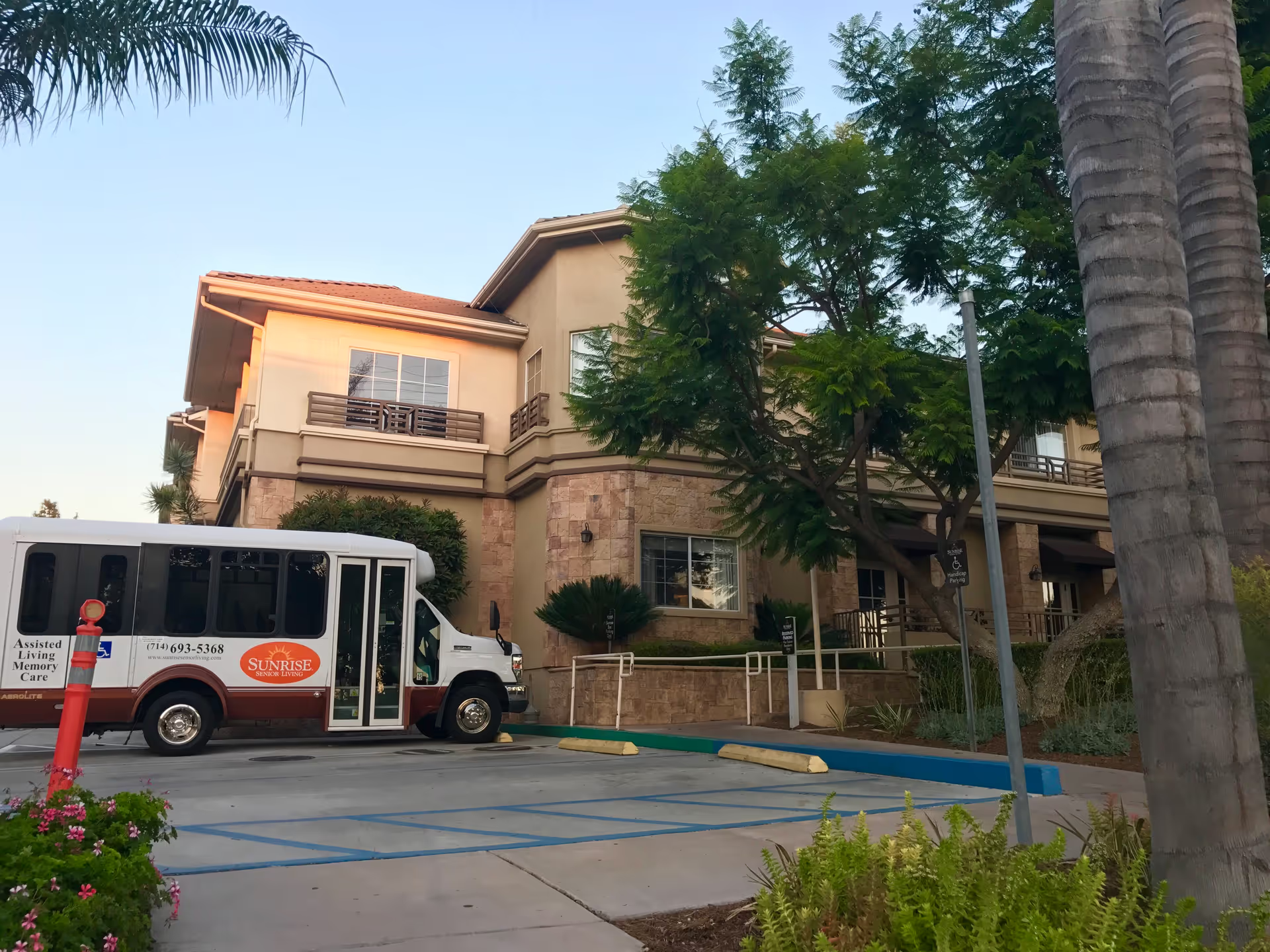
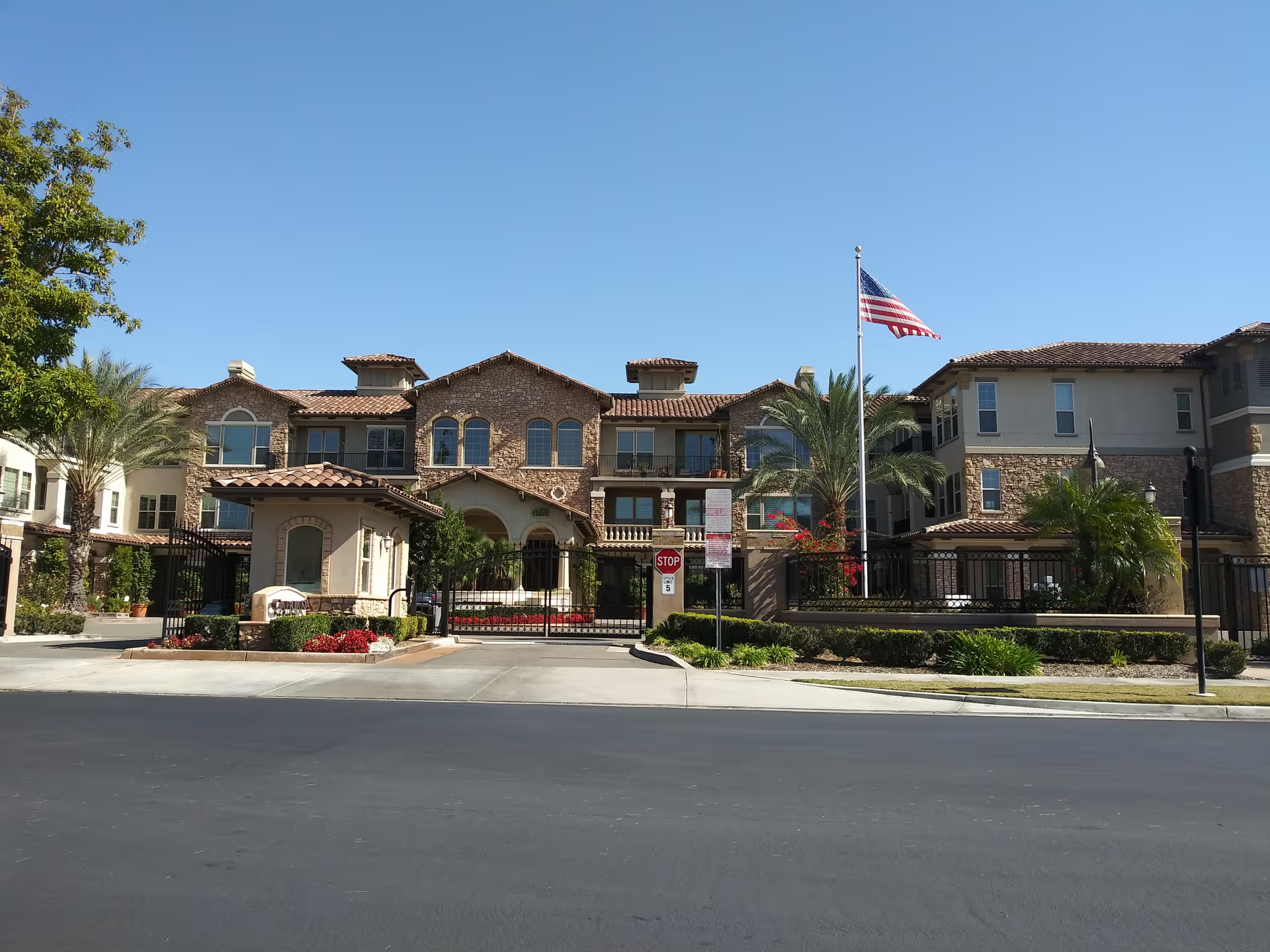
Facilities and maintenance: The physical campus receives praise for its attractive outdoor courtyard, updated garden/patio, bright common areas, and overall clean presentation in many spaces. Several families referenced prompt maintenance responses for urgent repairs (for example, HVAC). At the same time, other reviews point to aging-exterior elements, dirty windows or carpets in places, localized sanitation concerns in kitchen/dish areas, and intermittent maintenance issues (leaky roof, non-working fountains). These mixed observations indicate variable upkeep across different units and shared spaces.
Management, billing, and notable patterns: Several reviewers described delays with move-in paperwork, billing opacity, late fees, and price increases tied to higher levels of care; financial transparency is a material concern for families weighing options. The facility's sale/transition to different ownership was noted as a source of uncertainty about future changes. A clear pattern is the polarization of experiences: many families report high satisfaction rooted in the staff and therapy services, while others identify operational failures that materially affected trust (delays in response, medication-management concerns, and sanitation/maintenance lapses). Prospective residents and families would be well served to ask specific operational questions during a tour about staffing ratios and schedules, medication-administration safeguards, record-transfer procedures, cleaning and maintenance routines, activity accessibility for limited-mobility residents, and current ownership/billing policies.
Bottom line: Bayshire Yorba Linda presents strong features — especially in rehabilitation services, hospice availability, and a generally welcoming campus with engaged caregivers — but has identifiable operational weaknesses that affect consistency of care and family communication. Experiences vary substantially; the facility can provide high-quality, reassuring care for many residents, while others have encountered gaps in responsiveness, clinical administration, dining consistency, or maintenance. A targeted visit focused on the operational areas above is recommended to assess fit for an individual resident's needs.