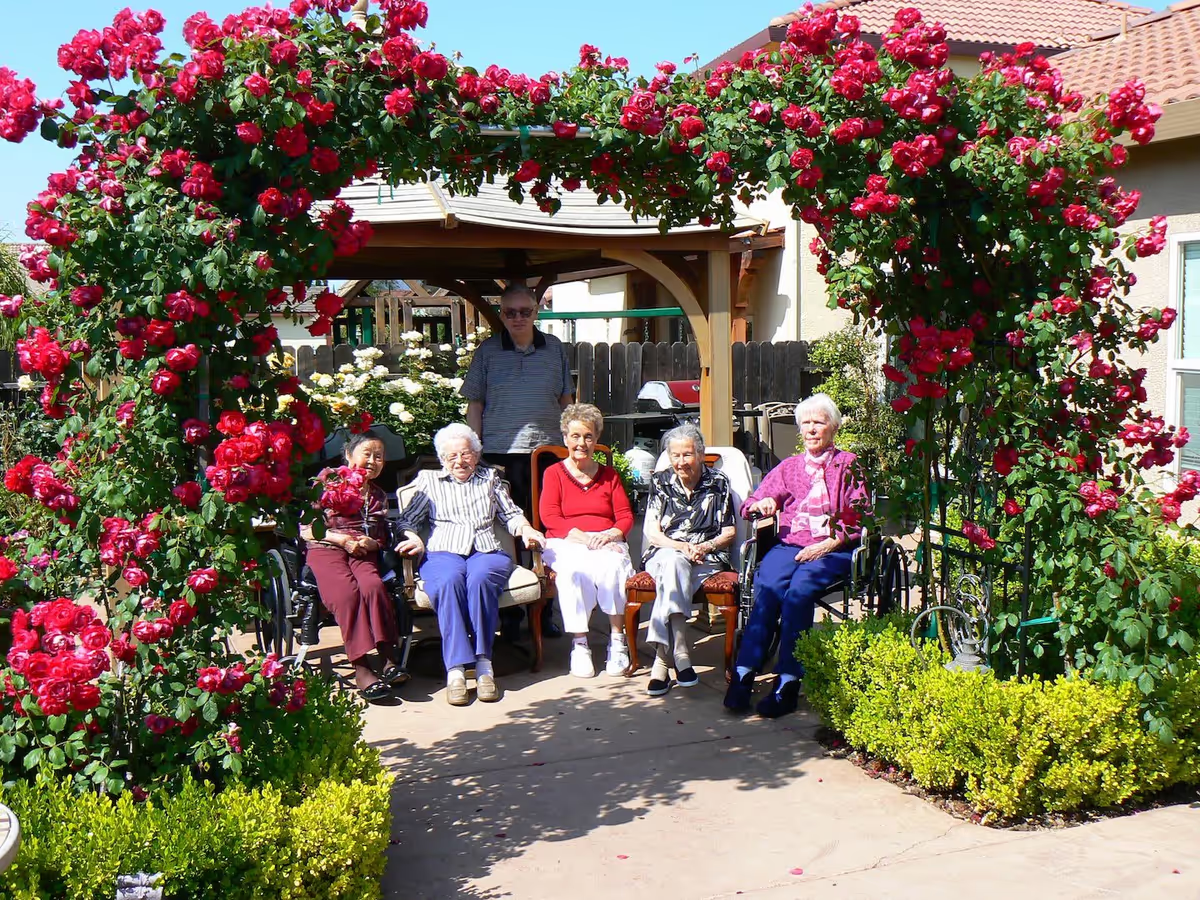
Emerald Oaks presents as a generally well-managed assisted living community with several clear strengths and some operational inconsistencies to consider. Reviewers consistently highlight engaged, personable staff and leadership: administrators and office managers are described as accessible and responsive, and direct-care employees are often praised for learning residents’ names, providing hospice-level attentiveness, and creating a warm, welcoming environment. Many families noted organized clinical processes such as medication dispensing and proactive coordination with physicians and pharmacies, which supports continuity of care.
Care quality is characterized by a mixture of reliable, compassionate interactions and intermittent operational lapses. Positive accounts emphasize attentive night and hospice coverage, staff familiarity with resident needs, and improvements in safety and quality compared with prior placements. However, there are recurring concerns about inconsistent staff presence, missed checks, and instances of unprepared or less professional conduct—issues that point to variability in day‑to‑day caregiving reliability rather than a single systemic failure. A subset of comments raises questions about the balance between medication-focused care and activity-based approaches for maintaining resident engagement and mobility.
Dining impressions are mixed. Several reviewers praised the dining room environment, variety of meals, and festive presentation, while others reported dissatisfaction with menu items and difficulties for residents with dentures. This pattern suggests variability in meal quality and in options tailored to chewing or texture needs. Prospective families should verify current menu offerings and accommodations for dental or swallowing concerns.
The activities program is generally noted as a strength when fully running: music events, Bingo, movement exercises, and social gatherings receive positive feedback and are linked to improved resident socialization and mood. That said, activity availability was reported as limited during infection-control periods and staffing interruptions; some reviewers described reduced programming or extended periods with limited communal engagement. Layout and unit configuration also affect social opportunities—some areas lack comfortable common spaces, contributing to isolated resident experiences.
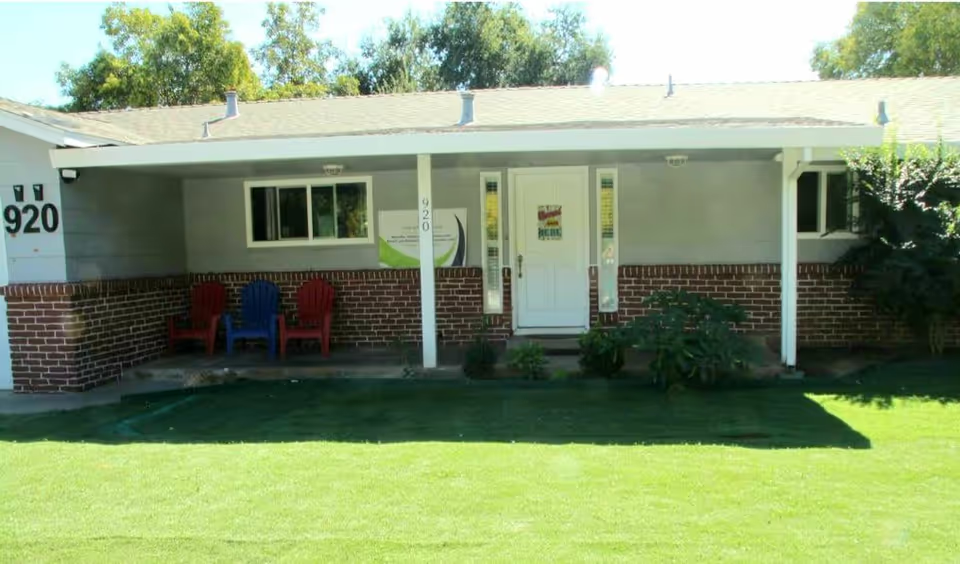
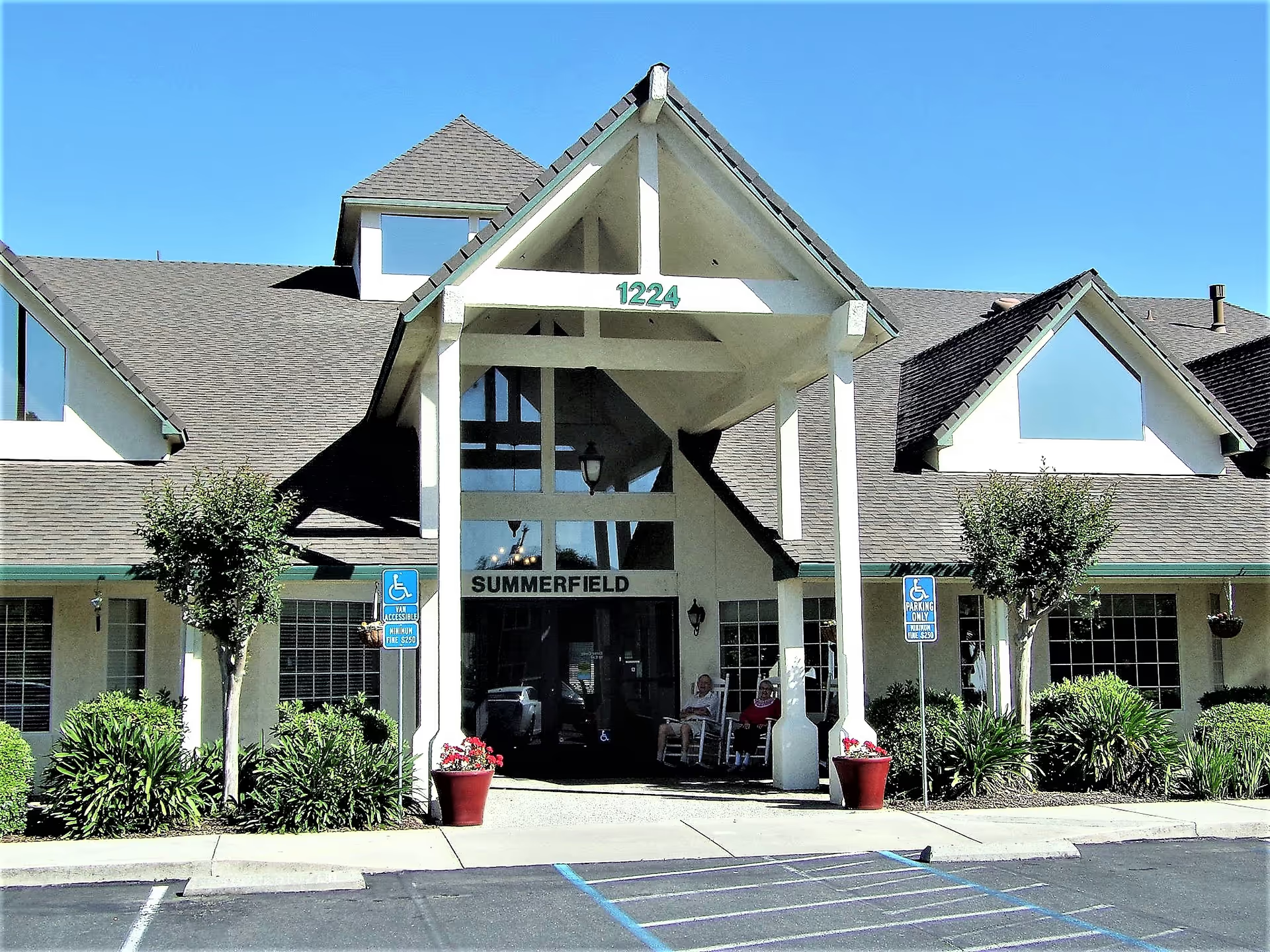
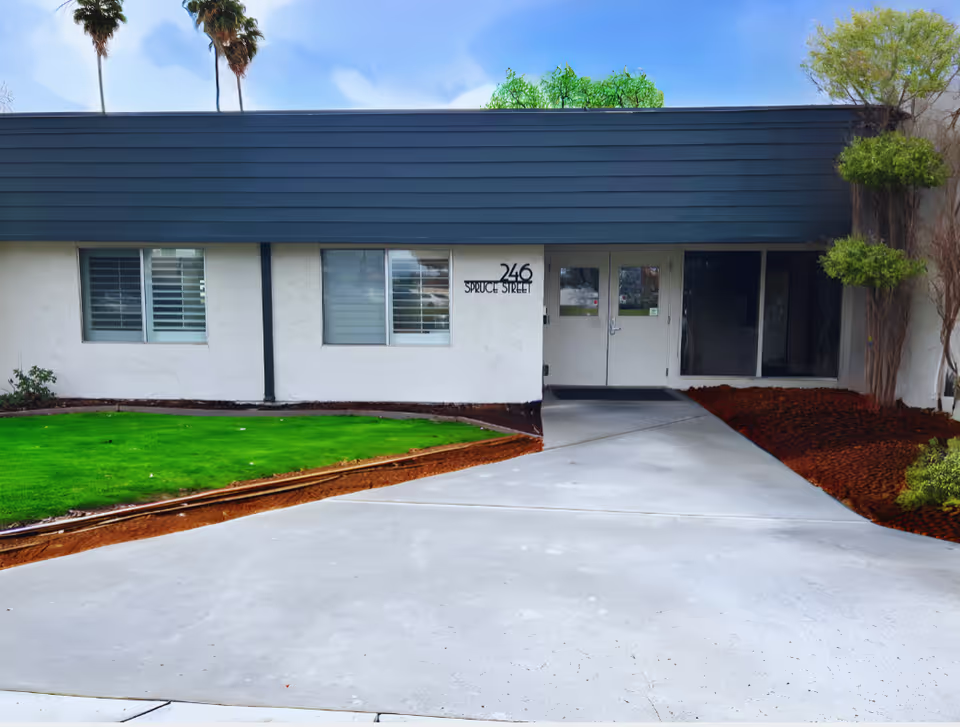
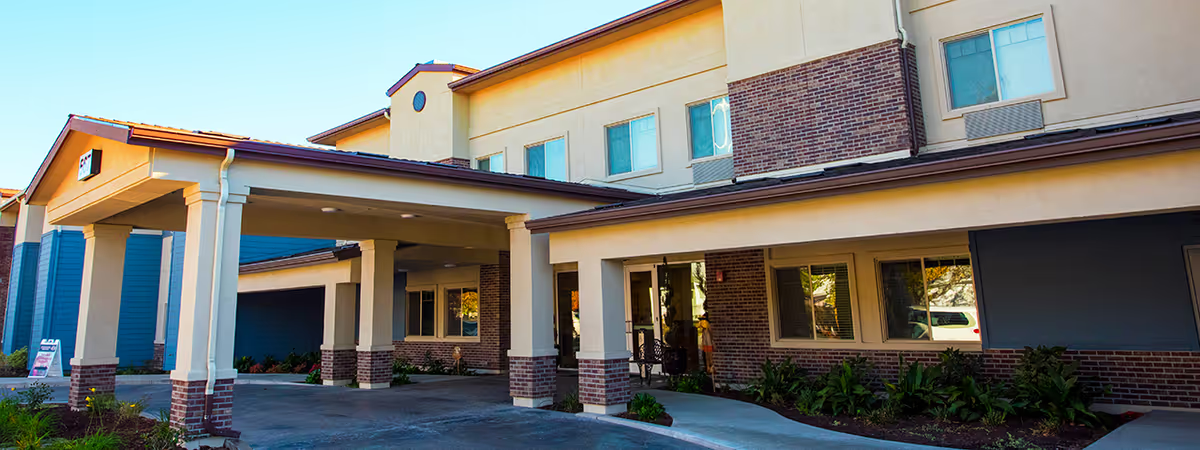
Facilities are described as clean, refreshed, and well kept, with updated rooms, an attractive dining area, a library, and a large activity room. The location is peaceful and near hospitals, which families viewed favorably. Despite overall cleanliness praise, there are intermittent housekeeping and laundry execution issues noted by some families that suggest consistency problems in those operational areas.
Management presence and responsiveness are frequently cited as positives; named staff received particular commendation. Still, patterns of unclear visitation policies, inconsistent communication about appointments, and variations in how the team coordinates family interactions emerged as notable concerns. Cost is another important consideration: while some described Emerald Oaks as more affordable than prior placements, others noted high charges for private rooms and cost complexities related to shared-room arrangements.
Overall, Emerald Oaks appears to offer a caring culture, organized clinical practices, and attractive facilities, with particular strengths in leadership visibility and activity potential. Prospective residents and families should confirm current staffing levels and schedules, ask about average activity programming and infection-control contingency plans, review meal accommodations for denture and texture needs, and clarify visitation and communication protocols. These checks will help determine whether the facility’s strong elements align with an individual’s clinical and social needs and whether operational inconsistencies are being actively managed.