Overall impression: Reviewers convey a mixed but instructive picture. Many families and patients praise the facility’s clinical strengths — particularly nursing attentiveness and a robust physical-therapy/rehabilitation program — alongside a generally clean, welcoming environment and friendly front-desk staff. At the same time, a number of operational weaknesses recur across narratives, creating a pattern of variable experience that prospective residents should probe during visits.
Care and staff: Positive comments emphasize compassionate, attentive nurses, effective therapy staff, and supportive administrative leadership. Several accounts highlight good staff retention, coordinated after-care planning, regular physician rounds, and availability of Spanish-speaking nurses. Counterbalancing these strengths are repeated concerns about medication-management processes: reviewers described delays, missed doses, and unsafe handling practices. There are also reports of inconsistent staff conduct and professionalism; while many experienced respectful interactions, others described communication tone issues and conduct that families found unacceptable. One or more serious allegations of staff misconduct were raised and would warrant formal review.
Dining: Feedback on meals is mixed. Some reviewers praised thoughtful meal presentation, customization options, and improvement efforts; others cited small portions, limited appeal of specific menu items, and quality inconsistencies (including hard bread and unappealing vegetable preparations). Meal customization is available, but perceived reliability and satisfaction vary by stay.
Activities and social programming: The facility’s activities program receives strong marks in many accounts — including uplifting crafts, faith-based offerings, and an engaged activities director — which contribute to a generally positive, community-oriented atmosphere. However, some families reported that activity variety can be limited for certain residents, creating a boredom risk for those seeking more diverse programming.
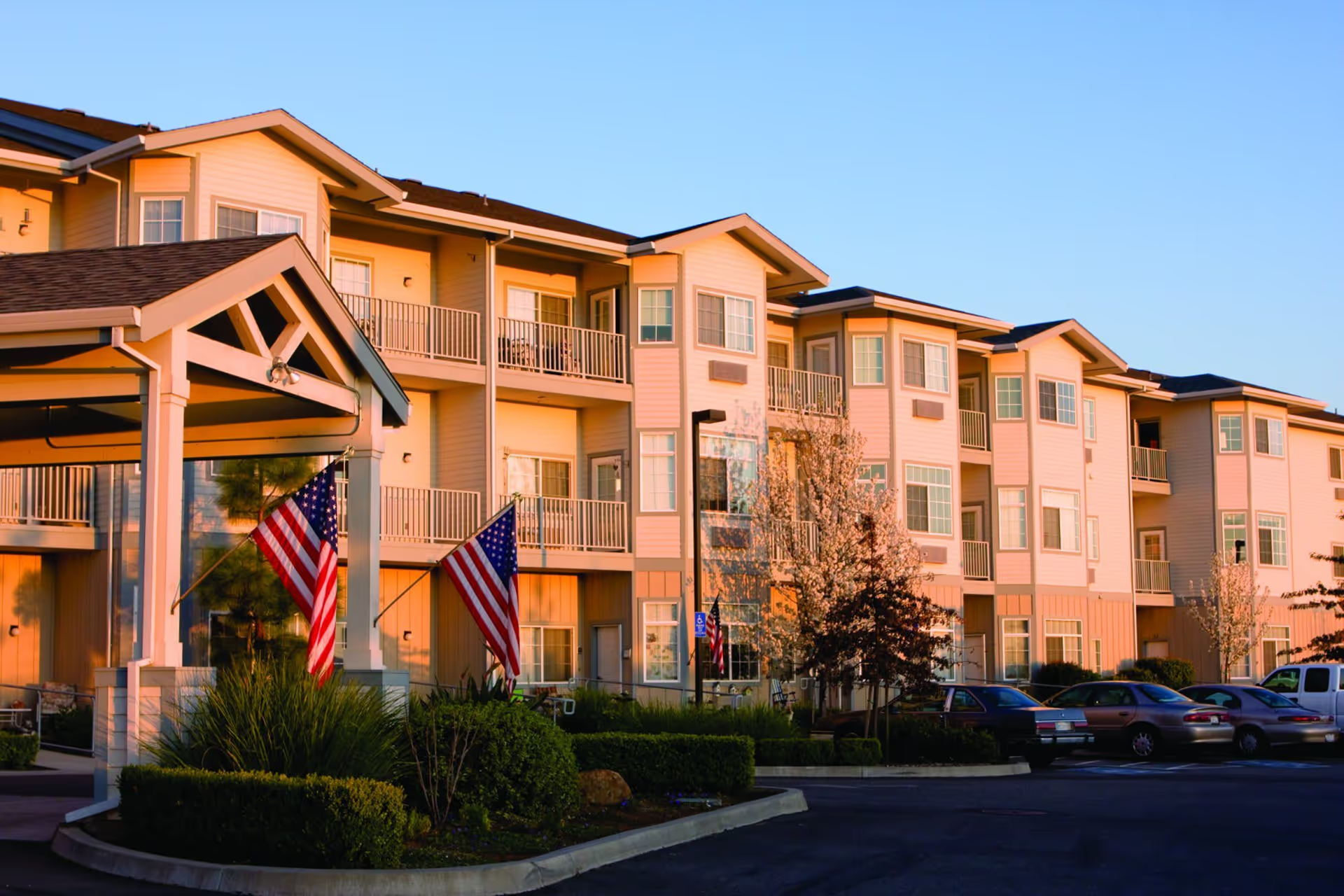
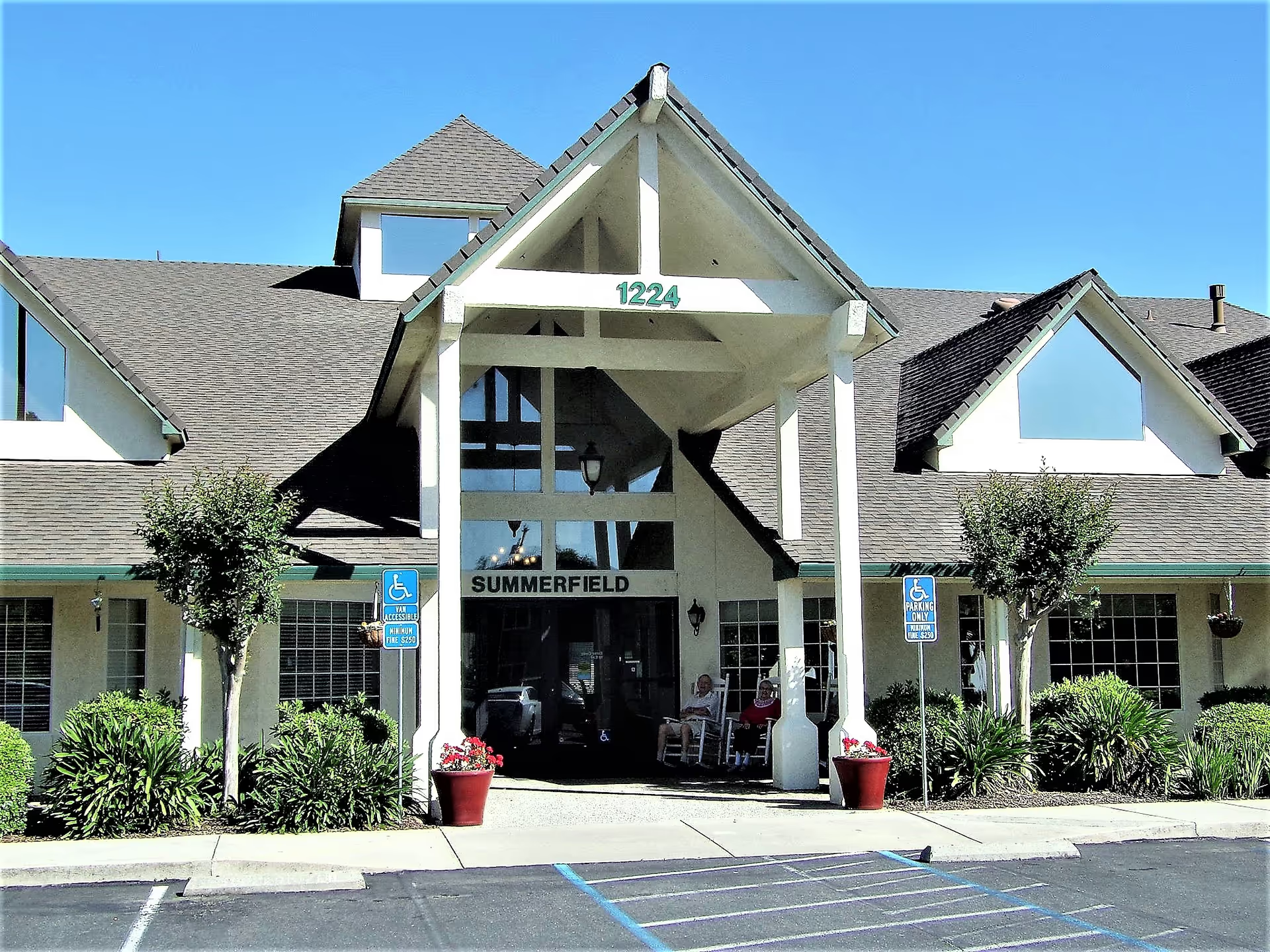
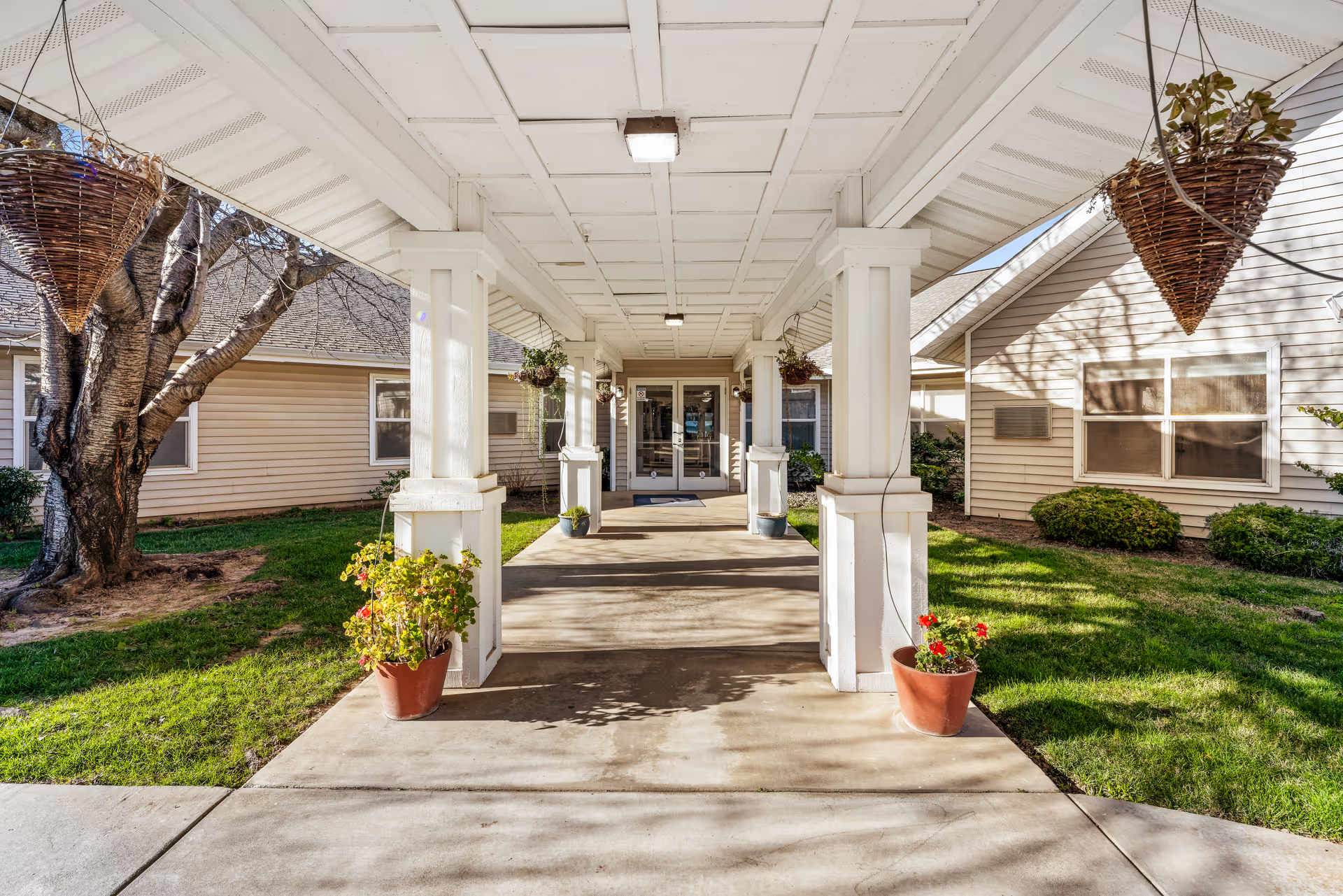
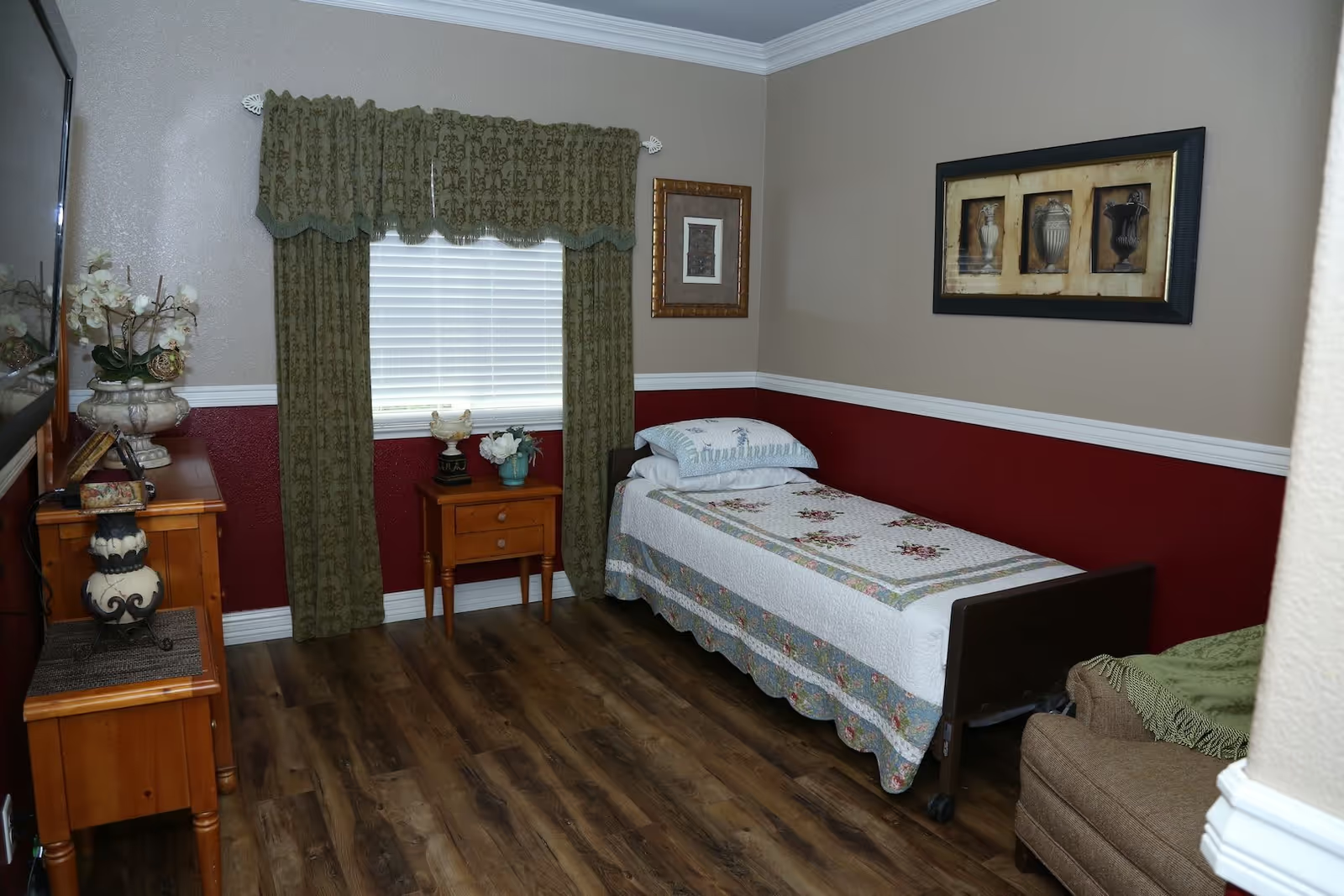
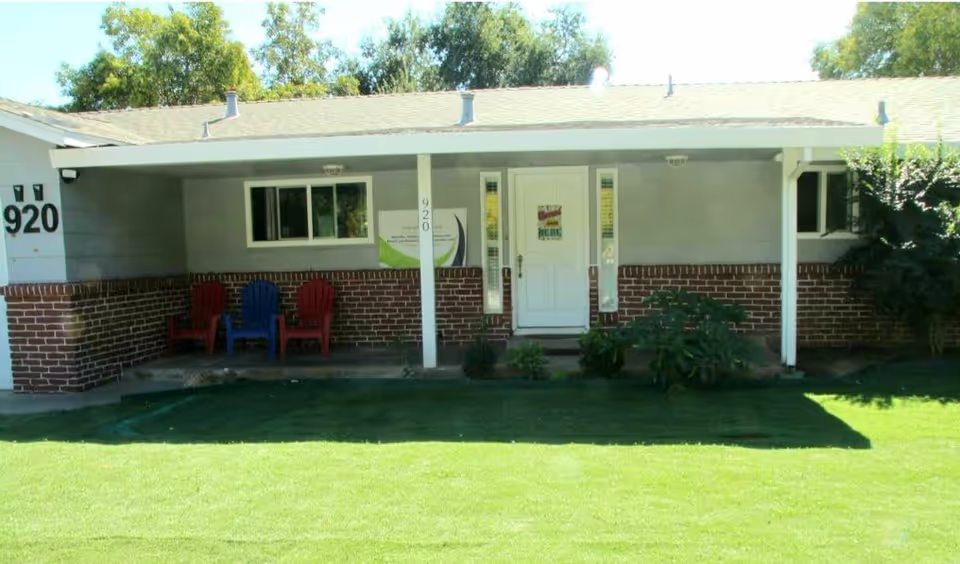
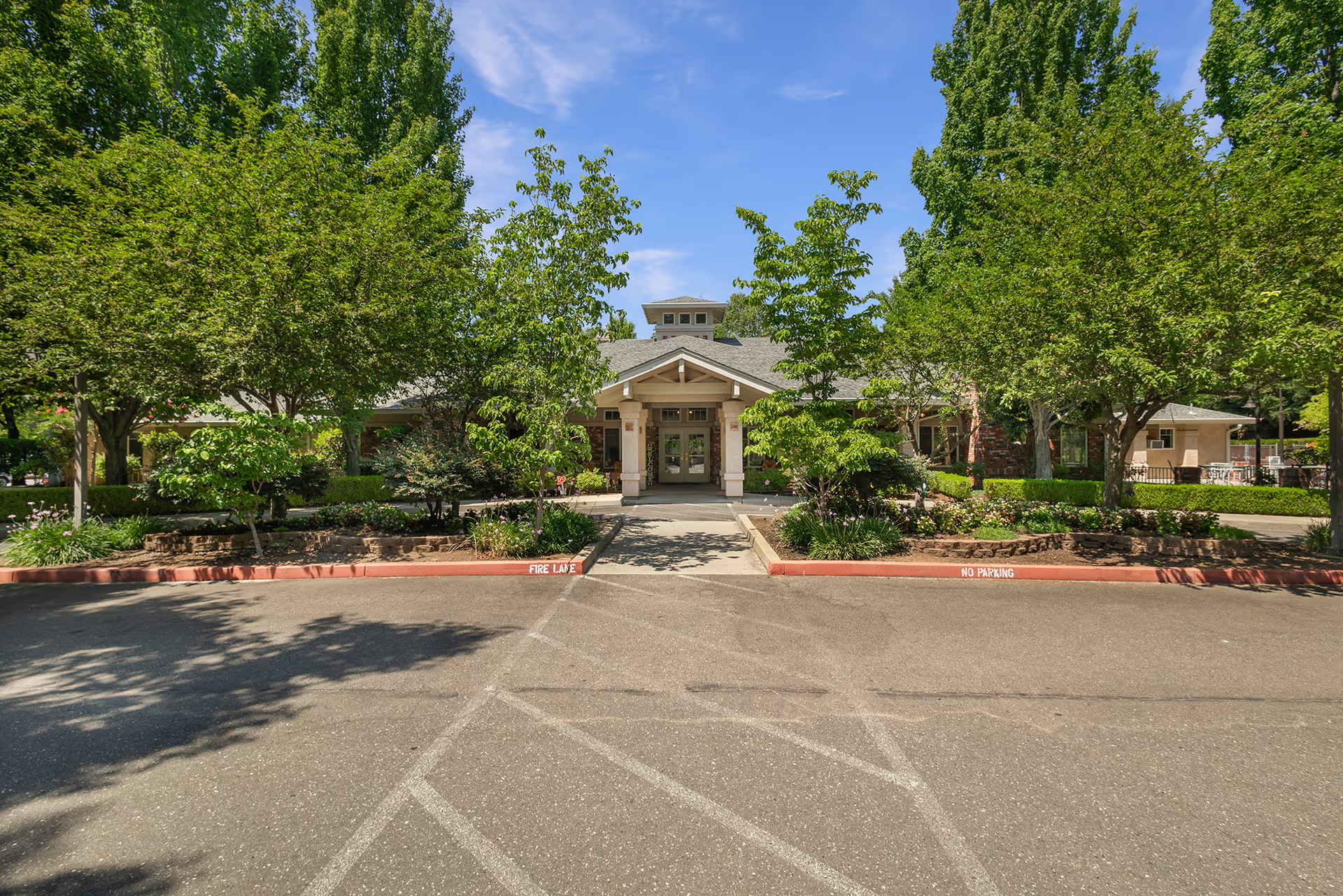
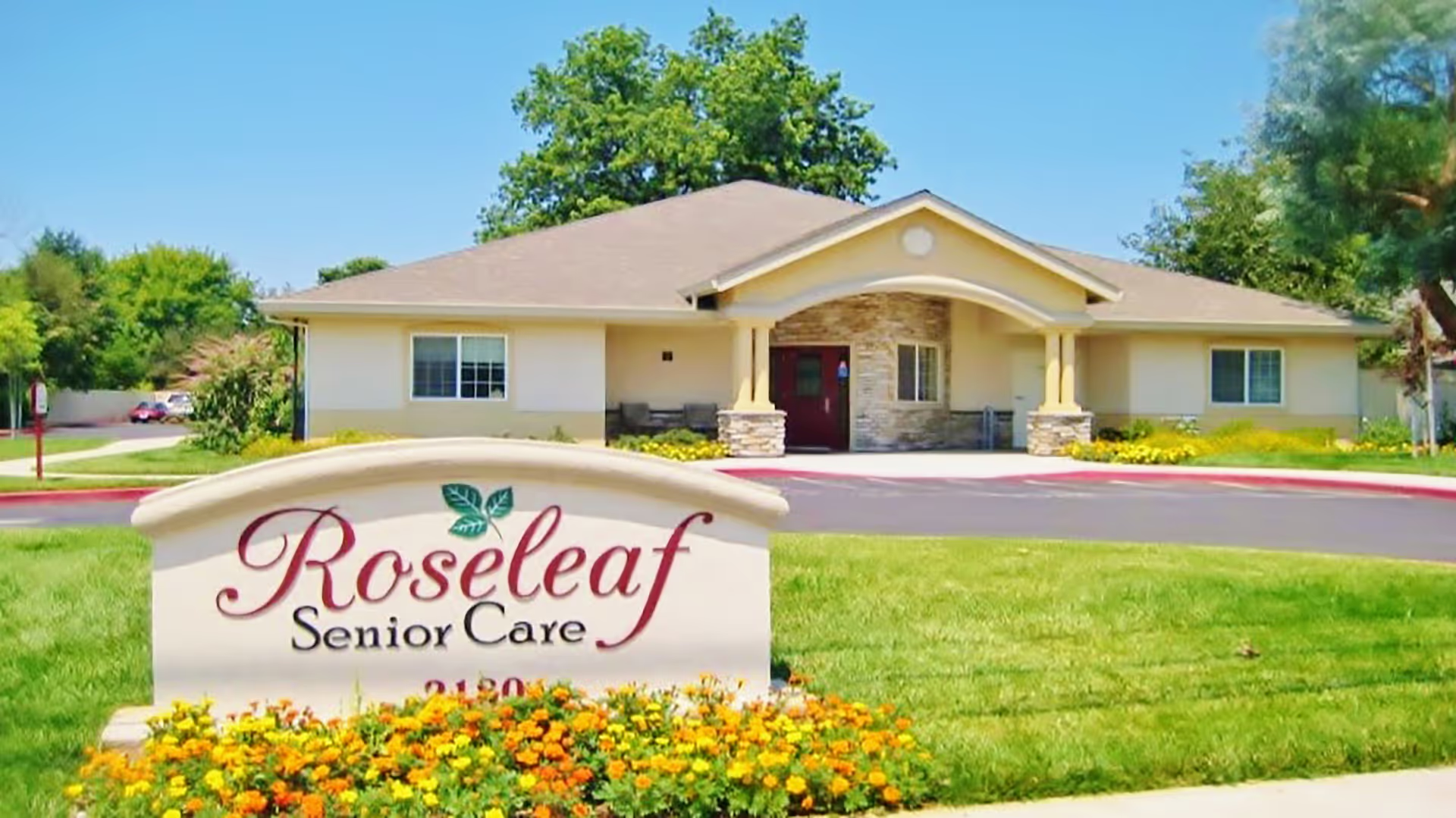
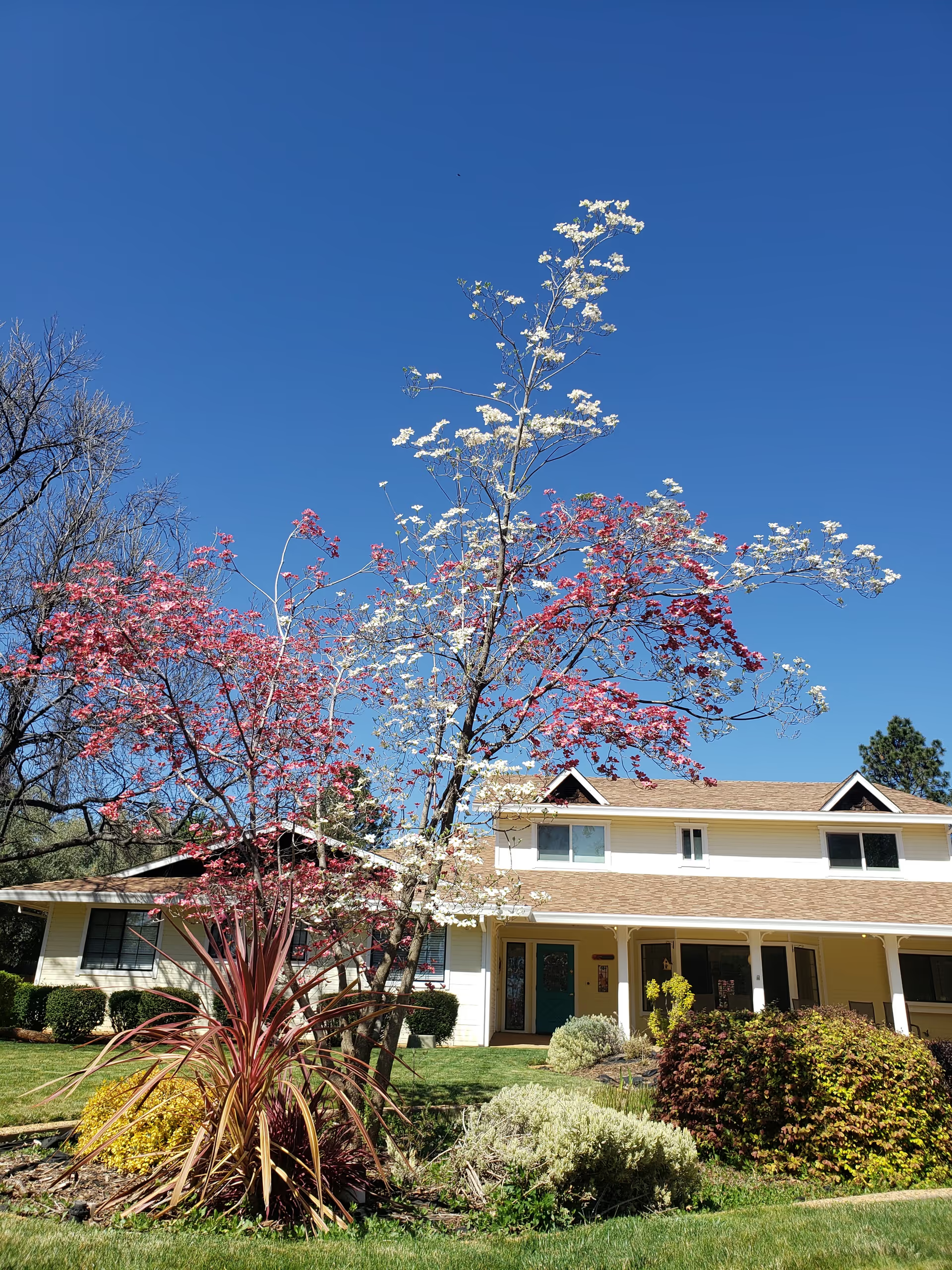
Facilities and housekeeping: Numerous reviewers describe a clean, well-kept building and organized common areas. Conversely, others raised sanitation and housekeeping concerns specifically about room cleaning frequency and condition, indicating inconsistent housekeeping performance across the facility or between units.
Management, communication, and operations: Management and leadership are often described as responsive and compassionate, and some reviewers praised strong communication and coordination (admissions, therapy scheduling, after-care). Nevertheless, gaps in family communication, appointment coordination, and property-tracking (lost personal items) were also mentioned. There are indications of inconsistent performance between different units or nearby campuses, which suggests variability in operational oversight.
Notable patterns and recommendations: The strongest, most consistent positives are the rehabilitation services, compassionate frontline caregivers, and a welcoming environment. The most consequential concerns relate to medication management, variable staff professionalism, inconsistent housekeeping, and uneven food quality. Prospective residents and families should consider an in-person tour, request details on medication-administration protocols, staffing ratios and training, housekeeping schedules, meal sampling and customization policies, incident-reporting procedures, and unit-level performance differences. Where serious conduct concerns are suspected, families may wish to ask about complaint resolution processes and any recent regulatory or quality reviews.