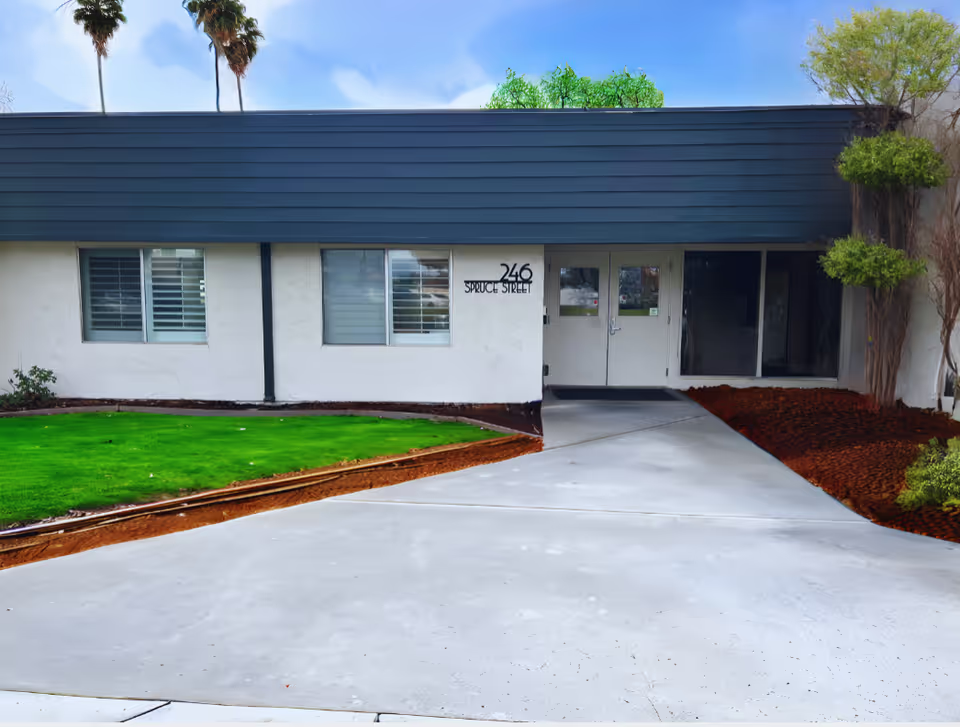
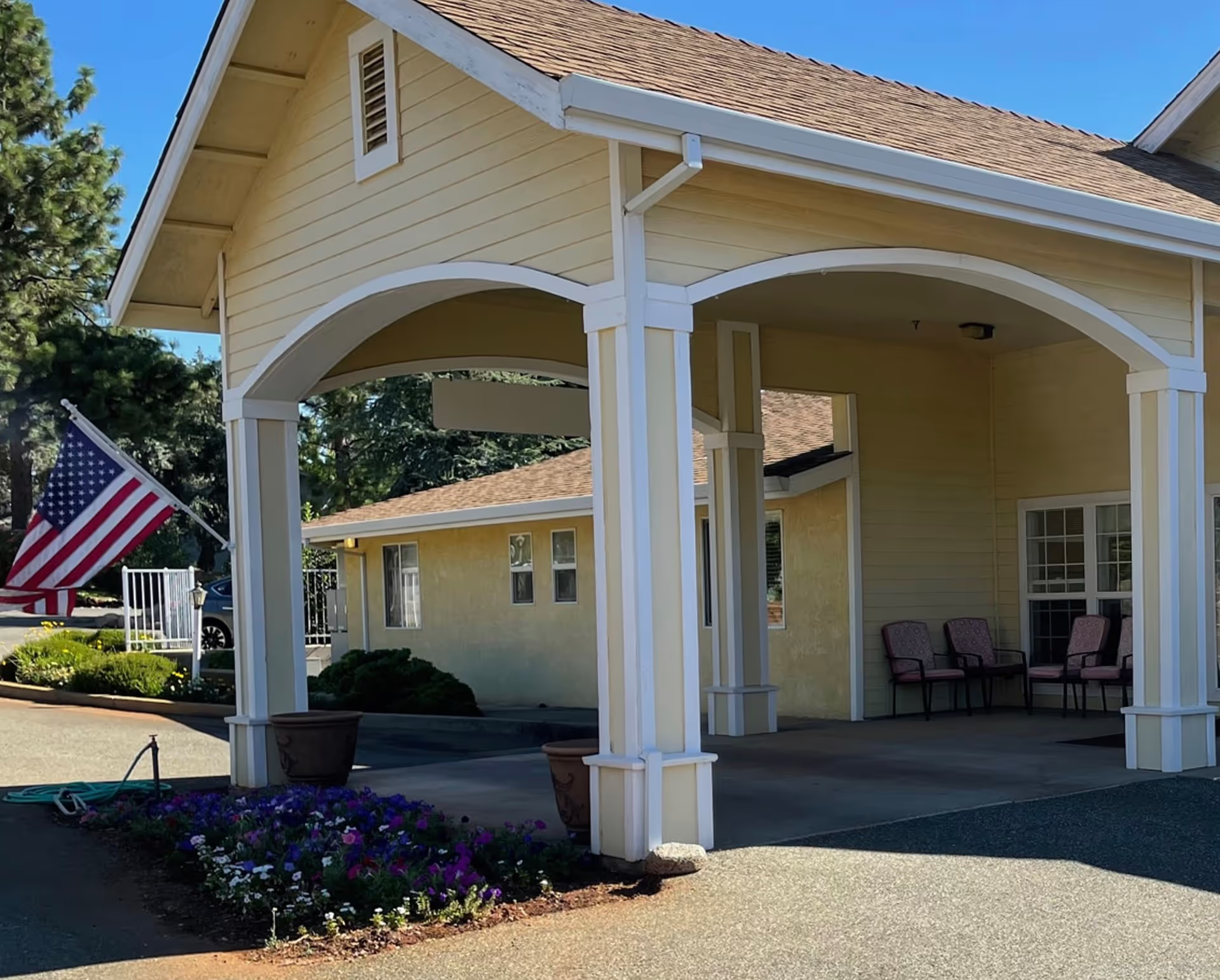
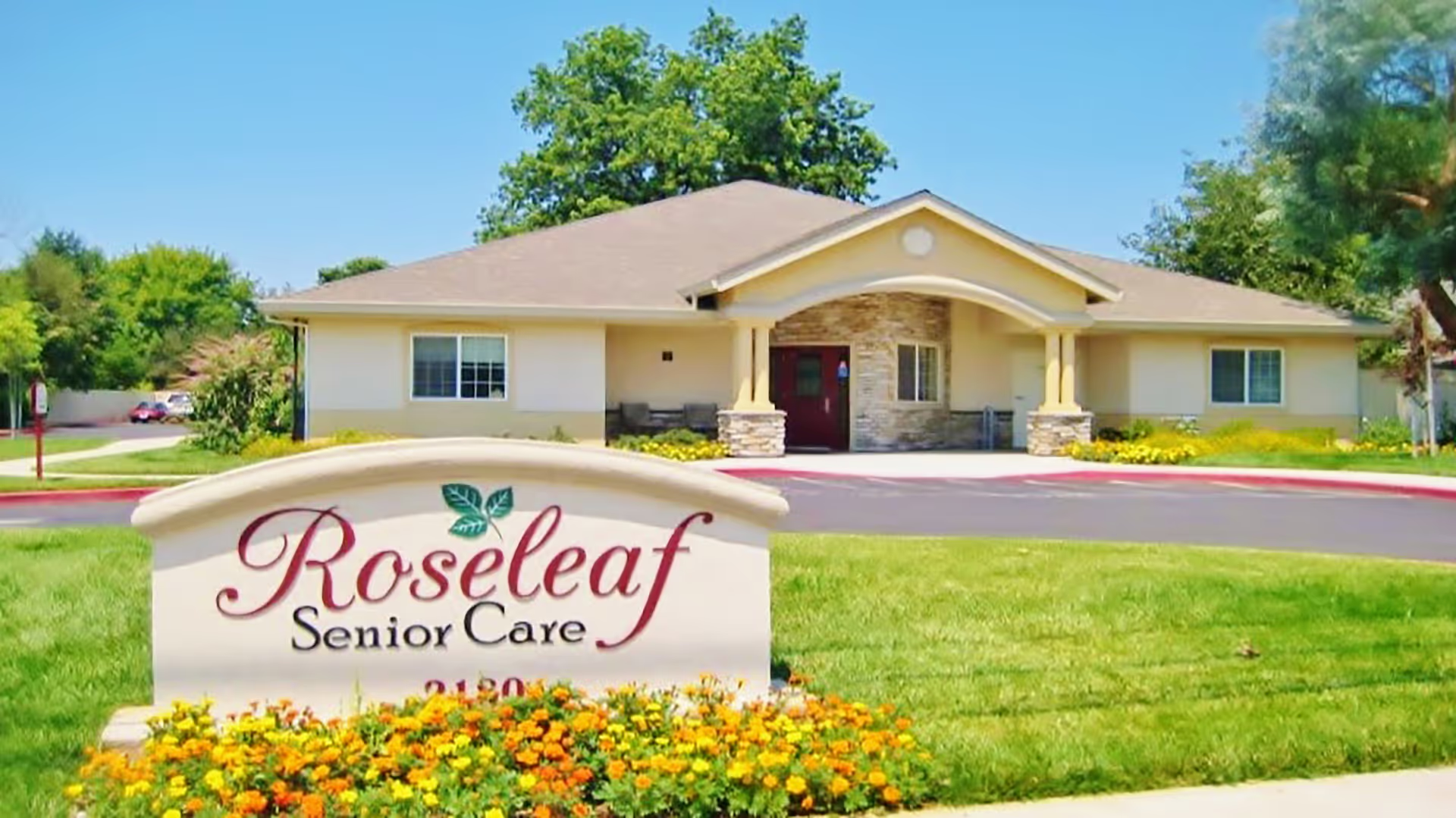
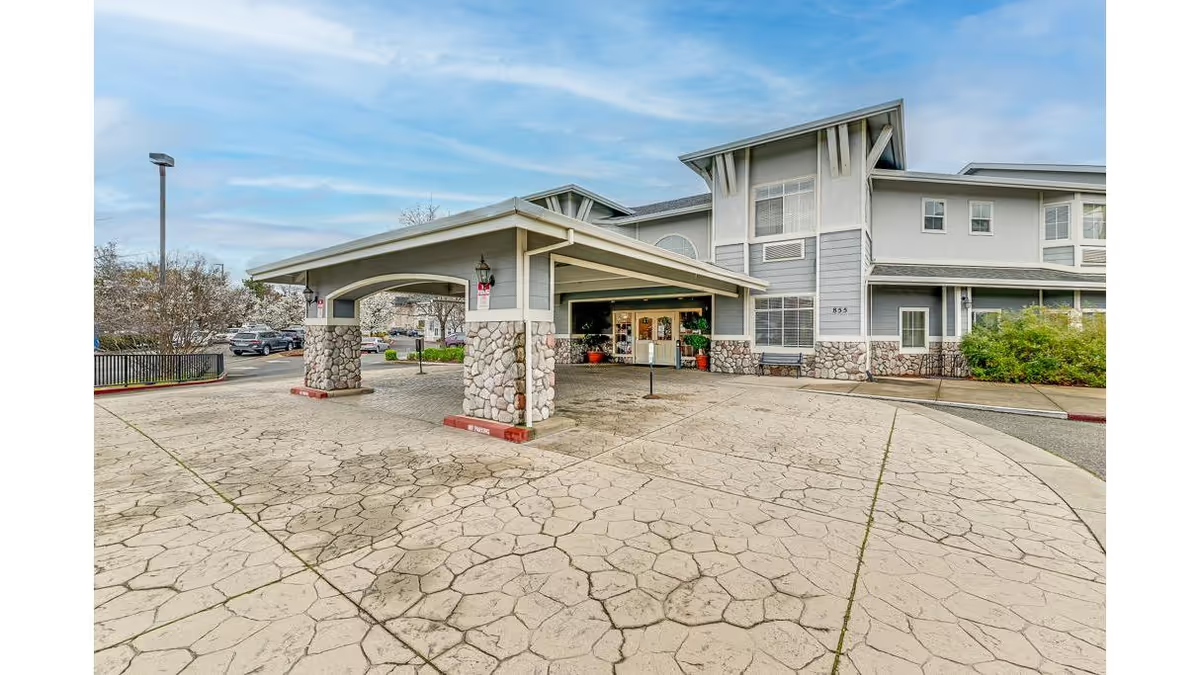
Pacifica Country Crest Senior Living receives substantial positive feedback for its compassionate caregiving team, apartment-style living, and resort-like physical environment. Many families and residents highlight a clean, well-maintained campus, spacious units with full kitchens and private balconies, and an overall “feels like home” atmosphere. The facility’s on-site chef and restaurant-style dining draw frequent praise for portion sizes and presentation; flexible meal times and on-demand options are noted as convenient for resident preferences. Amenities such as an on-site beauty salon, weekly housekeeping, self-laundry, and monitored memory-care areas contribute to a sense of comprehensive campus services.
Care quality and staff culture emerge as central strengths. Reviewers consistently describe staff as friendly, patient, and attentive; nursing presence, including an RN on duty and medication-management systems, is viewed as a stabilizing factor. Families frequently reference individual caregivers by name and report that staff learn residents’ names and preferences, which supports dignity and continuity of care. Activity programming is robust, with exercise classes, arts and crafts, outings, and social events that support engagement and mobility. The memory-care unit is described as secure and privacy-focused, with supervised outdoor areas and monitored exits.
Despite these strengths, several operational concerns recur. Leadership turnover and management changes are associated with perceptions of cultural shifts and inconsistent policy enforcement. Communication lapses—delays in follow-up, unclear responses about resident issues, and inconsistent family updates—are reported often enough to be a pattern-level concern. Staffing variability and shift-handoff gaps are cited as underlying contributors to delayed service, occasional missed checks, and uneven activity or therapy delivery. Some families expressed concerns about medication-management practices; these comments suggest opportunities to reinforce clinical protocols and family notification processes.
Dining and transportation show mixed experiences. While many praise the dining program and chef-driven meals, others note variability in quality—particularly in certain care areas—and occasional changes to menus tied to corporate decisions. Transportation is a valued service, but reliability problems (for example, vehicle breakdowns or scheduling disruptions) have affected some outings and appointments. Operationally, mail and personal-item handling processes have generated complaints about delays and inconsistencies, indicating a need for clearer procedures and accountability.
There are individual, serious allegations that warrant attention from prospective families: disputes over billing practices during bereavement and claims related to eviction or relocation of residents with cognitive impairment. These are isolated but significant concerns that point to gaps in grievance resolution, clarity of policy, and family communication. Prospective residents and families should ask for written policies on admission/eviction, bereavement billing, mail handling, medication management, and escalation pathways before committing.
Overall, Pacifica Country Crest offers many of the amenities and relational strengths families seek in a senior community—clean facilities, active programming, and a personable caregiving team—balanced against operational areas that would benefit from stronger managerial continuity, more consistent communication, and tightened clinical and support processes. Families who prioritize apartment-style accommodations, robust activities, and restaurant-style dining will likely find the community appealing; those who prioritize absolute consistency in administrative communication and transport reliability should raise these topics during tours and admissions conversations.