Overall impression: Reviews present a facility that delivers consistently compassionate, person-centered care with strengths in hospice coordination, family communication, and a welcoming, home-like environment. Multiple families described staff as kind, respectful and attentive; administrative personnel were characterized as personable and efficient. Several accounts highlight strong end-of-life coordination that allowed family presence and dignified, peaceful transitions.
Care and staff: Care quality is a clear strength when staffing and training align. Reviewers praised attentive caregivers who treated residents with dignity and respect, noted a culture of professionalism from management downward, and named individual staff who made a positive difference. At the same time, there are recurring operational concerns: staffing levels can be inconsistent across shifts and some aides were perceived as undertrained, which may affect timeliness and the uniformity of care. Communication with families is generally good, though a number of comments describe management as defensive in tone; this suggests opportunities to strengthen family engagement and conflict-resolution processes.
Dining and activities: Dining receives mixed but generally positive marks. The facility offers individualized meal options and attractive presentation, and many residents enjoy the food and are invited to family meals. However, reviewers also cited inconsistent food temperature and occasional mediocre cold dishes, and the physical separation of some rooms from dining areas can create practical access issues. Activities and daily programming are viewed favorably; residents described regular engagement and a comfortable social atmosphere.
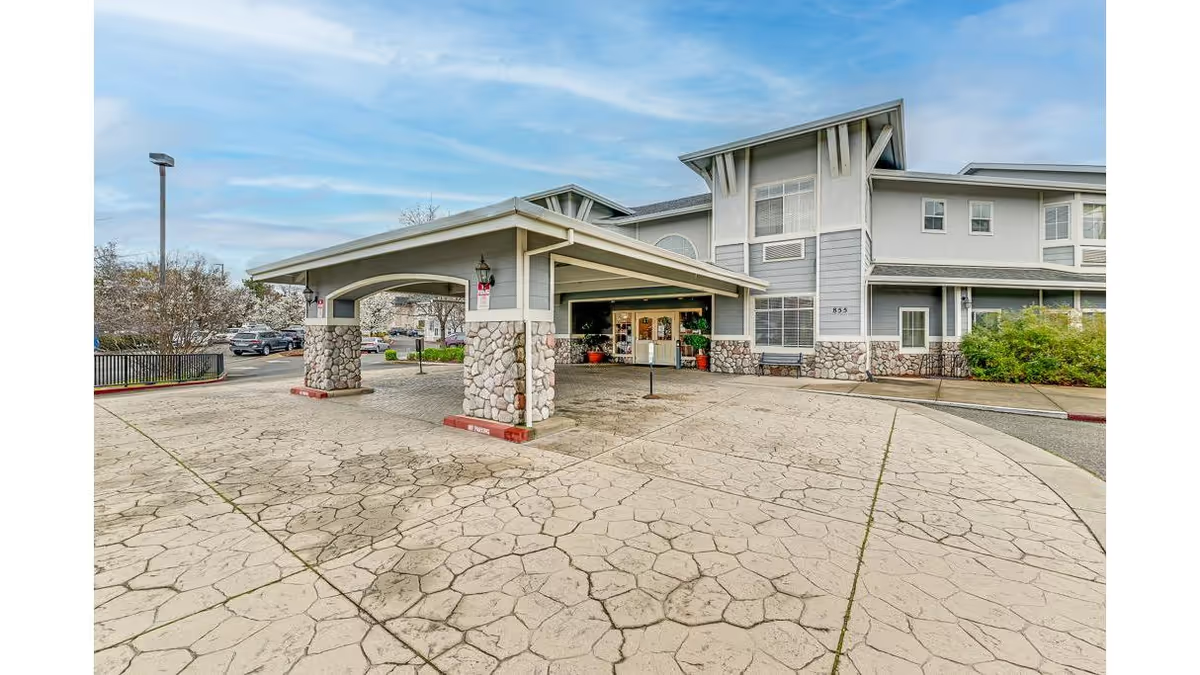
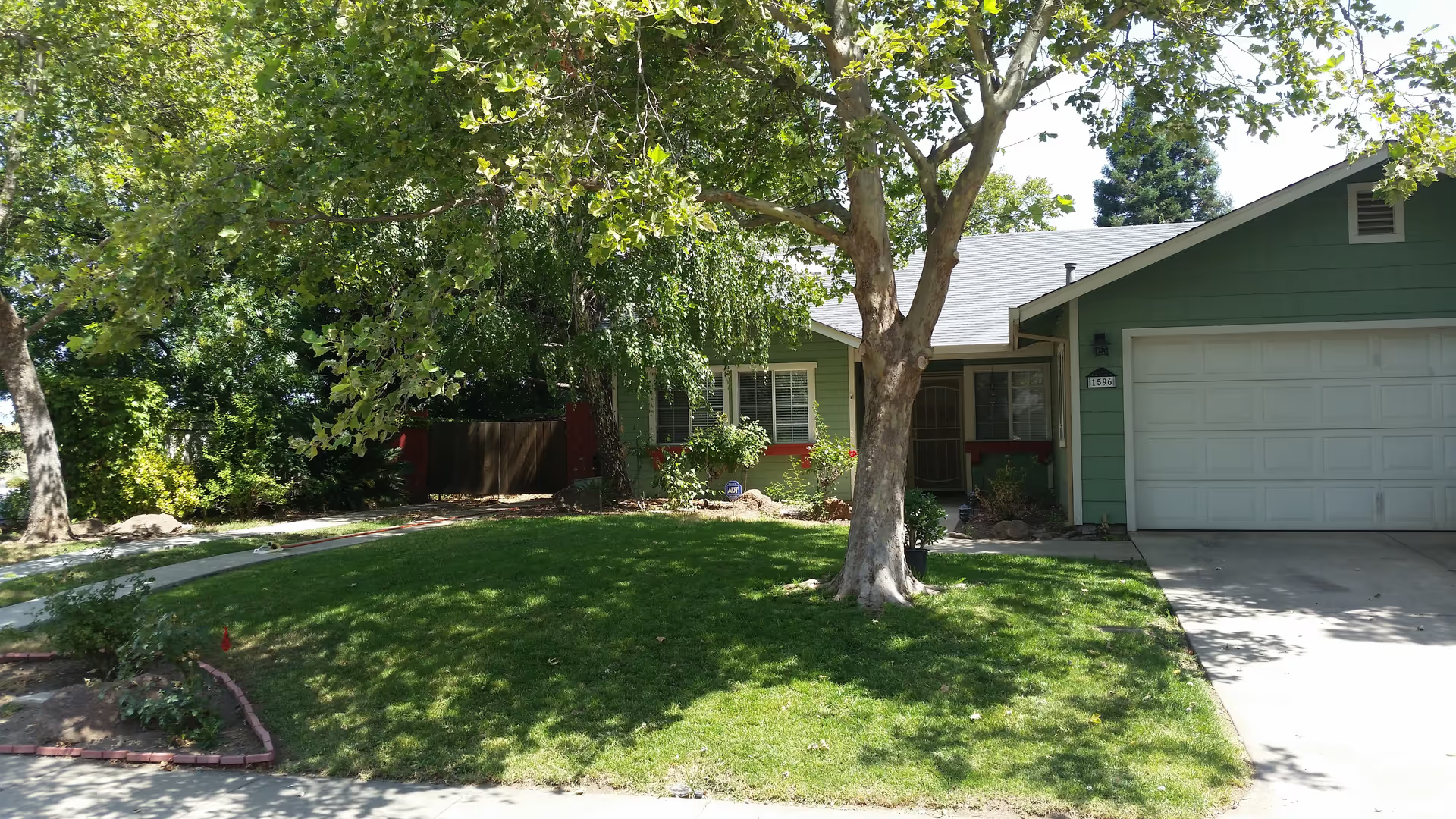
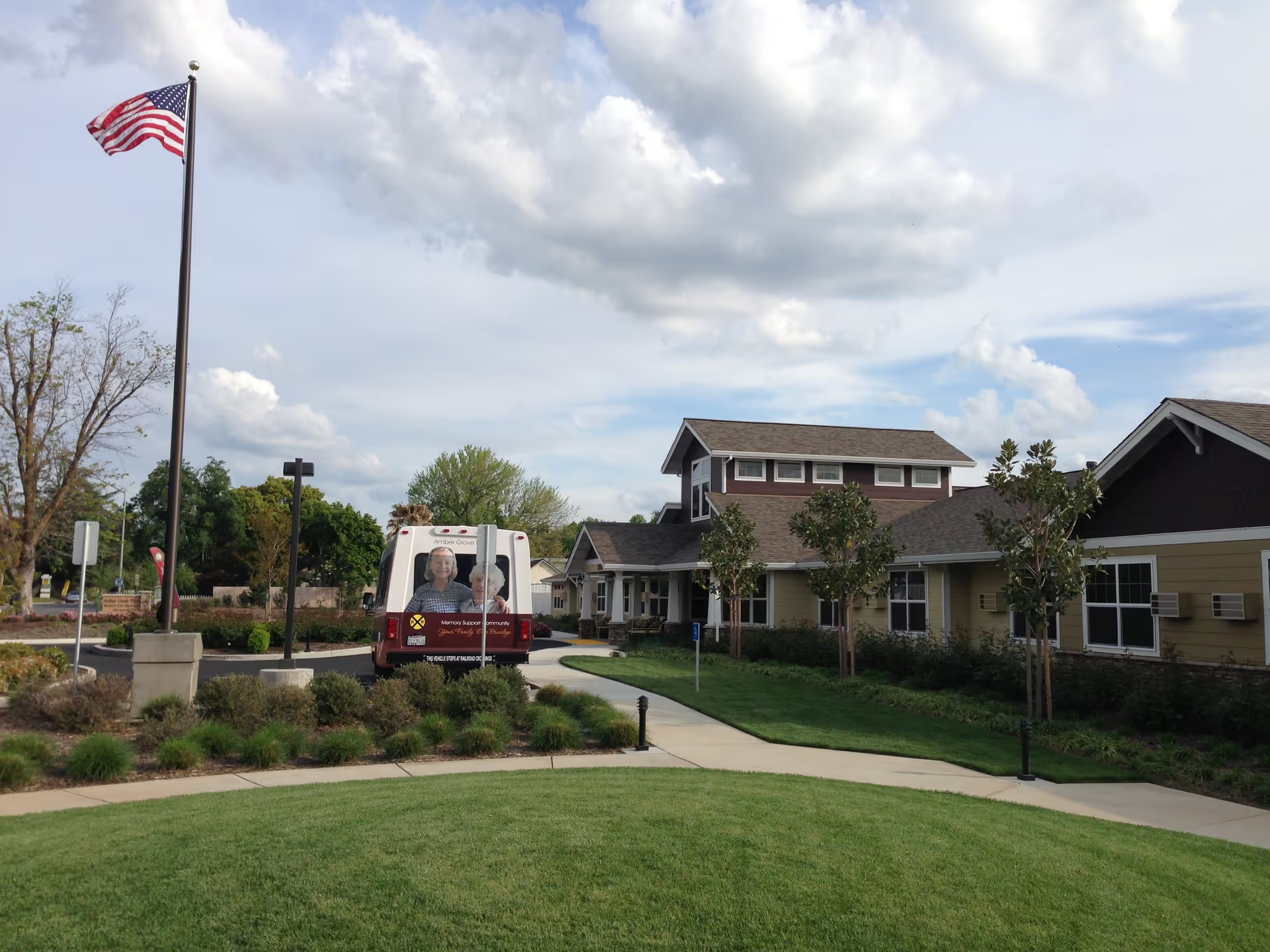
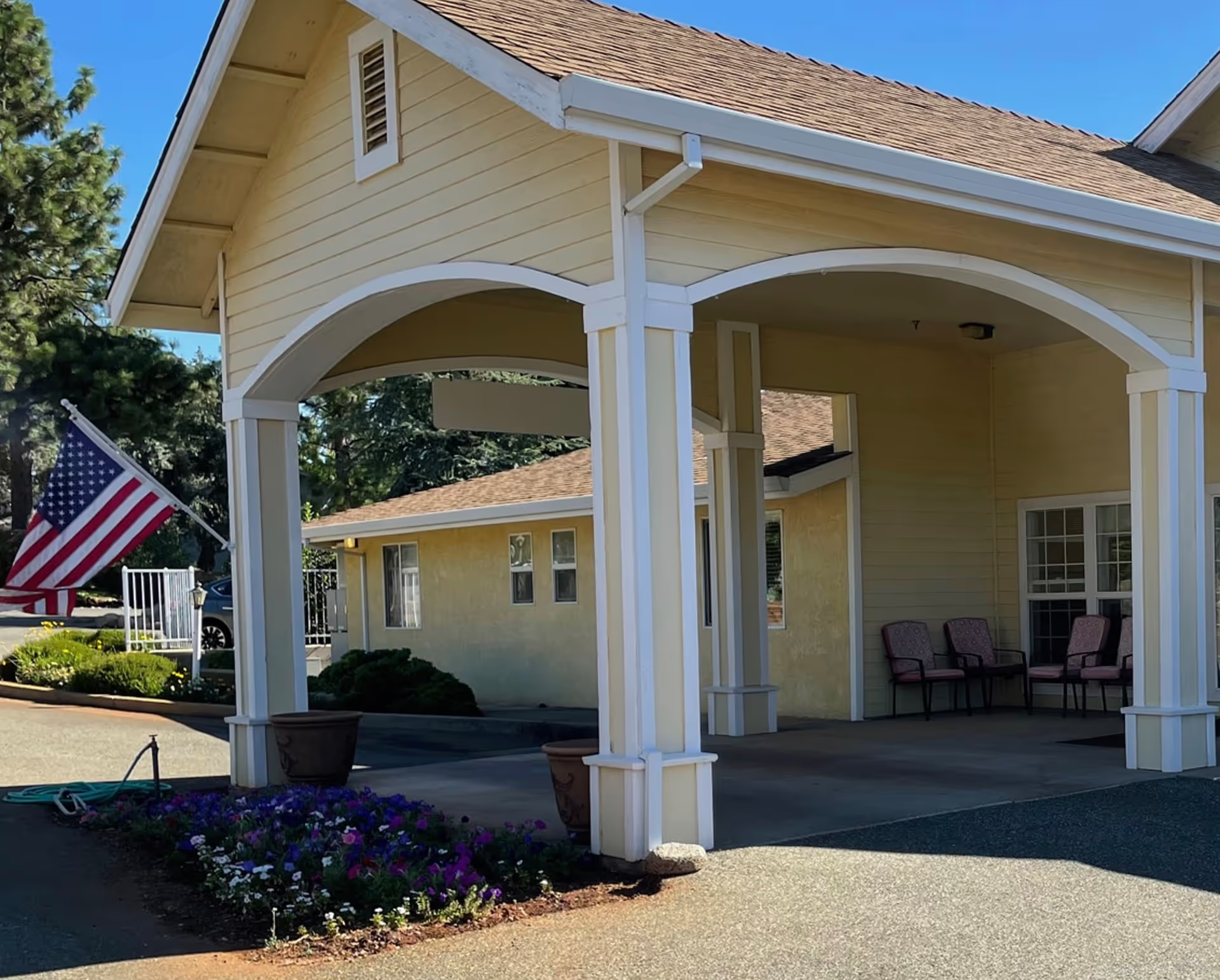
Facilities and services: The building and common areas are often described as clean, welcoming, and well-maintained, with responsive maintenance and laundry services. Rooms are generally comfortable and kept tidy. Noted operational maintenance issues include localized flooring wear and a few housekeeping inconsistencies that could present safety or aesthetic concerns if not addressed. The facility also appears to take infection control seriously, with visible COVID-19 precautions.
Management and value: Leadership is credited with creating a compassionate culture, but perceptions of a defensive management style and variable training practices point to areas for improvement in staff development and family relations. Cost is commonly described as premium; several families indicated pricing is higher than expected relative to certain service shortfalls (for example, meal quality or intermittent staffing inconsistencies). Prospective residents and families should weigh the facility’s strong person-centered care and maintenance strengths against these operational considerations.
Notable patterns for prospective families: Courtyard at Little Chico Creek is frequently praised for its compassionate caregiving, clean and welcoming environment, and effective hospice coordination. Consider asking about typical staff-to-resident ratios, staff training programs, meal temperature/transport practices, and proximity of prospective rooms to dining areas during a tour. These targeted questions can help confirm whether the facility’s strengths align with a family’s priorities and whether the noted operational weaknesses have been addressed.