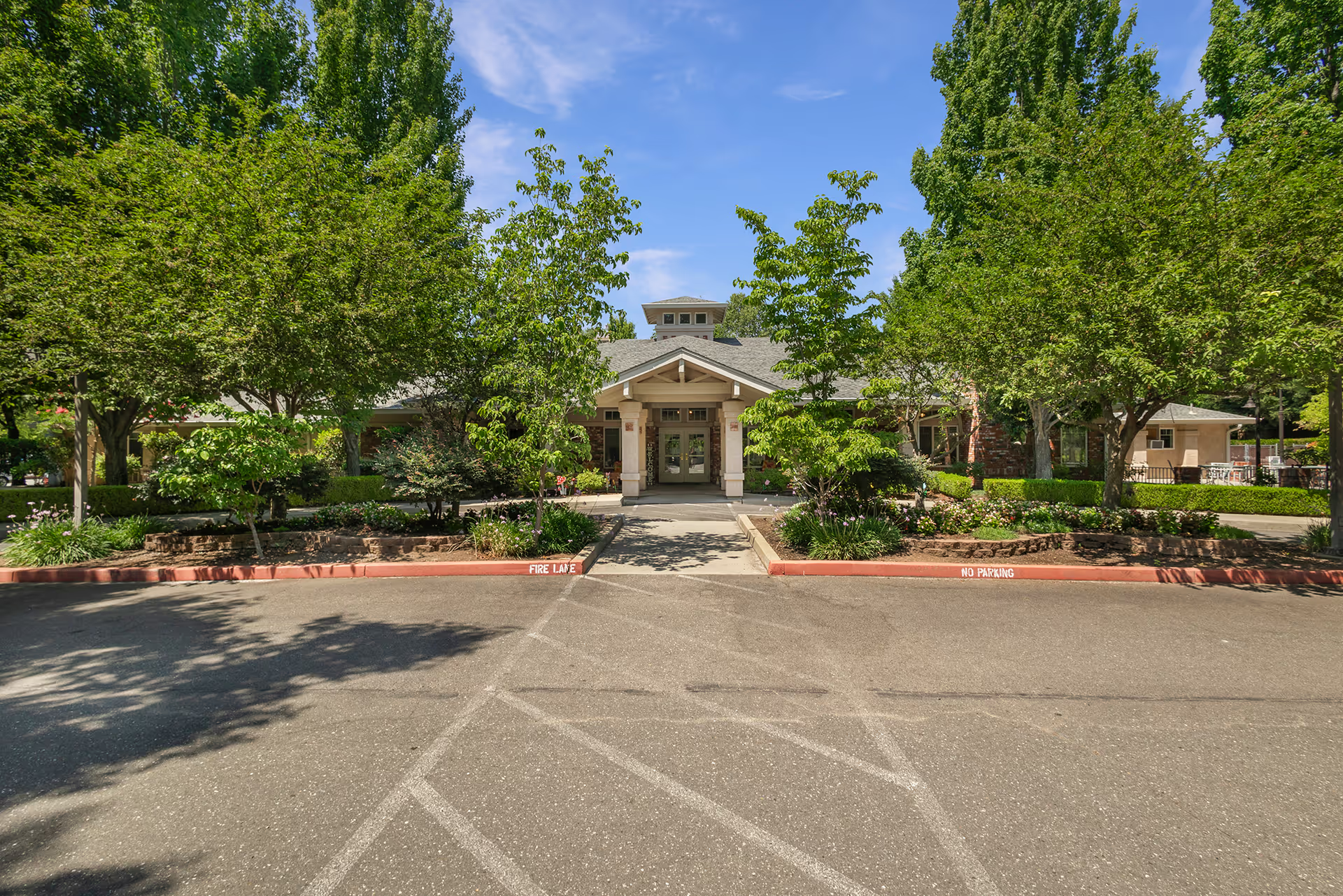
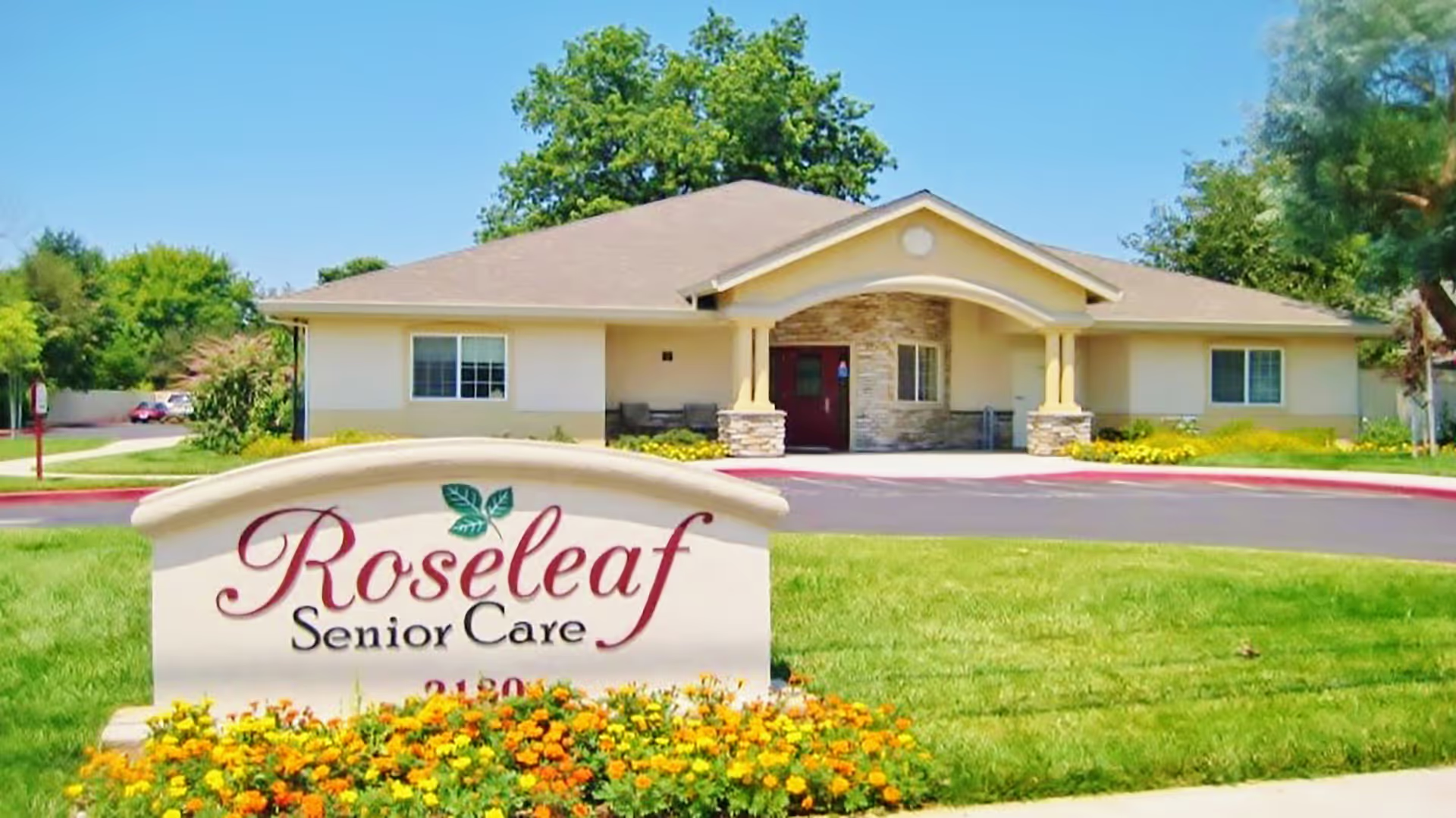
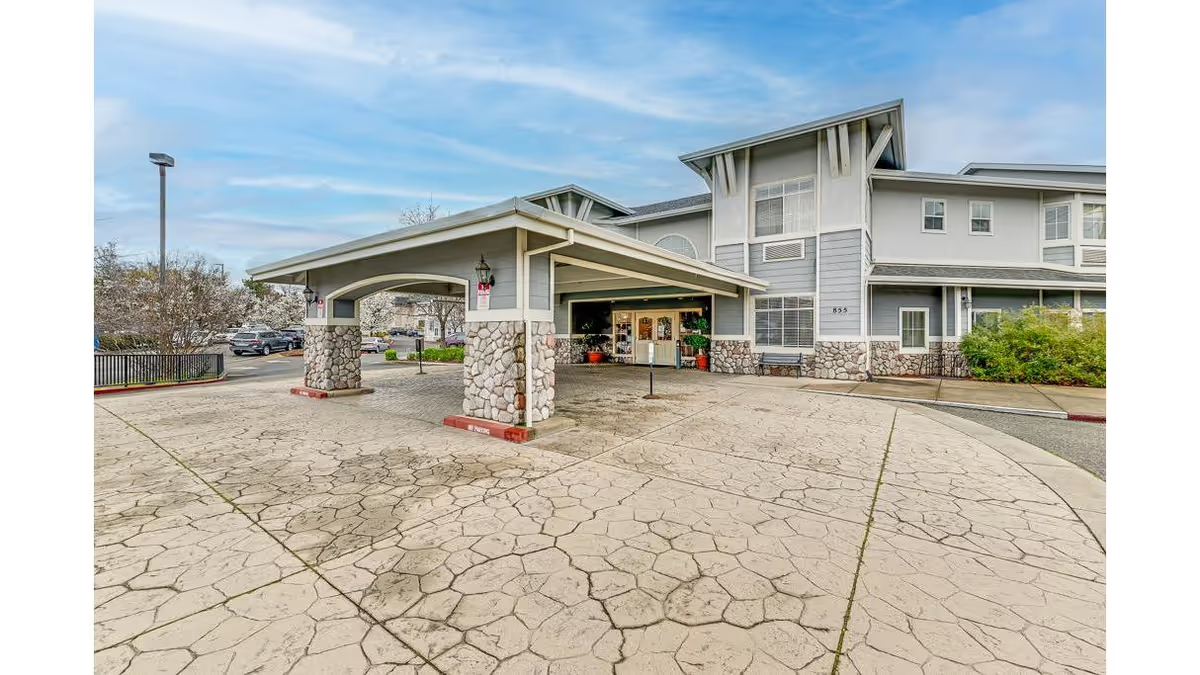
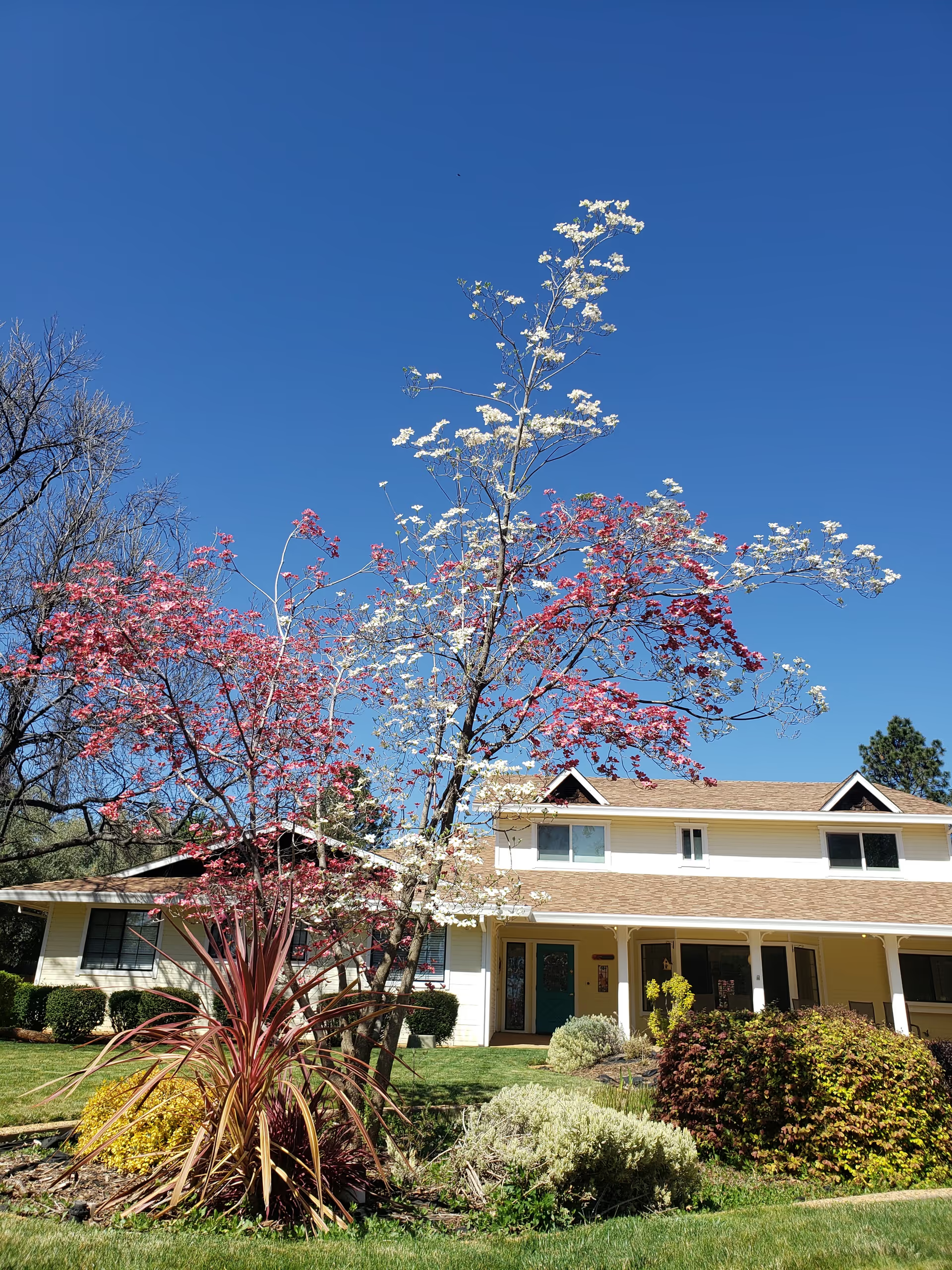
Overall impression Amber Grove Place Memory Care is described predominantly as a small, family-oriented memory care community with many strengths in daily life and programming. Families consistently describe compassionate, patient caregivers and experienced leadership that promote a warm, home-like environment. The facility's physical layout and amenities — private rooms with en-suite bathrooms, a circular hallway conducive to safe ambulation, an on-site salon, and secure memory-care design — are repeatedly cited as supportive of residents' comfort and safety.
Care quality and staff Care quality is widely characterized as attentive and person-centered. Reviewers emphasize one-on-one attention, dignity-preserving approaches, proactive caregiving, and frequent personal contact from nurses and aides. Leadership and administration receive positive mention for being receptive and accessible, with an open-door style and active follow-up on family concerns. At the same time, there are recurring operational concerns: periods of staff strain and turnover that appear to affect consistency, occasional delays in responsiveness during busy times, and broader concerns about staff conduct and oversight. There are also notes indicating inconsistent handling of challenging behavioral episodes and discharge decisions; these items suggest variability in policy application that families should clarify during tours.
Dining and nutrition Dining is a clear strength for many families. The kitchen is frequently described as accommodating (including for selective eaters), offering nutritious meals, family-style dining, and noteworthy desserts. Reviewers highlight pleasant mealtime socialization and staff who assist memory-care residents with feeding. Value sensitivity following price increases was mentioned, so prospective families may want to confirm current menu offerings, special-diet accommodations, and fee structure.
Activities and engagement The activities program is a prominent positive: abundant, creative, and varied opportunities such as live music, sing-alongs, arts and crafts, field trips, holiday events, and staff-led performances. Activity staff are described as warm and energetic, with programming that supports social engagement and cognitive stimulation. This programmatic emphasis is frequently linked to observable improvements in residents' mood and activity levels.
Facilities and cleanliness Most accounts describe a clean, well-maintained, odor-free public environment and pleasant, cozy common areas. However, there are isolated sanitation and odor-control concerns referenced for some private rooms; these point to occasional inconsistencies in housekeeping or incontinence-care follow-through. Prospective families should verify cleanliness standards and room inspection procedures during a visit.
Management, policies, and notable patterns Administration and department coordination are generally praised for responsiveness and teamwork. Several reviewers note that management seeks and acts on family input. Nevertheless, a small subset of reviewers raised serious concerns that include inconsistent behavioral-health and medication management — for example, circumstances that resulted in hospital referral — and contested discharge or retention decisions following behavioral episodes. These are significant operational issues and, in one description, framed as allegations of improper dismissal following a behavioral incident; families should ask specifically about behavioral-episode protocols, discharge criteria, appeal processes, and medication oversight.
Recommendations for families touring the community Given the mix of strong daily care and a few operational concerns, prospective residents and families would be well served to: observe direct-care staff during shift change, ask about staffing ratios and turnover statistics, review behavioral-health and medication-management policies, confirm sanitation and room-cleaning protocols, request examples of recent family concerns and how they were resolved, and obtain a clear fee schedule. Doing so will help reconcile the broadly positive caregiving and programming reports with occasional inconsistencies in responsiveness and operational practice.