Overall impression: Reviews indicate that San Luis Care Center provides a broadly positive care environment characterized by strong rehabilitative services, consistent cleanliness, and an engaged activities program. Families commonly describe the facility as well kept and staff as warm and welcoming; many highlight effective physical and occupational therapy, a collaborative multidisciplinary team, and routine family updates. At the same time, a set of operational concerns appears intermittently in feedback and warrants attention when evaluating placement.
Care quality and clinical services: Clinical strengths include skilled nursing, dedicated CNAs, and a highly regarded rehabilitation team focused on physical therapy and recovery. Reviewers often attribute observable progress to therapy services and to coordinated care among nursing, nutrition, and therapy staff. However, there are also comments indicating inconsistent responsiveness in urgent situations and gaps in escalation or critical-incident response. One serious allegation involving a resident outcome has been raised; while it appears to be an isolated and severe claim, it suggests the need for families to clarify emergency protocols, escalation pathways, and post-incident communication processes during the tour and intake.
Staff and communication: The prevailing tenor of reviews praises compassionate, patient-focused staff who create a family-like atmosphere. Reception is frequently described as friendly and efficient, with a digital check-in system noted positively. Conversely, some reviewers describe variable staff professionalism and communication tone; this inconsistency can translate into uneven experiences for families and residents. Prospective families should ask about staff training, shift continuity, and mechanisms for raising concerns to understand how the facility manages staff performance and family communication.
Dining and activities: Dining is generally characterized as nutritious with the ability to accommodate dietary needs, and many families note positive meal experiences. The activities program appears robust and diverse — music, bingo, movies, socials, ice-cream events, performances, and other organized gatherings — and is repeatedly cited as contributing to resident satisfaction and social engagement.
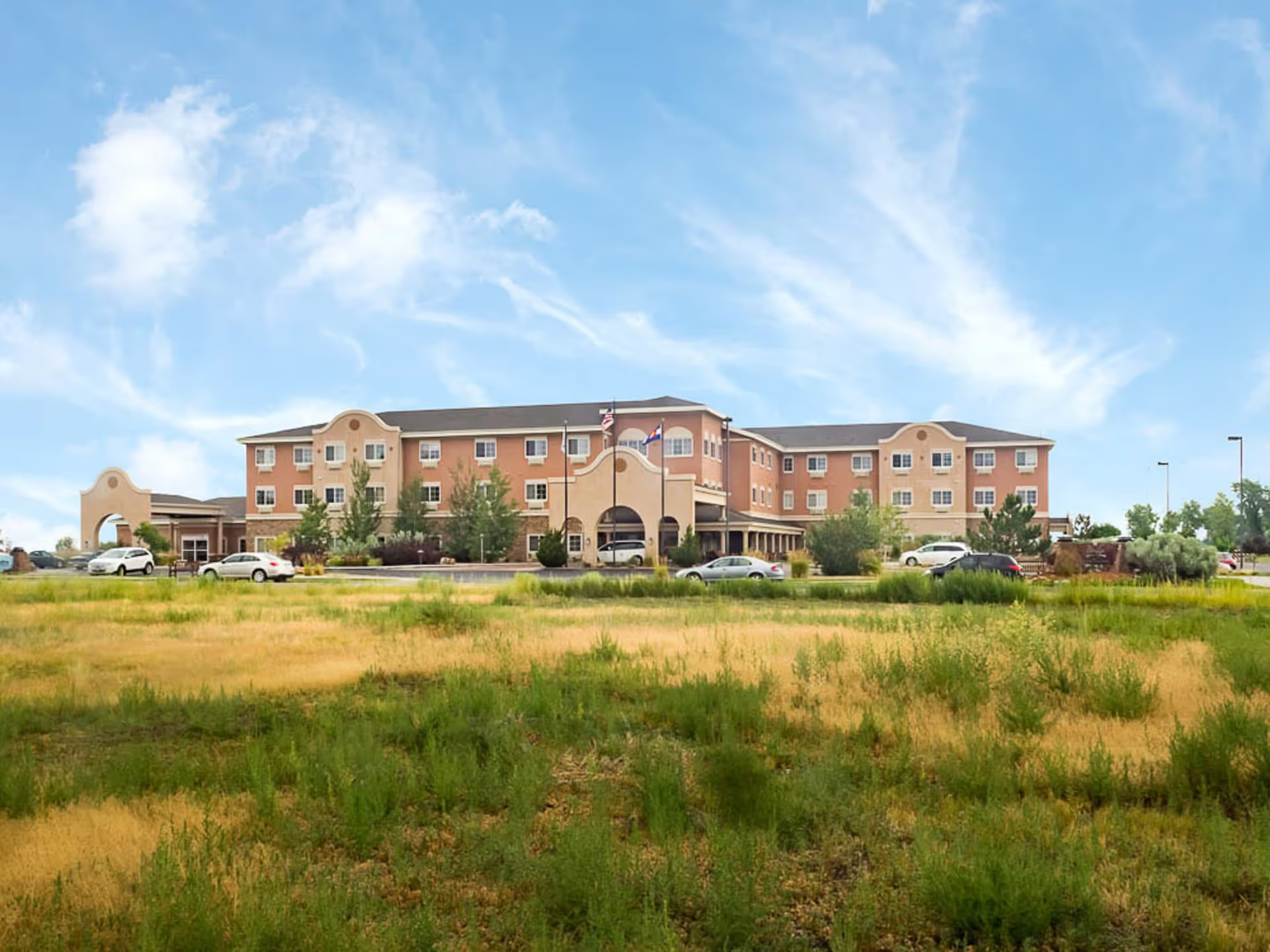
Facilities and management: The site is frequently described as clean and well-maintained, although a number of comments point to an aging or dated physical plant. Management strengths include visible teamwork among departments and an accommodating reception/administrative staff. Areas for inquiry include verification of advertised specialized programs (for example, cardiac-specific rehabilitation), how the facility maintains older infrastructure, and quality-assurance practices around clinical incidents and family notification.
Notable patterns and guidance: The dominant themes are strong rehabilitation services, cleanliness, and caring staff who foster a home-like environment. Patterns of concern center on inconsistent staff behavior and responsiveness in time-sensitive or complex clinical situations, and occasional mismatch between advertised specialty services and what is available on site. Families touring the center should observe staffing at shift change, ask for documentation of specialty-program scope, review incident-response protocols, and request examples of how the facility addresses resident anxiety and sleep disturbance. These steps will help verify whether the facility's strengths align with an individual resident’s clinical and psychosocial needs.