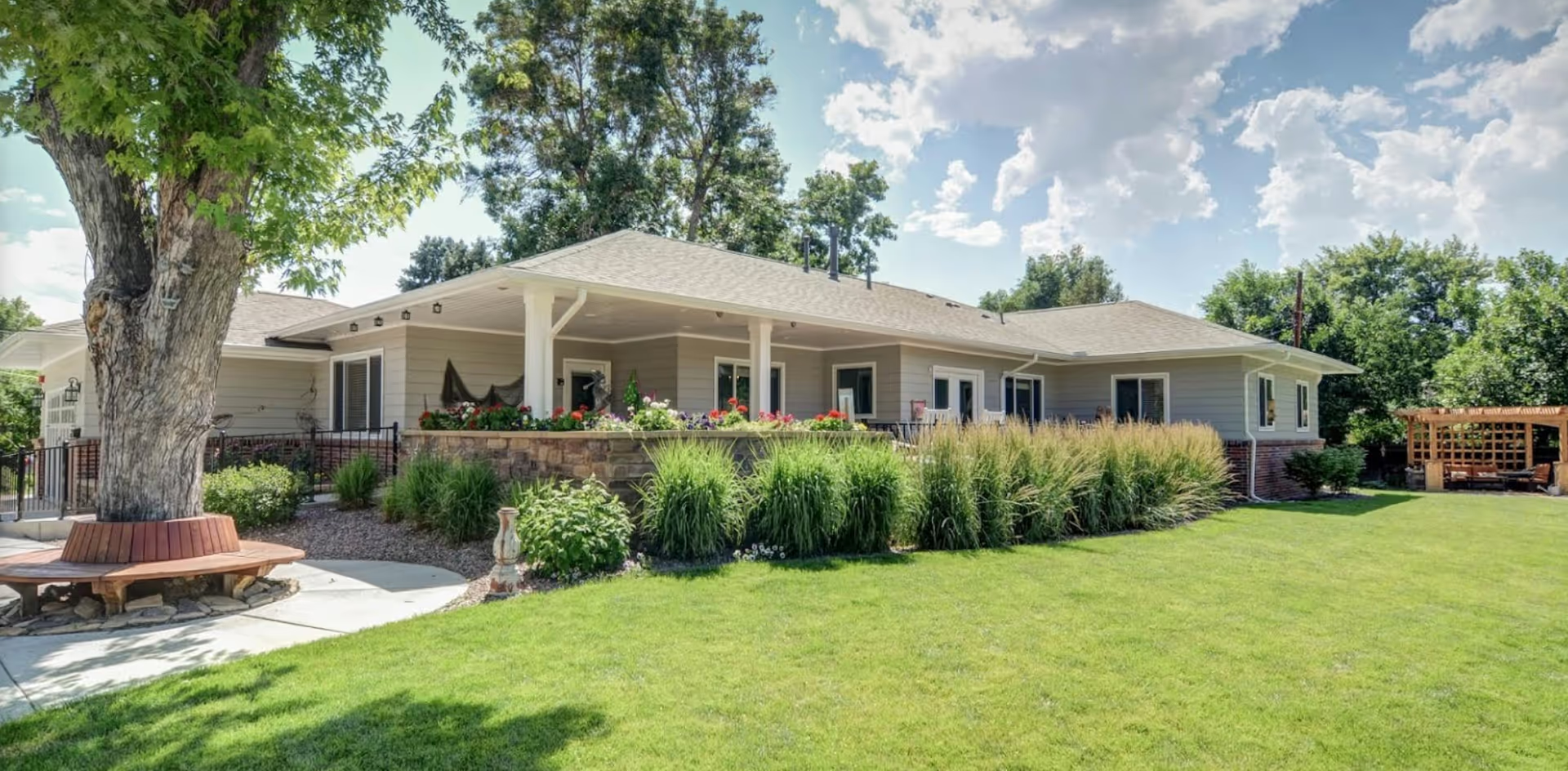
The Gardens on Quail presents a mixed but distinctive profile: a modern, well-appointed campus with strong rehabilitative resources and an active lifestyle program, paired in many accounts with operational and management inconsistencies that prospective families should evaluate closely. Physically, the community scores highly — reviewers consistently praise the contemporary design, extensive gardens and enclosed courtyard, private-room comfort, and amenities such as in-room TVs, microwaves, and mini‑fridges. The environment and hospitality elements (concierge service, hairdresser, vendor events, dog-friendly policies) contribute to a hotel-like, family-oriented atmosphere for many residents.
Clinical and therapy services are often described as a core strength. Multiple accounts highlight rapid PT/OT evaluation, frequent therapy sessions (often daily), and an experienced therapy team including COTAs, PTAs and SLPs. Several families credited the therapy staff with effective post-hospital transitions and substantial functional gains. Nursing staff and CNAs are frequently characterized as compassionate and hardworking, with particular staff members named for exemplary care; these frontline caregivers are a major reason many families feel their loved ones are well supported.
At the same time, there is a clear pattern of operational concerns. Staffing inconsistency and turnover emerge repeatedly: reviewers describe variable coverage between floors and across shifts, limited overnight or weekend presence, and slower response times to call buttons. Those operational shortfalls are tied in some accounts to care-plan lapses, delays in attending to toileting needs, and gaps in clinical monitoring (for example, missed weight changes or swallowing-risk follow-up). Medication-management weaknesses are also flagged, ranging from documentation and storage practice issues to supply interruptions and medication-change coordination problems that, in some accounts, resulted in hospital readmissions or other serious clinical consequences.
Dining and activities are generally regarded positively — many reviewers praise fresh menus, a skilled chef, themed events, weekly happy hours with live music, exercise classes, gardening and regular outings. However, a subset of accounts describe uneven meal service and declining dining presentation over time, which aligns with the broader theme of variable operational consistency. Activity programming and social engagement are frequently noted as strengths that enhance resident quality of life when staffing and scheduling are stable.
Management and communication present another mixed picture. Several families describe transparent, responsive leadership and good family inclusion, while others report frequent leadership changes, limited follow-through on concerns, unclear billing increases, and lapses in record-keeping or discharge documentation. Those governance issues appear linked to the facility’s reported high staff turnover and training/system gaps, and they contribute to markedly divergent experiences among residents and families.
Notable patterns for prospective families to assess on a tour or during intake include: current staffing ratios and turnover data (including overnight/weekend coverage), medication storage and supply procedures, protocols for call-button response and toileting assistance, examples of how individualized care plans are followed and audited, documentation practices (discharge summaries and provider notes), and recent changes to fee schedules or management. Overall, the Gardens on Quail offers strong physical amenities and therapy capabilities that many families value highly, but the facility displays recurring operational and management weaknesses that can affect clinical reliability and day-to-day consistency. Careful, specific questioning and reference checks are advisable to determine whether the current operational practices meet a prospective resident’s needs.