The reviews present a consistent dual picture: a community that is highly regarded for its staff and social environment, alongside operational limitations that prospective residents should evaluate. Care within the community is oriented to independent living; reviewers consistently praise individualized, compassionate attention from staff and accessible leadership. The community maintains partnerships with home-health providers and offers an on-site therapy room, which supports residents who need outpatient services, but it does not provide a full assisted-living or clinical-care program on site. Families who anticipate need for higher-level, continuous clinical support should plan for external care arrangements.
Staff and culture are the facility's strongest attributes. Many accounts emphasize warm, personable interactions, staff who remember residents by name, and leadership who is visible and accessible. Housekeeping, maintenance, and groundskeeping are frequently characterized as thorough and professional, and the facility’s renovated dining and common areas contribute to a hotel-like, welcoming environment. At the same time, several operational patterns temper that praise: staffing variability and turnover—particularly in dining, housekeeping, and activities—has led to slower service at meal times, occasional delays in maintenance response, and intermittent gaps in organized programming.
Dining and activities are central to daily life at the community. The facility offers three meals a day, varied menus (including half-portion options), social dining, regular outings, live music, Happy Hour events, clubs, and exercise classes. Many residents report enjoying the food and the social opportunities. Counterbalancing that, there are recurring mentions of inconsistent meal quality (including issues with meal temperature) and slow dining-room service; these concerns appear linked to staffing patterns and service workflows. Activity programming is robust overall, but reviewers also describe periods when activity staffing or leadership coverage was limited, which can affect daytime engagement for residents who rely on on-site programming.
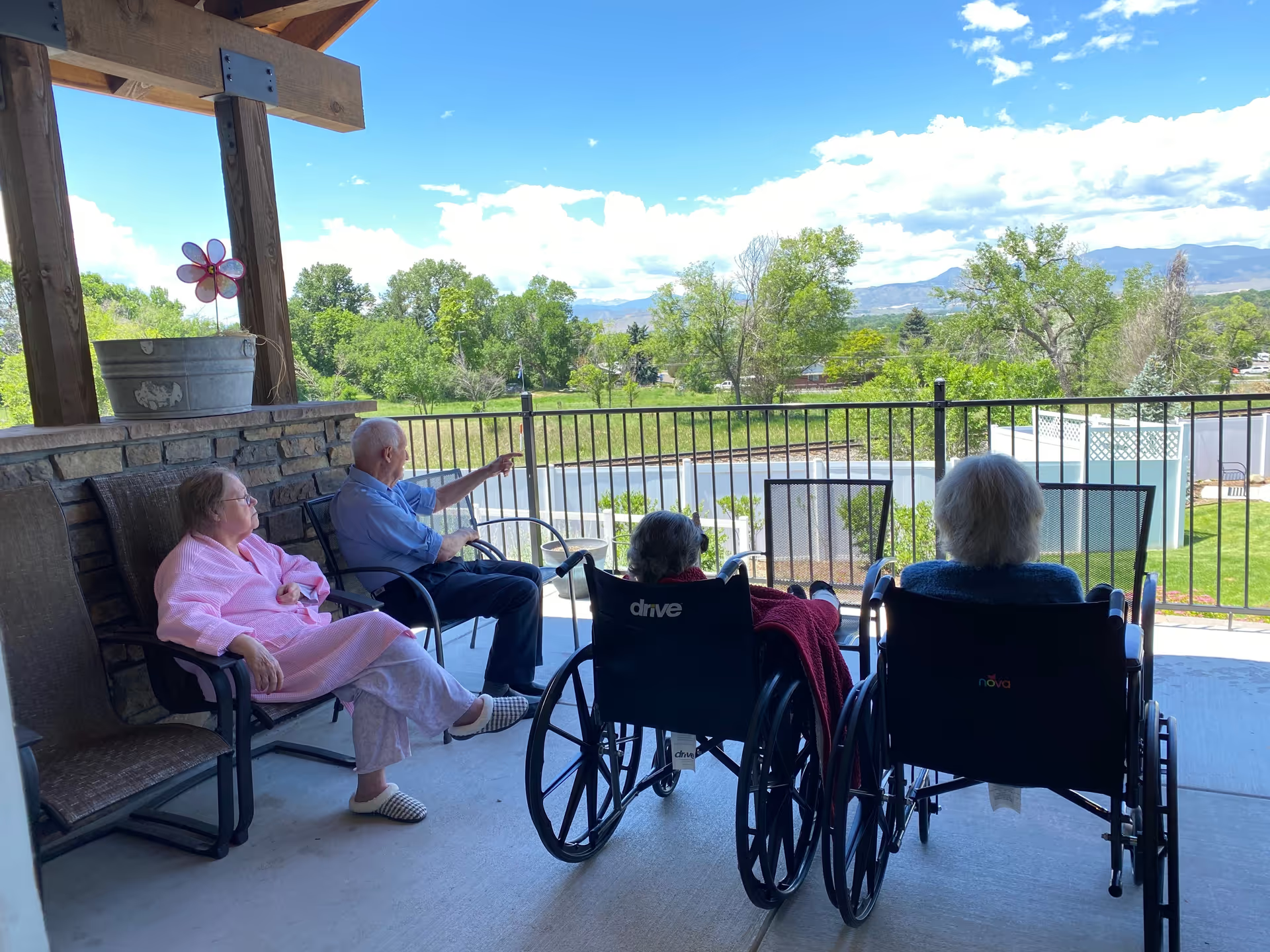
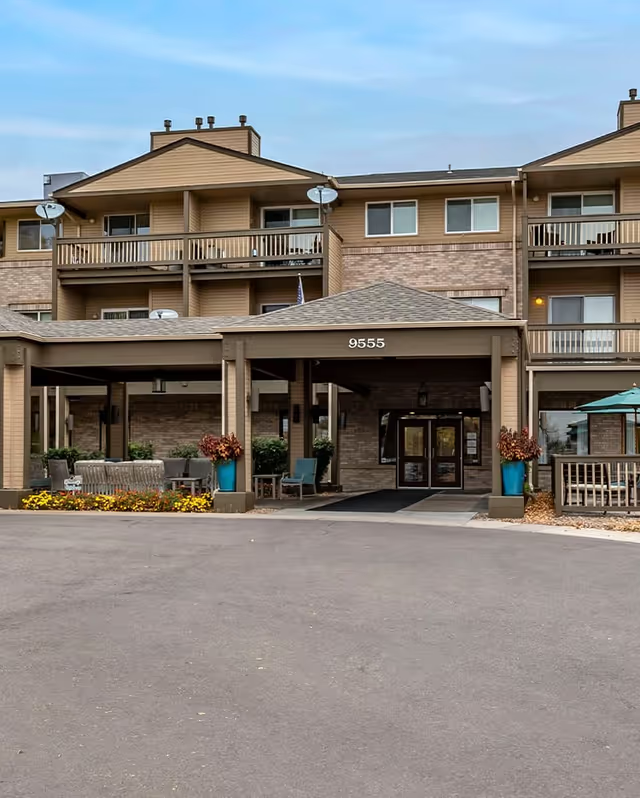
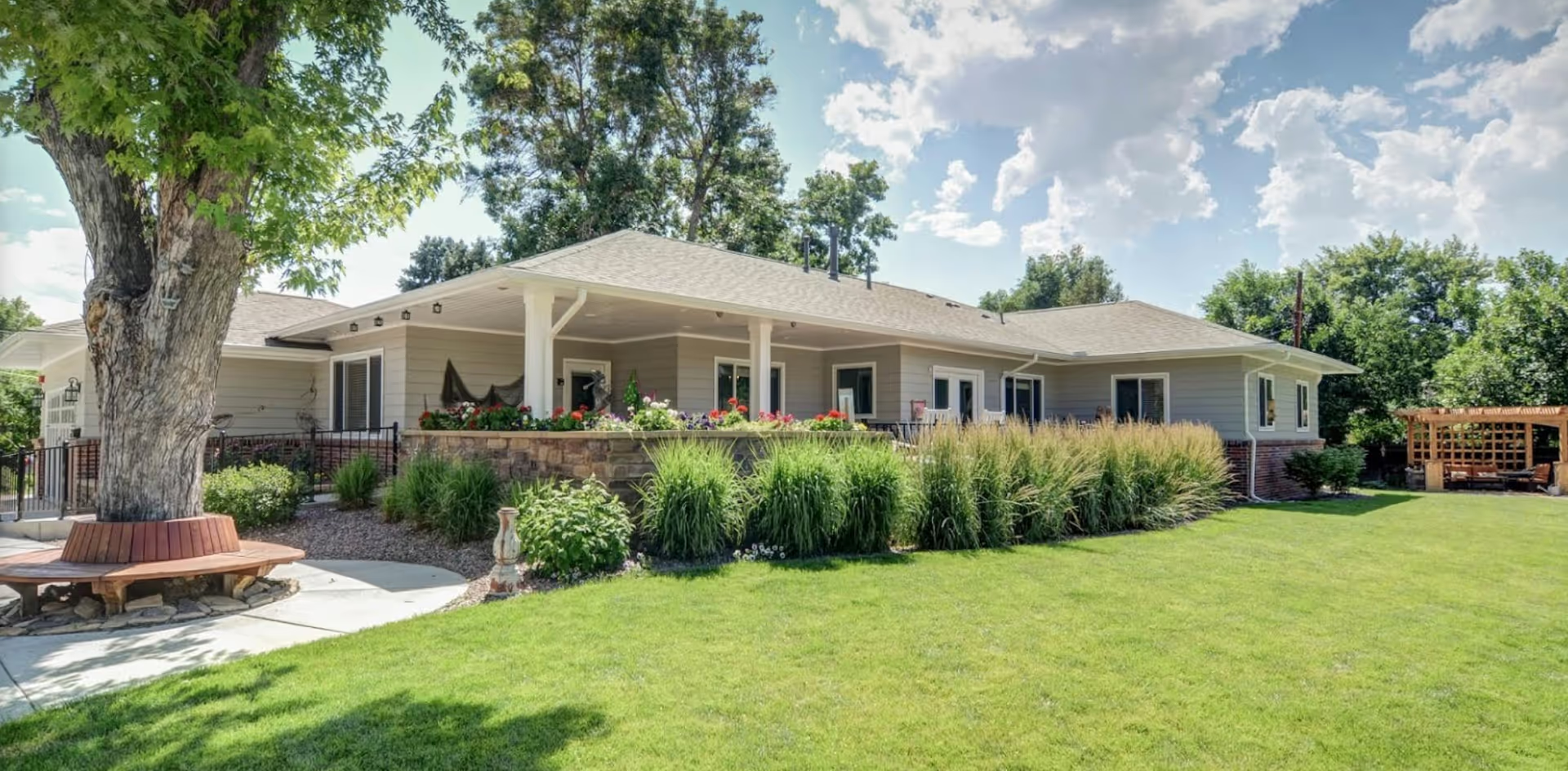
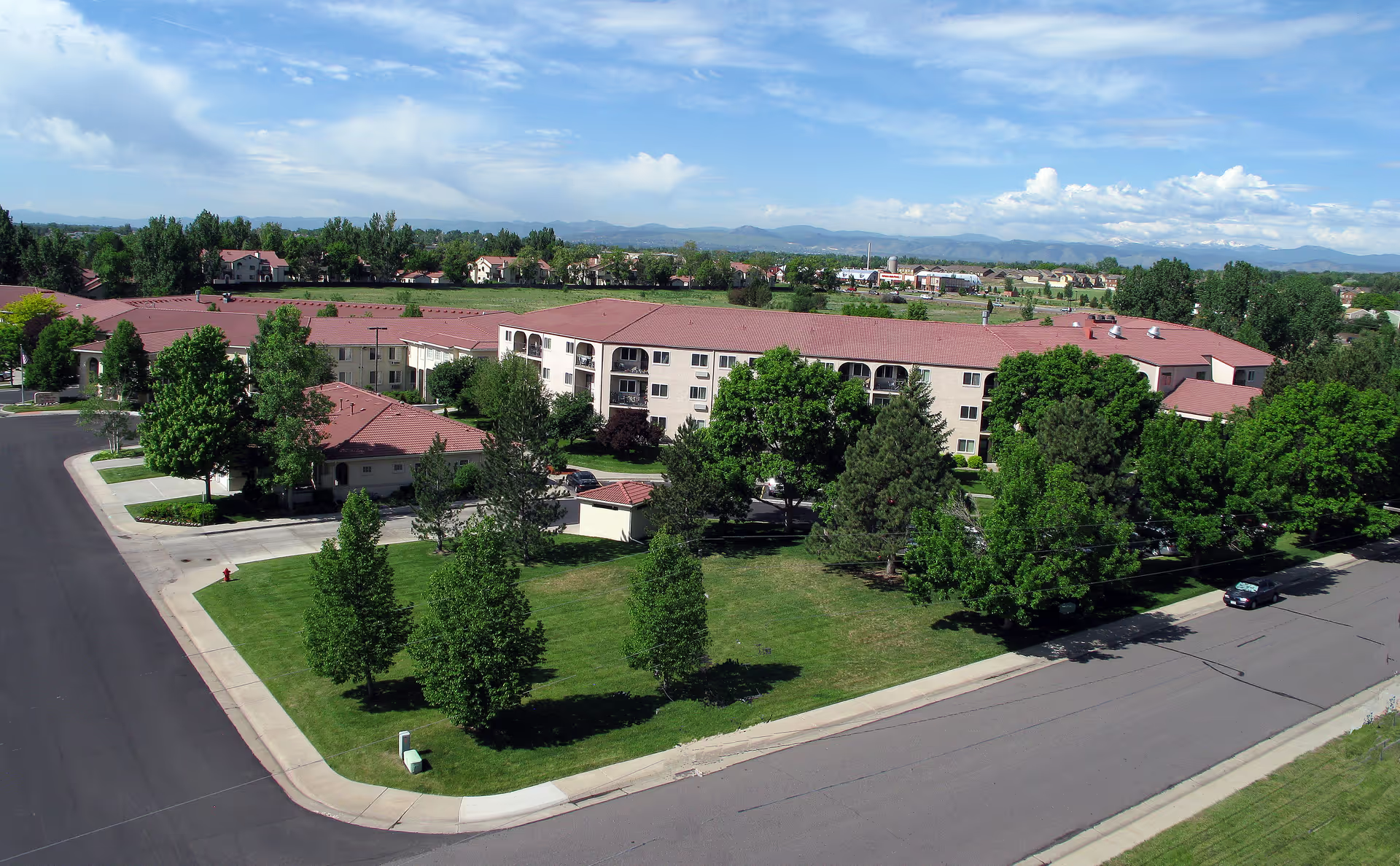
Facilities and logistics are a mix of strengths and constraints. The campus is described as clean, bright, and well maintained, with attractive dining rooms, large windows, balconies, and pet-friendly outdoor areas. Apartment layouts tend to be compact, with smaller kitchens or kitchenettes rather than full kitchens—an appropriate trade-off for many independent-living residents but a limitation for those who expect more space or in-apartment cooking. Operationally notable is a single elevator serving a multi-story building, which may affect mobility and convenience during peak periods or maintenance events.
Management and policy themes recur in the reviews. Leadership and individual staff members receive frequent praise for responsiveness and personal attention; however, periods of management transition and occasional rent or fee increases have introduced uncertainty for some families. Practical pre-move questions suggested by the pattern of feedback include clarifying the facility’s assisted-care pathways, current staffing ratios for dining and activities, maintenance response benchmarks, elevator redundancy, and specifics of the home-health partnerships the community uses.
Overall, Kipling Meadows presents as a strong option for older adults seeking an active, service-included independent-living lifestyle with an emphasis on social engagement and personalized staff attention. It is best suited to residents who value community life, regular meals, and low-maintenance living and who do not require continuous on-site assisted medical care. Prospective residents and families should verify current staffing levels, meal-service procedures, and assisted-care transition options to ensure alignment with individual needs and expectations.