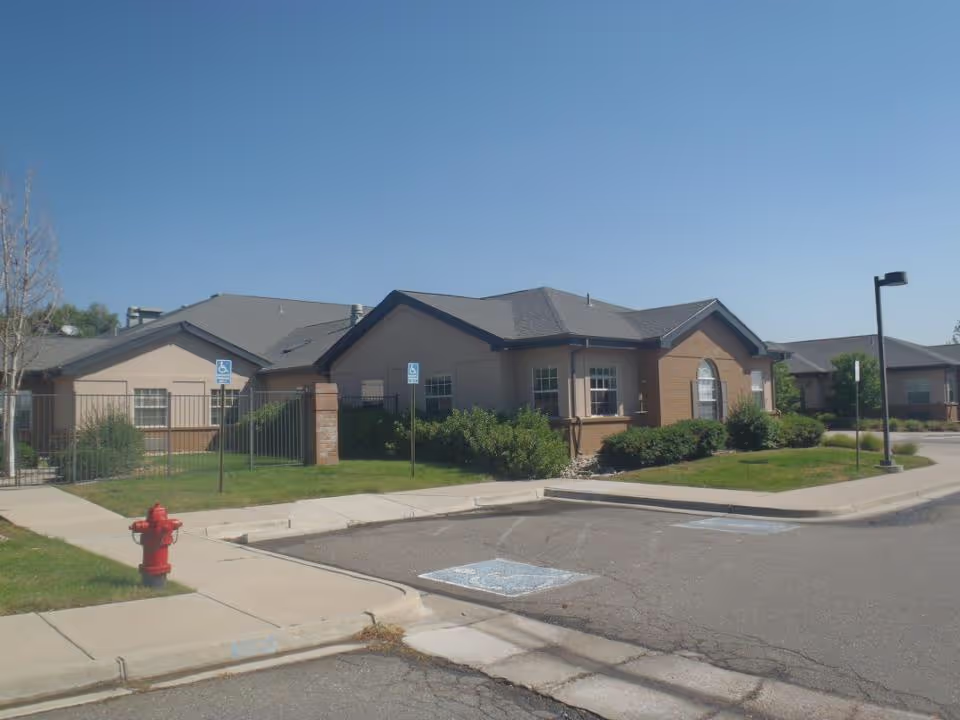
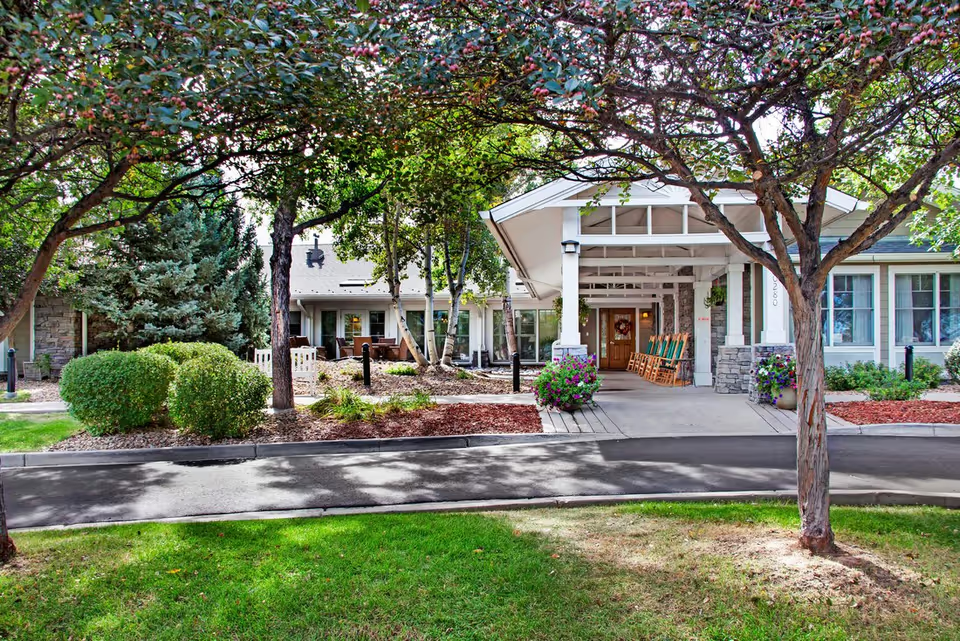
Greenridge Place is primarily a memory-care community that receives frequent praise for its clinical focus, compassionate frontline staff, and a family-like culture. Many families describe significant improvements in nutrition, engagement, and clinical stability after placement. The community offers on-site nursing oversight and named clinical leaders who are often cited for knowledgeable recommendations; therapy services (physical, occupational, speech, and cognitive) are available and integrated into individualized care plans. Daily housekeeping, laundry, and observable safety features (motion detectors and frequent checks) contribute to a generally well-maintained environment.
Staff and direct care are among the facility's strongest and most frequently commended elements. Reviewers highlight respectful, patient interactions, staff willingness to go beyond baseline duties, and regular communication with families through phone updates and virtual visits. The small community size and dementia-friendly, continuous layout support observation and safe movement for residents with wandering risk. Families also note strong activity coordination, with regular exercises, crafts, outings, and social programs that many residents enjoy; leadership in activities and therapy staff are frequently singled out as constructive contributors to resident quality of life.
Dining and amenities are described positively overall: meals are characterized as homestyle and appetizing by many families, and residents commonly accept or enjoy the food. The facility includes outdoor courtyard/garden access and is pet-friendly, which some families value. Rooms are described as bright and spacious in many accounts, and the physical plant is generally called clean and thoughtfully arranged, supporting daily life and socialization.
Despite these strengths, several operational patterns recur across reviews. Leadership responsiveness and management presence are inconsistent in some accounts: families reported times when directors were less available or slow to respond, and changes in management have produced variable experiences. Periodic understaffing and turnover were noted, with consequences including delays in attending to resident needs and increased reliance on temporary caregivers; this has been linked to inconsistent training and uneven skill levels among some aides. Operational weaknesses were also raised around medication-management consistency, personal-belongings tracking, and occasional sanitation or odor concerns in particular areas. A few accounts described lapses in certain safety processes (for example, exit-control procedures), indicating a need for continued attention to perimeter and resident-security protocols.
Other repeat themes include variability in activity programming fit (some residents—particularly men—were described as receiving fewer tailored options), and questions about contract terms or pricing transparency (non–all-inclusive pricing and minimum-stay constraints). While many families reported rapid responsiveness when issues were raised and credited recent leadership changes with improvement, prospective families should assess current leadership stability, staffing ratios, and training practices during a visit.
In sum, Greenridge Place offers strong memory-care clinical resources, compassionate caregiving, and a well-maintained, activity-rich environment that many families find restorative. At the same time, there are identifiable operational areas—leadership consistency, staffing stability and training, medication and belongings procedures, and certain sanitation and security practices—that warrant careful inquiry during the tour and in contract negotiations. Prospective residents and families would benefit from targeted questions about current staffing levels, training programs, medication oversight, incident escalation processes, and the specifics of billing and minimum-stay requirements before committing.