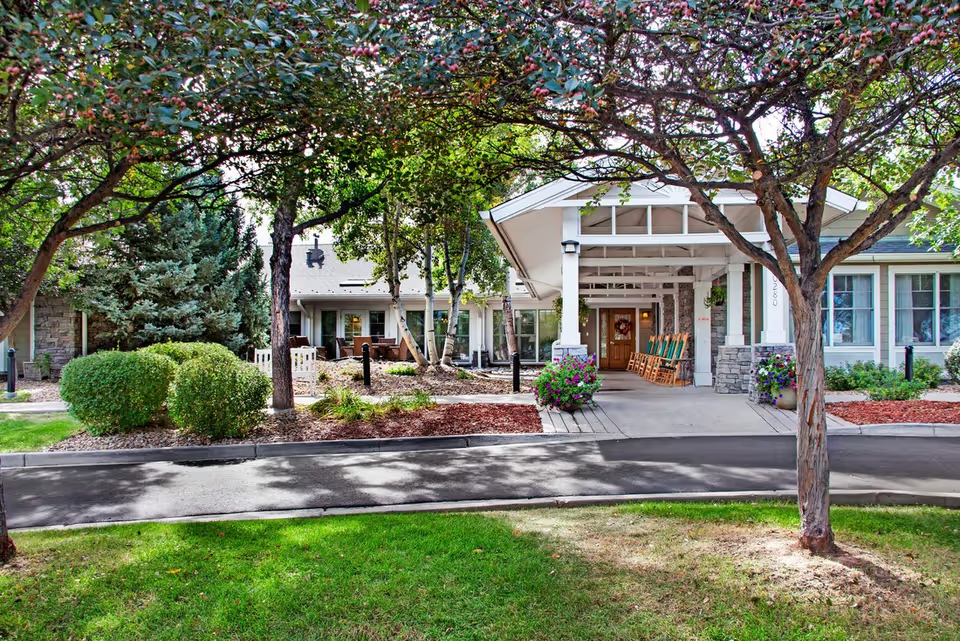
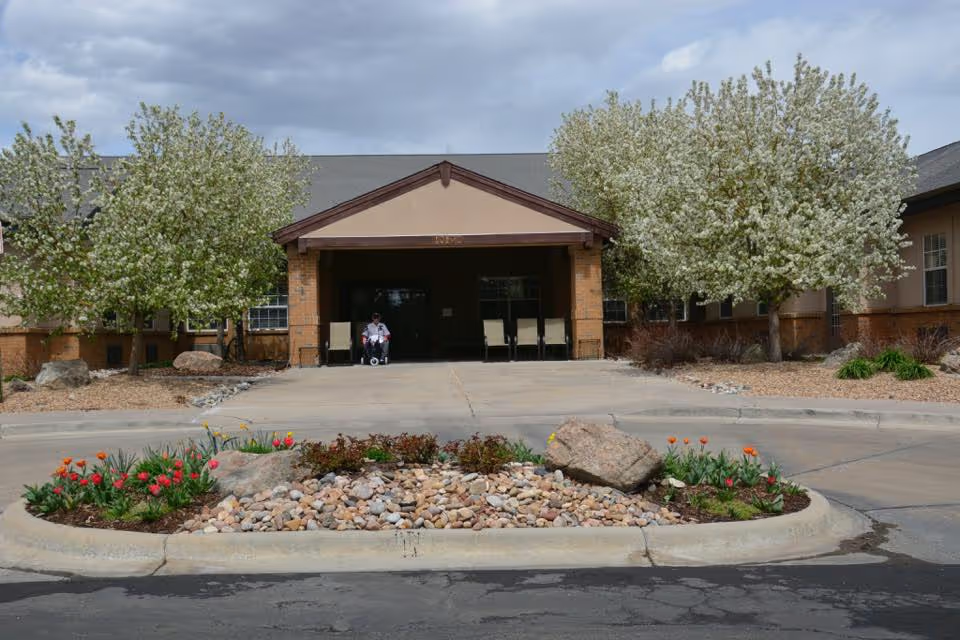
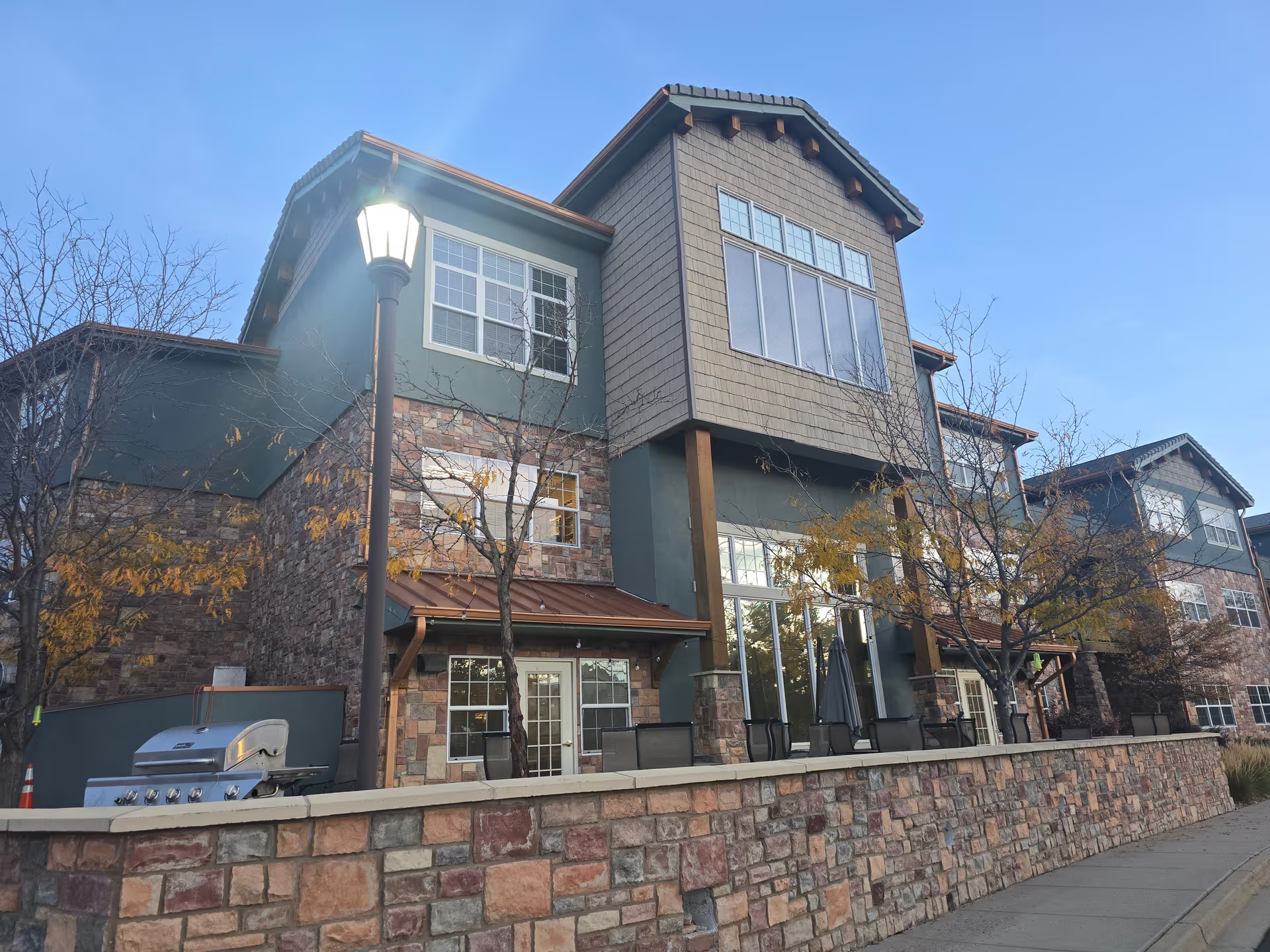
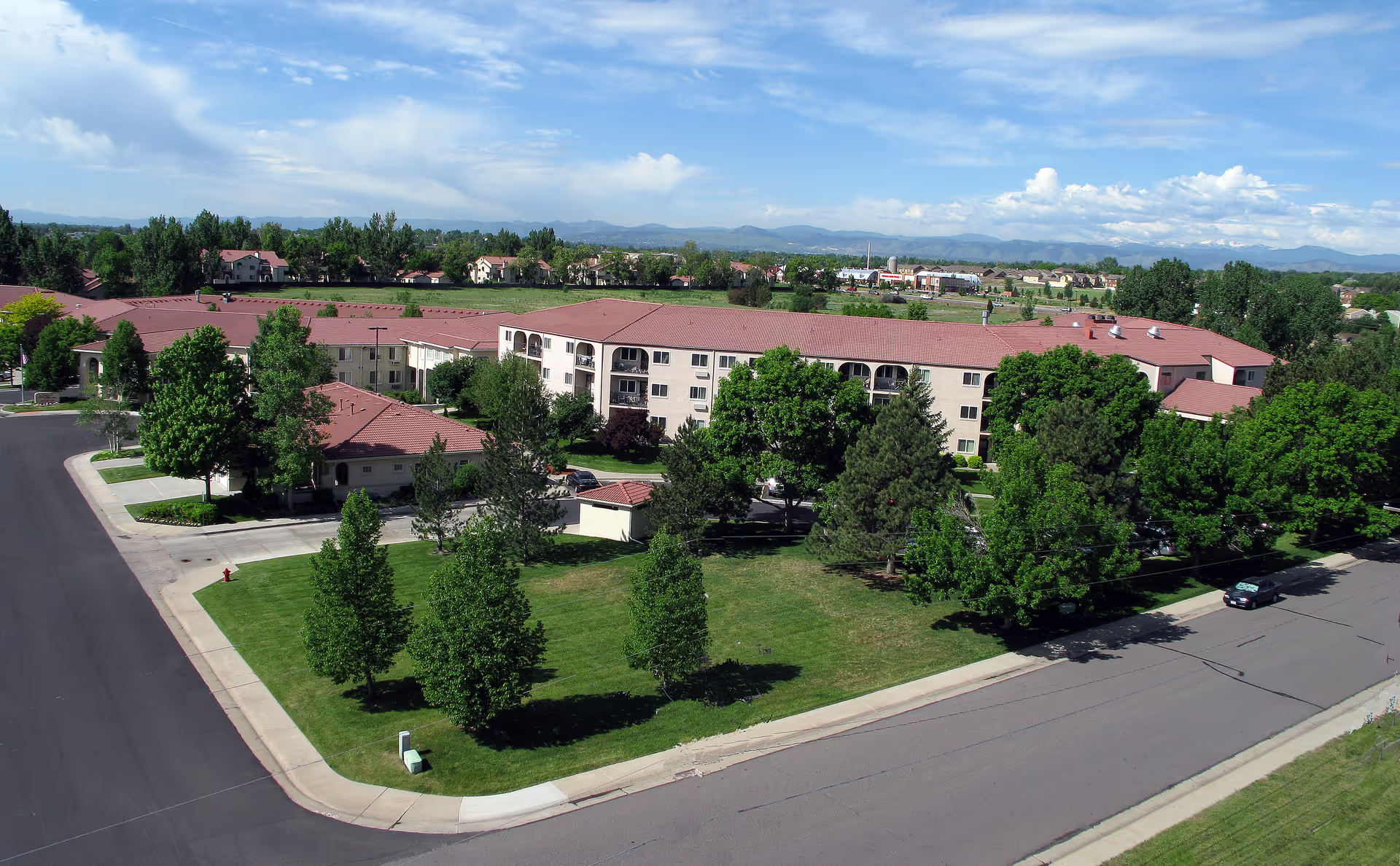
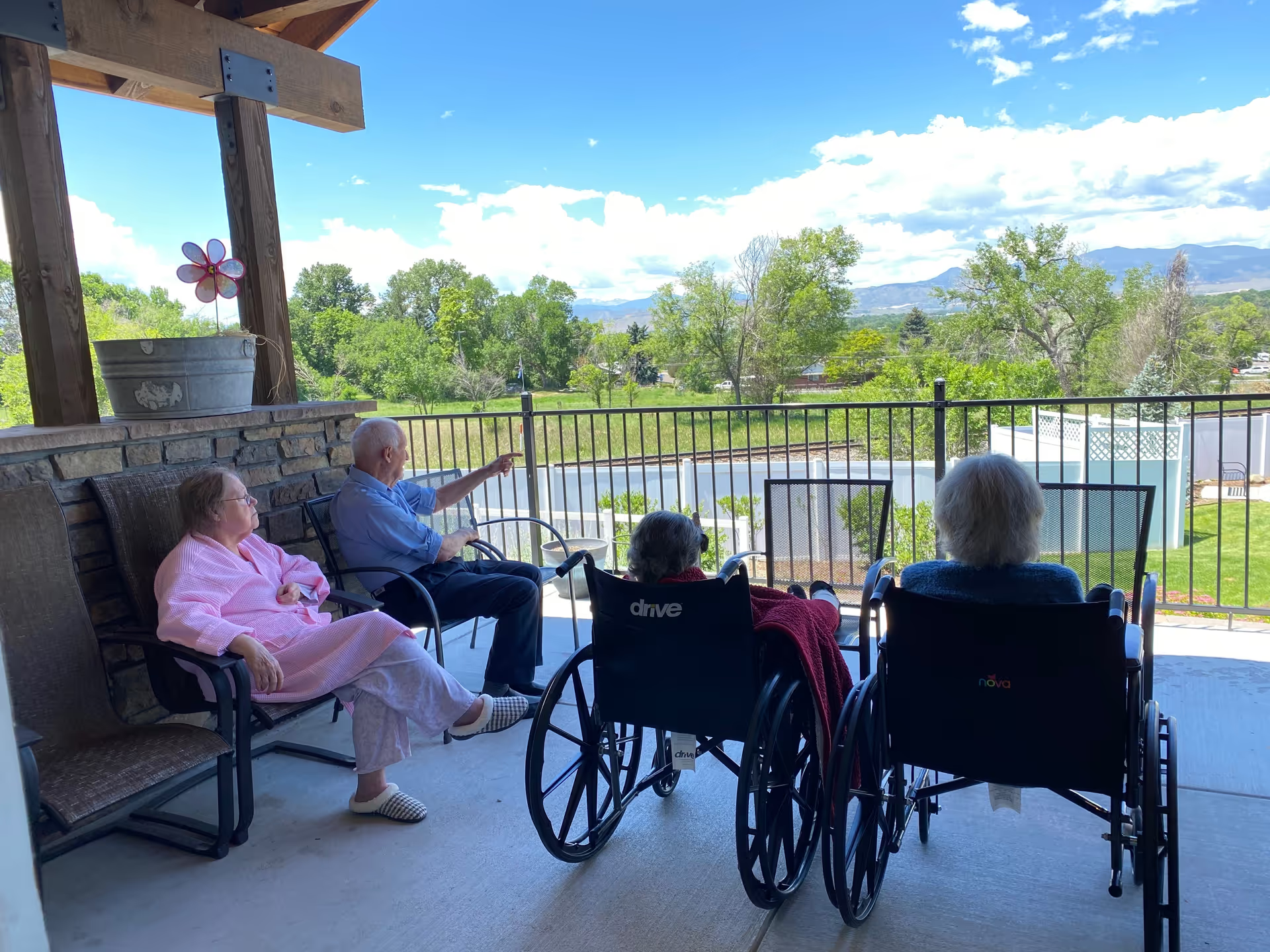
Hyland Hills Senior Living is consistently described as a new, bright, hotel‑quality community with strong physical amenities: clean public spaces, abundant natural light, well‑appointed apartments, and attractive outdoor areas with mountain views. Many reviewers praised the facility design and finishes, noting safety‑oriented room features (large bathrooms, enclosed common areas) and a variety of communal spaces (bistro, Sky Lounge, meeting rooms) that support social life. Move‑in coordination, concierge services, and the overall aesthetic are frequent strengths that families cite when evaluating the community.
Staffing and direct care generate the most divergent feedback. A substantial number of families emphasize very positive experiences: compassionate, attentive caregivers; a professional memory‑care nursing presence; responsive leadership; and effective partnerships with hospice and therapy providers. Reviewers commonly mention specific staff members, strong tour experiences, and leadership communication during transitions and infection‑control events. At the same time, there are repeated operational concerns: notable turnover among frontline staff, inconsistencies in caregiver training and experience (particularly related to higher‑acuity memory care), and intermittent lapses in medication‑order processing and administration. These patterns translate into variable day‑to‑day experiences for residents — for some families that means reliable, personalized care; for others it has meant delays or errors that required follow‑up.
Dining and activities are generally viewed positively but not uniformly. Many residents and families commend the food quality, presentation, and attentive dining staff. Others describe variability in meal service timeliness, occasional missing tray items, and a reduction in the breadth of offerings over time. Activity programming is robust at the independent‑living level with exercise, lectures, outings, and social events, but several families noted limited or inconsistent intellectually‑stimulating programming and fewer tailored offerings on the memory‑care units. The co‑mingled model (independent and assisted living operating in proximity) is appreciated by some for convenience, yet others feel it creates blurred expectations about available services and staffing allocation.
Management and communication show both strengths and gaps. Leadership visibility, proactive updates, and strong tour/sales staff receive praise. Conversely, there are examples of communication breakdowns during clinical transitions, unclear billing or extra‑charge practices (e.g., fees for room meal delivery or service add‑ons), and occasional delays in responding to clinical orders. A small subset of reviews describe serious safety‑related incidents and concerns about memory‑care supervision; these accounts stand apart from the majority of positive feedback and suggest the need for careful inquiry on topics such as wandering prevention, transfer protocols, and emergency response.
Overall, Hyland Hills appears well‑suited for residents seeking a modern, social, and amenity‑rich environment with accessible lower‑acuity care and good hospice/therapy partnerships. Prospective residents and families should: (1) ask for current staffing ratios and turnover metrics for the specific unit of interest, (2) review written medication‑management and clinical‑order workflows, (3) clarify billing for optional services and room‑service charges, and (4) discuss activity schedules specific to memory care. Touring during a meal and an activity period, and speaking directly with the memory‑care director and charge nurses, will help families assess whether the facility’s strengths align with a particular resident’s clinical needs and safety requirements.