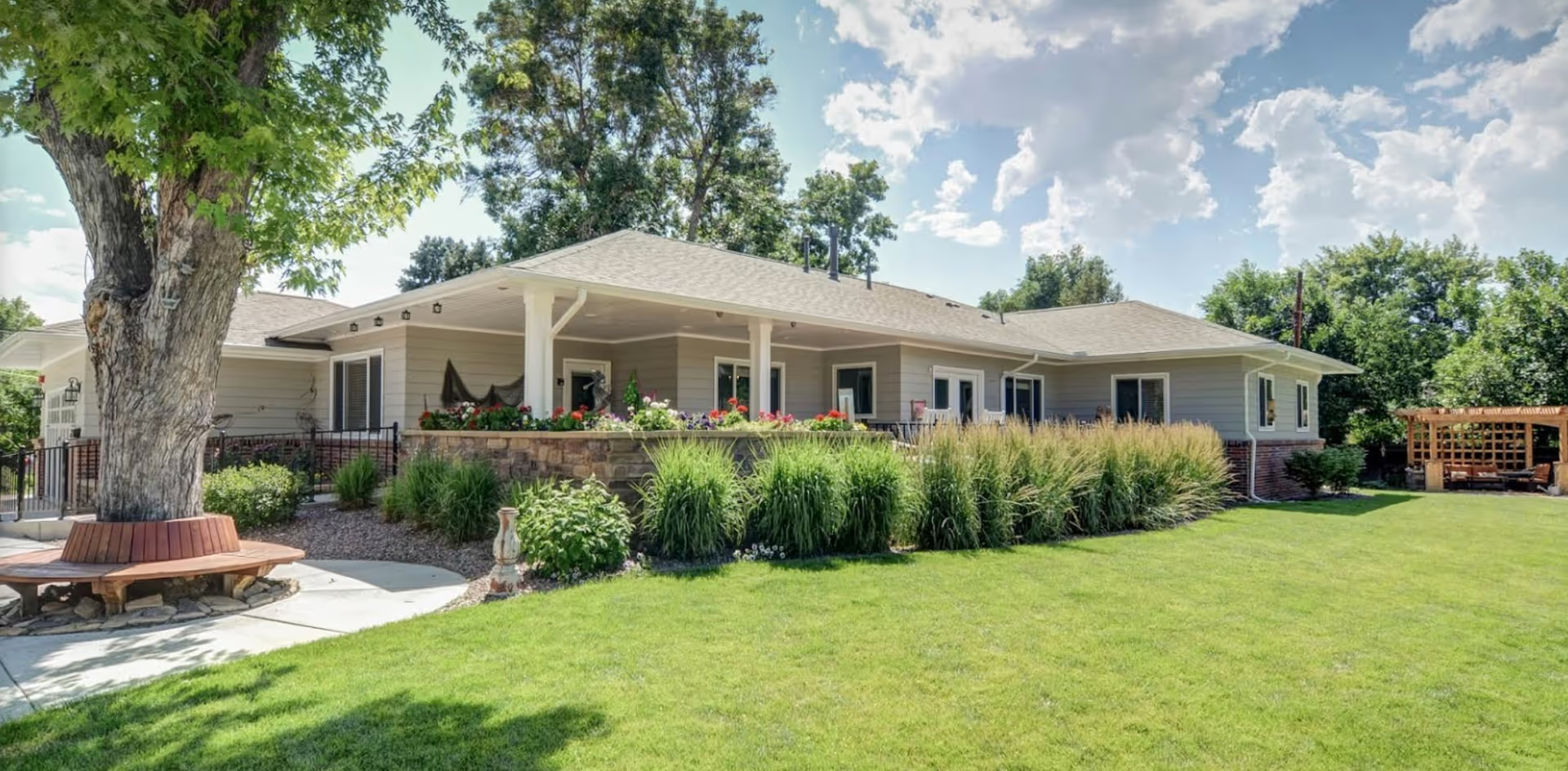
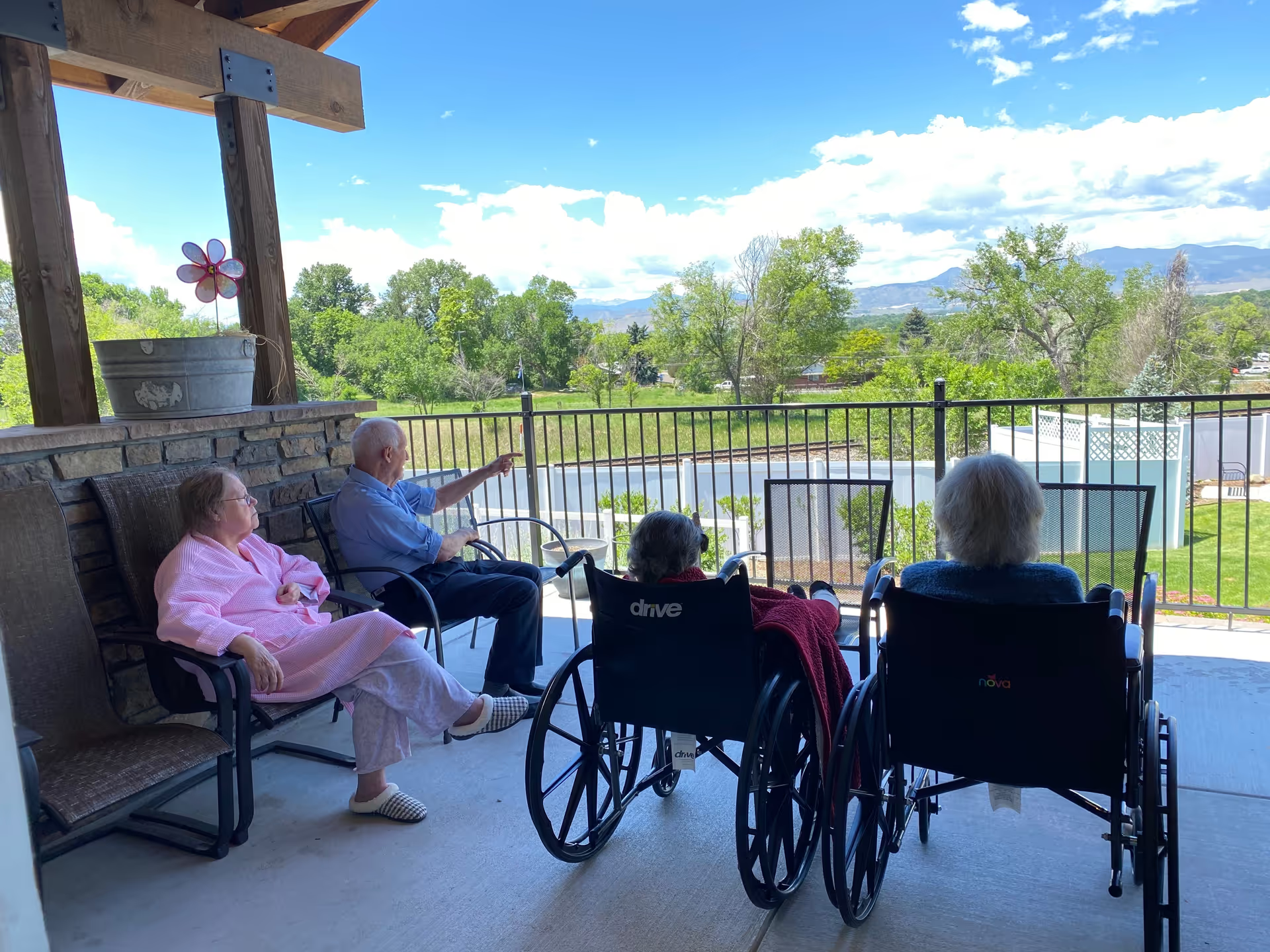
Jaxpointe Assisted Living is described primarily as a small, home-like assisted living environment with many families experiencing attentive, personalized caregiving. Strengths consistently noted include compassionate staff, engaged ownership, good family communication, and a positive culture among employees. Several families reported concrete improvements in resident wellbeing (for example, weight gain and improved appearance) and valued the emotional support provided during end-of-life transitions. The facility’s grounds and outdoor spaces are frequently praised, and private-room options, a homelike interior, and praised meal service contribute to a strong residential atmosphere.
Staffing and day-to-day care receive mixed but informative commentary. Many accounts highlight helpful, friendly, and knowledgeable caregivers who provide education and emotional support to families. Staff appear to have a positive workplace attitude in multiple descriptions. At the same time, other observations raise concerns about variable staff experience and training, and occasional lapses in supervision or timely responsiveness to resident needs. These comments point to inconsistency in staffing competence or oversight rather than a uniform pattern of poor conduct; prospective families should verify current staffing practices, training programs, and supervision measures during a visit.
Dining and daily life are strengths for several residents: food quality is described positively and the small scale of the facility supports individualized attention and a homelike routine. Activity programming is not detailed extensively in the reviews, but the personalized environment and attentive staff suggest opportunities for one-on-one engagement rather than a large-group activity schedule. Families that prioritized a small, residential feel and strong interpersonal care tended to report the best fit.
Facilities impressions vary. Positive remarks about landscaping, a fenced yard, and an attractive backyard are common. However, there are also sanitation concerns and comments about inconsistent interior housekeeping and floor cleanliness that prospective families should confirm in person. Because the facility is small, it may have limited clinical capacity—several notes indicate it was not the right fit for residents requiring higher-acuity care or more clinical oversight.
Management and cost considerations are important decision factors. Ownership and management receive credit for a caring approach and clear family communication, but multiple accounts call out a relatively high cost and limited willingness to negotiate pricing. That combination—strong resident-focused culture with relatively high fees—means families should discuss contract terms, financial flexibility, and what is included in fees prior to commitment.
Overall, Jaxpointe appears to offer a warm, individualized assisted-living environment with strengths in relationships, family communication, and dining. Areas for careful evaluation during a tour are current cleanliness protocols, staff training and supervision practices, clinical capabilities for higher-acuity needs, and contract/pricing flexibility. Suggested questions for prospective families: current staff-to-resident ratios, staff training and turnover, cleaning and infection-control procedures, examples of care plans for higher-acuity needs, and specific items covered by fees versus add-on charges.