Overall impression: Reviews present a mixed but specific picture. Multiple families described a secure, tidy environment with private, well-lit rooms and easy bathroom access; residents and visitors also noted engaging social programming and homemade meals. Clinical supports include CNAs on site, biweekly nurse visits, coordination of prescriptions through a primary health system, and hospice services when needed. Several reviewers characterized the staff as friendly and accommodating and said their relatives adjusted well in this setting.
Care quality and clinical oversight: The home appears to provide regular basic clinical oversight — awake night staff, evening coverage, and scheduled nursing visits — which some families found reassuring for nighttime assistance and medication coordination. At the same time, there are concerns about medication handling and administration processes: reviewers described inconsistent medication-management practices and gaps in how medications or related communication are managed. These issues, combined with variable staffing, suggest families should confirm current medication protocols and nursing oversight during a tour.
Staffing and workplace environment: Staffing patterns are a recurring theme. Positive comments praise caring, attentive staff; contrasting comments indicate chronic understaffing, missed morning coverage, and long shifts that contribute to workplace morale problems. Those operational traits were linked to delays in responsiveness and uneven service during certain shifts. Prospective families should ask about shift schedules, staff turnover rates, and contingency plans for no-shows.
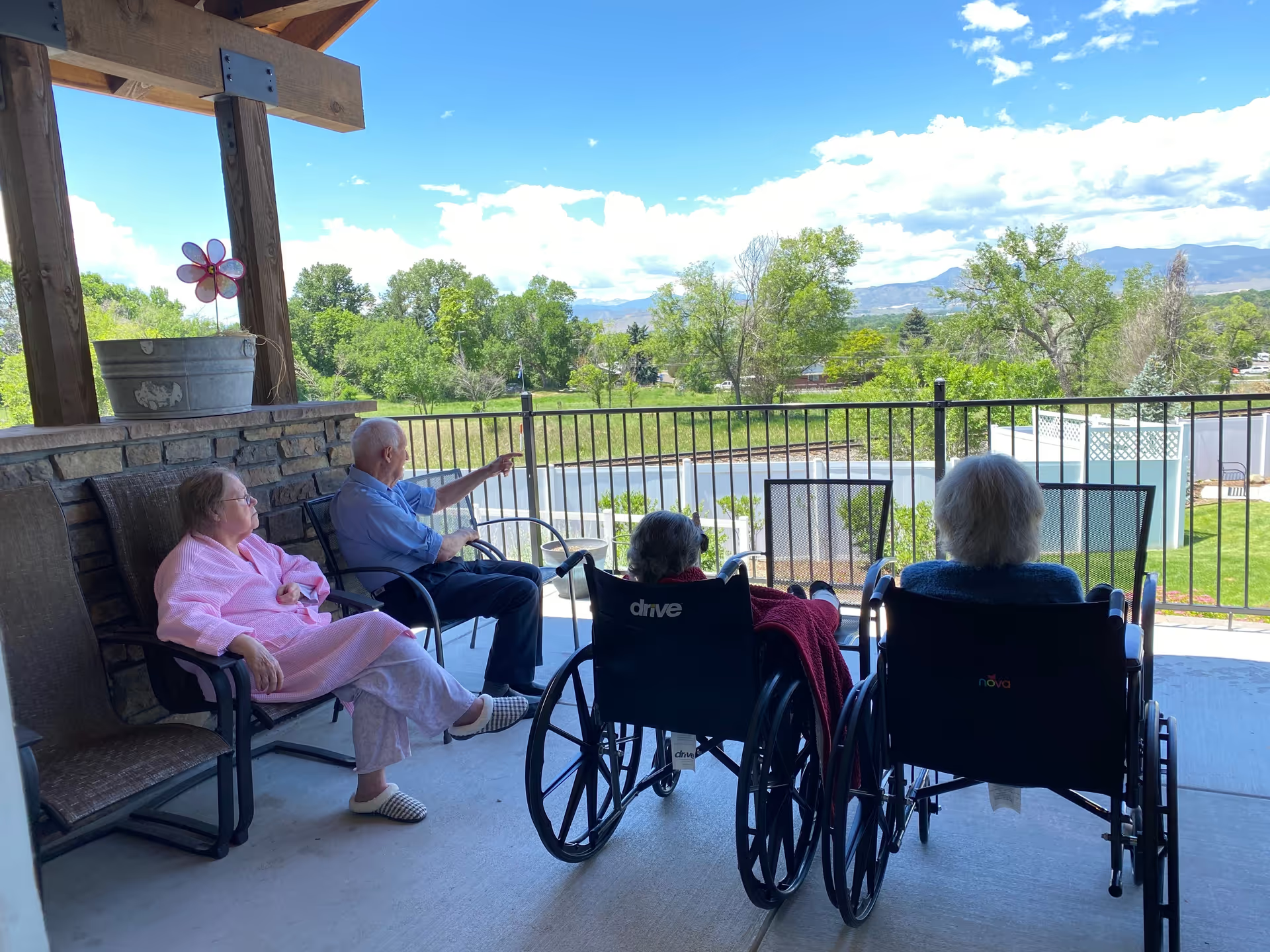
Dining, activities, and daily life: The facility is noted for homemade meals, an active social program, and a resident community that some families found enjoyable and engaging. However, there are also reports of inconsistent meal coverage and missed meals during understaffed periods. Activities and peer interaction were generally viewed positively, but families who prioritize uninterrupted mealtime service should verify staffing and meal-delivery routines.
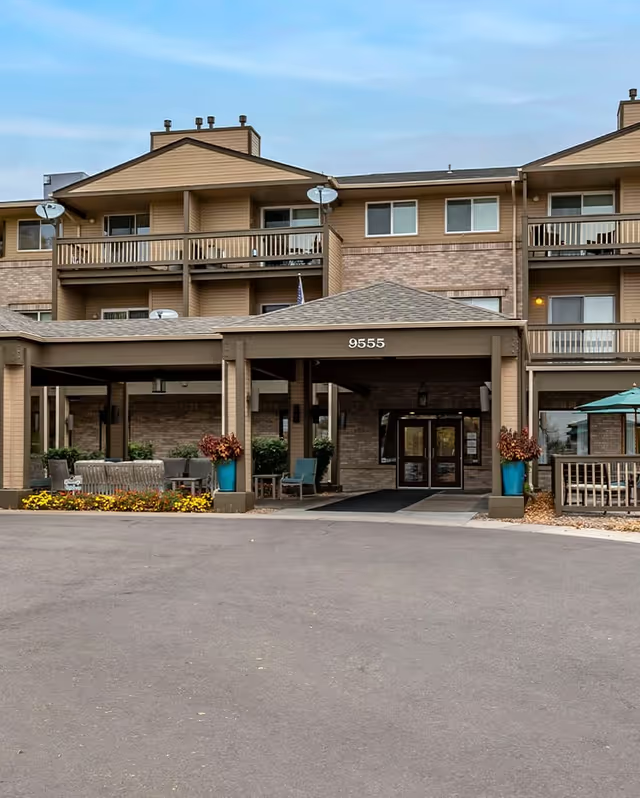
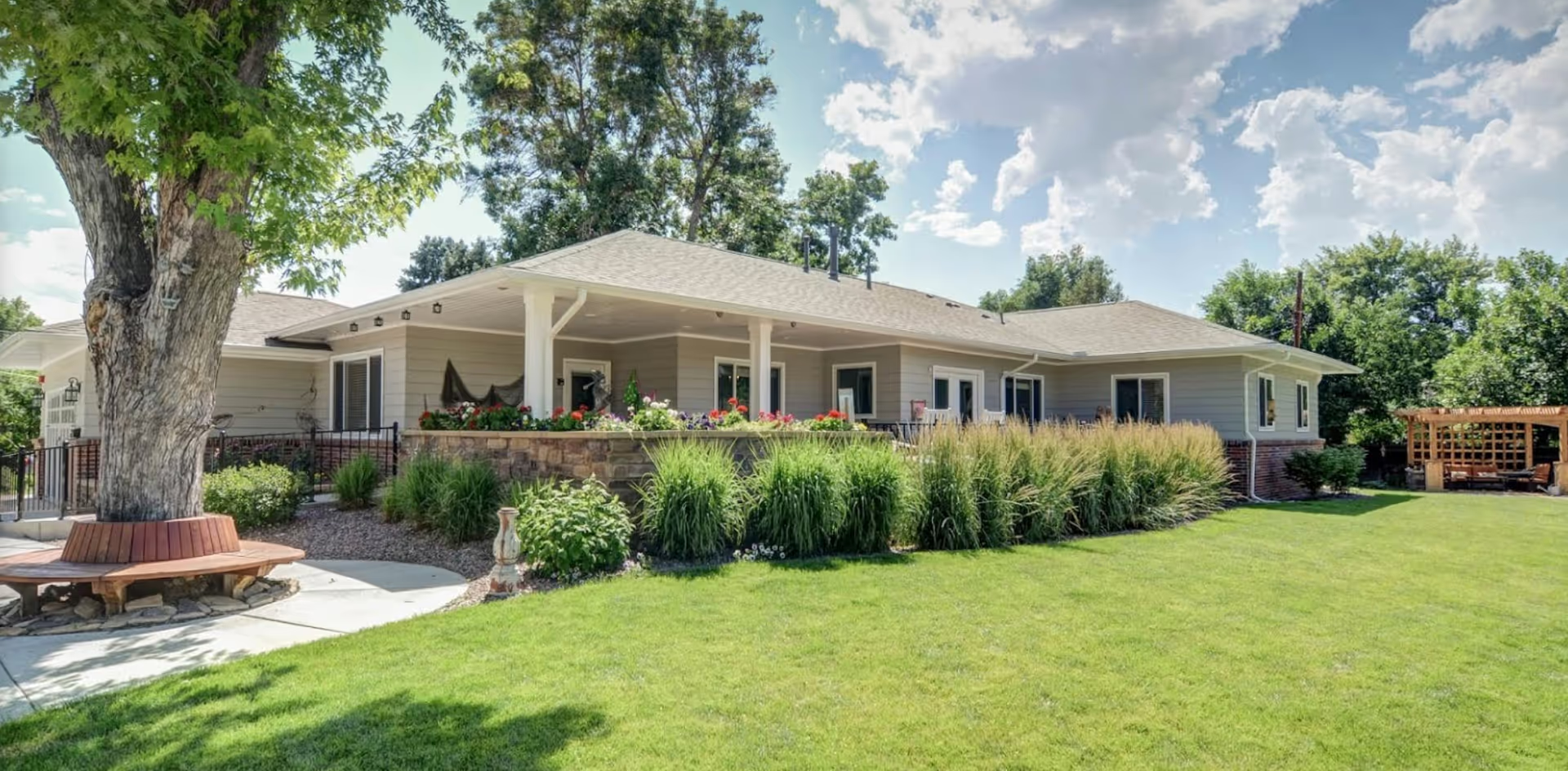
Facilities and amenities: Physical aspects of the home are commonly described as clean, roomy, and well-lit, with secure access and the option of an all-female household. Private rooms near bathrooms and a homelike setting were cited as strengths for residents who do not require a high level of clinical care.
Management, cost, and transparency: Financial and managerial concerns recur in the feedback. The community charges a relatively high monthly rate (one reviewer cited around $4,000) and requires an upfront, non-refundable fee; reviewers raised questions about pricing transparency and owner/management responsiveness. While some families found the cost aligned with their experience of care, others expressed dissatisfaction with communication and business practices. It is advisable for prospective residents to obtain full written disclosure of fees, refund policies, and what services are included.
Notable patterns and advice for families: Experiences vary; some families report excellent, attentive care and a comfortable environment, while others describe operational weaknesses that affected daytime responsiveness, medication handling, and meal continuity. Before deciding, visitors should observe staffing levels at different times of day, review medication and nurse-visit protocols, ask about turnover and staff training, confirm meal staffing plans, and get a clear written contract about fees and refundability. These checks will help determine whether the facility’s strengths match a particular resident’s clinical and daily-living needs.