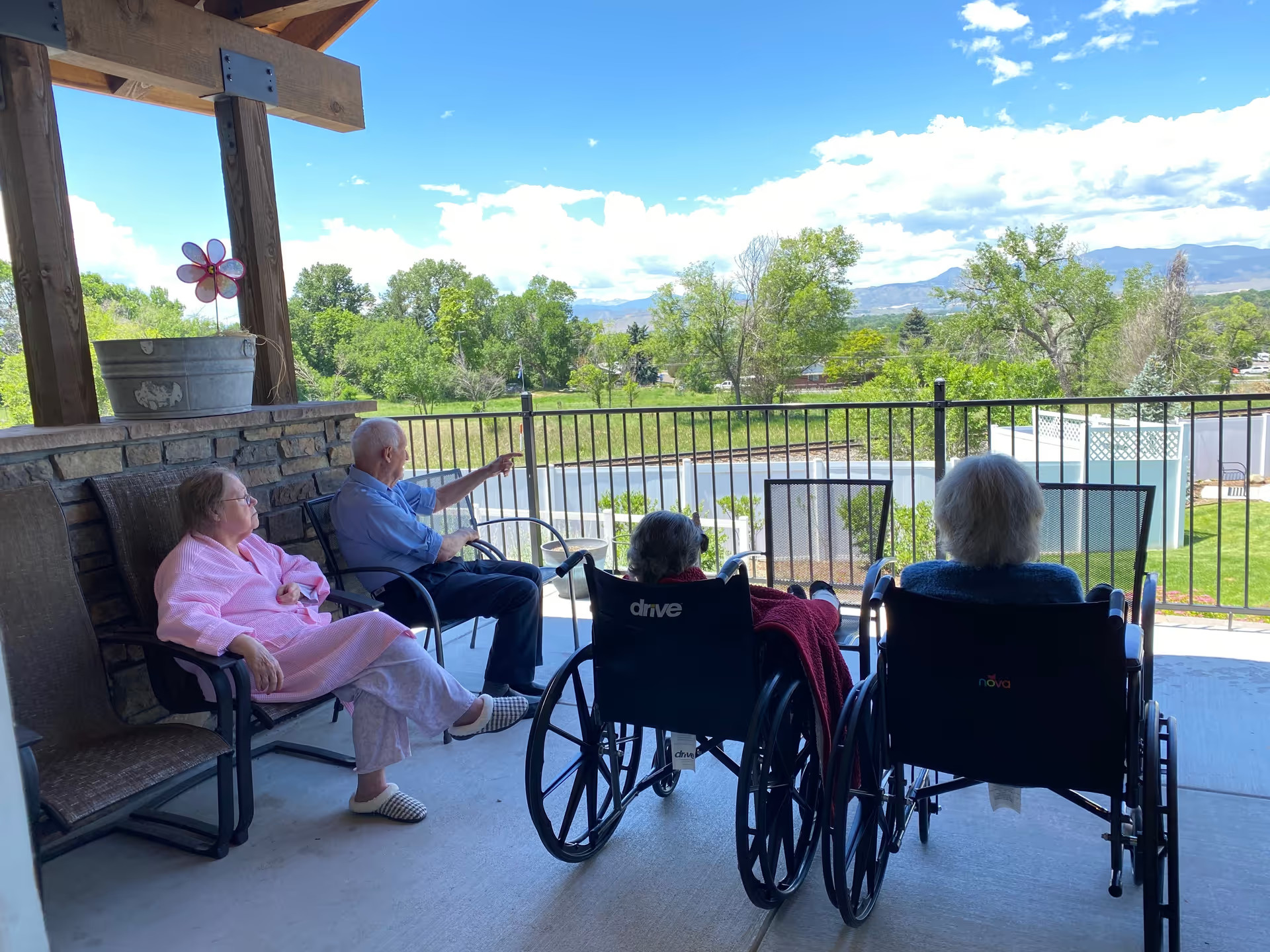
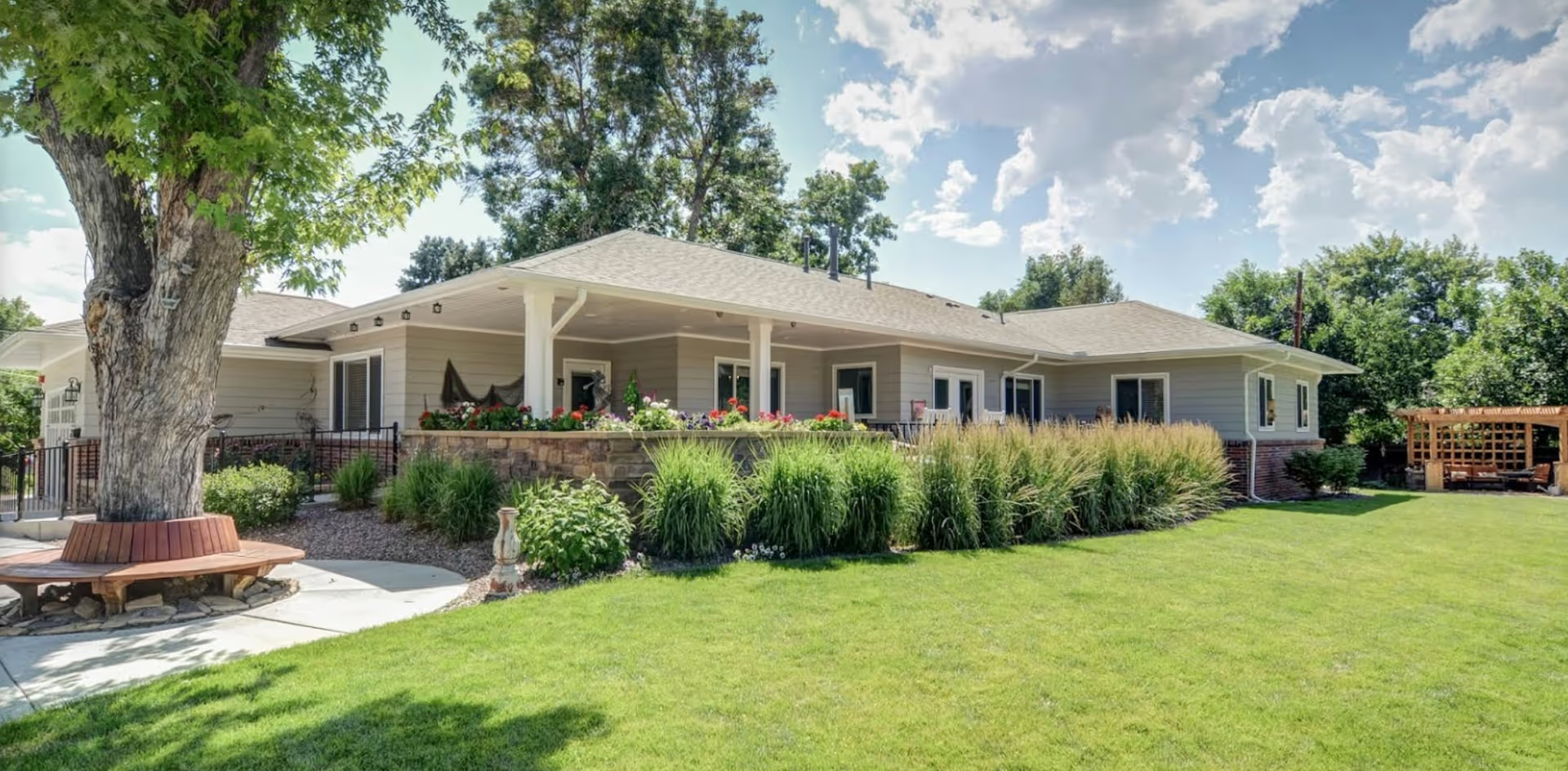
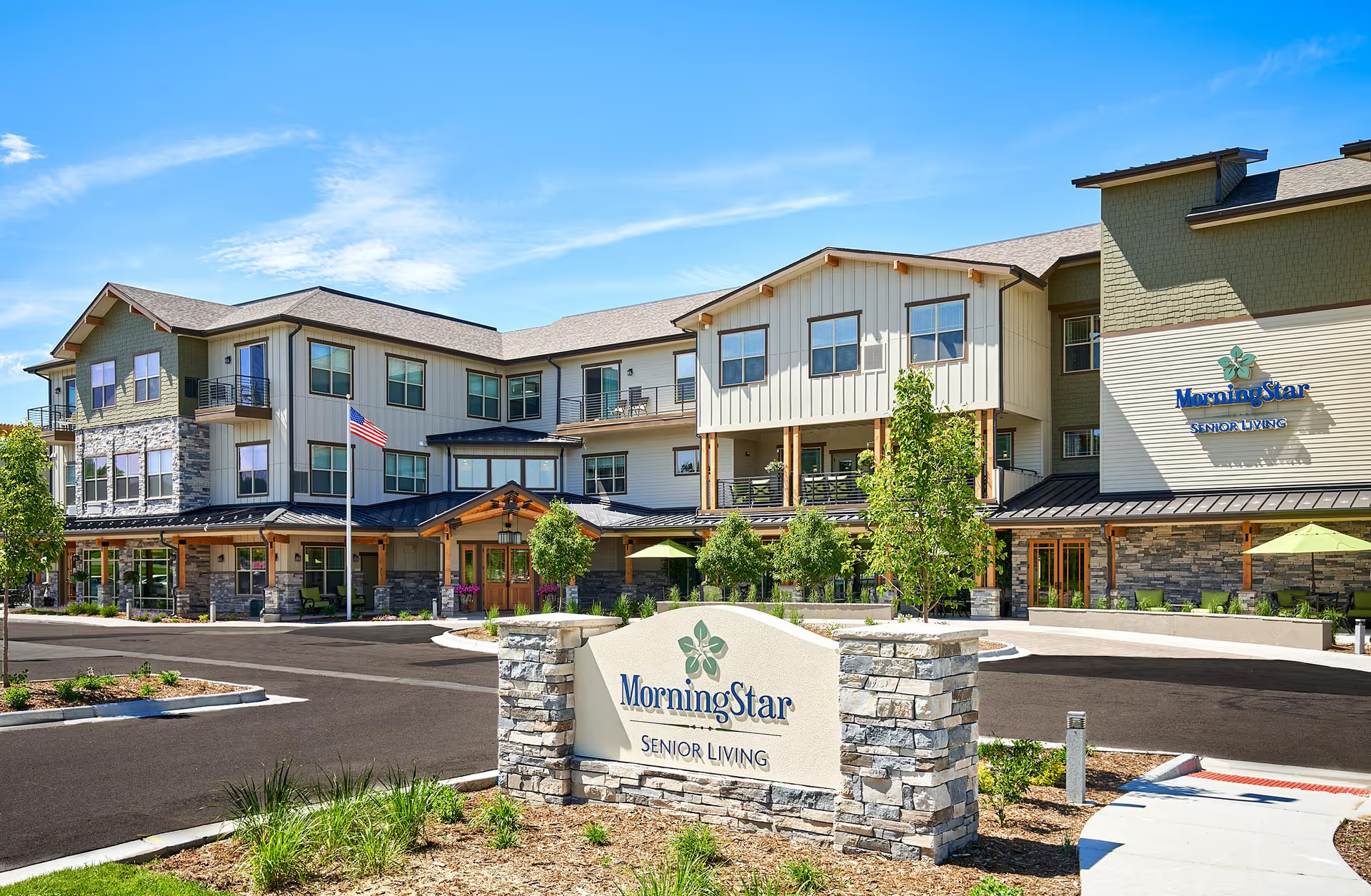
Ralston Creek Neighborhood Assisted Living and Memory Care presents as a relatively new, well-kept community with a hotel-like layout, sizable private rooms, and a range of on-site amenities (courtyard, salon, movie theater, library and craft areas). Many families find the physical environment clean, odor-free and attractive, and appreciate the convenient location and available parking. The community’s activities program is a clear strength: an engaged activities director runs a varied schedule that includes themed meals, movies, classes, bowling and scenic drives that support social engagement for many residents.
Care and staffing receive mixed but generally positive comments. Numerous families describe compassionate, helpful staff and attentive CNAs, and several mention a dependable emergency-call/alert response. At the same time, there are recurring operational concerns: some reviewers describe uneven caregiver training and responsiveness, and others point to gaps in transfer-safety and incident-response procedures. These issues suggest variability in clinical practices and a need for stronger, more consistent staff training and oversight.
Dining is often highlighted for variety and creativity, with themed meals and assistance from dining staff appreciated by residents and families. However, there are also consistent remarks about inconsistent food quality—specifically seasoning, heavy sauces, and portion sizes—and differences in service between assisted-living and memory-care dining. Families should expect variability in meal experience and ask about meal planning and portion control during a tour.
Housekeeping and weekend services are additional operational areas to evaluate. While many common areas and rooms are described as well maintained, there are repeated notes about inconsistent housekeeping and laundry follow-through. Weekend resources and programming are described as limited, and some amenities (for example, salon availability) may not be consistently available on weekends. Accessibility concerns related to long hallways and stairs were raised for residents with limited mobility; prospective residents should verify unit location and circulation needs.
Communication and admissions processes show contrasts: many families praise welcoming tours, proactive management and timely responses, but others describe disorganized intake, unclear care plans, and the need for multiple follow-up calls to coordinate departures or care details. Financially, the community is positioned at a higher price point and does not appear to accept Medicaid, making cost and payer acceptance important factors in a decision.
Overall, Ralston Creek may be a good fit for residents seeking an active assisted-living environment with a strong activities program, pleasant facilities, and personable staff. Families of residents with more advanced memory-care needs or those requiring consistently tight clinical oversight should carefully evaluate caregiver training, incident-response protocols, weekend coverage, housekeeping reliability, and how well activities are tailored to cognitive impairment before deciding. A focused tour that reviews staffing patterns, sample menus, housekeeping schedules, emergency procedures, and payer policies is recommended to clarify fit for individual needs.