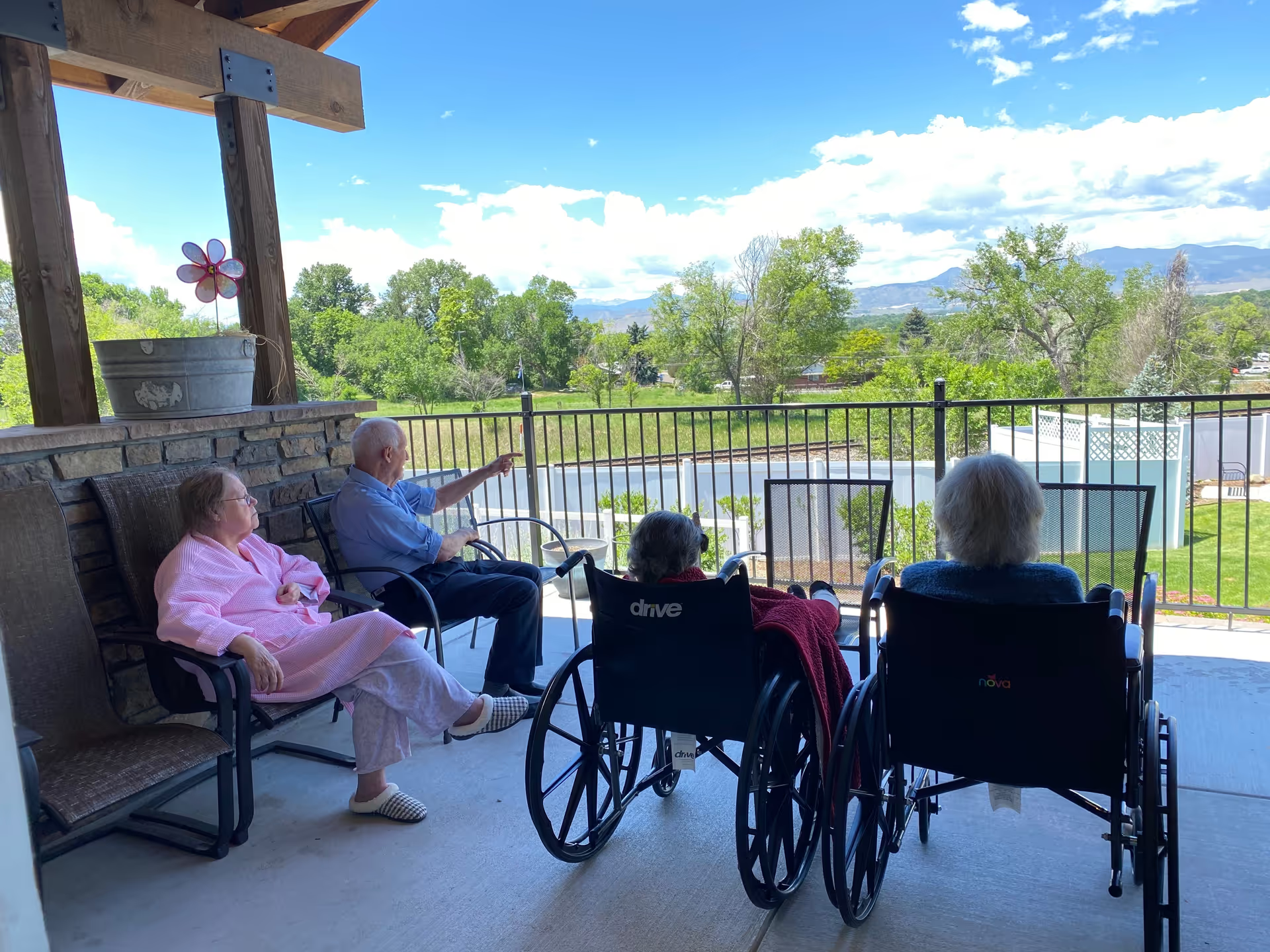
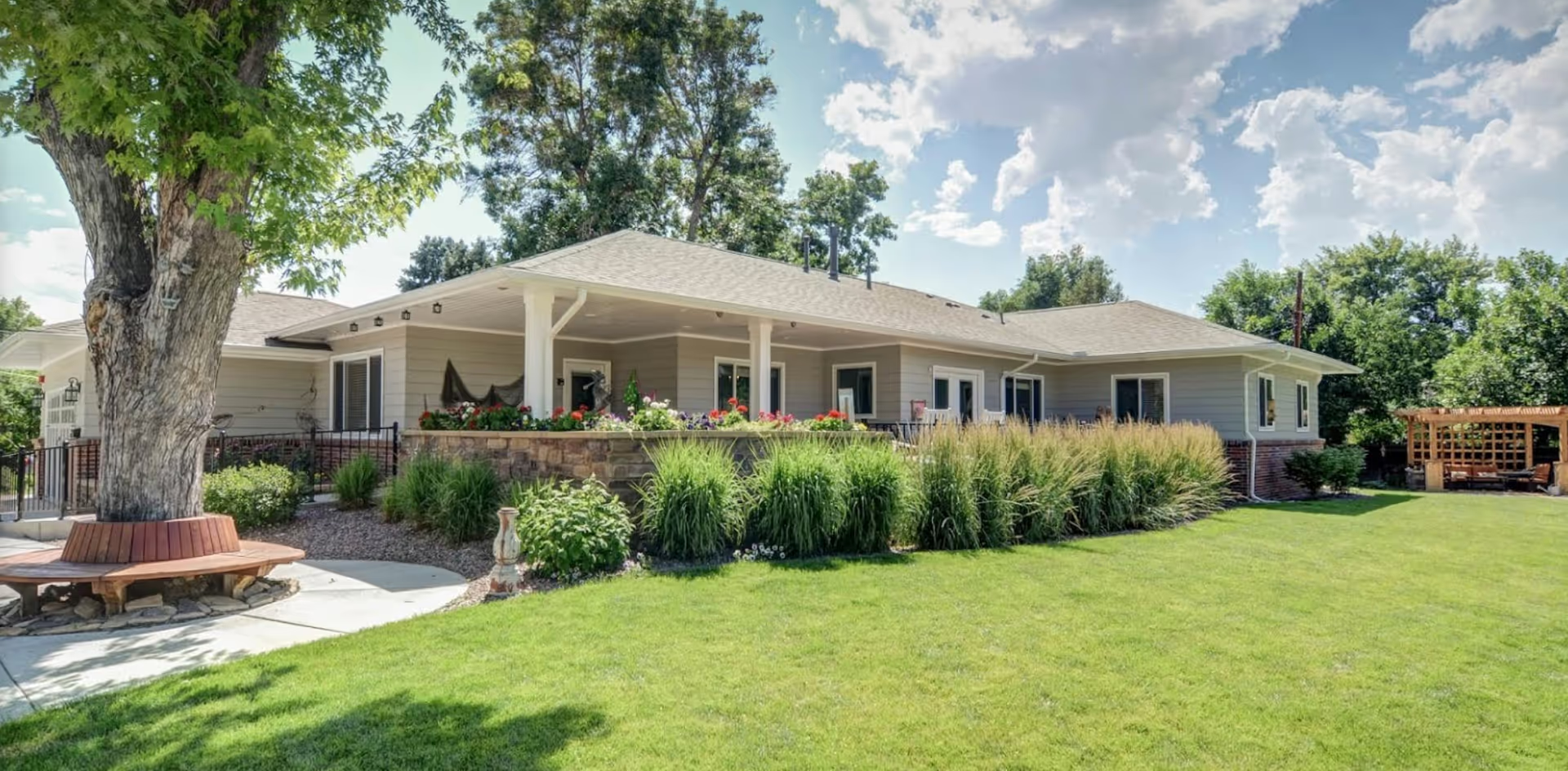
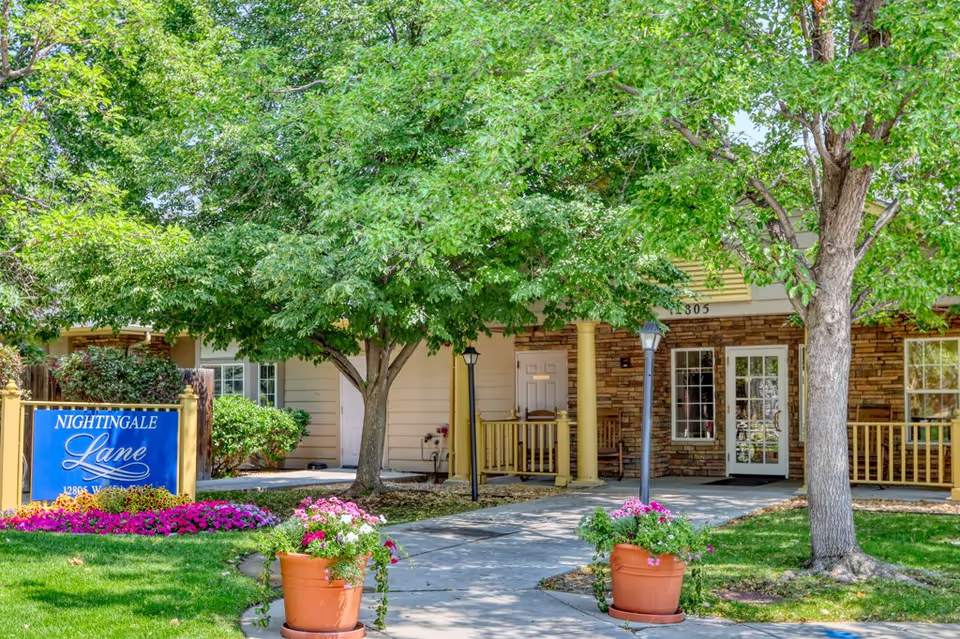
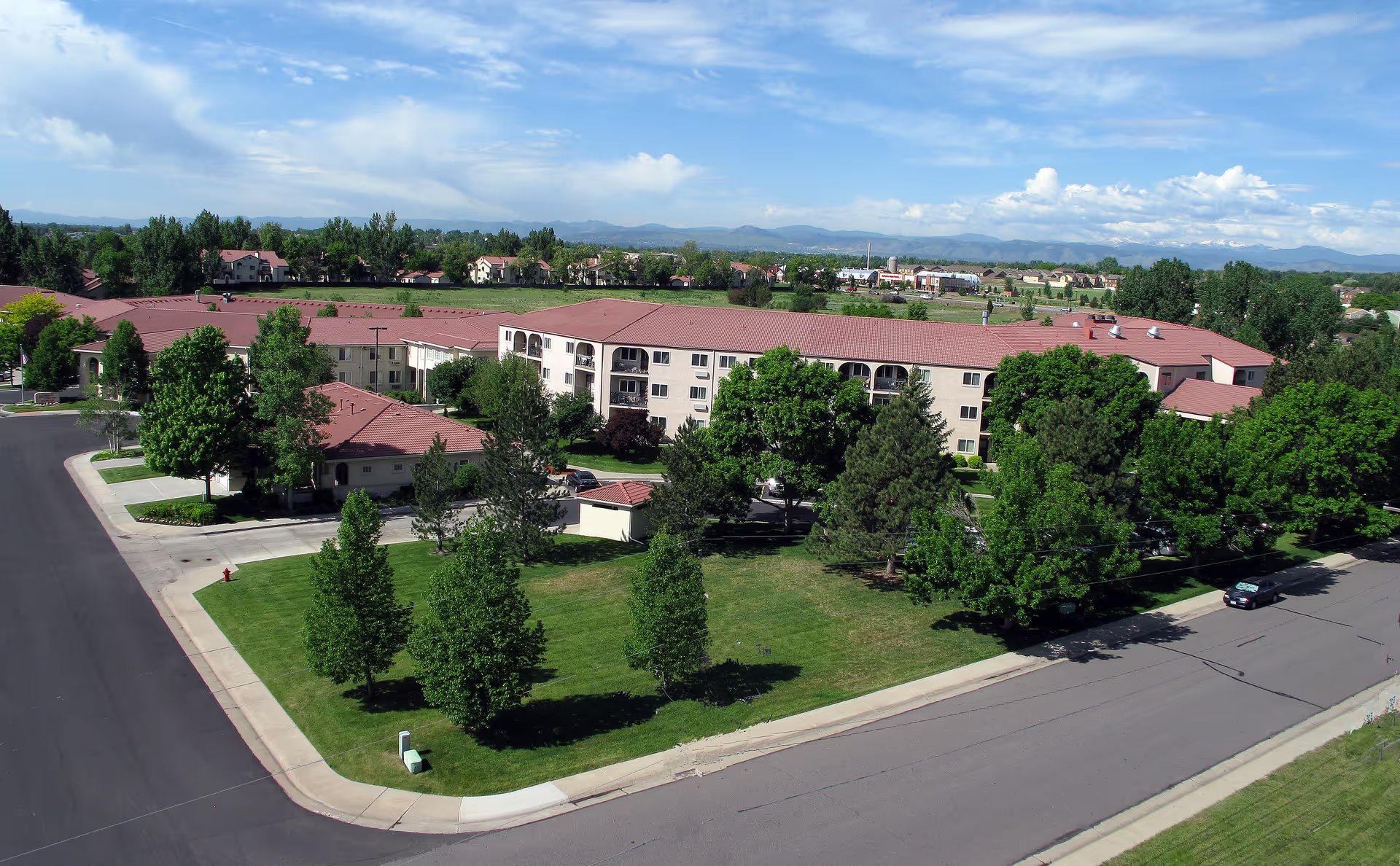
The Oberon House is frequently described as a small, home-like residential care setting with visible owner involvement and a strong emphasis on personalized relationships. Many accounts highlight long-tenured staff, a family-style atmosphere, and active owner presence as contributors to continuity of care. The facility's physical character — a remodeled estate with fireplaces, a sunroom, large common areas, a library and chapel — reinforces a domestic, non‑institutional feel. Its small scale (roughly 60 apartments) appears to support close connections between staff, residents, and families.
Care quality and clinical coordination receive mixed but often positive comment. Numerous families praise attentive caregiving, consistent medication oversight, coordination with hospice and outside providers, and support for rehab and therapy needs (including on-campus rehab options and assistance navigating insurers). Several reviewers described staff who proactively contact families about medical concerns and who treat residents with personalized attention. That said, there are also accounts pointing to variability in care reliability; the most serious operational concern across accounts is inconsistency — some families report excellent, compassionate care while others describe episodes that undermined trust.
Dining, activities, and amenities are generally noted as strengths. The kitchen and dining program are commonly described as offering varied, well-liked meals served in a large communal dining area. Programming includes daily activities such as bingo, gardening, and organized social events, alongside on-site services like a beauty salon, laundry, weekly housekeeping, and religious/reading spaces. These amenities contribute to resident engagement and to the impression of a welcoming communal life.
Facility and management observations are mixed. Positive governance traits include on-site ownership, low staff turnover, and responsive family communication. However, operational weaknesses described across accounts include intermittent delays in responding to call bells or urgent needs, concerns about staff conduct and tone in some interactions, and questions about financial and placement processes (cost pressure, Medicaid navigation and discharge practices). The building itself is characterized as attractive but aging in parts: reviewers note uneven climate control (limited in-room cooling), smaller private rooms relative to large common areas, and variability between floors in comfort. Location aspects — a quiet, somewhat secluded site with proximity to a railroad crossing and limited accessibility — may suit some families and be inconvenient for others.
Notable patterns to weigh: the community's small size and owner involvement create a family-like environment that many families find reassuring, with strong medication practices, hospice coordination, and engaging programming. At the same time, variability in staff performance and occasional operational lapses (including allegations of theft in at least one account) suggest prospective residents and families should assess safeguards, emergency response procedures, staff vetting and training, and how the facility handles financial/placement paperwork. Families prioritizing a personal, non‑corporate setting with hands-on management are likely to appreciate Oberon House; those requiring a dedicated memory-care program, strong climate-controlled private rooms, or consistently uniform operational performance should inquire specifically about those areas during a tour and reference checks.