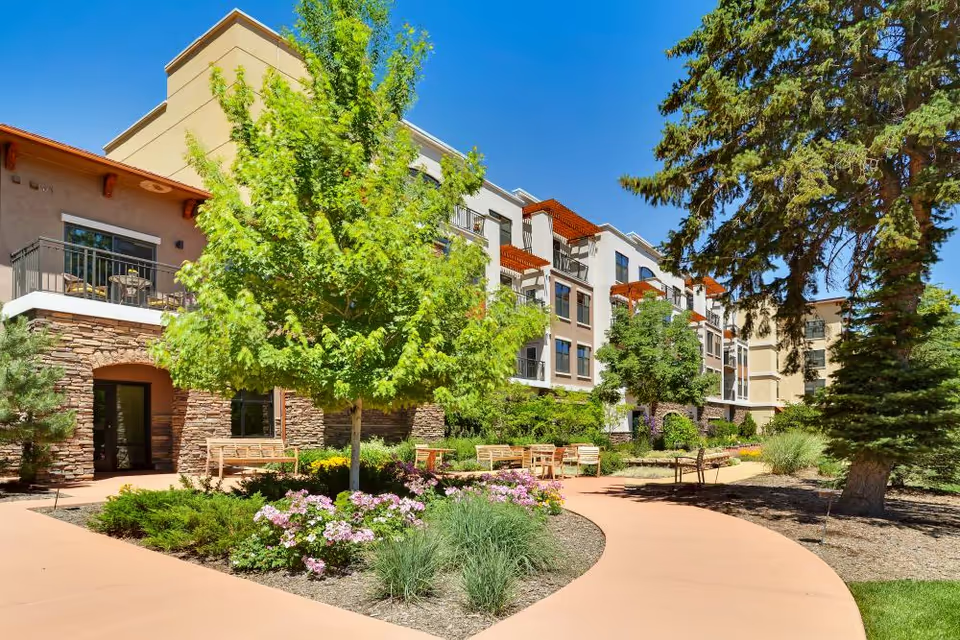
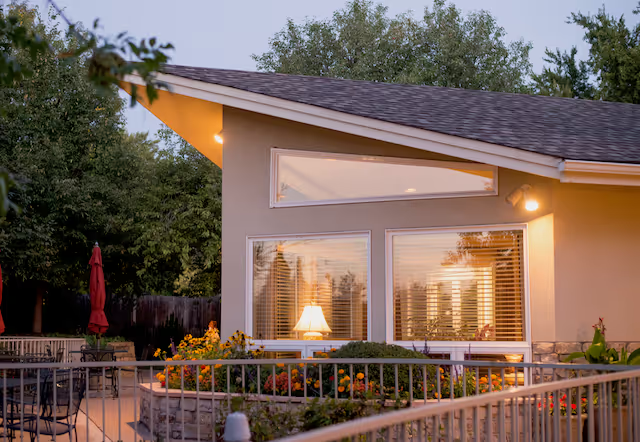
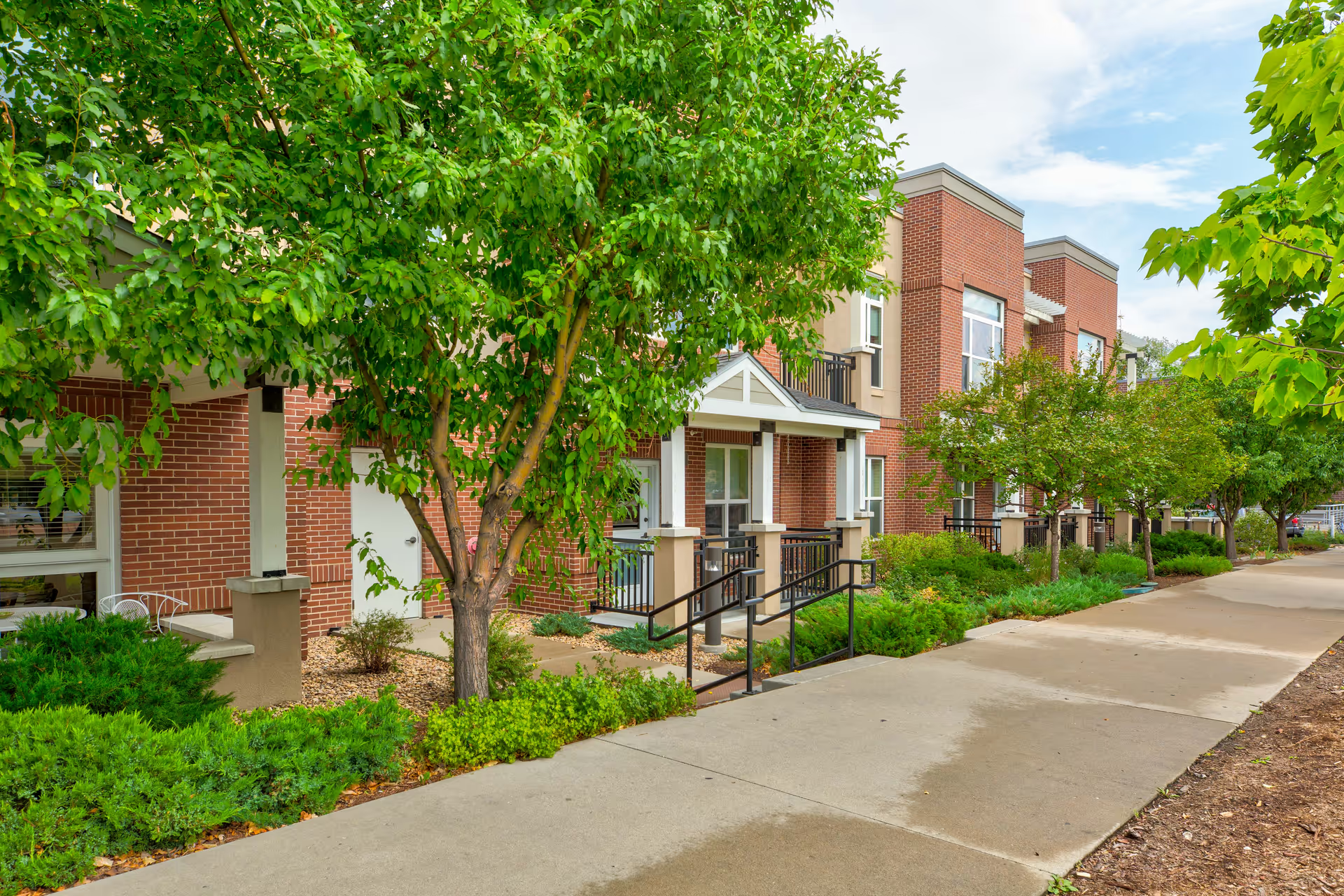
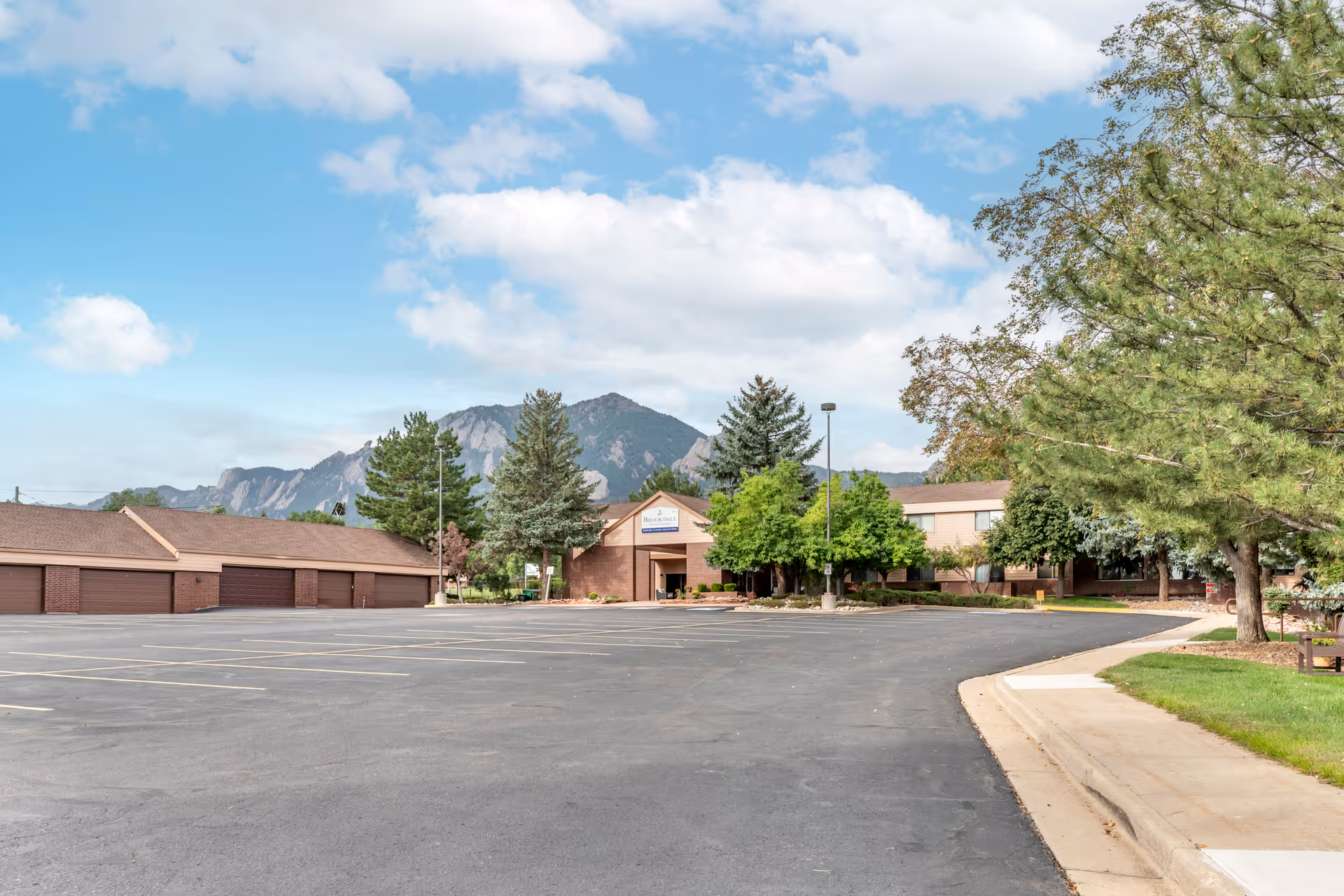
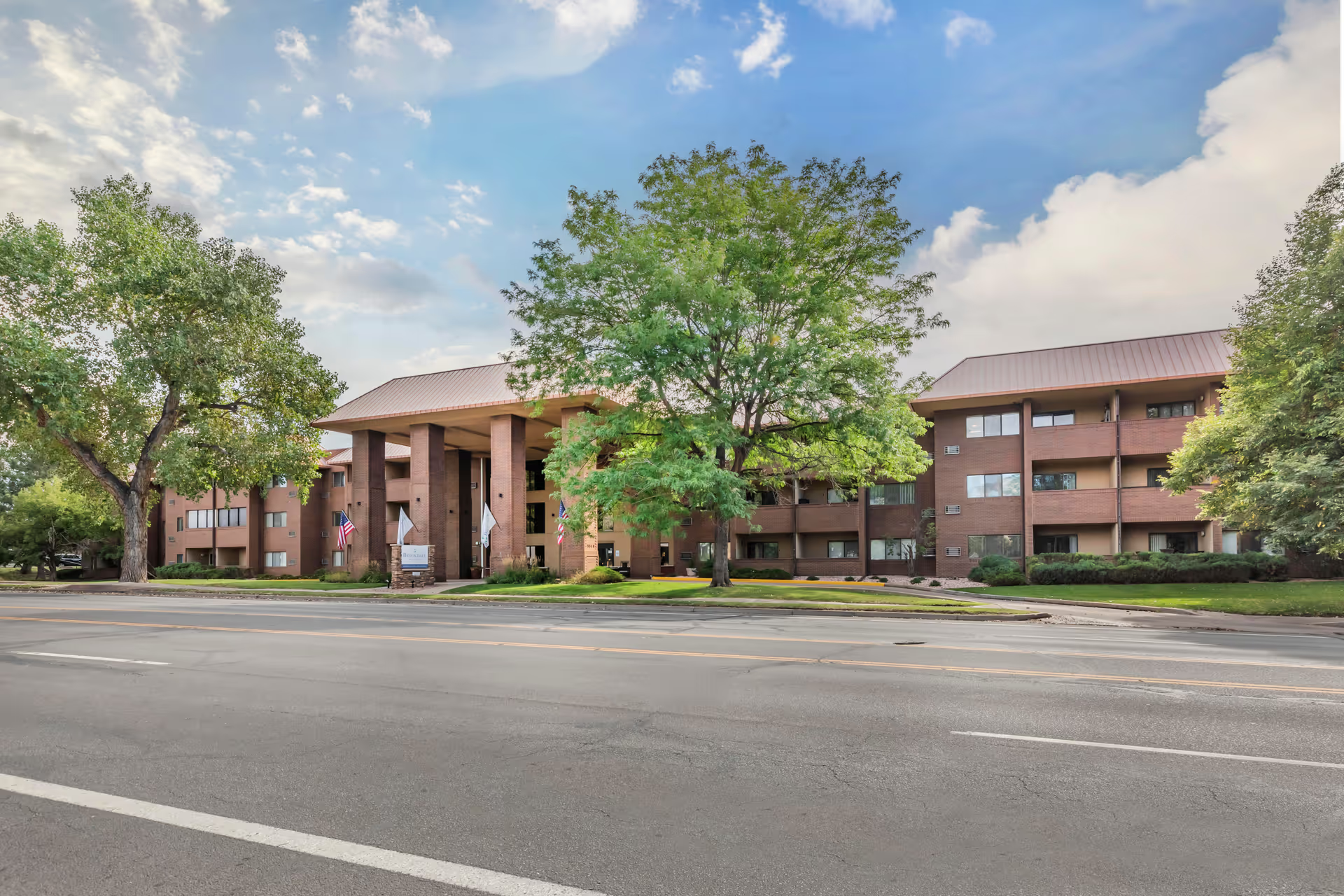
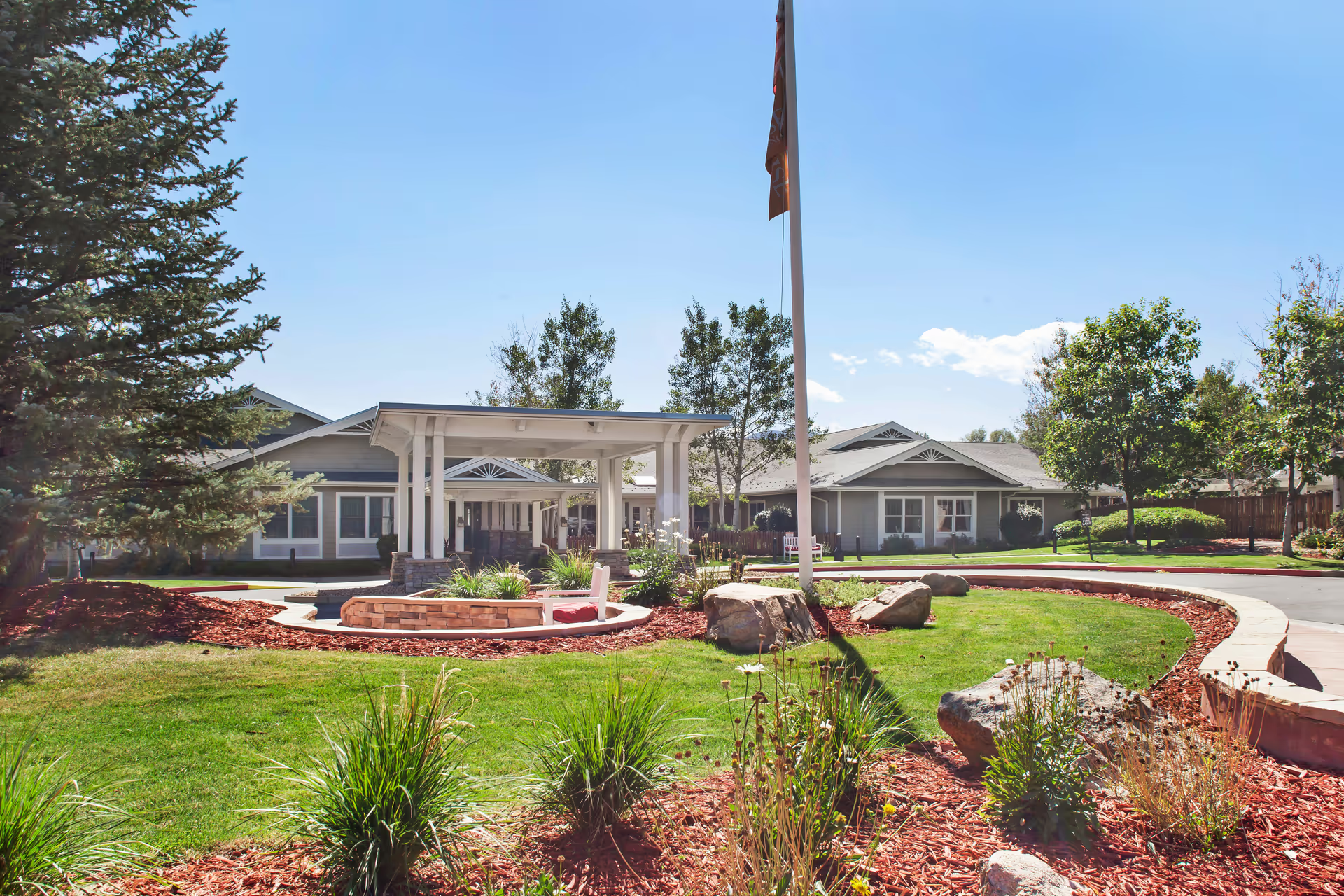
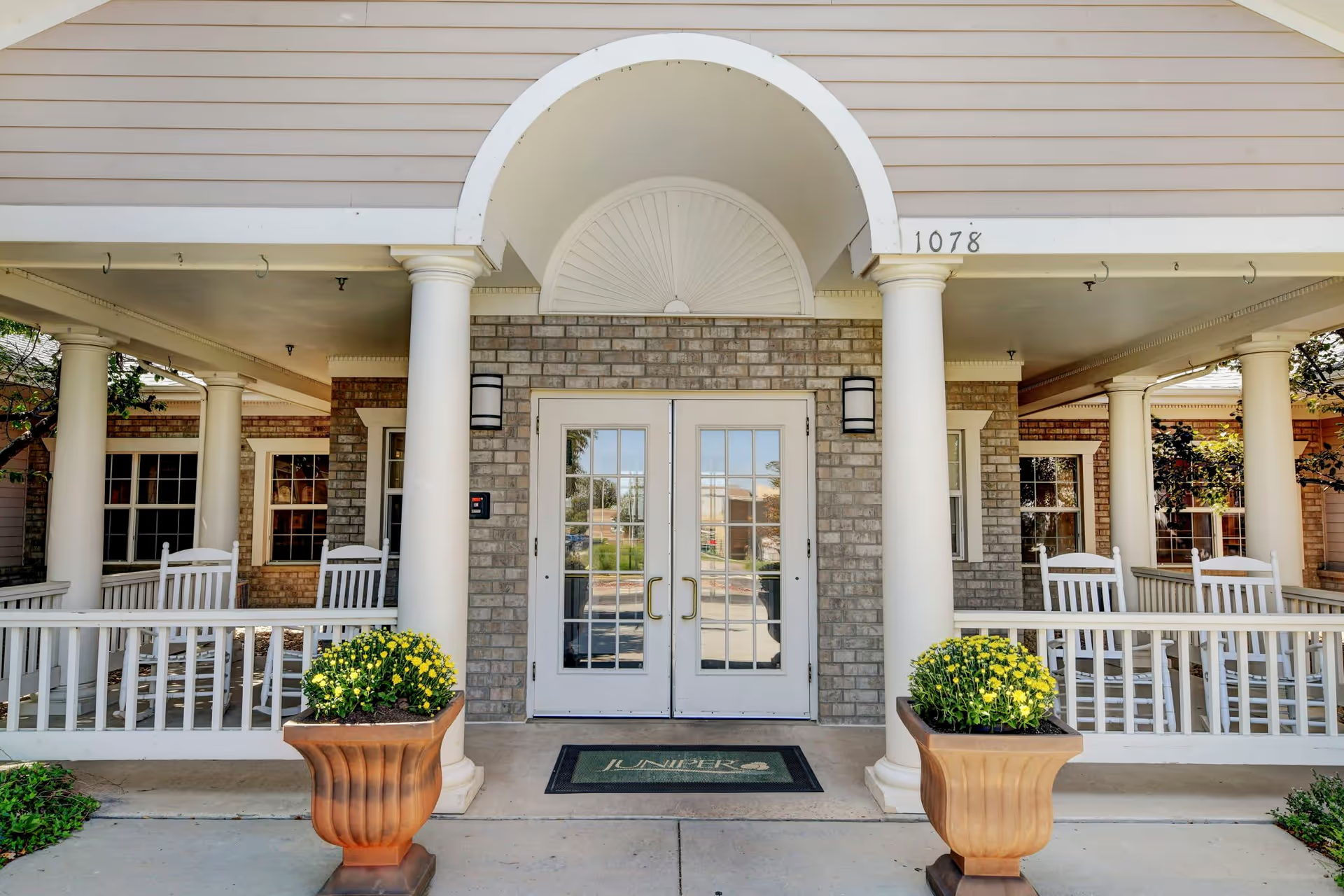
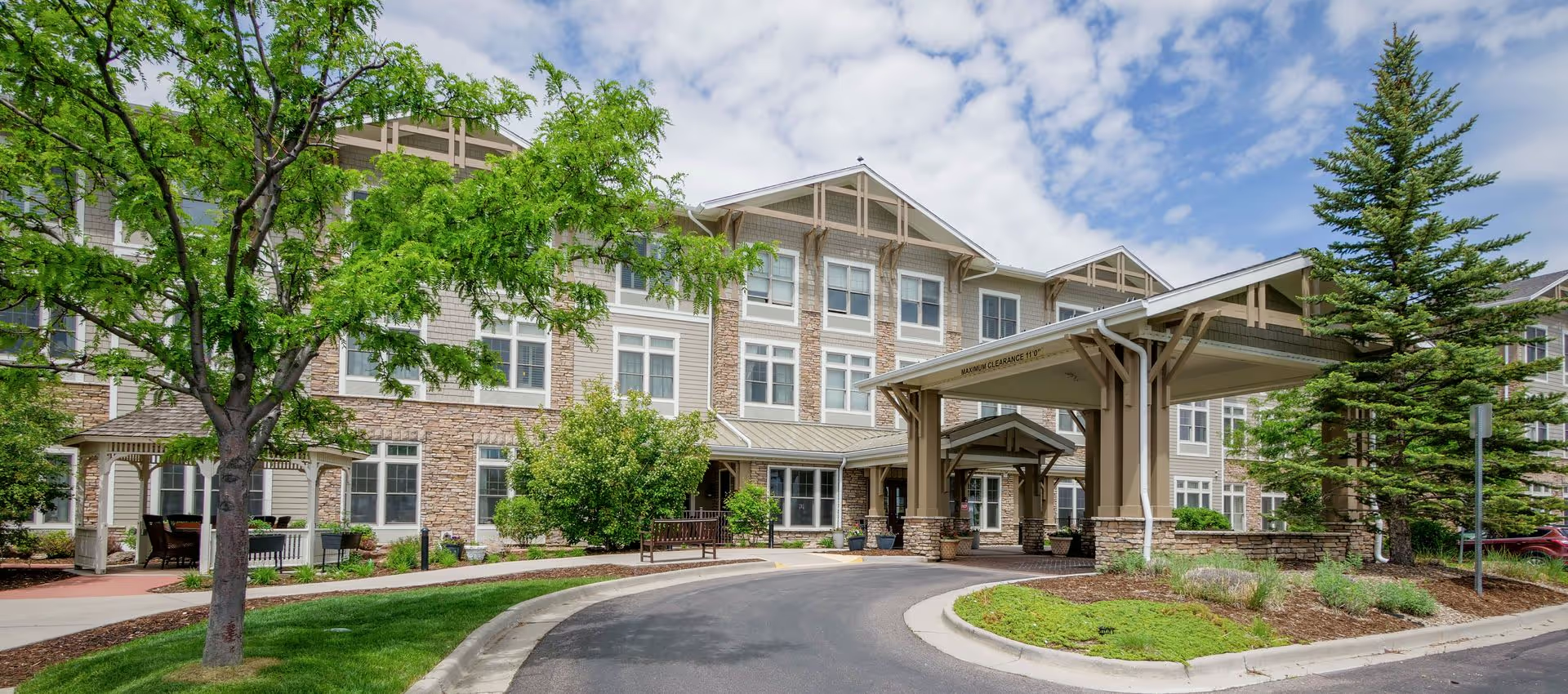
Academy Boulder Communities is consistently described as a high-end, well-maintained memory-care and senior-living environment with a strong emphasis on aesthetics and comfort. Reviewers highlight attractive architecture, thoughtful landscaping, and a foothills setting that contributes to a serene atmosphere. The physical plant is noted for spacious private rooms, large outdoor decks, modern in-room amenities, and a range of common-area facilities including a library, exercise and therapy rooms, an indoor lap pool, and intimate dining spaces that support both privacy and community events.
Care quality and staff performance receive mixed but detailed commentary. Many families praise the staff as knowledgeable, empathetic, and dementia-trained, and several reviewers emphasize low turnover and a welcoming culture. At the same time, there are consistent operational concerns around behavioral management and communication: some families describe staff responses to dementia-related behaviors as judgmental or inconsistent, and there is a pattern of families perceiving limited direct access to medical information unless it is routed through nursing staff. These patterns suggest the facility leans toward structured, nursing-controlled communication channels and may have higher thresholds for on-site behavioral management, at times expecting families to arrange private caregiving support for residents with more complex needs.
Dining and culinary services are an area of divergence. Positive comments describe healthy, home-style meals and, in some accounts, personal-chef service and five-star dining experiences. Other accounts note that day-to-day meal preparation is performed by caregiving or non-chef staff and characterize the culinary model as inconsistent. This suggests variability in culinary staffing or execution between units, shifts, or meal types rather than a uniformly chef-driven program.
Programming and activities are cited as strengths, especially for memory care. The community offers structured, dementia-focused activities such as music programs, circle talk therapy, and themed events, which reviewers applaud for engagement and relevance to cognitive needs. Facilities support a broad activity calendar and provide multiple spaces suitable for events, small-group gatherings, and private meetings.
Management and policy-level issues emerge as salient patterns. Pricing is consistently described as high and may put the community out of reach for many families, though fee structures are typically explained clearly. Several families expressed concerns about the clarity and tone of care documentation and risk-communication — describing documentation language as potentially opaque — and about a perceived institutional preference for residents with lower behavioral needs. Emergency-response practices are described as conservative, with frequent external emergency involvement in some instances; this may reflect a risk-averse clinical posture.
In summary, Academy Boulder Communities appears to offer an upscale, well-resourced environment with strong amenities and many staff strengths in dementia care and engagement. Prospective residents and families considering this community should weigh the premium cost against the facility’s offerings, and they should ask targeted questions about behavioral-management protocols, the community’s expectations around private caregivers, how medical communications are handled with families, the culinary staffing model, and parking availability to ensure a good fit with the resident’s needs and family expectations.