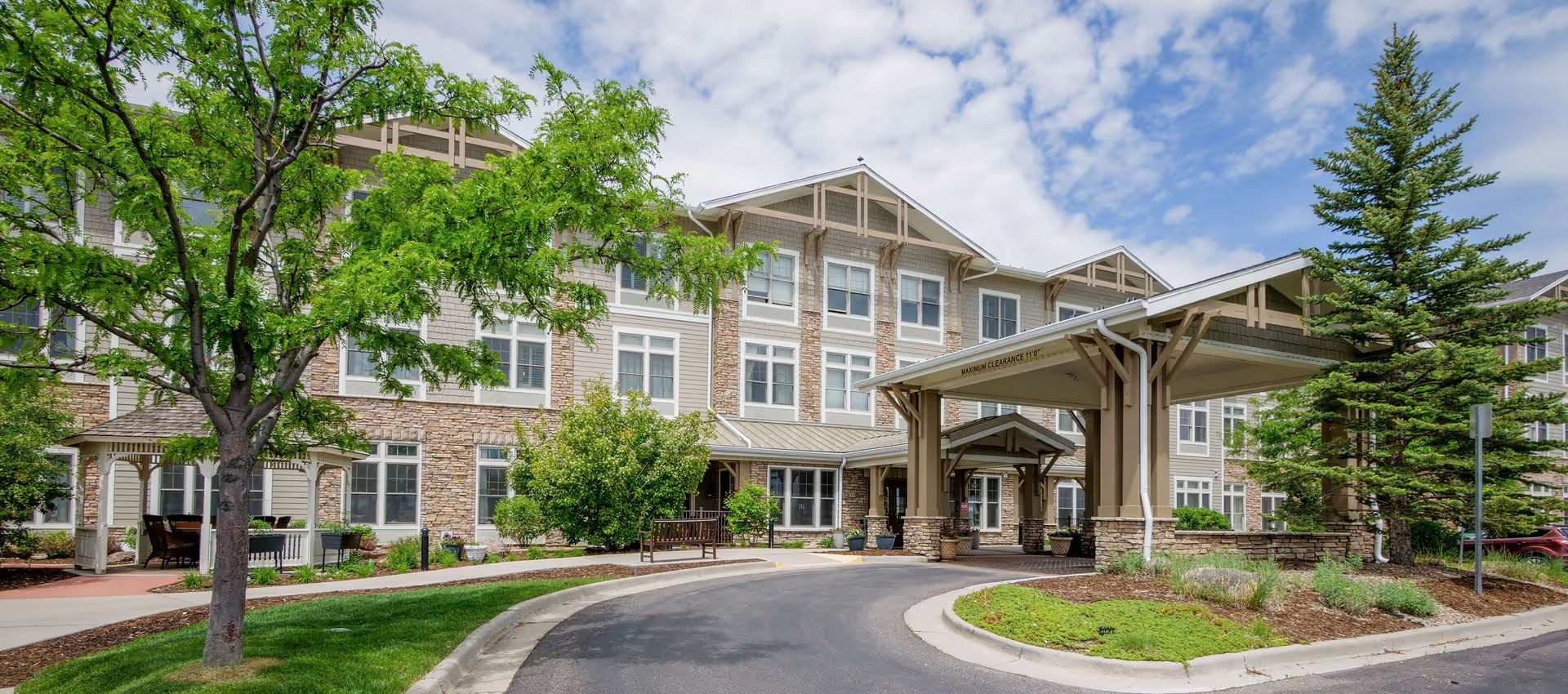
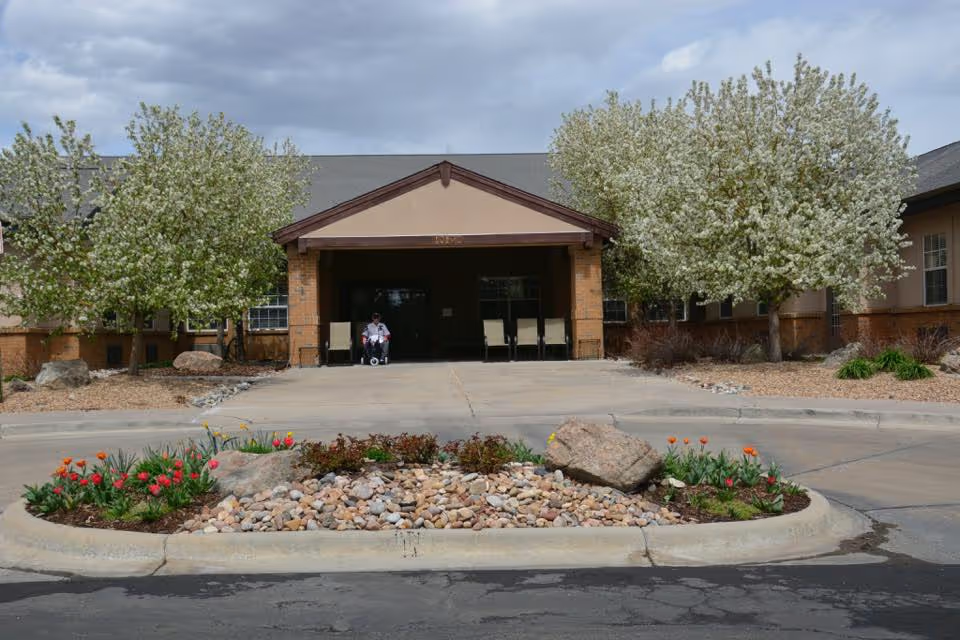
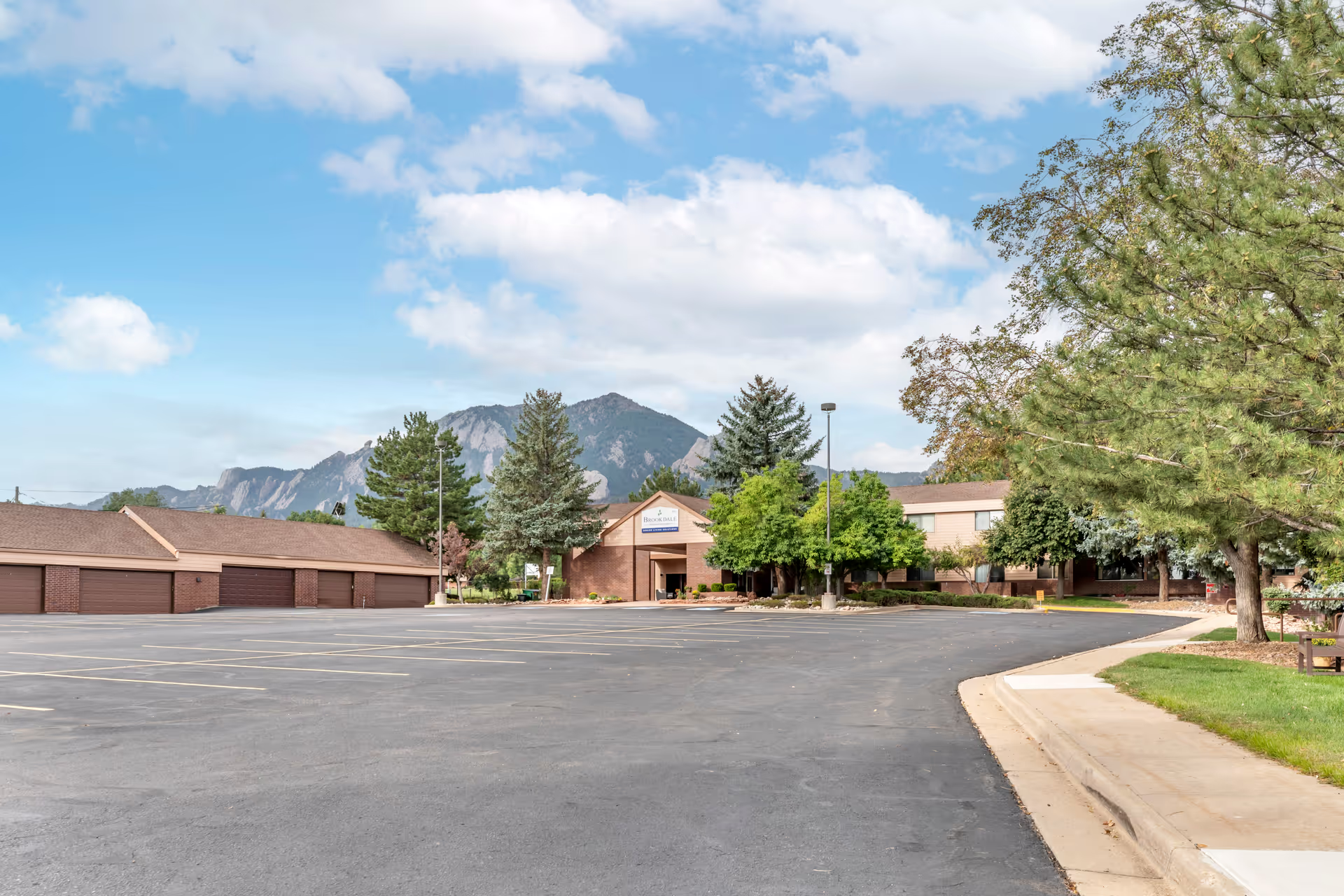
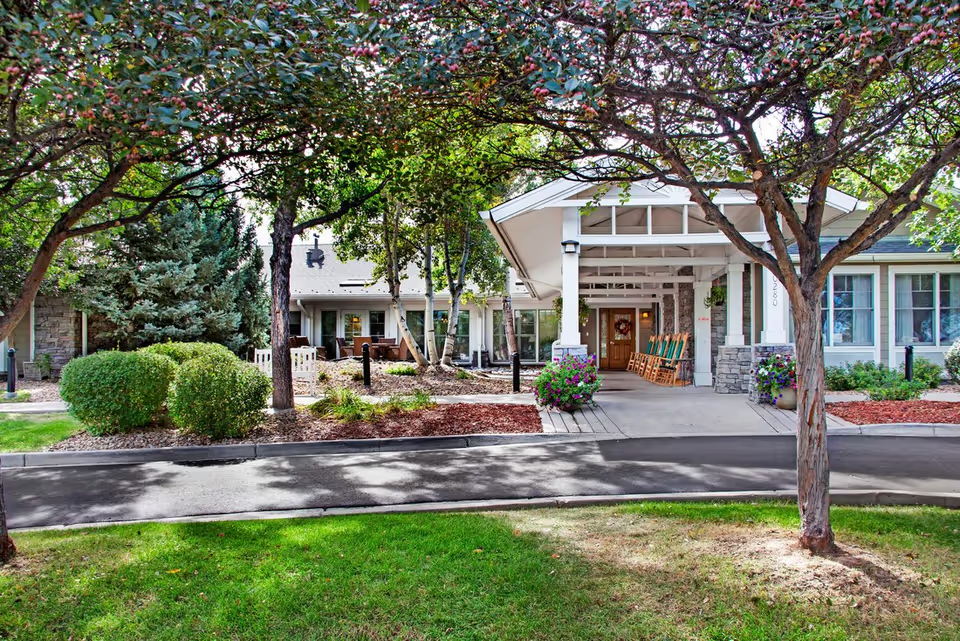
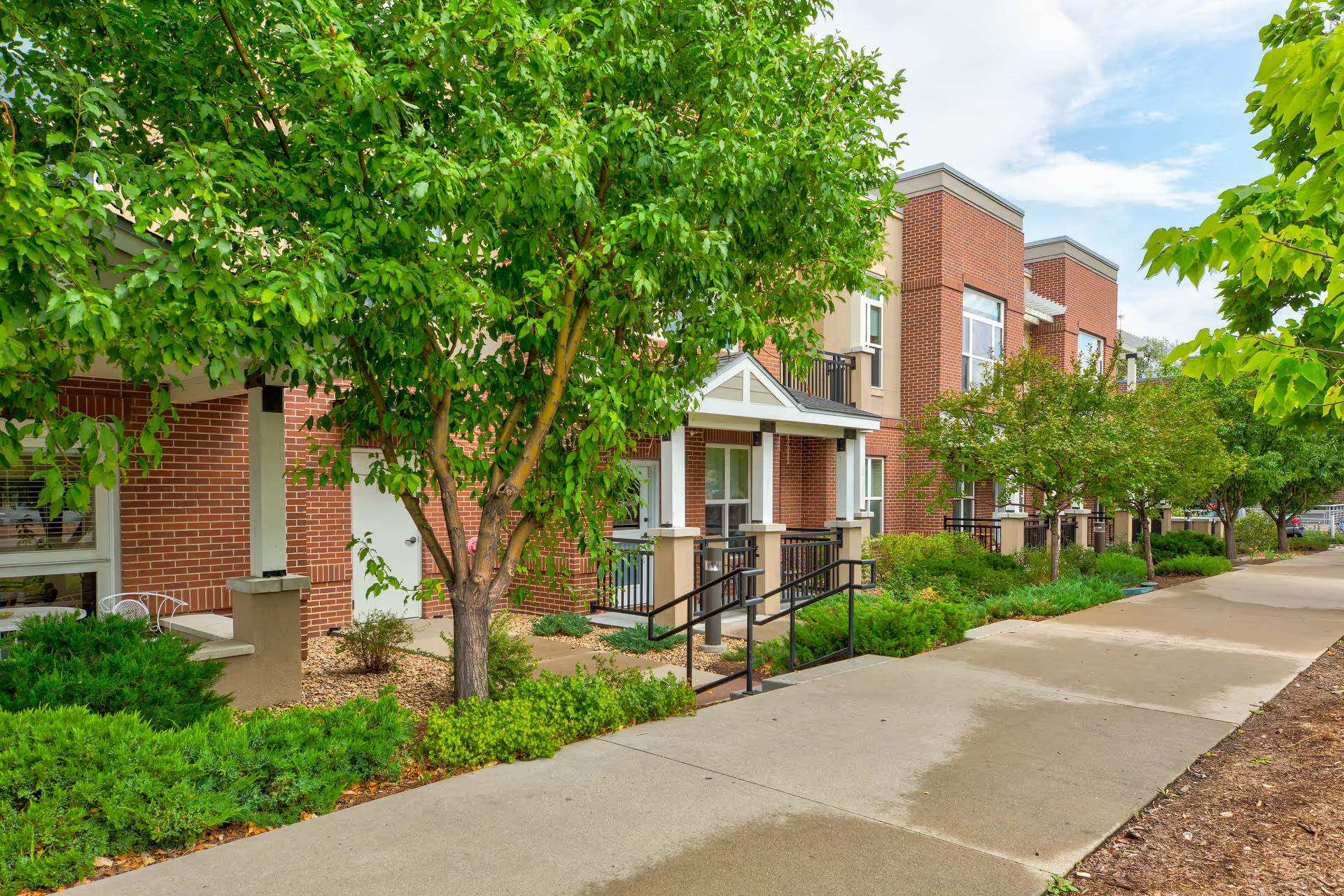
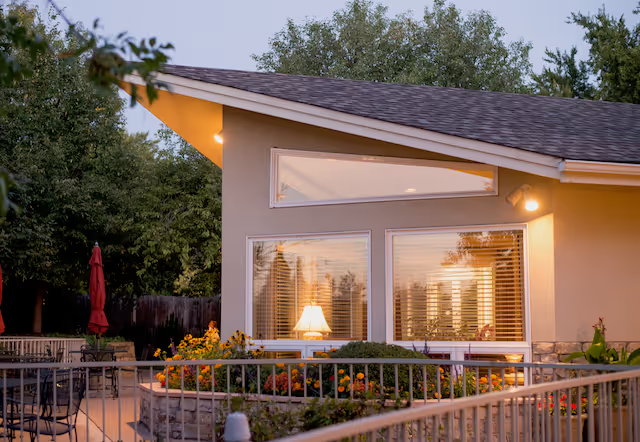
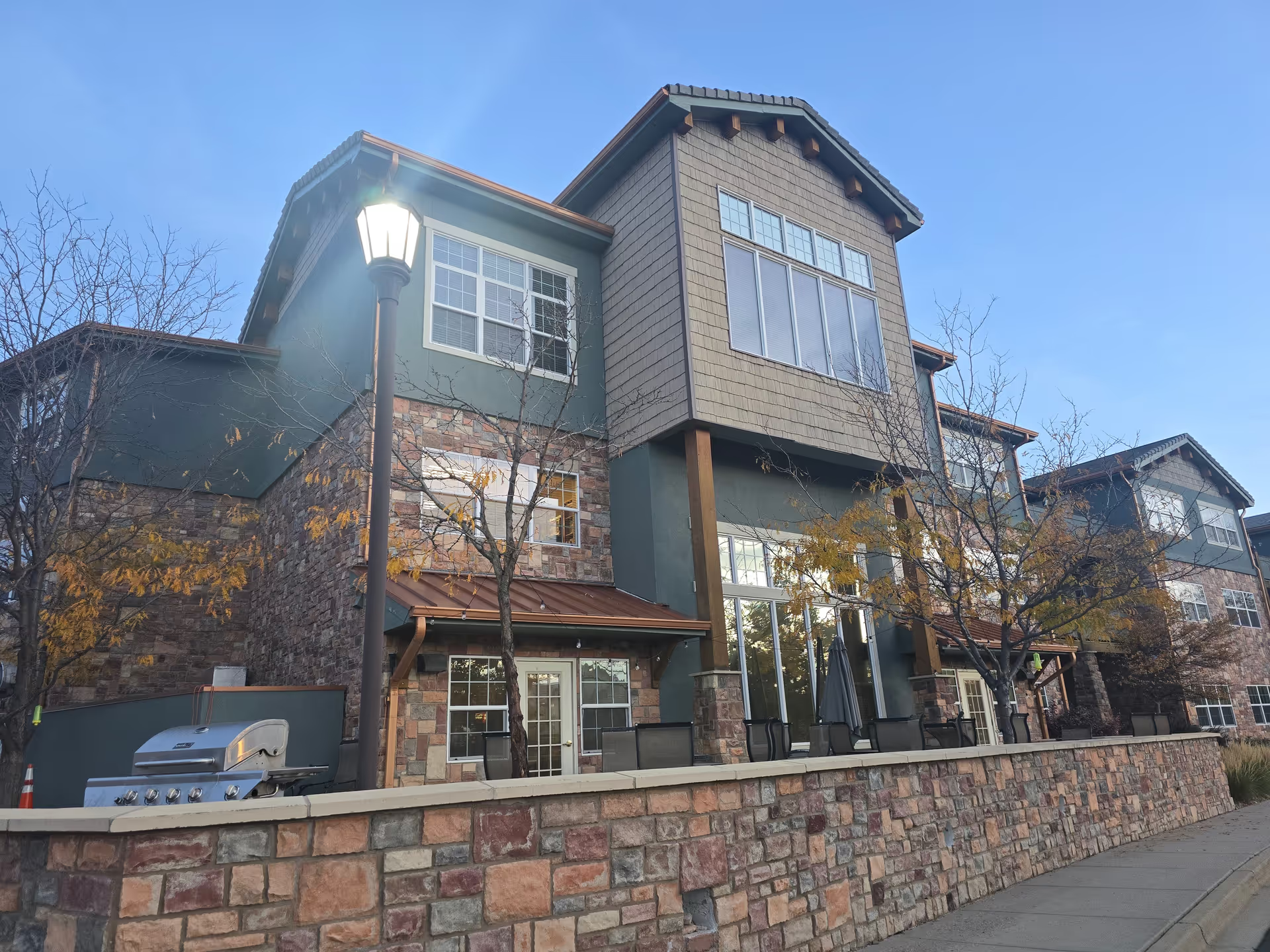
Juniper Village at Louisville is consistently described as a compassionate, memory-care–oriented community with a homelike small-house design. Many families and visitors praise the caregiving team as warm, attentive, and skilled in dementia care; reviewers frequently note individualized attention, long staff tenure, continuity of caregivers, and an on-site clinical presence that includes nursing and periodic physician rounds. The neighborhood layout, private rooms, in-home kitchens, outdoor courtyards, and well-maintained grounds contribute to a non-institutional atmosphere that families find reassuring.
Care quality is generally viewed positively for routine and memory-focused needs: reviewers describe staff who provide hands-on, person-centered assistance, meaningful social interactions, and support during transitions such as moves or hospital stays. At the same time, a subset of reviews raises operational concerns around clinical oversight. These concerns center on medication-management processes, delays in attending to resident needs at times, and the need for clearer protocols around incident follow-up and family communication. Families considering Juniper Village should ask about current staffing ratios, medication-administration safeguards, and how the community documents and communicates clinical incidents.
Dining impressions are mixed. Many accounts praise the food service, holiday meals, and accommodating dietary needs, and several reviewers specifically commend the kitchen and food-service staff. Other comments indicate inconsistent meal quality or limited fresh fruit and salad options; prospective families may wish to sample the menu and inquire about regular availability of fresh produce and special-diet accommodations.
Activities and programming are another mixed area. The community offers arts, music, worship space, memory games, and frequent celebrations that many residents enjoy, and there are positive notes about an engaged activities director and volunteer involvement. However, some reviewers find the activity offering insufficiently robust for higher-functioning residents or constrained by the facility’s physical layout; the main group room and pod design can limit larger-group events. Ask about the current activity calendar, staffing for programming, and how the community adapts offerings to different cognitive and functional levels.
Facility and housekeeping receive strong positive mentions for cleanliness, décor, and upkeep, though occasional comments suggest variability in room tidiness and housekeeping responsiveness. The small-house model, private dining options, and accessible outdoor spaces are consistent strengths. Management and communication are areas where experiences diverge: many families commend admissions staff and managers for support and responsive interaction, while others cite slow email/phone responses, inter-office information gaps, and billing or contract-clarity issues (for example, the 30-day occupancy charge policy). There are also a limited number of serious, individual accounts raising concerns about clinical incidents and end-of-life handling; these accounts are significant and merit direct inquiry during a tour and reference checks.
Overall, Juniper Village at Louisville projects a warm, resident-centered environment with notable strengths in memory care, staff continuity, and homelike design. Prospective residents and families should balance those strengths against intermittent operational issues reported around staffing consistency, medication oversight, activity breadth for more independent residents, and billing clarity. Recommended due diligence includes an in-person visit during activity times, conversations with nursing leadership about medication and incident protocols, review of staffing levels by neighborhood and shift, sampling meals, and asking for written billing and contract policies to ensure alignment with family expectations.