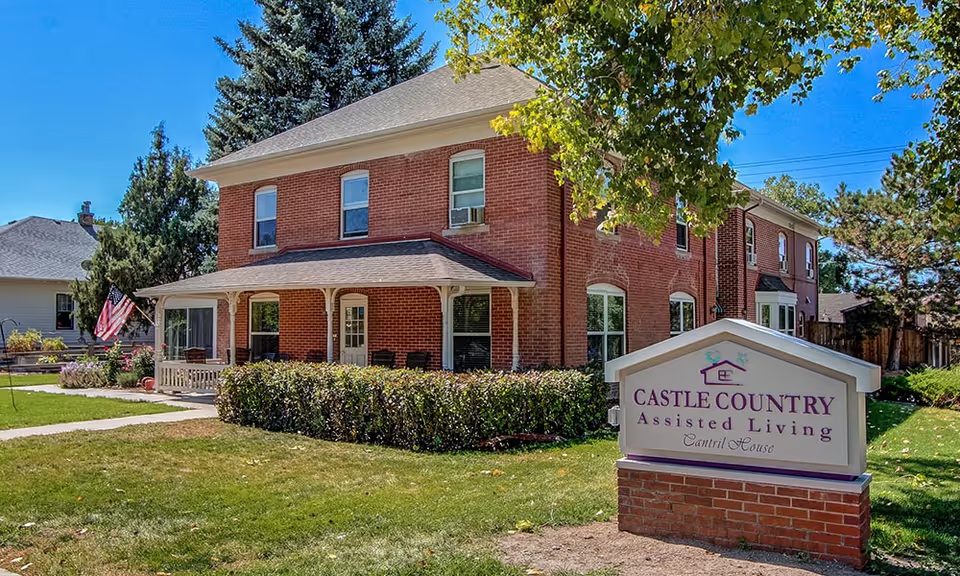
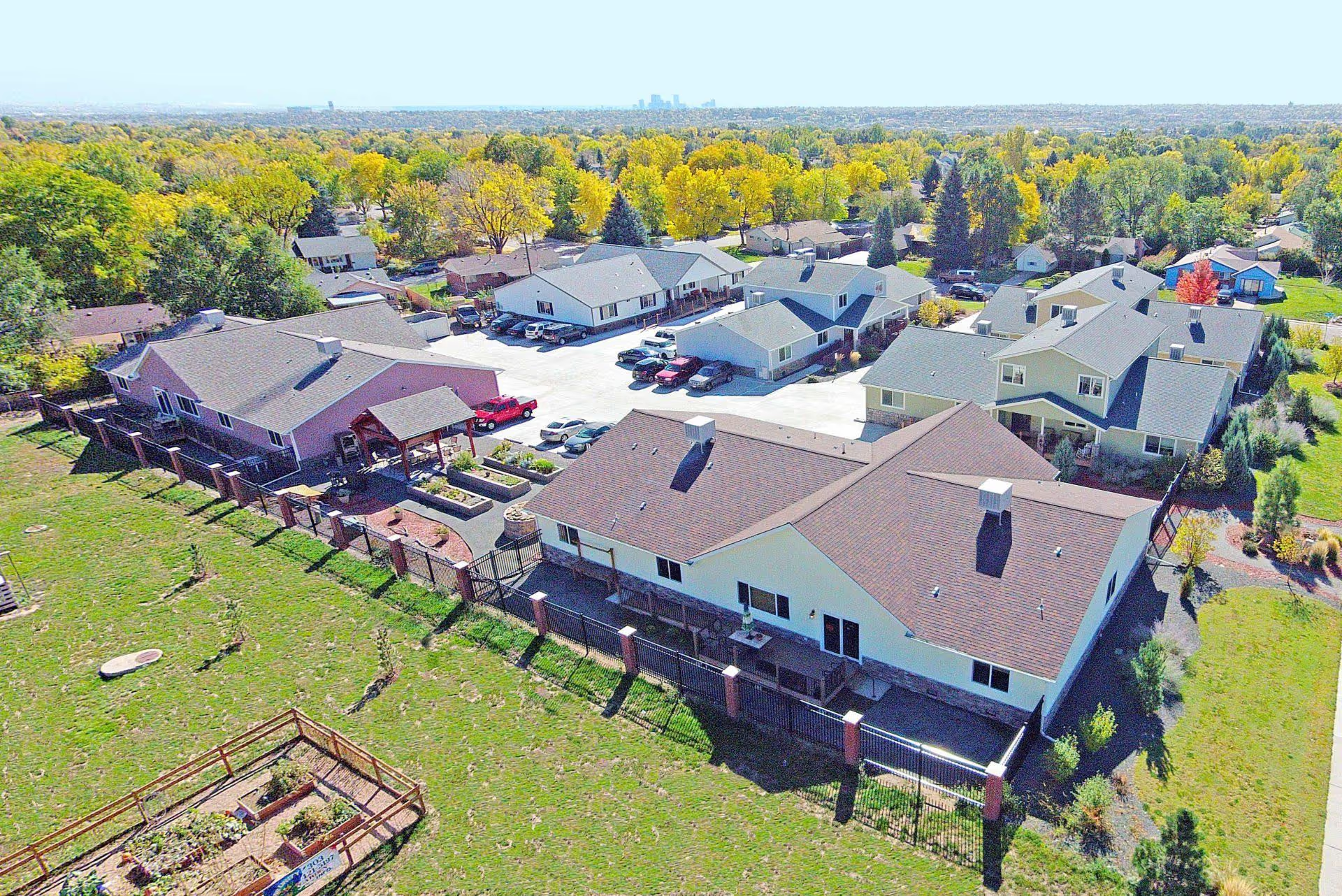
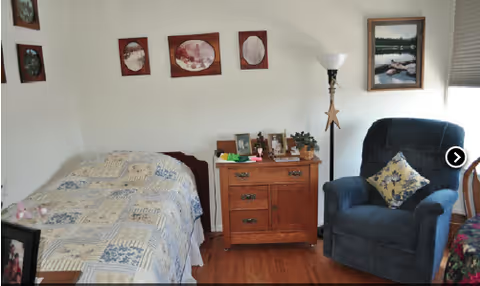
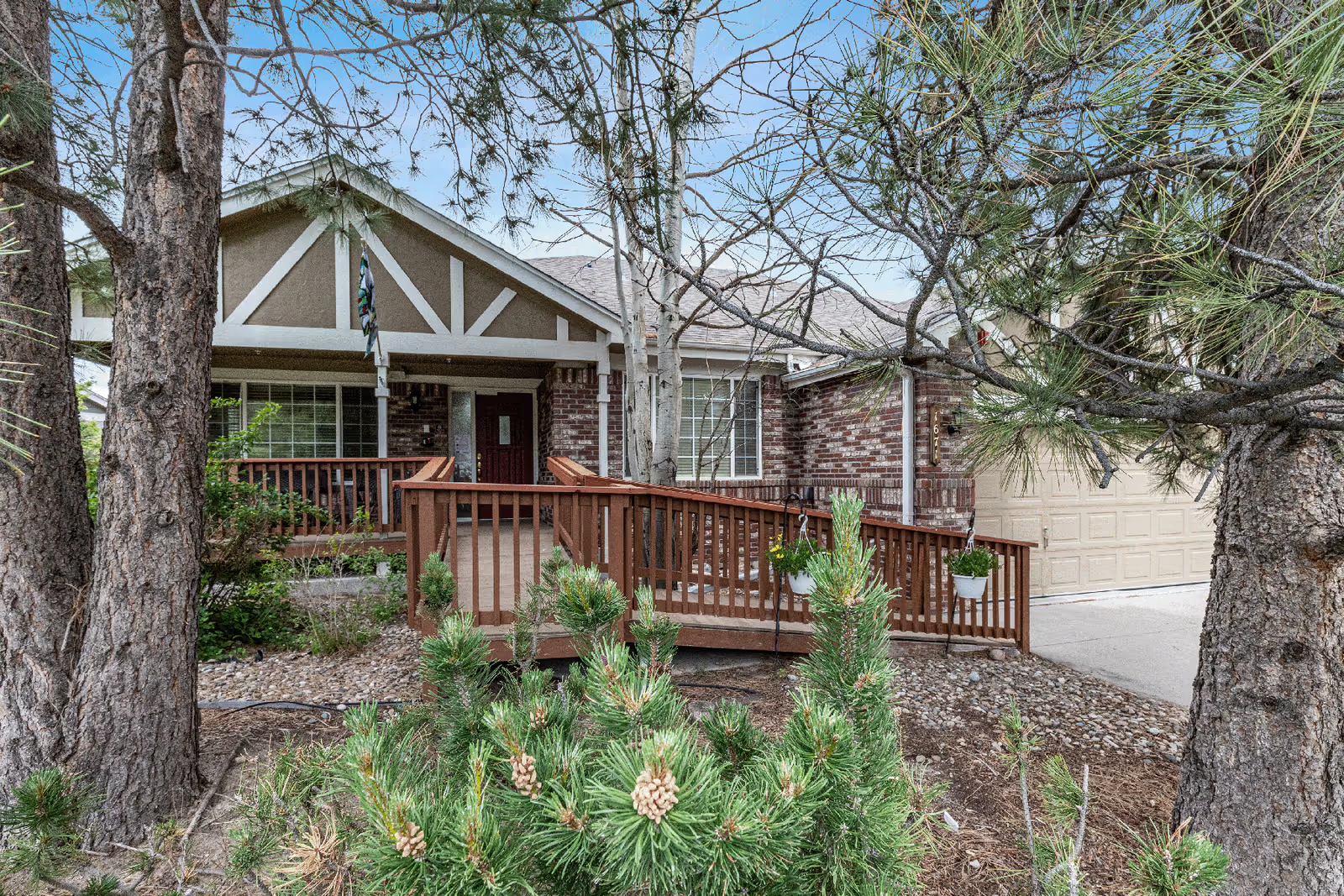
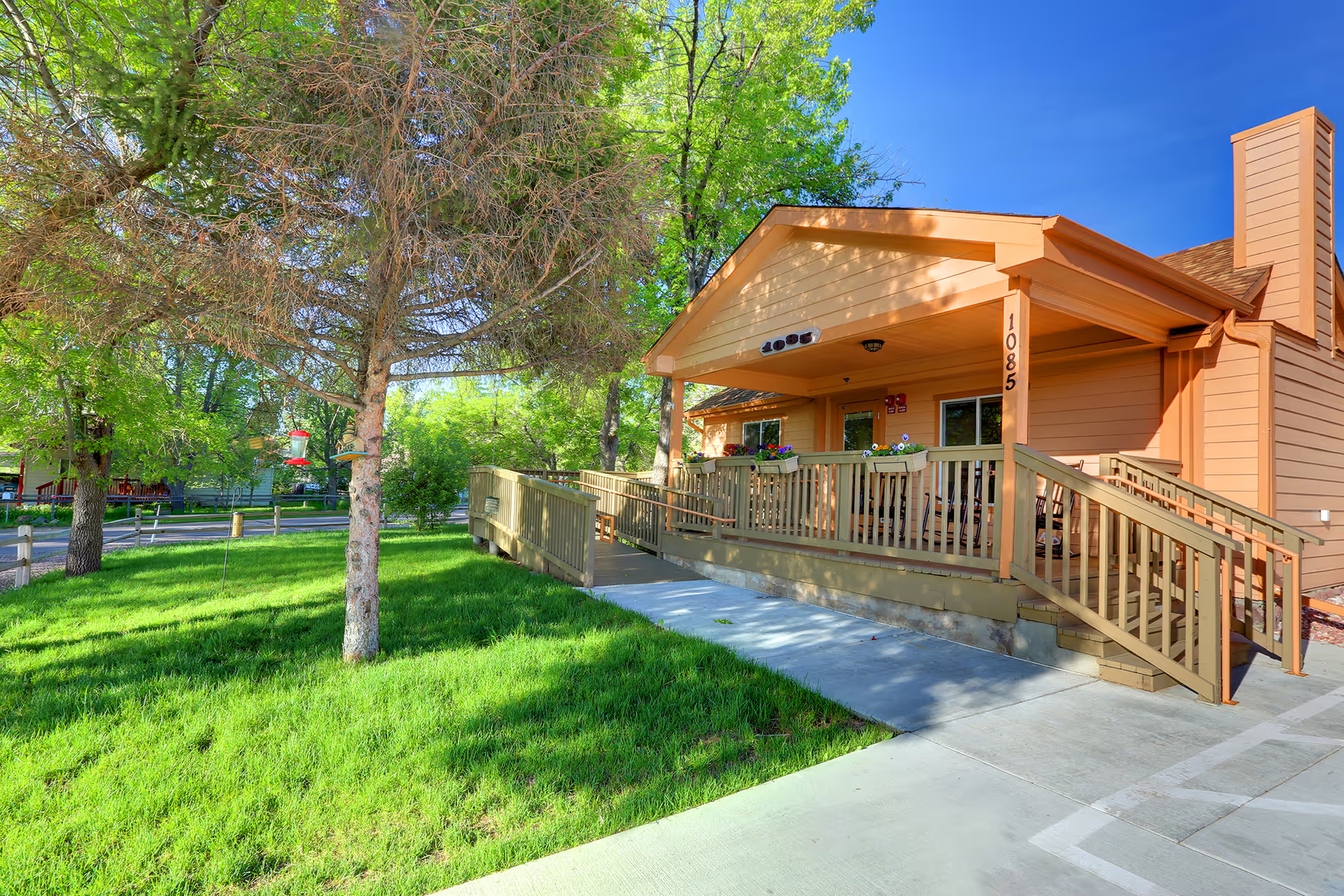
Overall impression: Review summaries portray Castle Country Assisted Living - Valley House as a small, homey community with a strong emphasis on personal relationships and resident quality of life. Many comments highlight warm, compassionate caregivers, a family‑like atmosphere, and consistent staffing that supports continuity of care. The facility offers a variety of social and recreational options and is described as clean and well maintained, with appealing outdoor areas that contribute to a country‑style sense of privacy and community.
Care and staff: Families and visitors consistently note caring and patient staff, with several mentions of experienced caregivers and relatively low turnover. That continuity appears to support personalized attention, including assistance for residents with memory loss. At the same time, there are accounts indicating variability in staff professionalism and responsiveness, and some reviewers expressed concerns about leadership responsiveness when problems are raised. Prospective families should confirm current staffing patterns, escalation procedures, and how leadership addresses family concerns.
Dining and activities: Dining is a highlighted strength—residents and families describe varied, well‑prepared meals, frequent snacks, holiday menus, and cooks who are eager to accommodate preferences. The activities program is broad, including exercise, yoga, art and ceramics, bingo, movie nights, barbeques, and regular offsite trips to local shops and natural areas. Outdoor gatherings and patio use are common. However, engagement level may vary; a few accounts describe periods of low activity, so it is advisable to inquire about the typical weekly schedule and participation rates.
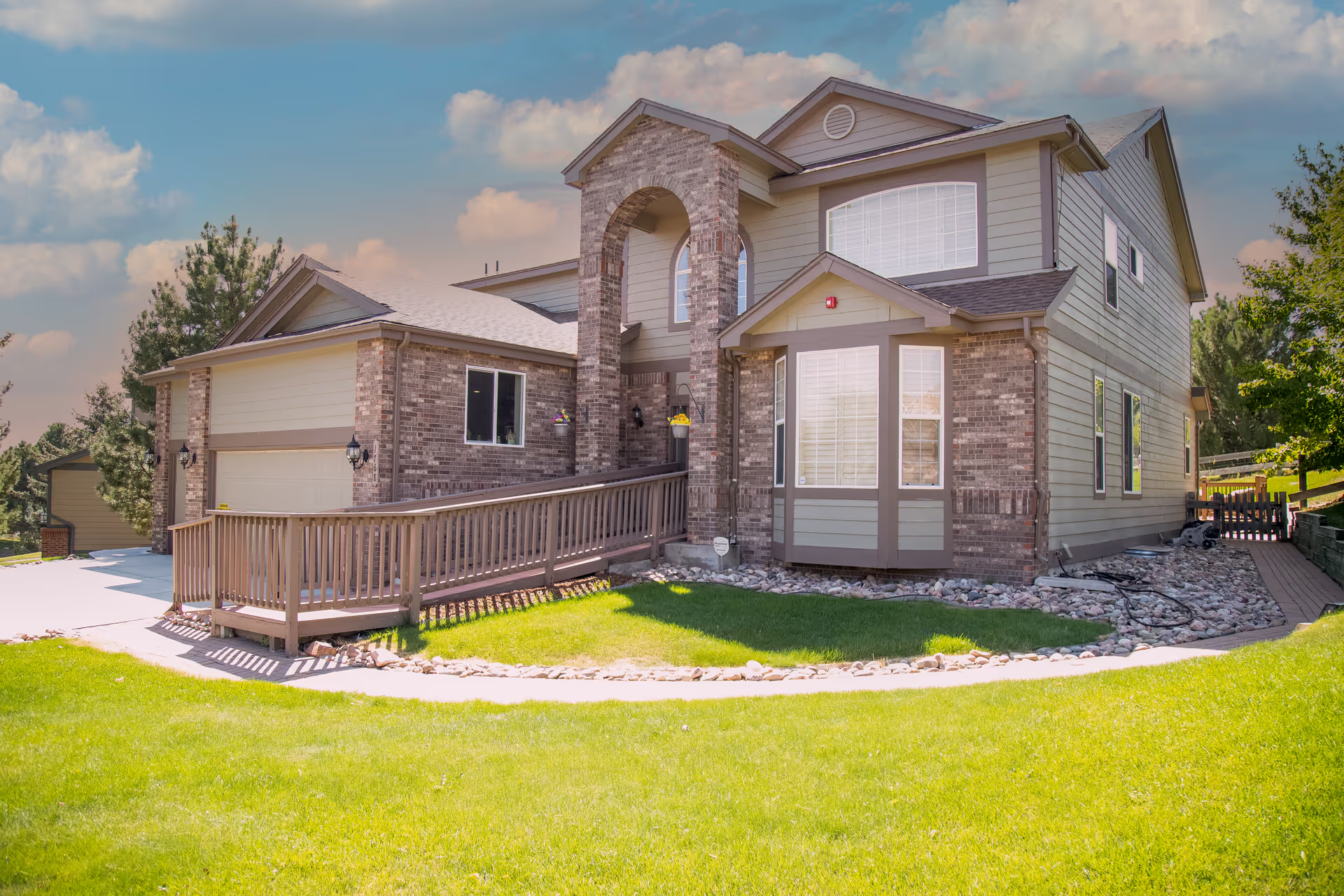
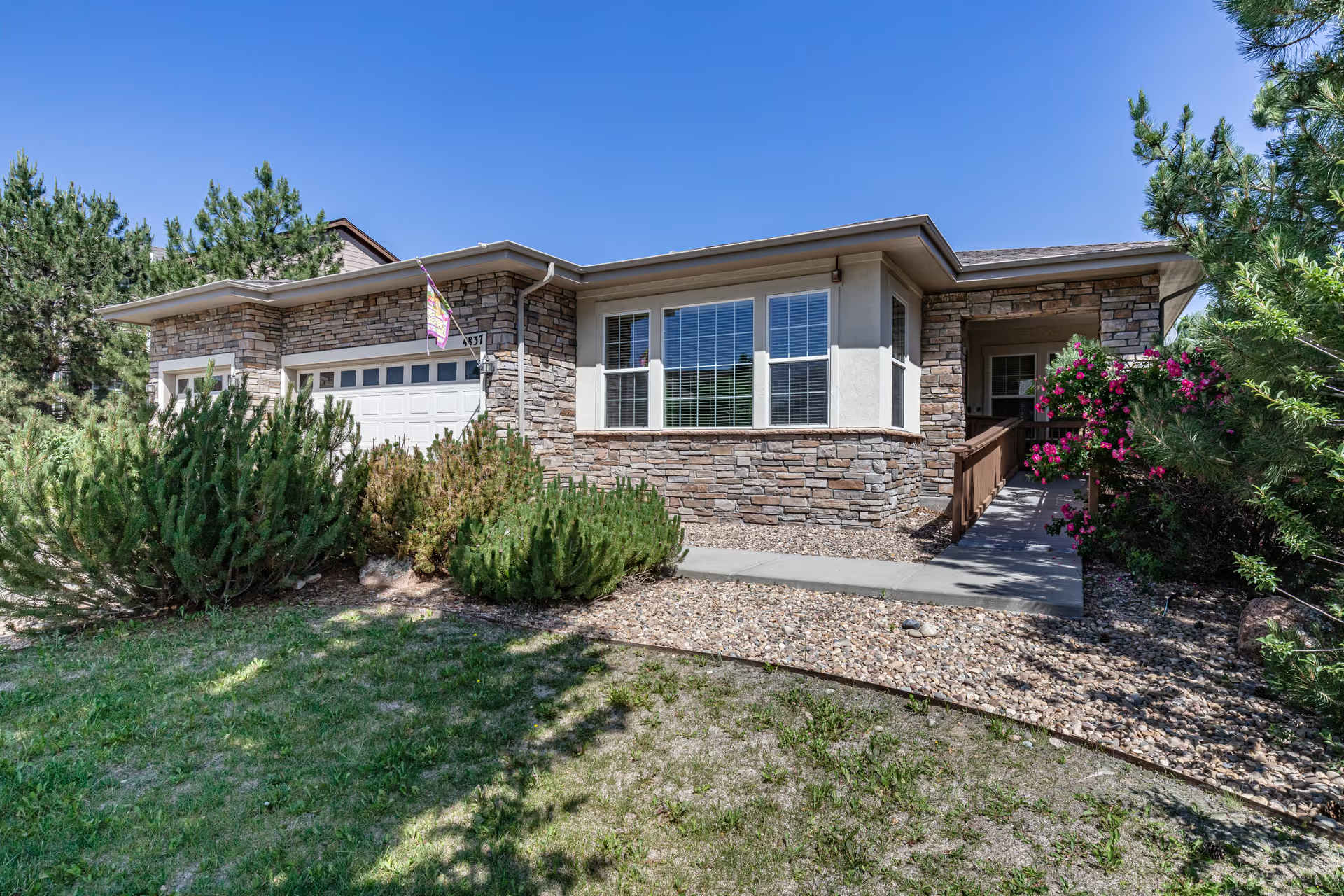
Facilities and accessibility: The community is small (approximately 22 rooms), which reviewers associate with personalized service but also limits bed availability. Physical accessibility is a strength: elevator access and large, wheelchair‑accessible bathrooms are present. Some units, however, have shared bathroom arrangements, and reviewers noted mixed facility conditions—some areas are newer or recently updated while other finishes reflect an older building. Interested parties should confirm room layouts and private‑bathroom availability during a tour.
Management and notable patterns: The facility’s origins as a community‑focused operation and its nonprofit history are cited positively, particularly around family communication and community orientation. Conversely, there are recurring themes about management transparency and how leadership responds to complaints, with a few accounts describing dismissive communication. Another operational limitation mentioned is the facility’s capacity to support residents who require advanced transfer equipment or increasingly complex medical care; families should verify aging‑in‑place policies and transfer protocols.
Bottom line: Castle Country Assisted Living - Valley House appears well suited to individuals seeking a small, home‑style community with a strong social program, quality dining, and attentive day‑to‑day caregiving. Before committing, prospective residents and families should tour the facility to confirm room/bathroom configurations, discuss memory‑care capabilities and aging‑in‑place limits, review staffing and incident‑response practices, and ask specific questions about management communication and how concerns are handled.