Overall impression is mixed but pragmatic: families repeatedly highlight warm, respectful caregiving and individualized attention from direct-care staff. Many reviews emphasize that frontline employees — including nurses, housekeepers, and activities staff — are caring, attentive, and effective at building relationships. The facility offers routine services such as weekly housekeeping and laundry, safety-conscious screening protocols, and active facilitation of family contact (including assisted visits and video calls), which families found supportive during difficult periods.
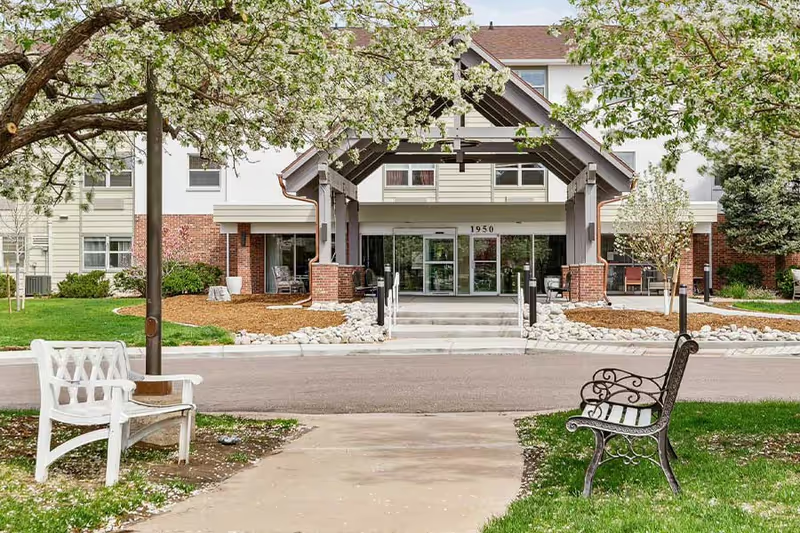
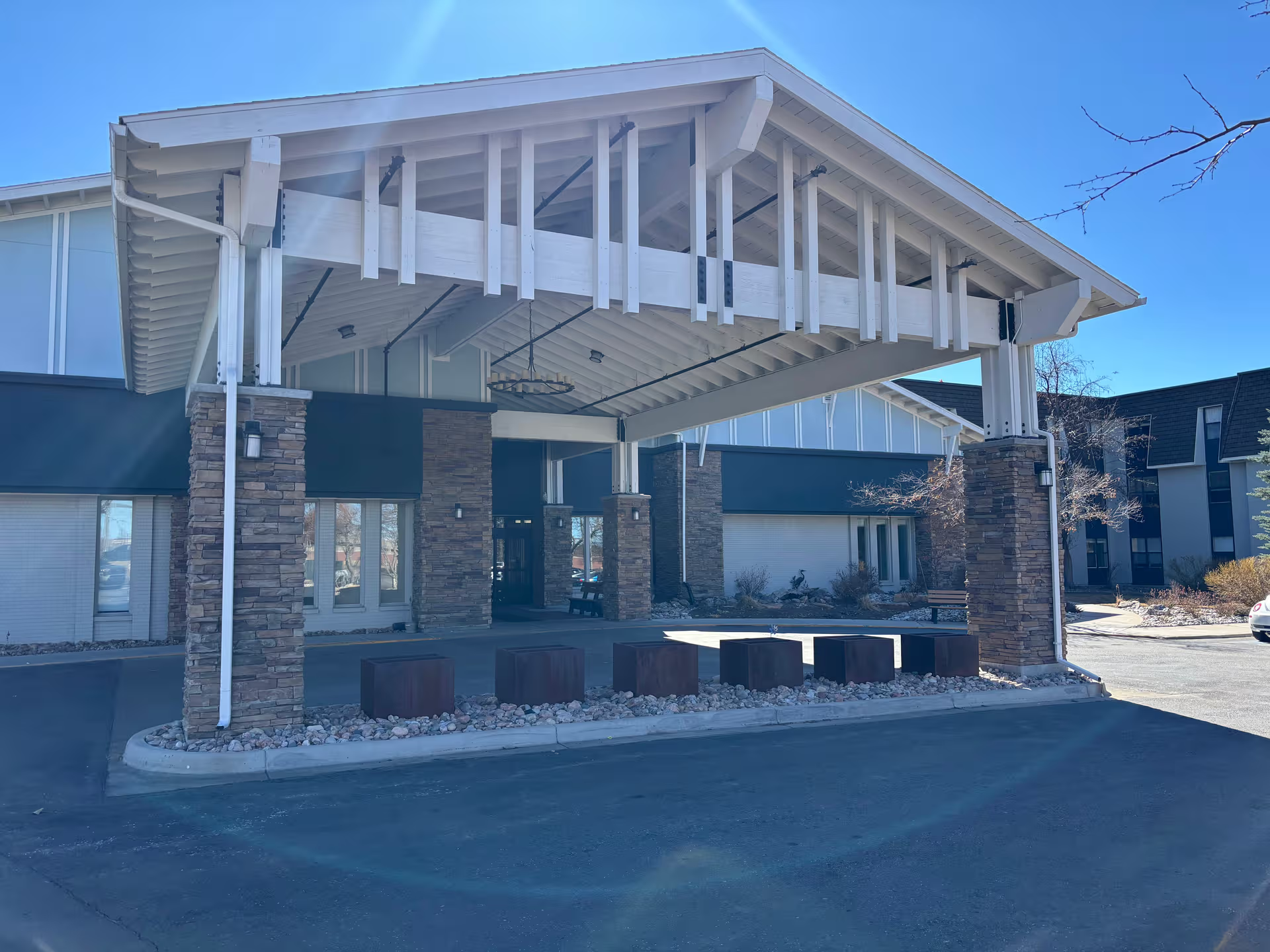
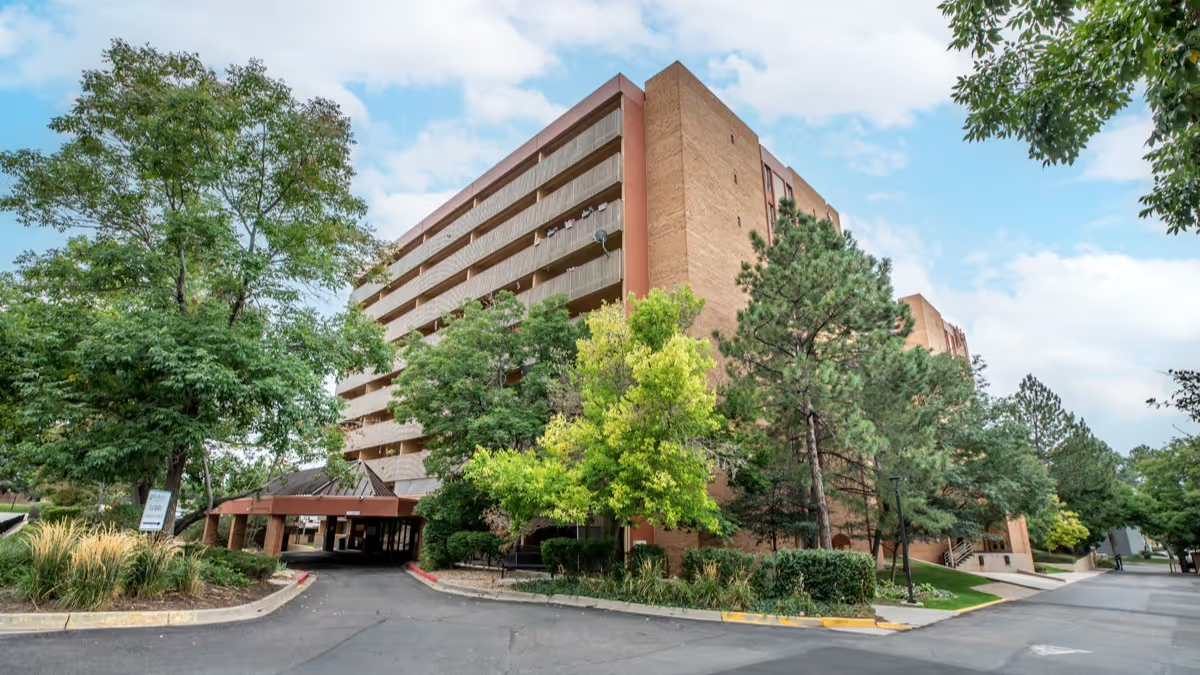
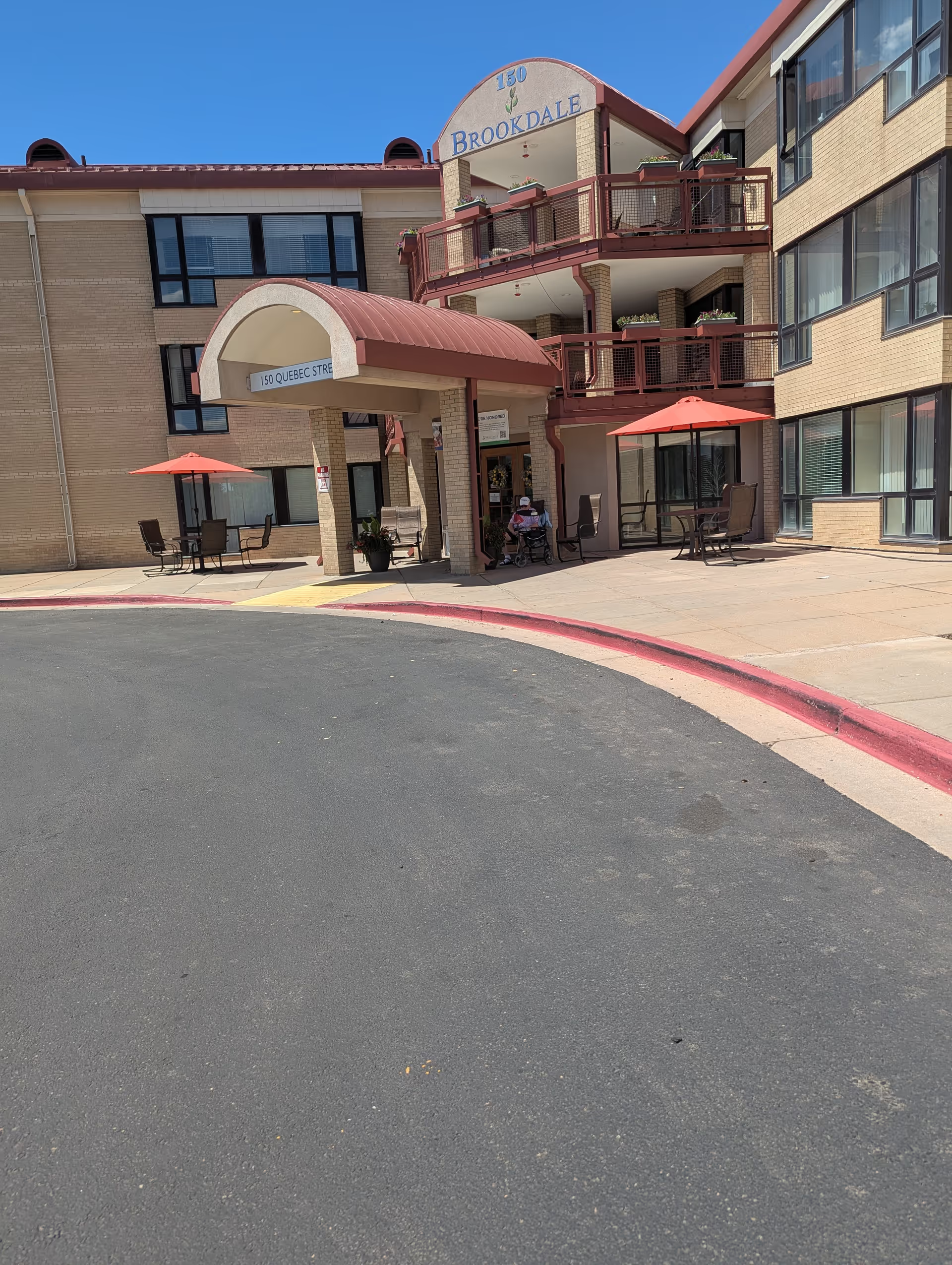
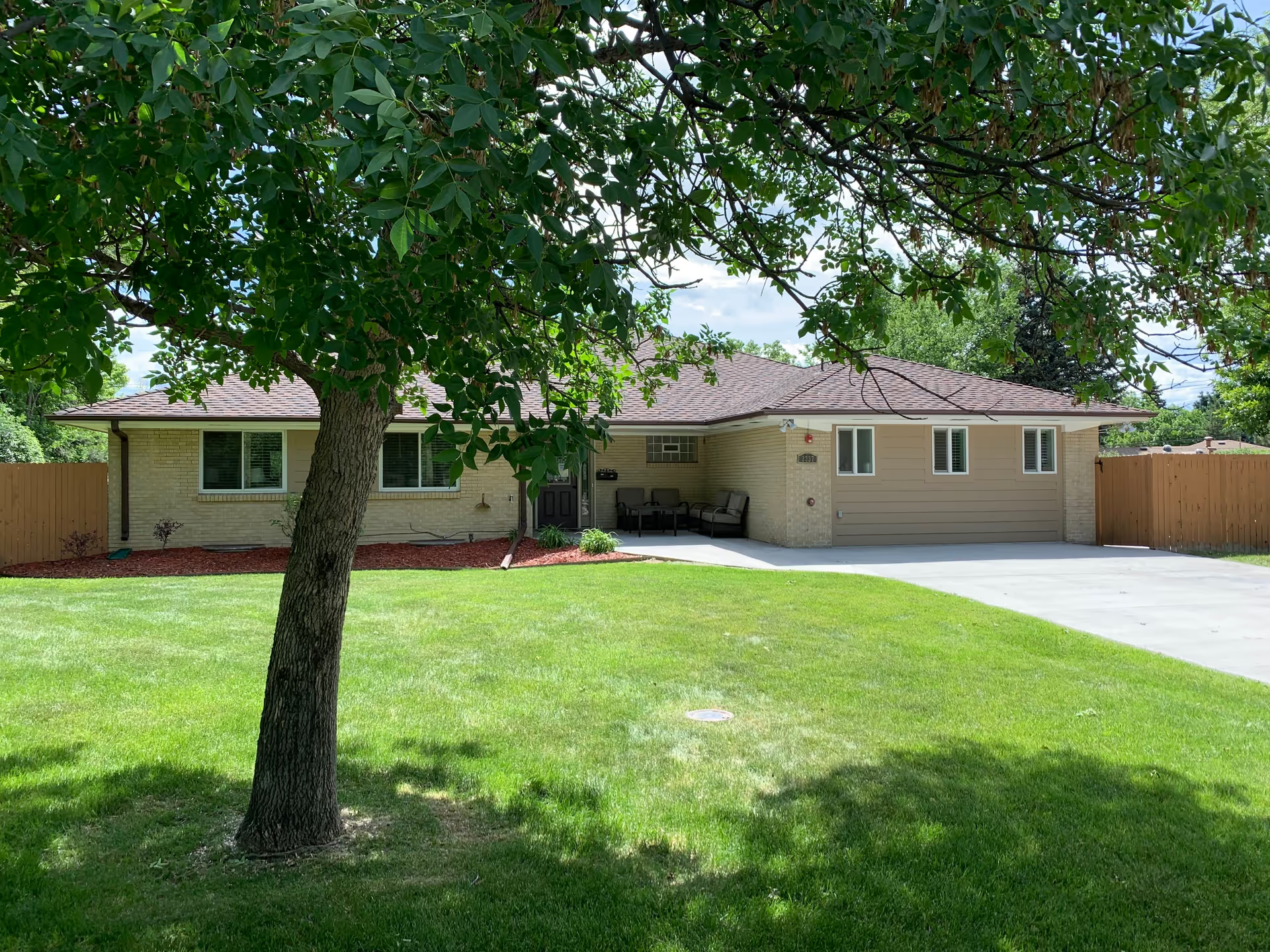
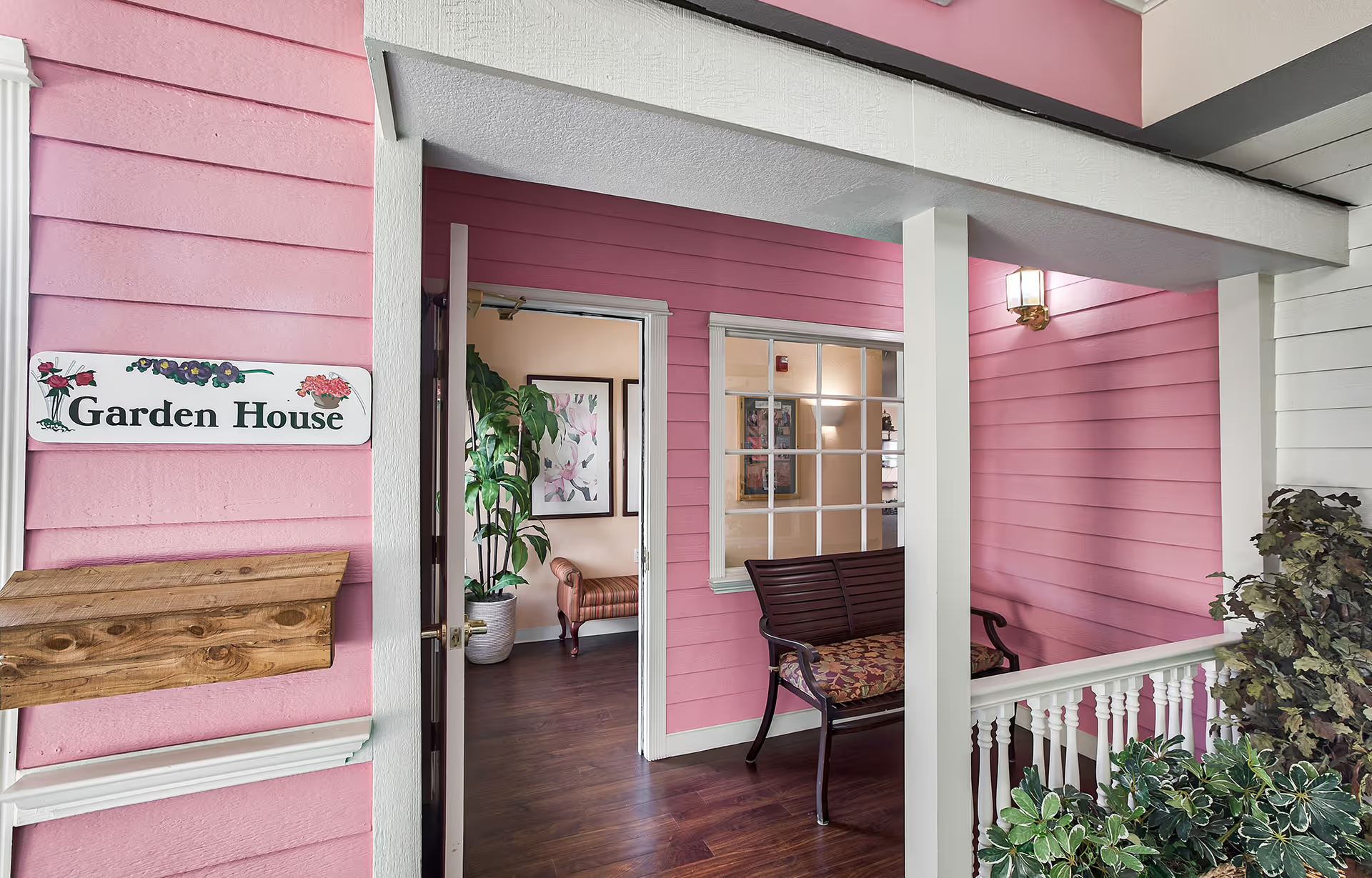
The physical environment receives favorable comments: common areas are described as bright, welcoming, and well maintained, with pleasant dining spaces, outdoor garden/patio areas, and accessible apartment bathrooms. Reviewers appreciate a home-like atmosphere, visible touches in the lobby and common rooms (fireplace, beverages, seasonal offerings), and pet-friendly policies that support social engagement. Transportation assistance and a relatively small, intimate community size are further positives for residents seeking local outings and close social ties.
Dining and activities are strengths in many accounts: there are frequent on-site programs, gardening and social activities, and opportunities for residents to form friendships. However, meal quality and service continuity emerge as inconsistent. Several comments link dips in food quality or missed/altered meal service to kitchen renovations, staffing turnover, or temporary operational changes. Prospective families should confirm current dining plans and how temporary disruptions are managed.
Management and operations show variability. Periods of effective, visible leadership are tied to improvements in staff morale and programming, while ownership and leadership transitions are associated with operational instability. Specific operational patterns noted across feedback include elevated staff turnover, reductions in staffing levels, billing and administrative process gaps, and limitations on financial eligibility (not accepting Medicaid/spend-down). Low occupancy at times has been observed and can affect social programming and day-to-day atmosphere. A few families also identified concerns about clinical staffing levels for residents with higher-acuity needs and noted discrepancies between listed room dimensions and actual unit size.
Implications for prospective families: weigh the clear strengths in staff-resident rapport, cleanliness, and local programming against known operational risks tied to turnover and ownership transitions. Prioritize confirming current nursing-staffing ratios and scope of clinical services, ask for written details about meal-service continuity during renovations, review billing and financial-policy documentation (including Medicaid/spend-down status), and conduct an in-person visit during typical mealtimes and activity hours to assess community vibrancy and communication practices. Overall, the facility offers many attributes families seek in a small, home-like assisted living environment, but operational consistency and administrative transparency warrant direct verification during the decision process.