Harvard Square by Cogir elicits a mixed but instructive pattern: many families and residents consistently praise the staff, social programming, dining concept, and the campus setting, while operational and administrative inconsistencies recur across reviews.
Care and staff: The facility is frequently described as having warm, attentive frontline employees who create a family-like atmosphere. Several accounts highlight particularly strong, compassionate memory-care staff and individual nurses who provide personalized attention. At the same time, reviewers describe variability in staffing stability, with high turnover and intermittent nursing coverage noted. Operational consequences described include delayed responses to call buttons, inconsistent bathing schedules, and gaps in clinical continuity. Families should confirm current staffing ratios, nurse coverage hours, and dementia-training protocols during a visit.
Dining and meals: Dining is commonly cited as a strength—chef-prepared, restaurant-style meals and an included three-meal plan are frequent positives. The community atmosphere around dining (tastings, resident interaction) is often highlighted. However, there are repeated comments about inconsistent meal execution: portion size variability, occasional cold or late meals, limited lunch options, and poorly planned vegetarian choices. Prospective residents should sample meals, review menu rotation practices, and ask about in-room delivery processes.
Activities and community life: Social programming is a clear strength. The community offers a broad calendar—happy hours, classes, lifelong-learning workshops, exercise groups, outings, and transportation for shopping and appointments—which supports resident engagement and social connection. Many reviewers emphasize a strong sense of community, accessible common spaces, and successful resident councils and committees.
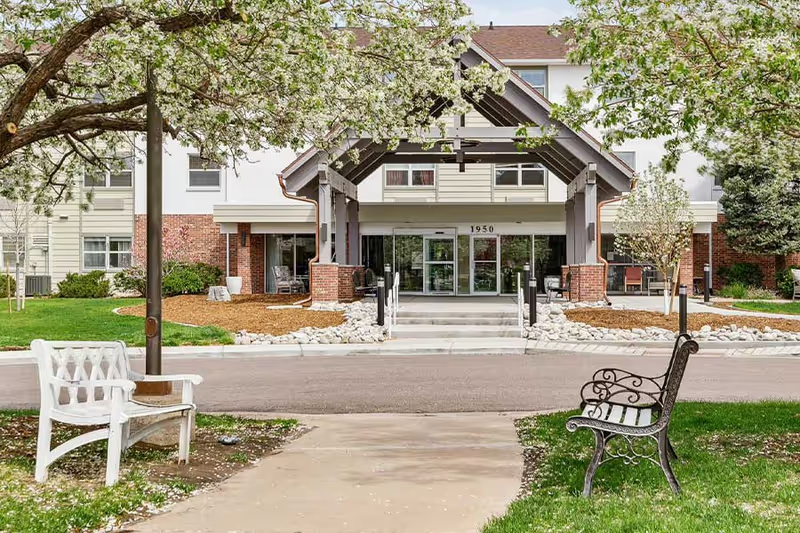
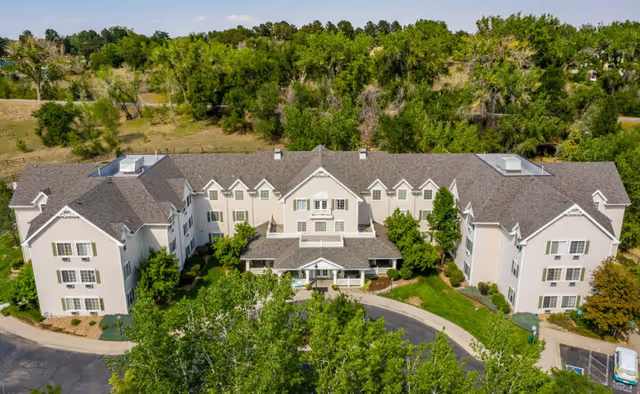
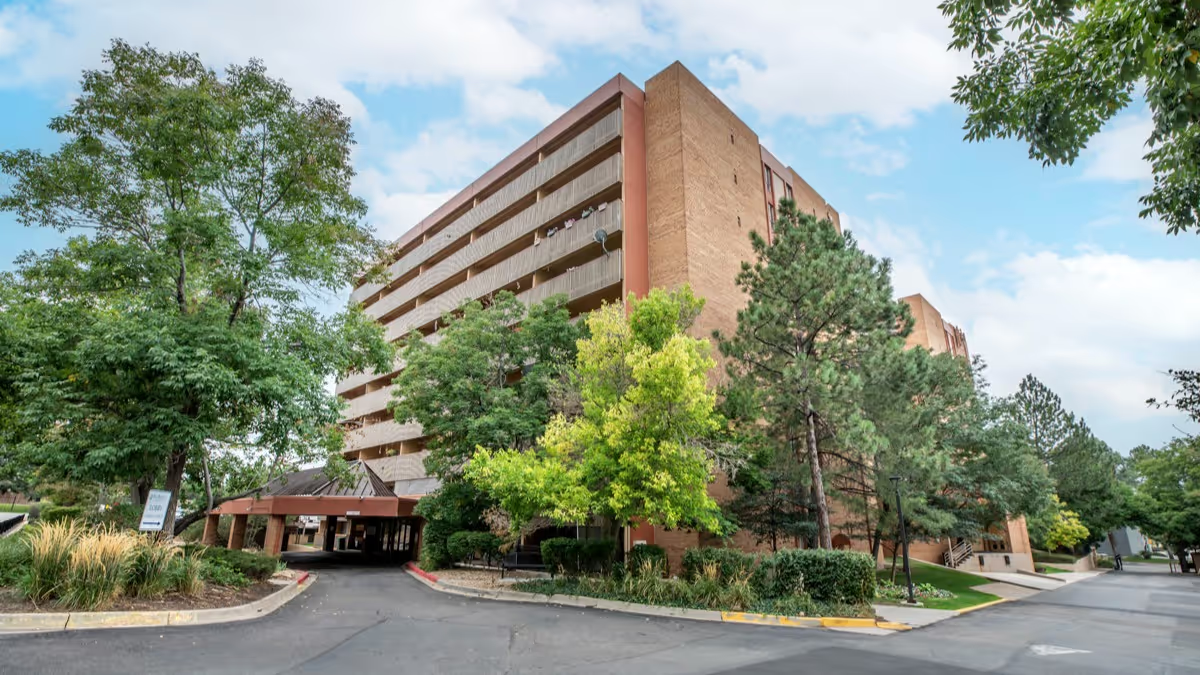
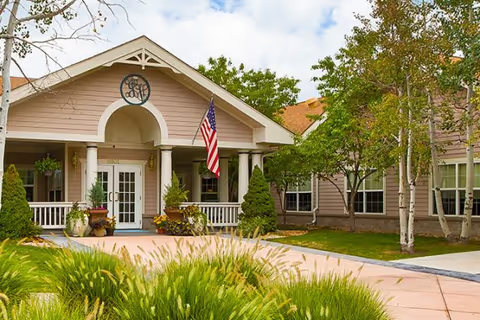
Facilities and maintenance: The campus and grounds receive positive marks for landscaping, natural light, large common areas, and spacious apartments in many parts of the building. At the same time, the property is an older building with uneven renovations: some areas feel modern and resort-like while others retain dated finishes. Recurring facility-level issues include elevator reliability, HVAC/temperature-control problems (notably delayed or inadequate cooling), and reports of slow maintenance follow-up. These are operational traits that can affect daily comfort and mobility; confirm repair processes and recent capital improvements when touring.
Management, administration, and transparency: Administrative themes are mixed. Some reviews commend responsive leadership and improvements after leadership changes; others identify management turnover, billing and fee-structure opacity (upfront community fees and non-refundable charges), and sales/contract clarity issues. Communication gaps between administration, medical staff, and families are a recurring operational concern. A clear, written discussion of fees, contract terms, and channels for escalation is advisable prior to commitment.
Notable patterns and recommendations: Overall, Harvard Square appears to offer strong interpersonal care culture, robust social programming, and attractive communal amenities, but with measurable variability in operational reliability—staffing stability, meal service consistency, housekeeping/laundry timeliness, and building systems. Memory care receives both high praise for frontline teams and concern about administrative accessibility in some accounts, indicating uneven performance by unit. Prospective residents and families should prioritize an in-person dining trial, review current staffing and nurse-coverage schedules, inspect recently renovated versus older wings, verify elevator/HVAC reliability, and obtain transparent written terms on fees and services. These checks will help determine whether the community’s strengths align with an individual’s care and lifestyle needs.