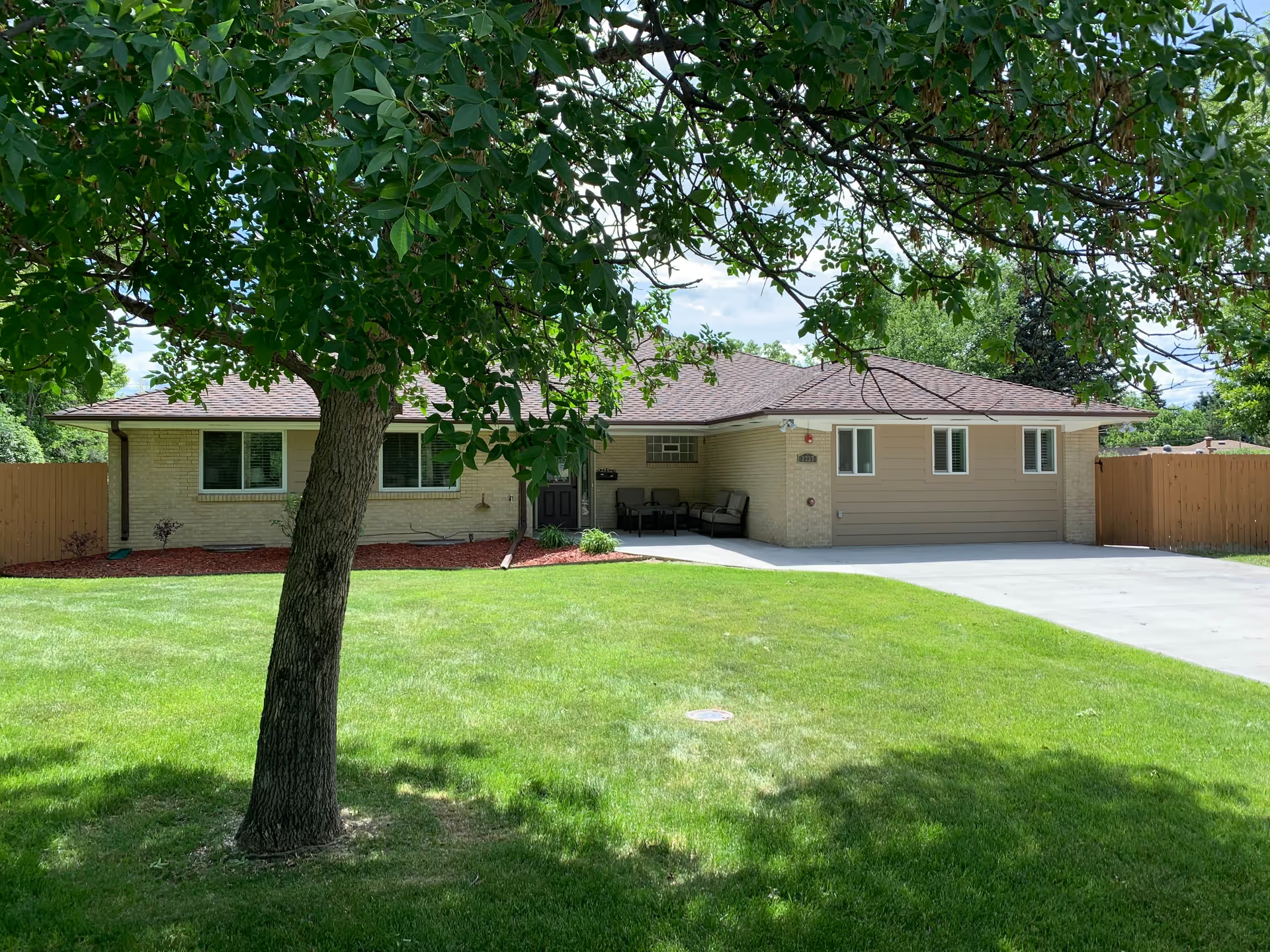
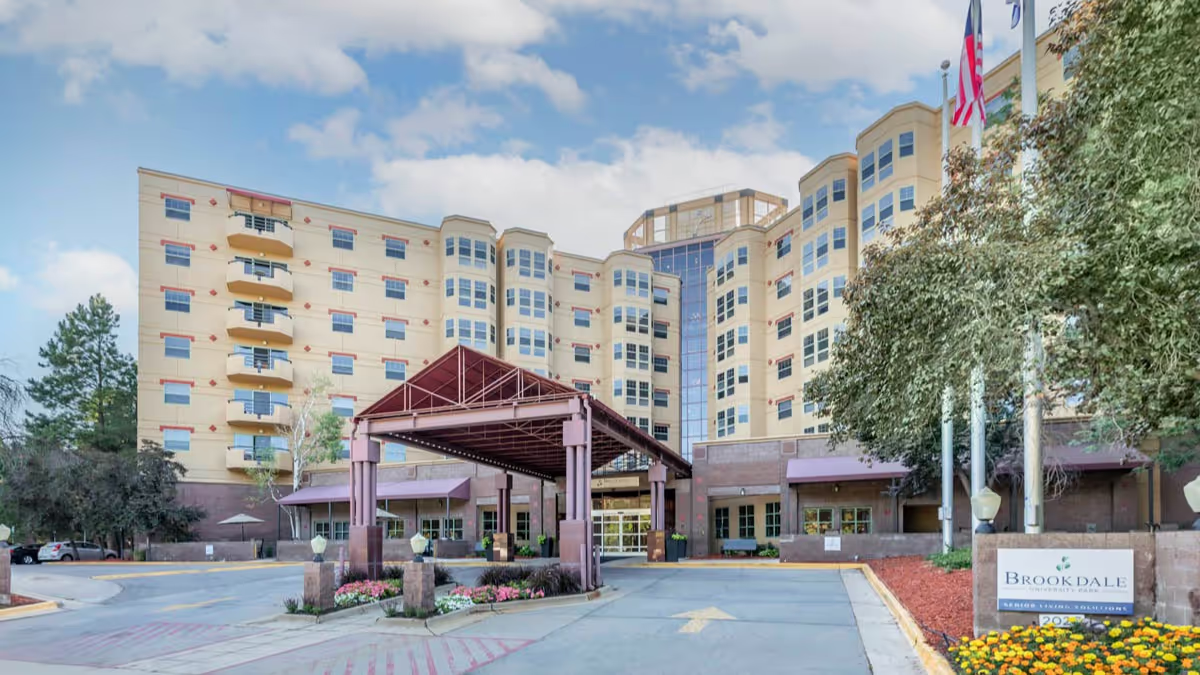
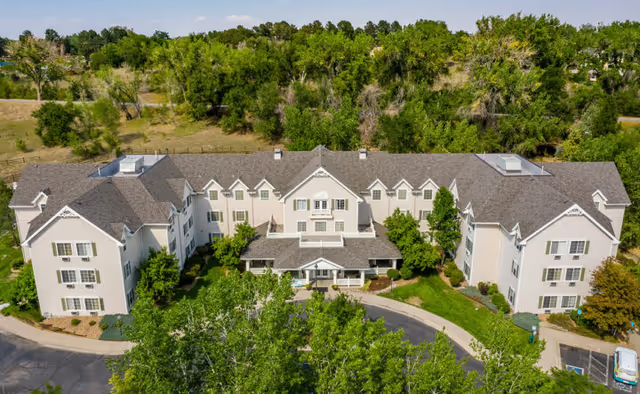
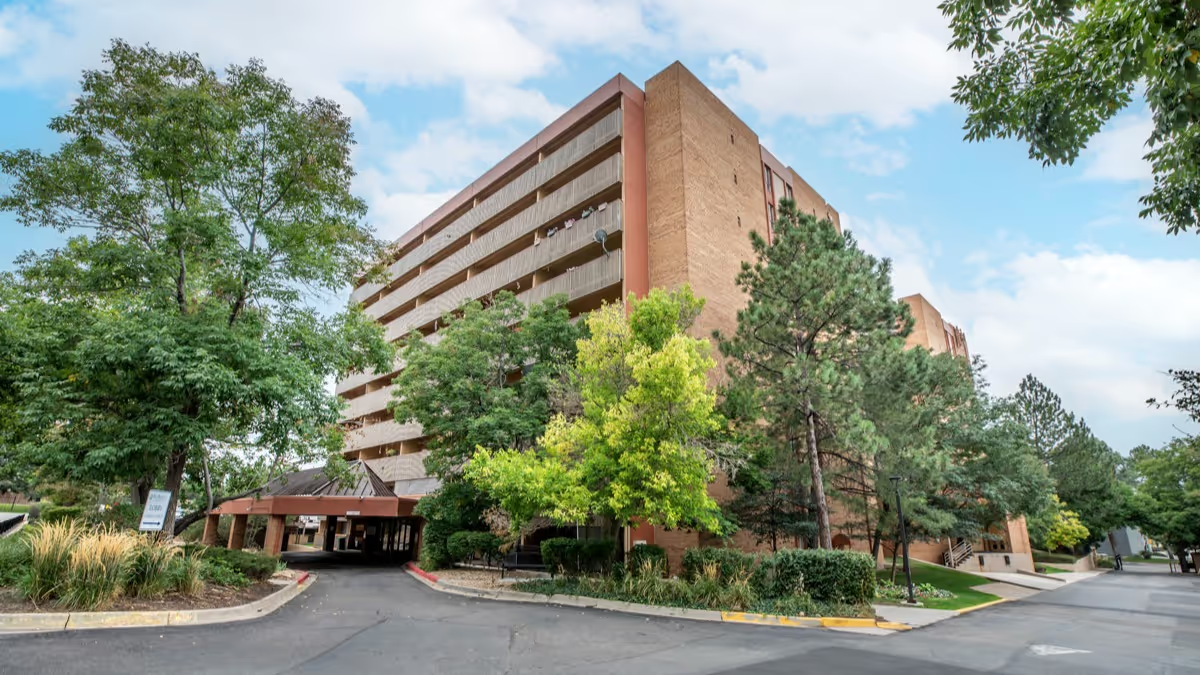
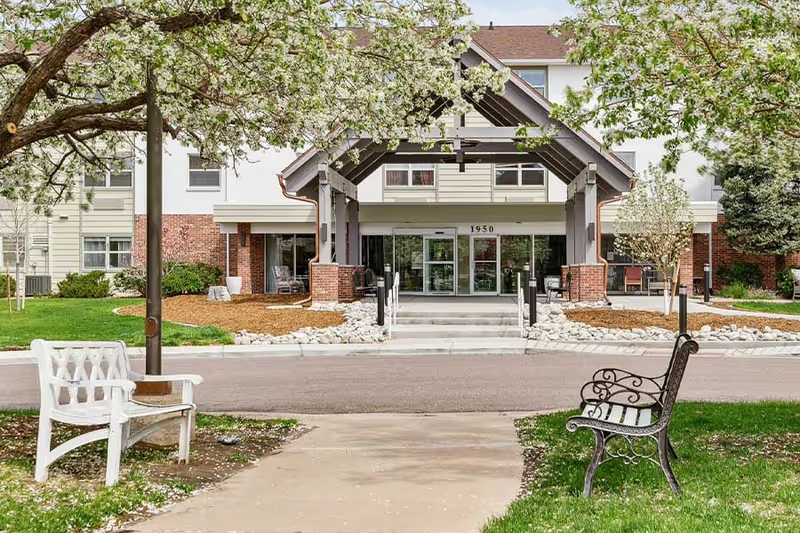
Reviews for Holly Heights Nursing Care Center are highly polarized. Many families describe individualized, compassionate care from specific nurses, CNAs, and therapy staff — with multiple accounts of attentive bedside care, strong physical-therapy outcomes, meaningful bereavement support, and staff who go beyond shift expectations. Parts of the building and some units are described as renovated and well maintained, with pleasant outdoor areas and a quiet, residential location that families appreciate. Admissions staff and certain leaders receive praise for assistance with Medicaid and placement logistics, and several reviewers note successful rehab discharges and strong therapy-driven recoveries.
At the same time, a substantial and recurrent set of operational concerns appears across reviews. Families cite inconsistent staffing levels and turnover that correspond with slow call-light response times, delays in basic assistance (including toileting and hygiene support), and variability in the timeliness of clinical assessments and diagnostic testing. These issues manifest as delayed escalation for acute changes in condition, delayed diagnostic imaging or specialist procedures, and reported gaps in infection-control practices. Several reviewers specifically describe changes in care quality following management or ownership transitions.
Cleanliness and environmental maintenance are another frequent theme. While some areas are reported as clean and renovated, others are associated with sanitation and odor concerns, pest-control issues, equipment problems (for example mattress or oxygen-related maintenance), and occasional reports of mold or safety hazards. Crowding and small, shared rooms with limited privacy are noted in some units, as are limited hot-water or temperature-control problems in others. Property-management lapses — such as concerns about personal belongings and disposal policies — also recur.
Communication and conduct-related issues are prominent. Many families praise individual staff members for warmth, clear updates, and follow-up calls; however, other accounts describe dismissive or harsh communication tone, inconsistent family notification practices, and perceptions of insufficient empathy after adverse events. Admissions and placement processes are described as uneven by some reviewers, including disagreements about insurance or medication-cost coverage and pressure during placement decisions.
Regulatory and safety signals are present in the set of reviews. Several reviewers referenced formal complaints to oversight bodies, and there are mentions of serious individual allegations that prompted regulatory attention; these items suggest the facility has had at least episodic safeguarding and documentation gaps that warrant scrutiny. Prospective families should consider requesting recent inspection reports, incident logs, and clarifications about staffing levels, infection-control protocols, and emergency escalation procedures.
In summary, Holly Heights shows clear strengths in individual caregiving, therapy services, and pockets of well-maintained space, but also displays recurring operational weaknesses — notably inconsistent staffing, variable clinical responsiveness, environmental-maintenance issues, and communication gaps. Prospective residents and families would be best served by in-person visits to the specific unit, targeted questions about current staffing ratios, PPE and infection-control policies, transfer and emergency protocols, dining and nutrition oversight, laundering and personal-belonging policies, and review of the facility’s most recent state inspection and complaint history before making placement decisions.