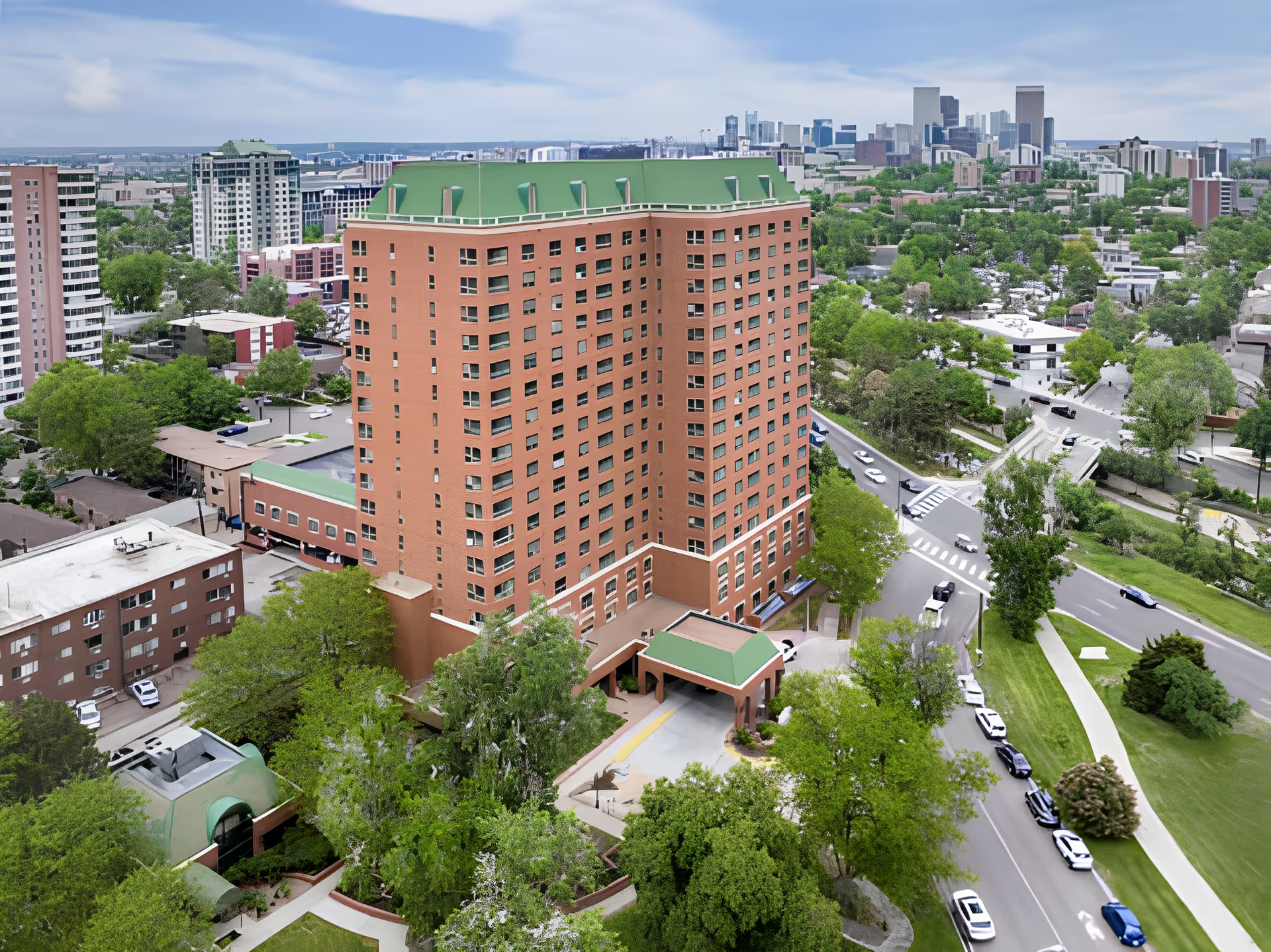
Overall impression Kavod Senior Life presents as a well-located, service-rich senior community that many residents and family members describe as comfortable and socially engaging. Strengths repeatedly noted across reviews include a strong, compassionate staff presence, an extensive calendar of activities, on-site clinical services, and a wide range of amenities. The community’s proximity to Cherry Creek shopping and dining, combined with visible security measures and quick maintenance response times, contributes to a sense of convenience and safety for many residents.
Care and staff Care quality is described positively overall: reviewers highlight respectful, attentive caregiving staff, low staff turnover, routine safety check‑ins, and availability of on-site health assessments and clinical staff. Many accounts emphasize staff who balance privacy and assistance and who foster social connections. That said, there are isolated concerns around medication management and clinical communication; several reviewers described instances that led them to question clinical follow‑through. These appear to be intermittent rather than pervasive, but they underscore the importance of clarifying clinical processes during a tour.
Dining Dining is a focal point of both praise and concern. The community offers structured communal meals and a busy dining program that supports social engagement, and some residents express satisfaction with portion sizes and the convenience of plated meals. Conversely, a recurring operational theme is a mandatory meal plan with limited flexibility, sometimes extra charges for delivery, and perceived inconsistency in food quality and menu variety. The facility’s cultural/faith-based meal orientation (kosher/Jewish influence) is important to many residents but may limit menu choices for others. Prospective residents should review sample menus, allergy/dietary accommodation policies, and meal‑plan terms closely.
Activities and social life Kavod’s life-enrichment program is consistently praised: exercise classes, art programs with supplied materials, live music, group outings, and faith-based programs are typical. Transportation for off-site trips and an active calendar contribute to frequent social engagement and a family‑like atmosphere. This programmatic strength is a major draw for residents seeking an active, engaged community.
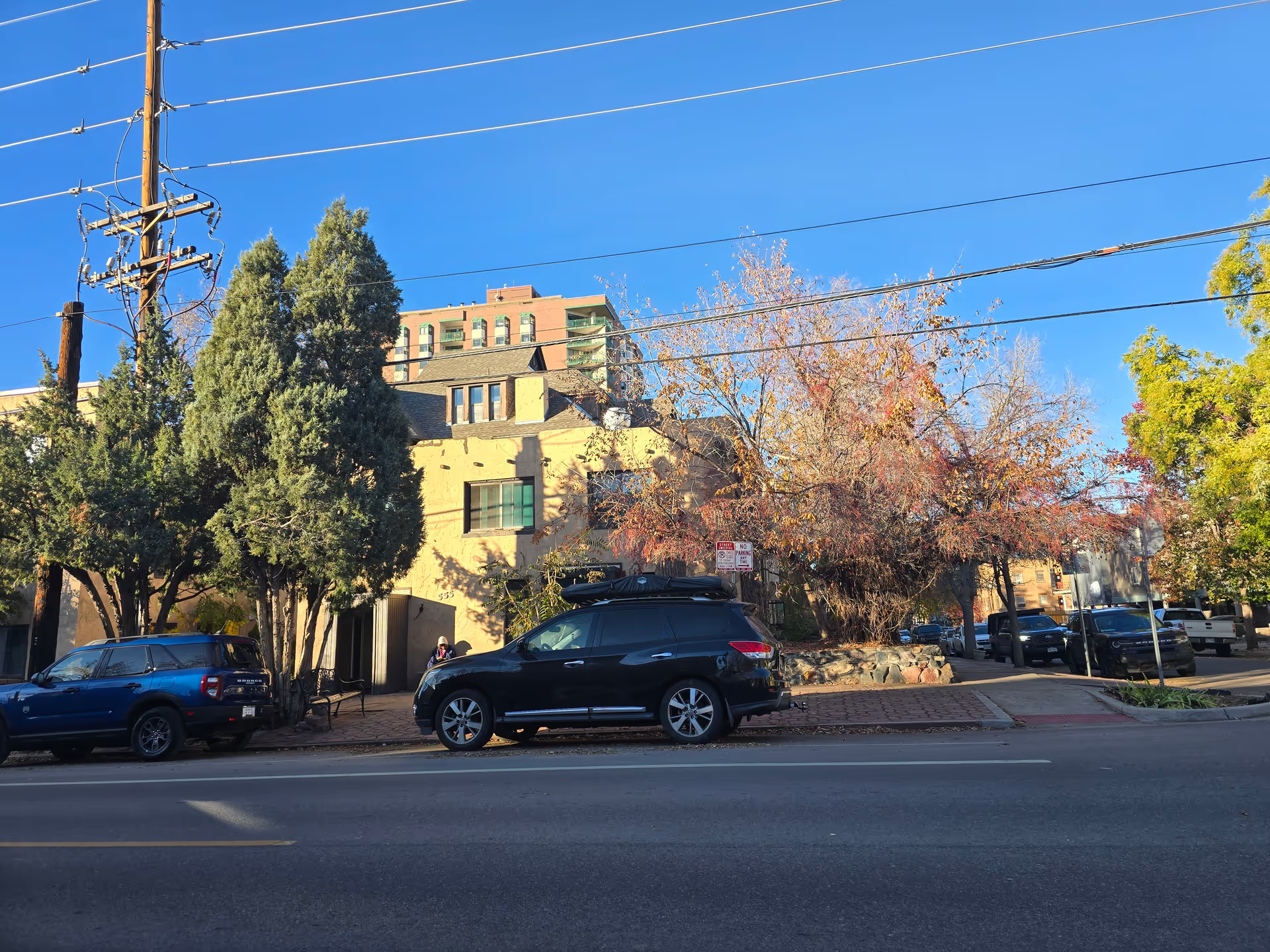
Facilities and operations Physical facilities receive mixed comments. Apartments and many common areas are described as clean and well maintained, with good storage, attractive views from some units, and desirable amenities (fitness room, penthouse meeting area, garden, salon, gift shop). However, reviewers also describe portions of the interior as dated and undergoing remodeling; some common areas have a more institutional or hotel‑like feel. Operationally, practical issues surface: limited parking with a waitlist, no in‑unit dishwasher or washer/dryer hookups in most units, occasional laundry equipment problems, patchy Wi‑Fi, and comparatively high fees for cable and other ancillary services. Smoking policies that permit smoking on or near campus were flagged as a source of second‑hand smoke exposure for some.
Management and financial considerations Reviewer impressions of management are mixed. Some families report responsive leadership that addresses problems quickly; others cite communication gaps, unfulfilled promises, or perceived insensitivity when raising concerns. Financially, reviewers mention fee increases for meal plans and ancillary services; transparency about all ongoing costs and any projected increases should be requested. Several reviewers recommend clarifying parking availability, meal‑plan rules, and policies for dietary accommodations before committing.
Notable patterns and practical advice The dominant positive patterns are strong staff–resident relationships, a robust activities program, solid on-site clinical support, and an advantageous location. The dominant operational cautions are around dining policy and food consistency, parking shortages, aging interiors in parts of the building, fees for ancillary services, connectivity issues, and occasional management communication gaps. Prospective residents and families should ask specific questions about meal flexibility and substitutions, how dietary needs are handled, parking availability and waitlist procedures, internet/cable options and costs, smoking policy and smoke mitigation, laundry facilities and reliability, and examples of how management resolved past resident concerns. These checks will help determine whether Kavod’s strengths align with a given resident’s clinical needs, lifestyle preferences, and budget constraints.