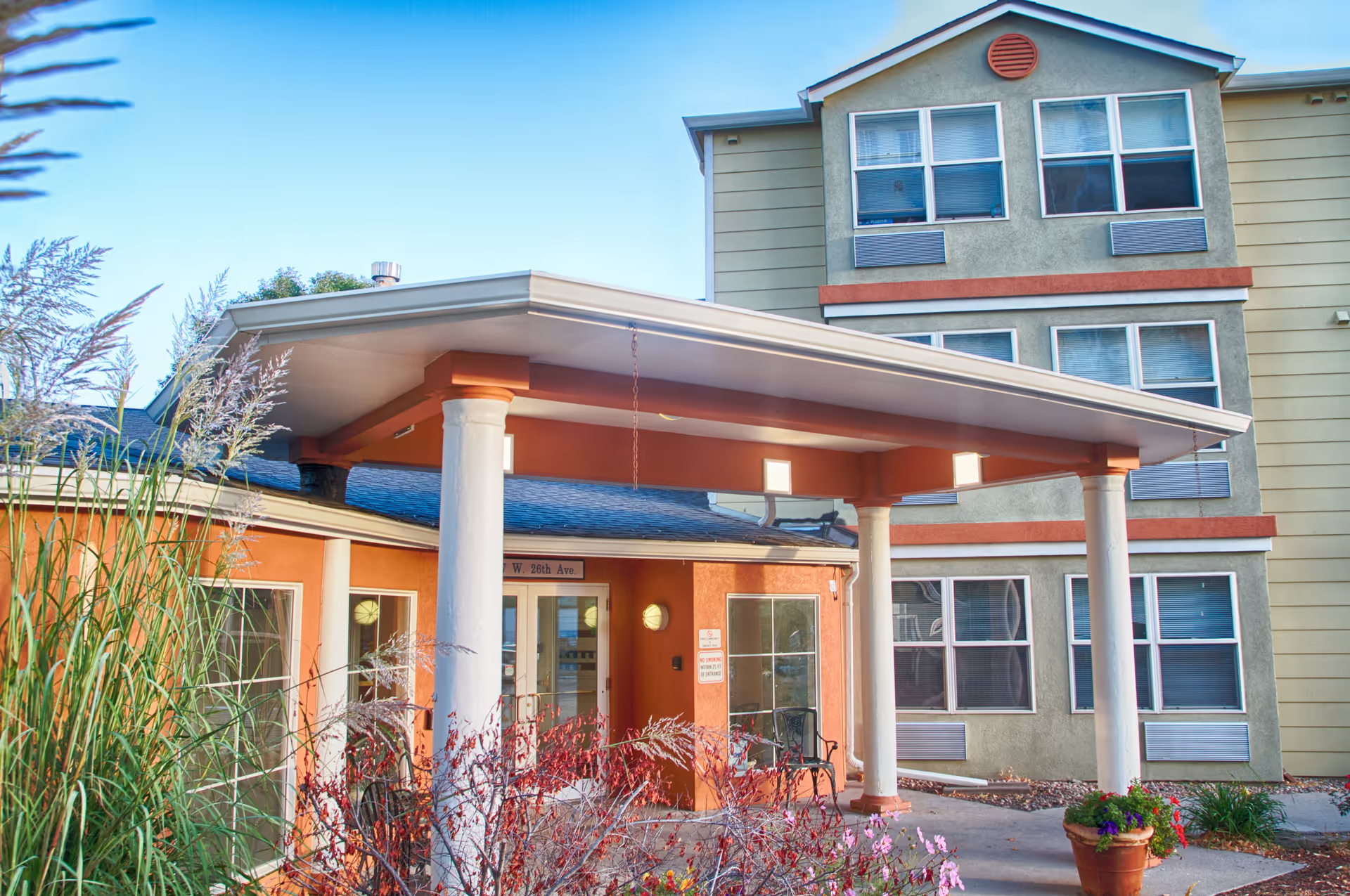
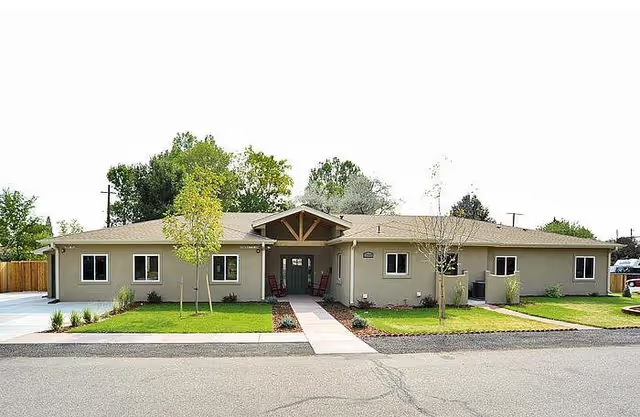
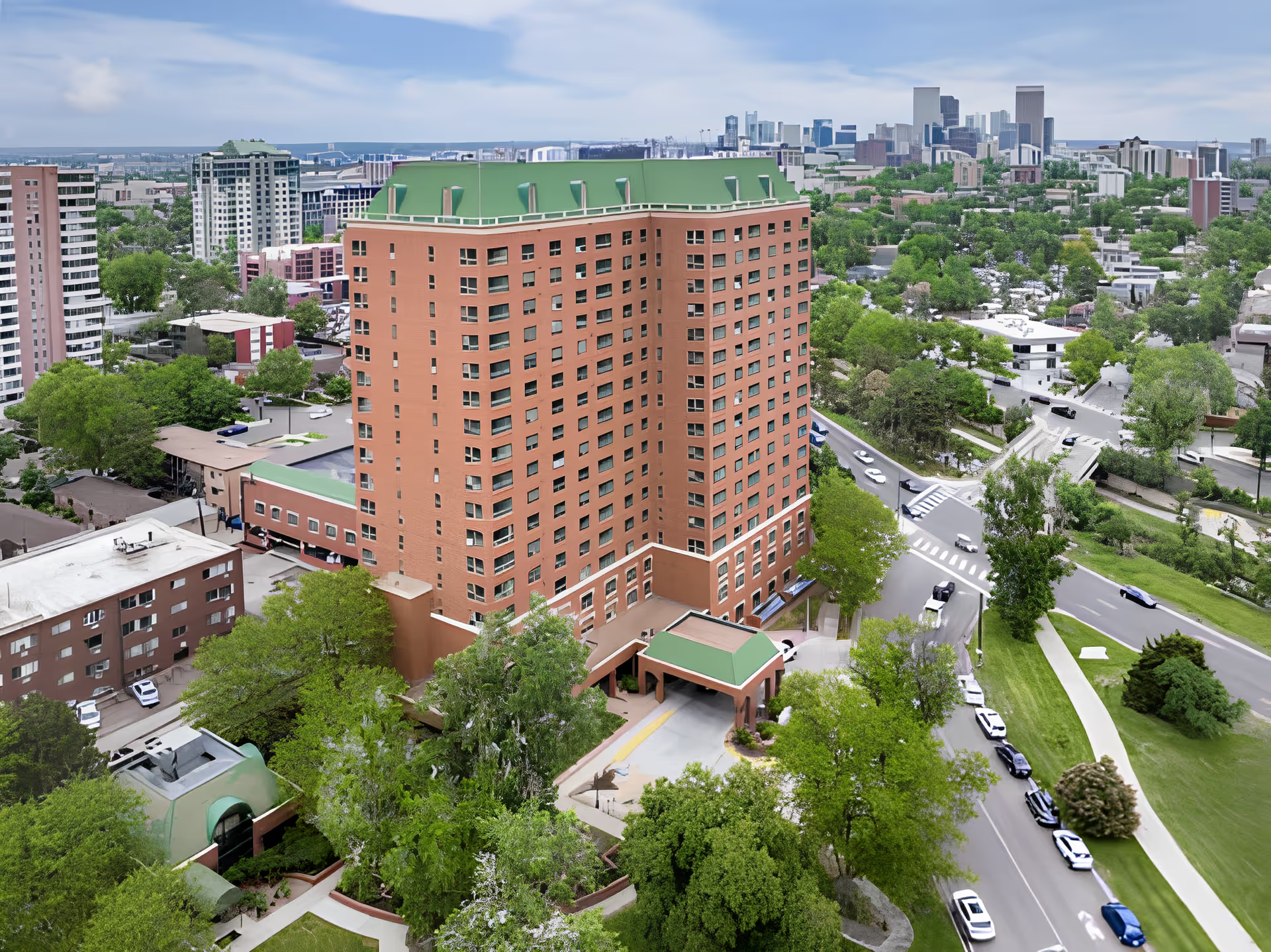
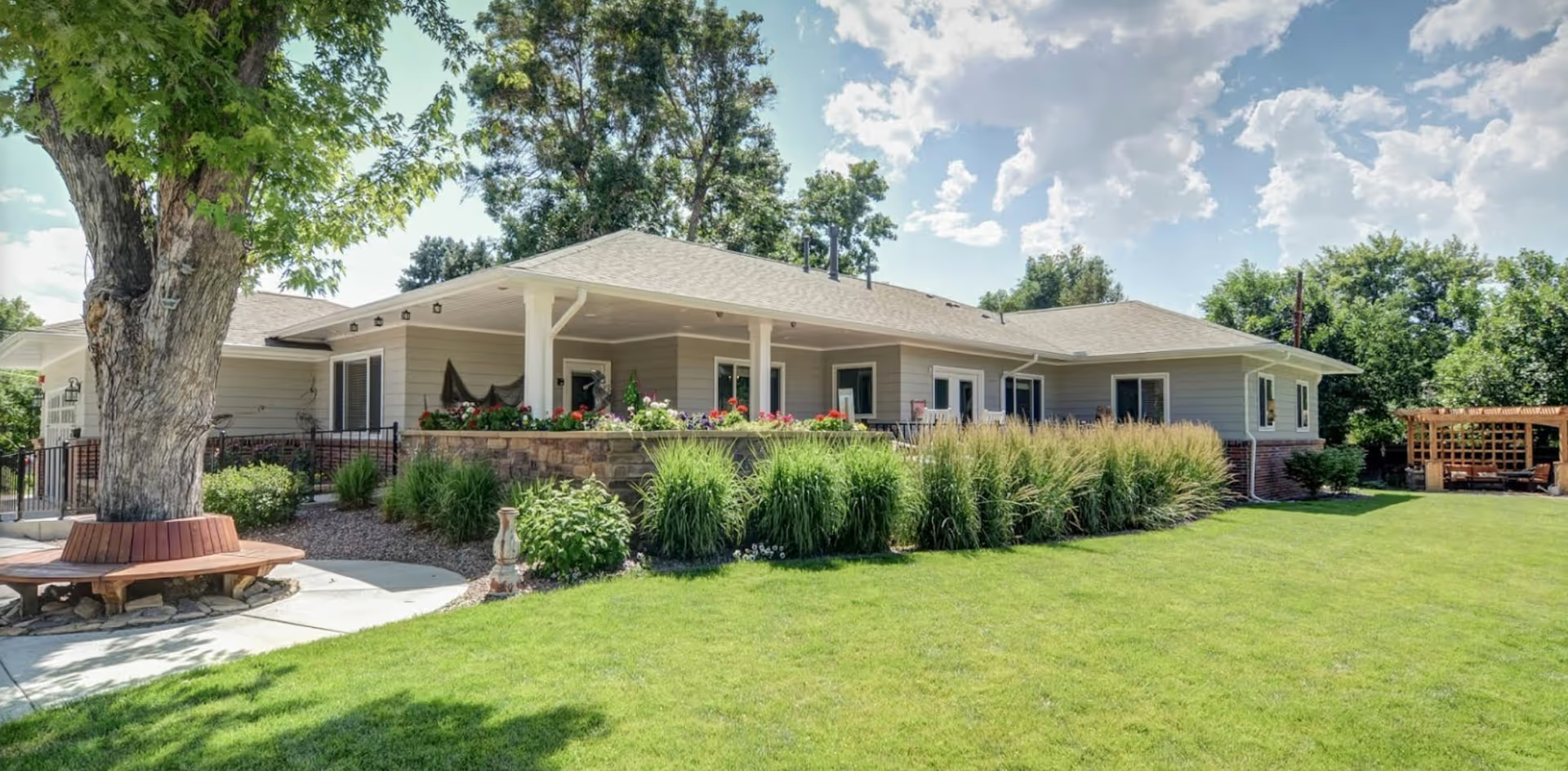
The Gardens at St Elizabeth is described by many reviewers as a warm, community-oriented senior living setting with notable strengths in staff engagement, dining, activities, and campus aesthetics. Across reviews the staff are consistently characterized as compassionate, competent, and long-tenured; caregivers, dining staff, front-desk personnel, maintenance, activities leaders, and chaplaincy receive repeated praise for attentiveness and supportive interactions. Families and residents cite a strong sense of belonging, effective transitions into the community, thoughtful dementia-support practices, and successful infection-control measures during the pandemic.
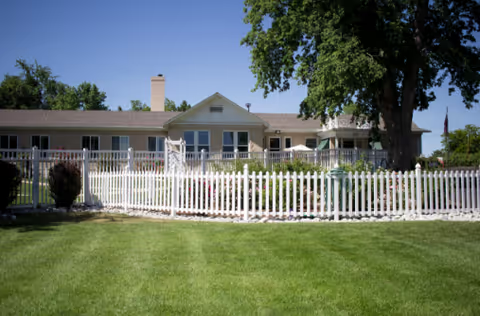
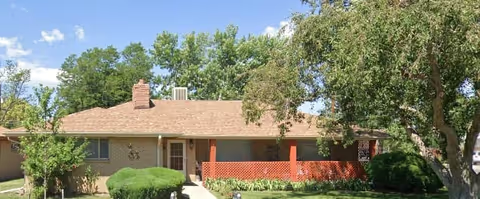
Dining and lifestyle offerings are a prominent positive. Multiple comments highlight high-quality, chef-driven meals, pleasant bistro and dining-room experiences, and a broad activities calendar that includes social dancing, music moments, trips, bingo, and daily spiritual programming in a notable historic chapel. The campus and interiors are frequently described as beautiful, sunlit, and well-appointed, with landscaped grounds and historic features that contribute to resident satisfaction and a homelike ambiance.
At the same time, reviewers identify recurring operational and facility concerns. There are patterns of unreliable building systems and infrastructure maintenance, exemplified by elevator outages, intermittent hot-water and HVAC problems, and air-conditioning deficiencies in certain units. These facility-reliability issues have practical consequences for resident comfort and access and are coupled with described gaps in after-hours communication capabilities, such as limited switchboard coverage, which can impede timely responses.
Concerns about management and transparency emerge as a second theme. Some family members perceive certain management approaches as overly controlling for independent-living residents, and there are specific concerns about unclear or inconsistent billing practices and obfuscation of food charges. Staffing stability is unevenly described: while many reviews praise long-tenured personnel, other comments indicate periods of higher turnover that can affect continuity of care. Reviewers also mention environmental safety oversight gaps and occasional inconsistencies in staff responsiveness and communication tone.
In summary, The Gardens at St Elizabeth appears to deliver strong person-centered care, rich social and spiritual programming, and a well-regarded dining experience within an attractive campus environment. Prospective residents and families should weigh those strengths against operational considerations: assess building-systems reliability, clarify billing and after-hours communication arrangements, and discuss management policies related to resident autonomy. Visiting the campus, meeting staff across departments, and requesting written clarification of fees and emergency protocols will help determine whether the community’s strengths align with an individual’s priorities and tolerance for the identified operational limitations.